
Low Water Pressure Solutions in Imperial Beach
Dealing with weak water pressure in Imperial Beach? Low water pressure can make showers frustrating and appliances ineffective. Our team diagnoses the root cause and restores your water pressure fast.
📋 In This Guide
Need Low Water Pressure Solutions in Imperial Beach?
We serve Imperial Beach and all of San Diego County. Licensed C-57 contractor (CSLB #1086994), founded 2020.
Call: (760) 440-8520Our Low Water Pressure Solutions Services
- Pressure tank repair and replacement
- Pressure switch adjustment
- Pump upgrades for better pressure
- Constant pressure systems
- Booster pump installation
- Clogged pipe diagnosis
- Well yield testing
- Complete system evaluation
Why Imperial Beach Chooses SCWS
✓ Local Expertise
We know San Diego County geology and wells
✓ Fast Response
Same-day service for Imperial Beach
✓ Fair Pricing
Honest quotes, no surprises
✓ Quality Work
CSLB #1086994 · founded 2020
Our Locations
Related Articles
Continue learning about well maintenance and troubleshooting
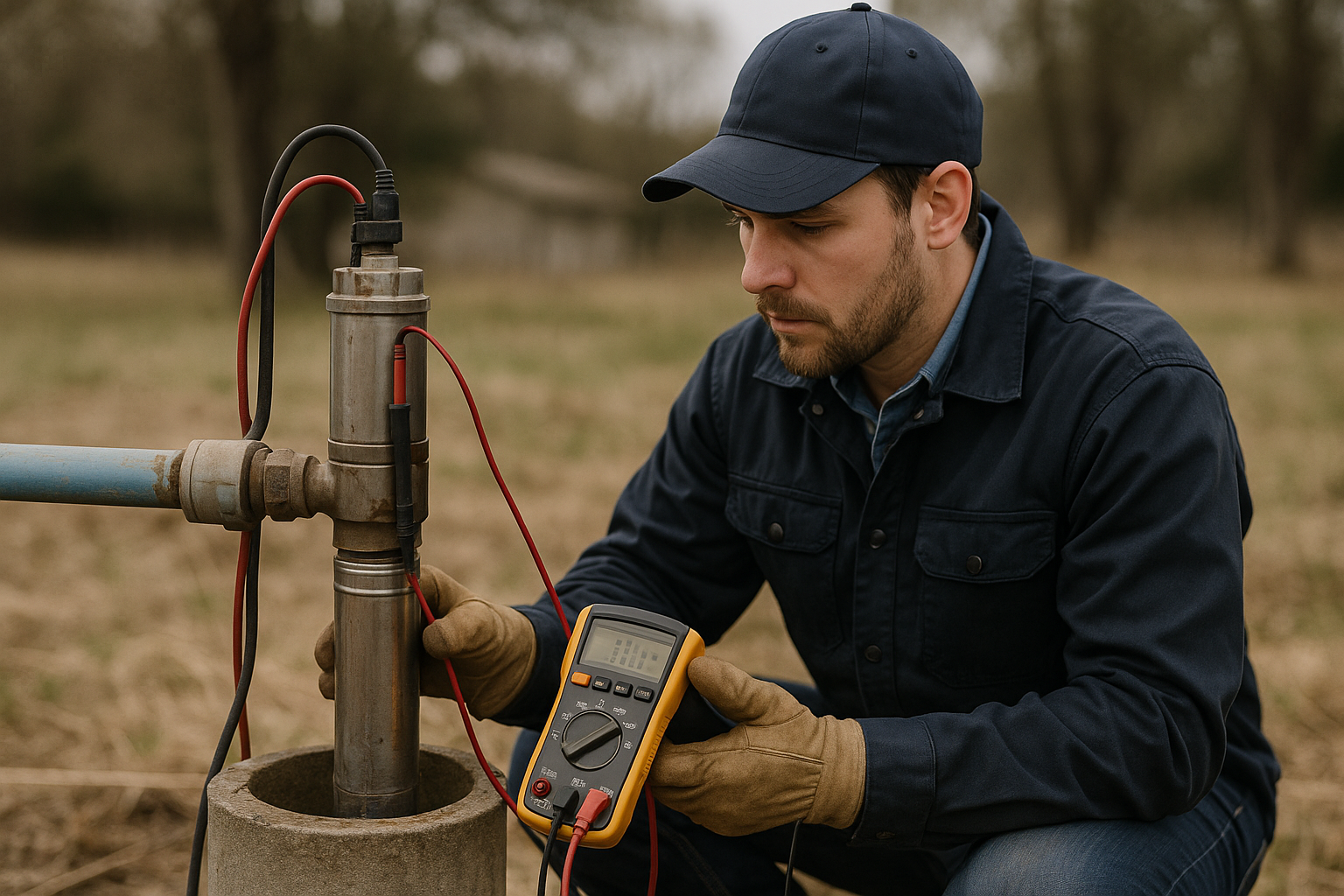
Low Water Pressure From Well: Complete Fix Guide
Diagnose and solve low pressure problems

Well Pressure Switch: Settings, Adjustment & Replacement
Everything about pressure switches
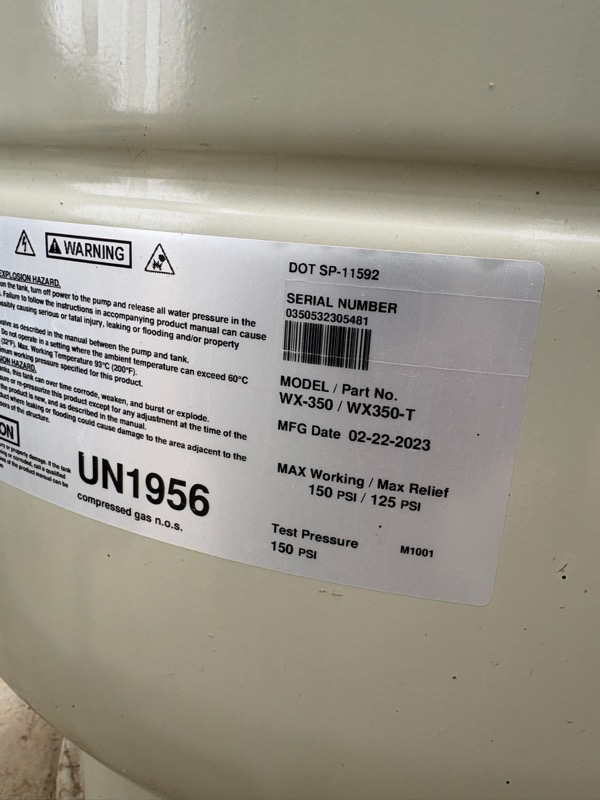
Pressure Tank Maintenance: Complete Guide
Keep your pressure tank working properly
Fixing Low Water Pressure in Imperial Beach
Imperial Beach is the southernmost beach city in San Diego County and on the entire West Coast of the continental United States, sitting on a low coastal plain between San Diego Bay, the Tijuana River estuary, and the Pacific. While the city itself is served by municipal water, the surrounding South Bay flats — the agricultural parcels and rural homesteads along the Tijuana River valley, the edges of the estuary, and the lower Otay basin — still include properties that rely on private wells and on-site pressure equipment. When that equipment falters and the water slows to a dribble, daily life suffers. Southern California Well Service brings founded in 2020 of South Bay water experience to every Imperial Beach call.
This is flat, low-lying coastal terrain. The aquifers beneath the Tijuana River valley and the bay margins sit in young alluvial sands, gravels, and silts, and the water table is relatively shallow compared to the inland mountains. Local wells often fall in the 80 to 250 foot range. But sitting at sea level next to a bay and an estuary brings unique challenges: salinity intrusion near the margins, iron and manganese in the sediments, and fine silt that loves to clog screens and filters. Knowing this coastal hydrology lets us recommend the right solution instead of a generic fix.
We always start by figuring out what is actually wrong. A weak shower in Imperial Beach can be a $200 pressure switch, a waterlogged tank, a clogged filter, or a tired pump — and you should never pay for a new pump when a cheap part was the culprit. We measure water level, time the pump's draw-down and recovery, check the tank's air pre-charge, and inspect the wellhead and wiring before quoting a single repair.
How Your Pressure System Delivers Water
On a private system, water does not arrive pressurized on its own. A pump lifts water into a pressure tank, where a sealed air charge presses on the water so your taps flow steadily. A pressure switch turns the pump on and off, typically holding 40 to 60 PSI. On lower-yield properties, a booster pump or constant-pressure system may sit between the source and the house to keep pressure comfortable. Low pressure means one of these links has slipped — and identifying which is the heart of good diagnosis.
Common Causes of Low Pressure Around Imperial Beach
- Failed pressure tank bladder. The most common cause we see. A ruptured bladder makes pressure surge and sag and the pump short-cycle. Coastal humidity and salt air shorten tank life here.
- Salt-air corrosion. Sea air pits switch contacts and rusts fittings, throttling flow and tripping systems early. We use corrosion-resistant parts for a reason.
- Iron, manganese, and silt. The river-valley sediments carry minerals and fine silt that coat screens, clog cartridge filters, and stain fixtures.
- Undersized or worn booster pump. On properties that depend on a booster, a tired pump cannot hold pressure once two fixtures run at once.
- Old galvanized plumbing. Older South Bay homes often have steel pipe that scales shut internally, choking pressure no matter how healthy the pump is.
- Salinity near the estuary and bay. Close to the water, brackish influence accelerates corrosion and scaling on equipment.
Simple Checks You Can Make First
- One fixture or all of them? Weak flow at a single tap usually means a clogged aerator. Whole-house loss points upstream to the pump, tank, or main line.
- Read the gauge. A healthy system cycles between roughly 40 and 60 PSI. Stuck-low or wildly swinging readings are a strong clue.
- Tap the tank. Hollow on top and solid on the bottom is normal; full-sounding to the top means the bladder is gone.
- Watch the pump cycle. Rapid on-off clicking points to a waterlogged tank or a failing switch.
- Change the sediment filter. A clogged cartridge is a cheap, common cause of sudden pressure loss — swap it and see if flow returns.
If those come up clean but pressure stays weak, the cause is deeper and a licensed professional should take over.
When to Call Us
Reach out right away if you have no water, see discolored or sandy water, smell something burning near the controls, or hear the pump running nonstop. Those signs point to pump failure, electrical faults, or a system leak — problems that require a C-57 licensed well contractor and the right equipment. Pulling a pump or rewiring a control box is never a safe DIY project; the risk to you and the equipment is too high.
Why Sea-Level Wells Need Special Attention
Imperial Beach sits right at sea level, and that changes how a well behaves. The closer a well is to the bay and the Pacific, the more a homeowner has to watch for saltwater intrusion — over-pumping a shallow coastal well can actually pull brackish water toward the screen, raising salinity and accelerating corrosion on every metal component downstream. We balance pump sizing against the well's sustainable yield so you get strong pressure without quietly degrading your own water source. It is the kind of judgment call that only comes from years of working coastal South Bay systems.
Repair Costs in the Imperial Beach Area
We price honestly and explain every line. Typical ranges:
- Pressure switch replacement: $150–$350
- Pressure tank replacement: $600–$1,500
- Pump replacement: $2,500–$5,500
- Sediment filtration: $300–$900
- Iron / manganese filtration or softener: $1,500–$3,500
- Constant-pressure or booster system: $2,000–$4,500
- Well abandonment or decommissioning: $1,500–$5,000
- New turnkey well: $18,000–$42,000
Every visit begins with a flat $125 diagnostic, fully credited toward any repair we complete. No guesswork billing, ever.
Serving Imperial Beach and the South Bay
From our Ramona and Anza offices we cover Imperial Beach and the surrounding South San Diego communities — the Tijuana River valley, the estuary edges, Egger Highlands, Nestor, Palm City, and the rural parcels reaching toward Chula Vista. Because the South Bay is part of our regular route, we carry coastal-rated parts and can often finish a repair the same day we diagnose it. When the water stops in IB, a fast emergency response is one call away. We also keep job sites clean and tidy in this built-up beach community, protect landscaping, and walk you through exactly what we did before we leave.
Frequently Asked Questions
Does living at the coast in Imperial Beach affect my well equipment?
Yes. Salt-laden ocean and bay air corrodes fittings, switches, and tank shells faster than inland, and shallow coastal aquifers carry more iron and silt. We install corrosion-resistant components and the right filtration for sea-level conditions.
Why does my pressure drop when the family showers in the morning?
Peak demand exposes a tank or pump that can no longer keep up. A waterlogged tank empties fast and a worn pump cannot refill it quickly, so pressure sags when several fixtures run. We size the fix to your real household demand.
How deep are wells near Imperial Beach?
Because the water table along the Tijuana River valley and bay is relatively shallow, many local wells fall in the 80 to 250 foot range. Depth affects pump choice and whether a booster makes sense, so we review your well log when one exists.
Could it just be old galvanized pipe?
Often, yes. Many older South Bay homes still have steel plumbing that corrodes and narrows from the inside, strangling flow even when the well and tank are fine. We can isolate the piping to confirm before recommending bigger work.
Do you respond to Imperial Beach the same day?
Whenever possible, yes. Imperial Beach is within our regular South Bay service area. Call (760) 440-8520 or text (760) 219-5877 and we will dispatch a technician.
What does diagnosis cost?
A flat $125, credited toward any repair we perform. You get honest answers and clear options before any work begins.
Will a constant-pressure system work well in Imperial Beach?
For many coastal South Bay homes, yes. A constant-pressure (variable-speed) system maintains steady pressure no matter how many fixtures are open and reduces the hard on-off cycling that wears out conventional pumps and tanks in this corrosive sea-air environment. We will tell you honestly whether your property is a good candidate or whether a simpler tank-and-switch repair will solve it for less.
Restore Your Water Pressure in Imperial Beach
Licensed C-57 contractor, founded 2020, CSLB #1086994 service across San Diego County.
Call (760) 440-8520