
Low Water Pressure Solutions in Jacumba
Dealing with weak water pressure in Jacumba? Low water pressure can make showers frustrating and appliances ineffective. Our team diagnoses the root cause and restores your water pressure fast.
📋 In This Guide
Need Low Water Pressure Solutions in Jacumba?
We serve Jacumba and all of San Diego County. Licensed C-57 contractor (CSLB #1086994), founded 2020.
Call: (760) 440-8520Our Low Water Pressure Solutions Services
- Pressure tank repair and replacement
- Pressure switch adjustment
- Pump upgrades for better pressure
- Constant pressure systems
- Booster pump installation
- Clogged pipe diagnosis
- Well yield testing
- Complete system evaluation
Why Jacumba Chooses SCWS
✓ Local Expertise
We know San Diego County geology and wells
✓ Fast Response
Same-day service for Jacumba
✓ Fair Pricing
Honest quotes, no surprises
✓ Quality Work
CSLB #1086994 · founded 2020
Our Locations
Related Articles
Continue learning about well maintenance and troubleshooting
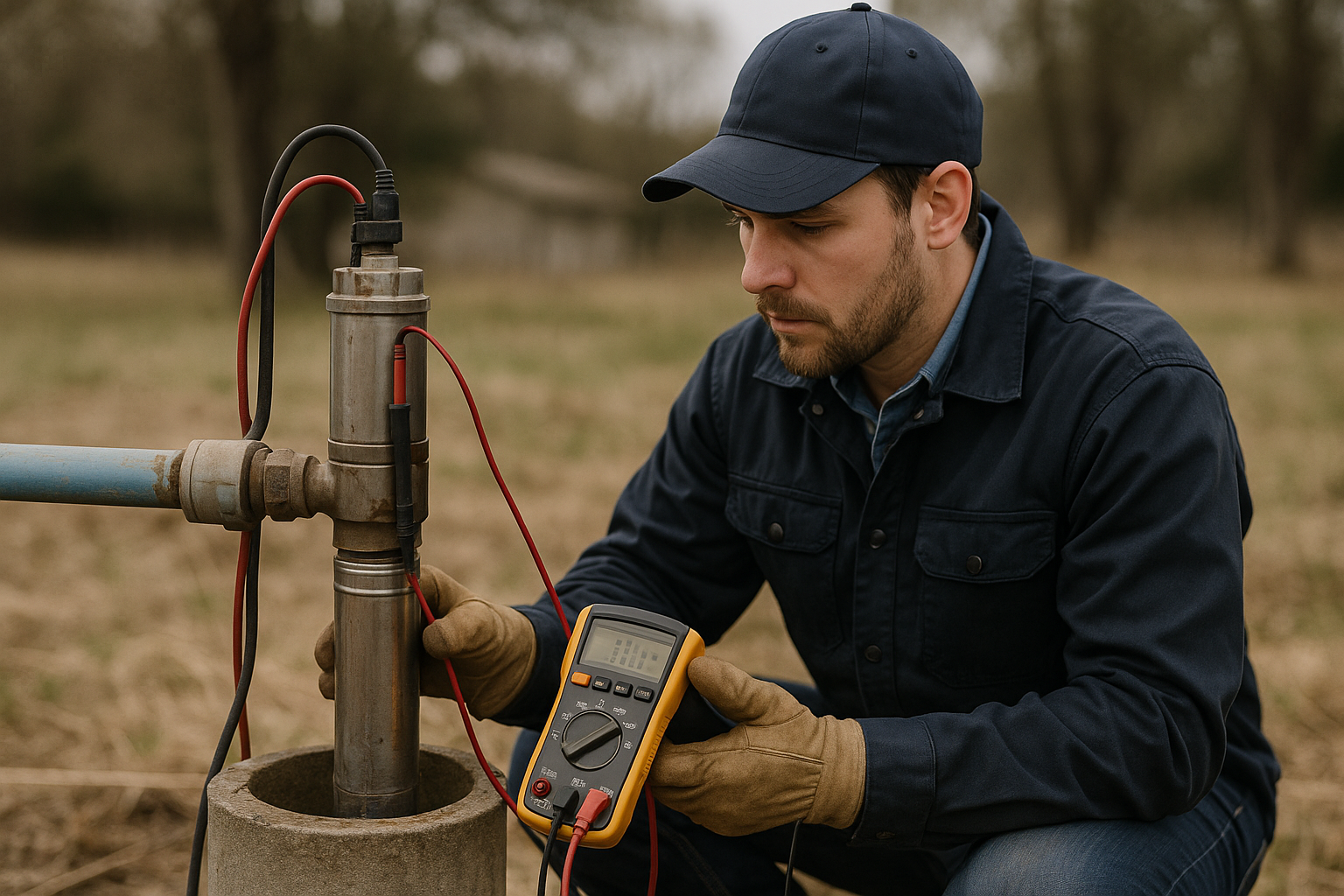
Low Water Pressure From Well: Complete Fix Guide
Diagnose and solve low pressure problems
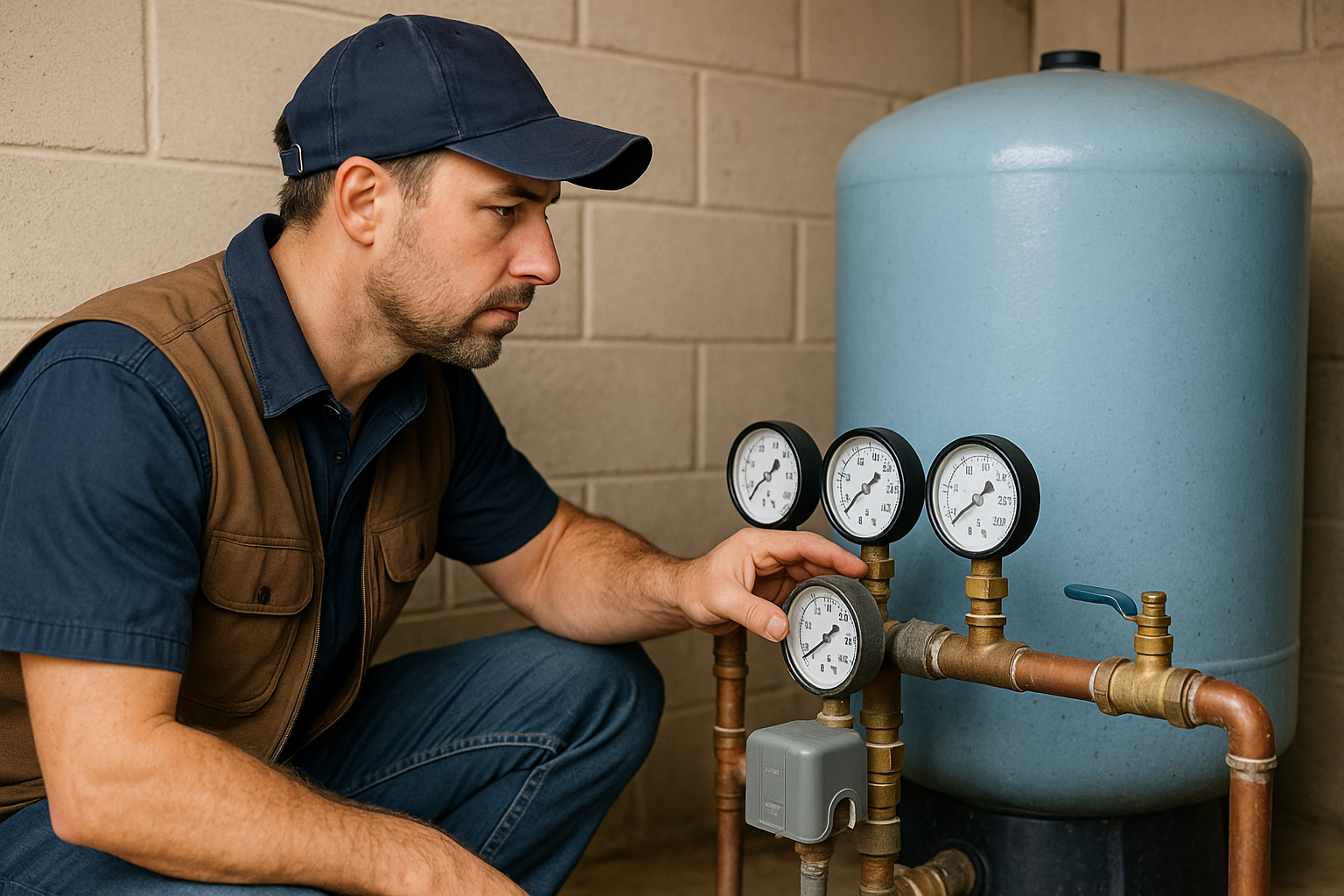
Well Pressure Switch: Settings, Adjustment & Replacement
Everything about pressure switches
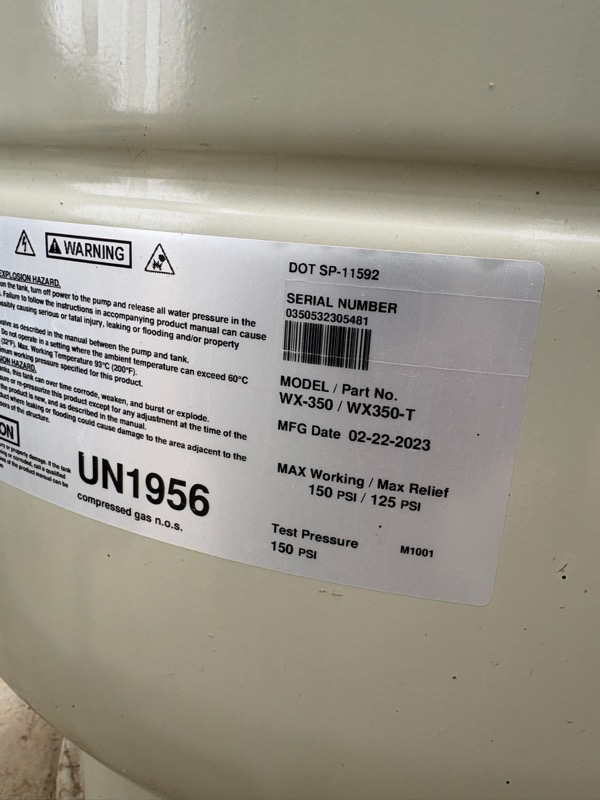
Pressure Tank Maintenance: Complete Guide
Keep your pressure tank working properly
Reliable Well Pressure Solutions for Jacumba's Desert Backcountry
Jacumba Hot Springs sits at roughly 2,800 feet in the far southeastern corner of San Diego County, pressed right up against the Mexican border and the edge of the Sonoran Desert. It is genuine backcountry — a small, remote community of homesteads, hot-spring properties, and off-grid parcels where the nearest water main may be many miles away and almost everyone depends on a private well. When pressure drops out here, you cannot simply switch to city water as a backup. That is why Jacumba residents call Southern California Well Service, a licensed C-57 contractor with since 2020 of experience keeping backcountry wells running.
The Geology Beneath Jacumba
Jacumba lies in a desert-to-mountain transition zone within the Peninsular Ranges. The ground here is dominated by weathered and fractured granitic and crystalline bedrock with thin pockets of alluvium in the valley bottoms. Unlike the deep sandy aquifers of the Coachella Valley, water in Jacumba is often stored in the cracks and fractures of hard rock rather than in a generous porous layer. That makes well yield highly variable from one parcel to the next — one property may strike a productive fracture and another a few hundred feet away may struggle. Depths vary widely, from under 100 feet near a good fracture to well over 400 feet on a tougher lot. The desert climate compounds the challenge: rainfall is sparse, recharge is slow, and water tables can drop noticeably through a dry summer or a multi-year drought.
The water that does come up tends to be hard and mineral-laden, picking up calcium, magnesium, and sometimes sulfur from the surrounding rock and the area's famous geothermal activity. Scale and grit are constant companions for Jacumba well equipment.
Common Reasons Jacumba Wells Lose Pressure
Out here the causes of low pressure cluster around the fractured-rock geology and the area's isolation:
- Marginal fracture yield: A well fed by a thin fracture network can simply run low during dry months, so the pump draws the water level down faster than the rock refills it and pressure sags.
- Scale buildup: Mineral-rich backcountry water coats pump impellers, tank interiors, and pressure-switch ports, slowly choking off flow.
- Aging or undersized pumps: A pump that was right for the original water level may no longer reach a fallen water table, especially on deeper Jacumba wells.
- Power instability: Remote desert power can sag and surge, and unstable voltage keeps a pump motor from delivering full pressure.
- Pressure tank failure: Hard water shortens the life of a tank bladder; once it fails the pump short-cycles and pressure swings wildly.
Practical Checks Before You Call
Start at the pressure tank and gauge. Watch a full cycle — a sound system should swing within about a 20 PSI window between 40 and 60 PSI and shut off cleanly. Knock on the tank: a hollow ring up top and a dull thud at the bottom is normal; a dull thud everywhere means a waterlogged tank. Replace or inspect any sediment filter cartridge, which clogs fast on Jacumba's gritty water. Note whether pressure dropped suddenly (think pump or pressure switch) or faded gradually over weeks (think scale, a worn pump, or a falling water table). Leave the wellhead wiring, the control box, and any deep work to a professional — those carry live voltage and the risk of dropping equipment down the casing.
When a Professional Is the Right Call
Because Jacumba is so remote, do not let a problem fester. Call us if you have no water at all, if the pump runs without building pressure, if you hear grinding or rapid cycling, or if the water turns cloudy or sandy. We provide same-day emergency response whenever we can — losing water at the desert's edge is not something to ride out. Persistent low pressure after the simple checks usually means a worn pump, a failed tank, or a yield problem that needs flow testing and amp draw measurement to diagnose correctly.
What Repairs Cost in Jacumba
We begin with a $125 diagnostic that is credited toward any repair. Typical pricing: pressure switch $150 to $350; pressure tank $600 to $1,500 installed; replacement pump $2,500 to $5,500 depending on depth; sediment filtration $300 to $900; a softener or iron and manganese system $1,500 to $3,500; and a constant-pressure or booster setup $2,000 to $4,500. For a fractured-rock well with a marginal yield, hydrofracturing — injecting high-pressure water to open and connect the rock fractures — runs $3,000 to $8,000 and is often the most cost-effective way to wake up a tired Jacumba well. A complete turnkey replacement well runs $18,000 to $42,000, and decommissioning an abandoned well runs $1,500 to $5,000.
Serving Jacumba and the East County Backcountry
From our Ramona and Anza offices we reach Jacumba Hot Springs, Boulevard, Campo, and the surrounding border backcountry of San Diego County. With CSLB #1086994 and full C-57 licensing, we know how fractured-rock desert wells behave and how to keep them producing the steady pressure your remote property depends on.
Keeping a Remote Jacumba Well Healthy Year-Round
In a place as isolated as Jacumba, preventive care is worth far more than emergency repair. We advise owners to check the pressure tank's air charge a few times a year and keep it roughly 2 PSI under the pump's cut-in setting, because a waterlogged tank quietly destroys pumps. Replace sediment cartridges on a set schedule rather than waiting for the flow to drop, since the gritty, mineral-heavy water out here loads them quickly. During dry summers, ease off non-essential irrigation so a fracture-fed well is not drawn down faster than it can recharge, and consider a storage tank that lets a modest well fill a buffer overnight for use during the day. An annual inspection that includes a flow test tells us whether the water level is holding or slipping, which is exactly the information needed to decide between a deeper pump setting, hydrofracturing, or simply staying the course.
Because power can be unreliable in the backcountry, we also check the condition of the capacitor, control box, and wiring on every visit and recommend surge protection for the pump circuit. Small steps like these keep a Jacumba well dependable through the dry season and spare owners the worst-case scenario of running dry miles from the nearest help. Our Ramona and Anza offices let us reach the border backcountry and keep your remote system running.
Planning for Water Security in the Border Backcountry
Living miles from the nearest help changes how a smart Jacumba owner thinks about their well. Because a fractured-rock well can dip in a dry year and because parts and crews are not minutes away, water security here is built on storage and redundancy rather than on squeezing maximum flow from the borehole. We frequently recommend pairing a modest well with a storage tank and a booster pump: the well fills the reserve steadily around the clock, and the booster delivers strong household pressure on demand even when the well itself is producing only a few gallons a minute. That buffer also keeps you covered through the power flickers and outages that come with remote desert living. When we assess a Jacumba property, we weigh the well's sustainable yield against your real demand, your elevation, and the space available for storage, then design a system meant to keep water flowing through the dry season and the next one after it. Out here, planning ahead is not optional — it is what keeps a remote home livable.
Frequently Asked Questions
Why does my Jacumba well yield change so much through the year?
Jacumba wells often draw from cracks in fractured granite rather than a deep porous aquifer, so yield depends on how much water those fractures hold. During dry summers and droughts the fractures refill slowly, and a well that was strong in winter can run low by late summer, dragging pressure down with it.
Can hydrofracturing improve my low-yield Jacumba well?
Often, yes. Hydrofracturing injects high-pressure water to open and connect existing rock fractures around the borehole, which can meaningfully increase flow in the fractured-granite geology common to Jacumba. It typically runs $3,000 to $8,000 and is usually far cheaper than drilling a new well.
How deep are wells in Jacumba?
It varies a great deal because the geology is fractured rock. Some Jacumba wells hit a good fracture under 100 feet, while others must go past 400 feet to find reliable water. The depth on your parcel determines the pump and the pressure setup you need.
Is unstable power causing my pressure problems?
It can be. Remote backcountry power around Jacumba can sag and surge, and weak voltage keeps a pump motor from building full pressure while also stressing the capacitor and control box. We test the electrical supply as part of our diagnostic.
Do you really come all the way out to Jacumba?
Yes. We regularly serve Jacumba Hot Springs and the east county backcountry from our Ramona and Anza offices, and we offer same-day emergency response when possible because losing water in such a remote area is serious. Call (760) 440-8520 or text (760) 219-5877.
What can I check myself before calling?
Watch your pressure gauge through a pump cycle, knock on the pressure tank to check for waterlogging, and inspect your sediment filter cartridge, which clogs quickly on Jacumba's gritty water. Avoid opening the wellhead or control box, since those involve live electricity and risk to your equipment.