
Low Water Pressure Solutions in Jamul
Dealing with weak water pressure in Jamul? Low water pressure can make showers frustrating and appliances ineffective. Our team diagnoses the root cause and restores your water pressure fast.
📋 In This Guide
Need Low Water Pressure Solutions in Jamul?
We serve Jamul and all of San Diego County. Licensed C-57 contractor (CSLB #1086994), founded 2020.
Call: (760) 440-8520Our Low Water Pressure Solutions Services
- Pressure tank repair and replacement
- Pressure switch adjustment
- Pump upgrades for better pressure
- Constant pressure systems
- Booster pump installation
- Clogged pipe diagnosis
- Well yield testing
- Complete system evaluation
Why Jamul Chooses SCWS
✓ Local Expertise
We know San Diego County geology and wells
✓ Fast Response
Same-day service for Jamul
✓ Fair Pricing
Honest quotes, no surprises
✓ Quality Work
CSLB #1086994 · founded 2020
Our Locations
Related Articles
Continue learning about well maintenance and troubleshooting
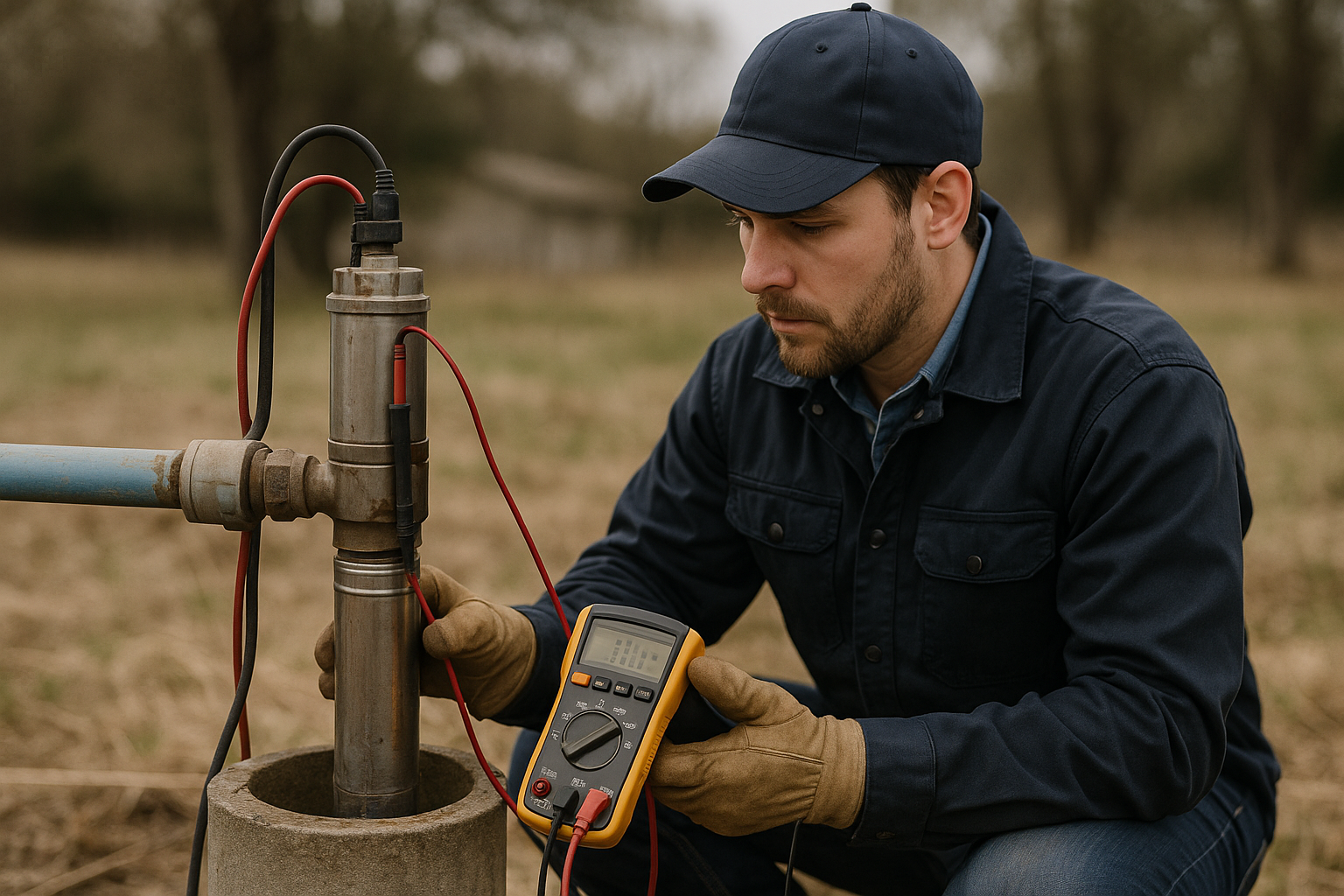
Low Water Pressure From Well: Complete Fix Guide
Diagnose and solve low pressure problems
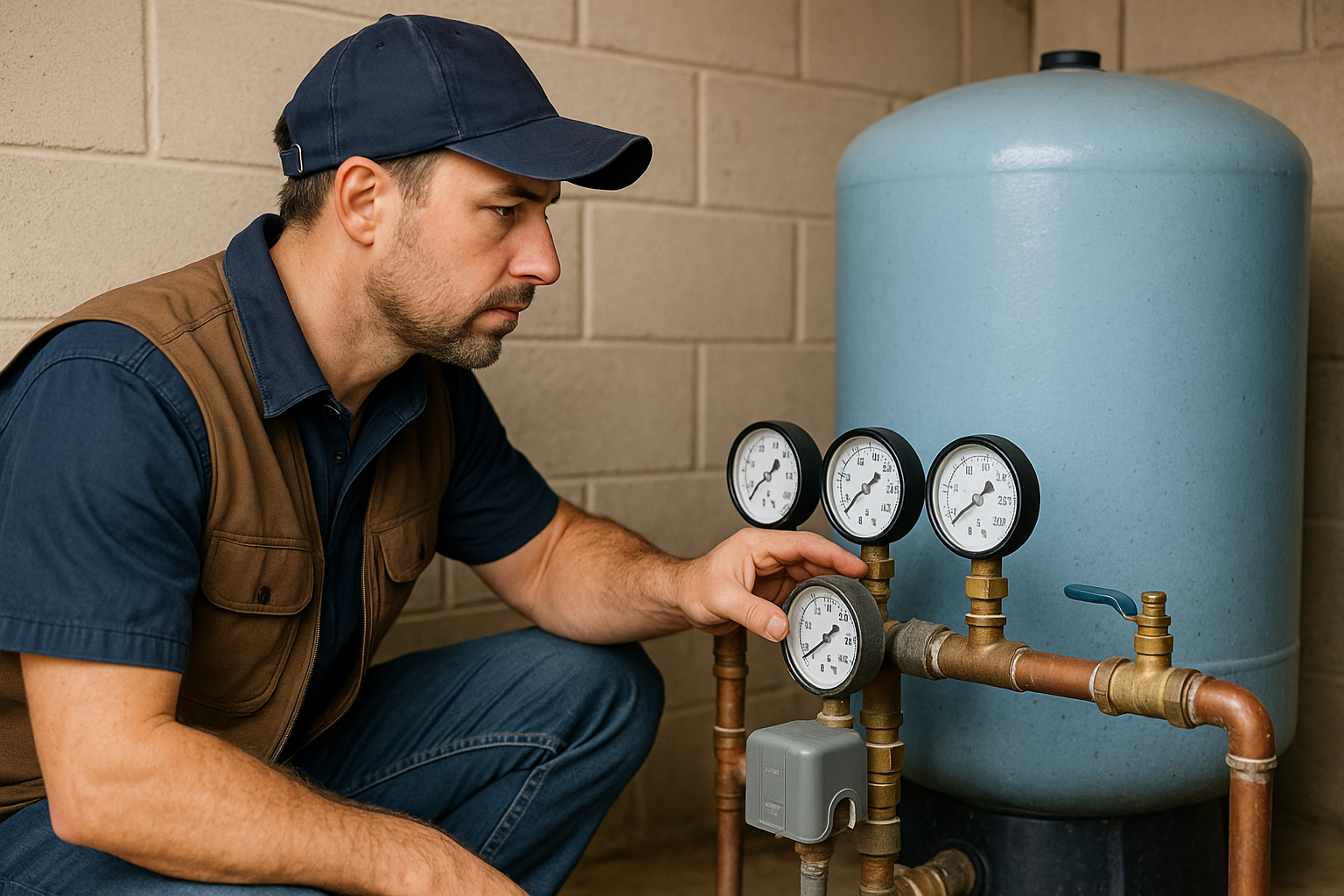
Well Pressure Switch: Settings, Adjustment & Replacement
Everything about pressure switches
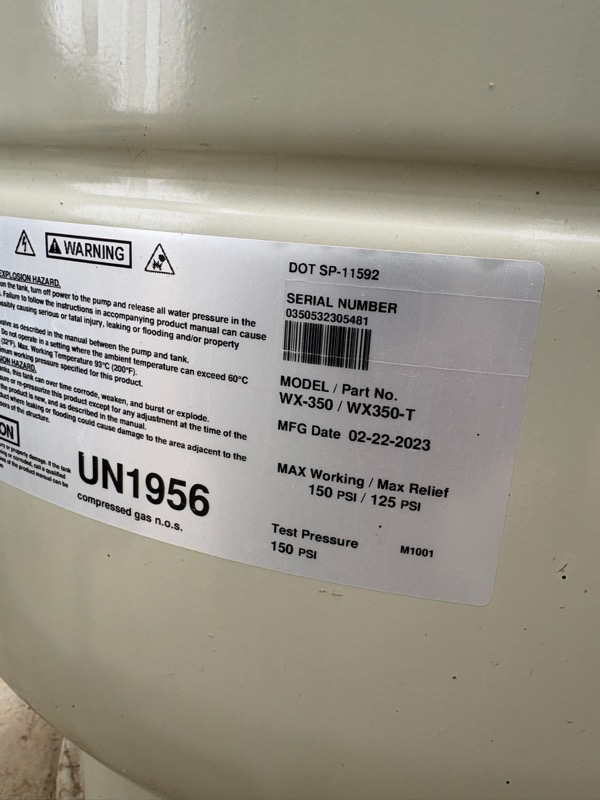
Pressure Tank Maintenance: Complete Guide
Keep your pressure tank working properly
Steady Well Pressure for Jamul's Ranch Country
Jamul is classic San Diego County ranch country — rolling hills, oak-dotted canyons, and large rural parcels spread across the Jamacha and Dulzura areas southeast of El Cajon. Many homes here sit well beyond the reach of municipal water mains, so a private well and a pressure tank are the heart of the property. Add in the horses, the orchards, and the irrigated pasture that come with rural living, and the demand on a Jamul well is anything but light. When the pressure sags, the whole place feels it. Southern California Well Service has helped Jamul property owners keep that pressure steady since 2020.
Jamul's Hilly Terrain and What It Does to Water Pressure
Jamul sits on the western foothills of the Peninsular Ranges, where the bedrock is largely decomposed granite and fractured crystalline rock with thin alluvial fill in the valley bottoms. Two features of this landscape directly affect pressure. First, like other fractured-rock areas, groundwater is stored in cracks rather than a deep sandy aquifer, so yields vary widely from parcel to parcel and wells commonly run anywhere from 100 to 400 feet deep. Second — and this is what sets Jamul apart from flatter areas — the terrain is genuinely hilly. Water often has to be pumped uphill to a house or barn perched above the well, and every foot of elevation gain costs you roughly half a PSI. A pump that delivers fine pressure at the wellhead can arrive at a hilltop fixture weak and disappointing.
The decomposed granite also means gritty, sediment-heavy water that wears pumps and packs sediment filters, while the area's hard water leaves scale in tanks and lines.
Why Jamul Wells Run Low on Pressure
The service calls we make in Jamul tend to come down to these culprits:
- Elevation loss across the property: Pumping uphill to a hilltop home or a distant barn drops pressure at the far end, and a system never sized for the climb will always feel weak there.
- Grit-worn pumps: Decomposed-granite sediment abrades pump impellers, so output and pressure fall off as the pump ages.
- Low yield in dry months: Fractured-rock wells can drop below 3 gallons per minute during a dry San Diego summer, short of the 5 to 10 GPM many ranch properties need.
- Clogged sediment filters and lines: Fine granite sediment chokes cartridges and long irrigation runs serving pasture and orchards.
- Pressure tank and switch failures: Hard water shortens tank-bladder life and scales the pressure switch, causing rapid cycling and erratic pressure.
- Underground leaks: Shifting soils on sloped lots can crack buried lines, bleeding pressure into the ground where it is hard to spot.
What You Can Check Before Calling
Compare pressure at a fixture near the well with one at the highest or most distant point on the property — a big difference points to elevation loss or a leak rather than a well problem. Watch the pressure gauge through a cycle; it should swing within about 20 PSI between 40 and 60 and shut off cleanly. Knock on the pressure tank to check for a waterlogged, dull thud throughout. Swap a clogged sediment cartridge, which fills fast with Jamul's granite grit. Walk your irrigation lines for unexplained wet spots or unusually green patches that can betray a buried leak. Stay clear of the wellhead wiring and control box — those are professional, live-voltage tasks.
When to Bring in a Professional
Call Southern California Well Service if pressure drops suddenly, if the pump cycles rapidly on and off, if you have lost water entirely, if the water turns cloudy or sandy, or if low pressure persists after you have changed the filter and checked the tank. Rapid cycling in particular should not be ignored — it burns out pumps quickly, and a replacement is far costlier than the repair that would have prevented it. We offer same-day emergency response for Jamul.
Jamul Repair Costs
We start with a $125 diagnostic, credited toward any repair we do. Typical Jamul pricing: pressure switch $150 to $350; pressure tank $600 to $1,500 installed; replacement pump $2,500 to $5,500 depending on depth and horsepower; sediment filtration $300 to $900; a water softener or iron and manganese system $1,500 to $3,500; and a constant-pressure or booster pump system $2,000 to $4,500 — the last is especially valuable for hilltop homes where the climb steals pressure. For a low-yield fractured-rock well, hydrofracturing runs $3,000 to $8,000; a complete replacement well runs $18,000 to $42,000; and decommissioning an old well runs $1,500 to $5,000.
Serving Jamul and Southeast San Diego County
From our Ramona and Anza offices we serve Jamul along with Dulzura, Jamacha, Rancho San Diego, and the surrounding ranch country. As a CSLB #1086994, C-57 licensed well contractor, we understand both the fractured-rock geology and the uphill plumbing challenges of Jamul, and we size every solution to your terrain.
Year-Round Maintenance for Jamul Ranch Wells
Preventive maintenance is the cheapest insurance a Jamul property owner can buy. We suggest checking the pressure tank's air charge two or three times a year and keeping it about 2 PSI below the pump's cut-in pressure, since a waterlogged tank drives the rapid cycling that burns out pumps. Replace sediment filters on a schedule to keep granite grit from packing the cartridge and starving your flow. On hilly properties, have us confirm the pressure setup actually accounts for the climb to your highest fixture rather than just the reading at the wellhead. During dry summers, ease back on pasture and landscape irrigation so a fracture-fed well is not pushed below its sustainable yield, and consider a storage tank to bank water for peak demand.
An annual well checkup with a flow test is especially valuable in Jamul, because it reveals whether your yield is slipping toward the 3-GPM range that signals trouble for a busy ranch. Catching that early lets us plan a fix — hydrofracturing, a better-matched pump, or storage — before you are caught short during foaling season or a hot August weekend. With our Ramona and Anza offices and decades of east county experience, we keep Jamul's ranch wells producing the steady pressure that horses, orchards, and households all depend on.
Sizing a Well System for a Working Jamul Property
One thing that sets Jamul apart from a typical suburban lot is the sheer variety of water demand on a single property. A home with horses, a few fruit trees, a vegetable garden, and irrigated pasture can swing from near-zero use overnight to a heavy simultaneous draw on a summer morning. That variability is exactly where many older Jamul systems fall down: a pump and tank sized decades ago for a smaller household simply cannot keep pressure up when the barn hydrant, the house, and the irrigation timer all run at once. When we evaluate a Jamul property, we look at the whole picture — peak demand, the well's sustainable yield, the elevation between the well and the highest fixture, and the storage available — and we right-size the solution rather than just swapping a part. Sometimes that means a constant-pressure pump that ramps up smoothly with demand; sometimes it means adding a storage tank and a booster so a modest fracture-fed well can serve a busy ranch without being overdrawn. Matching the system to how you actually use water is the most reliable way to make weak pressure a thing of the past.
Frequently Asked Questions
Why is my water pressure fine at the well but weak up at the house?
Jamul's hilly terrain is the usual reason. Water loses roughly half a PSI for every foot it has to climb, so a home or barn perched above the well can receive noticeably weaker pressure. A correctly sized constant-pressure or booster pump system solves this by compensating for the elevation gain.
How deep are wells in Jamul?
Most Jamul wells run between 100 and 400 feet deep. Because the area is fractured granite rather than a deep sandy aquifer, depth and yield vary widely from one parcel to the next, which is why a proper assessment matters before sizing a pump.
My well seems to run low every summer. Is that normal here?
It is common in Jamul. Fractured-rock wells can fall below 3 gallons per minute during a dry San Diego summer, which is short of what most ranch properties need. We can flow-test the well and recommend options such as a storage tank, hydrofracturing, or a better-matched pump.
Why does my Jamul well water look gritty?
Decomposed granite is widespread in Jamul, so fine sediment is drawn into the system. Grit wears down pump impellers and clogs filters and lines. A good sediment filtration setup protects your equipment and helps keep pressure stable.
Could a buried leak be causing my low pressure?
Yes. On Jamul's sloped lots, shifting soil can crack buried water lines, and the leaking pressure disappears into the ground. Watch for unexplained wet spots or unusually green patches along your lines, and we can pinpoint hidden leaks with proper detection tools.
Do you offer emergency service in Jamul?
Yes. We provide same-day emergency response for Jamul whenever possible, because a rural property without water cannot simply switch to a city backup. Call (760) 440-8520 or text (760) 219-5877 and we will get a technician headed your way.