
Low Water Pressure Solutions in Jurupa Valley
Dealing with weak water pressure in Jurupa Valley? Low water pressure can make showers frustrating and appliances ineffective. Our team diagnoses the root cause and restores your water pressure fast.
📋 In This Guide
Need Low Water Pressure Solutions in Jurupa Valley?
We serve Jurupa Valley and all of Riverside County. Licensed C-57 contractor (CSLB #1086994), founded 2020.
Call: (760) 440-8520Our Low Water Pressure Solutions Services
- Pressure tank repair and replacement
- Pressure switch adjustment
- Pump upgrades for better pressure
- Constant pressure systems
- Booster pump installation
- Clogged pipe diagnosis
- Well yield testing
- Complete system evaluation
Why Jurupa Valley Chooses SCWS
✓ Local Expertise
We know Riverside County geology and wells
✓ Fast Response
Same-day service for Jurupa Valley
✓ Fair Pricing
Honest quotes, no surprises
✓ Quality Work
CSLB #1086994 · founded 2020
Our Locations
Related Articles
Continue learning about well maintenance and troubleshooting
Low Water Pressure From Well: Complete Fix Guide
Diagnose and solve low pressure problems
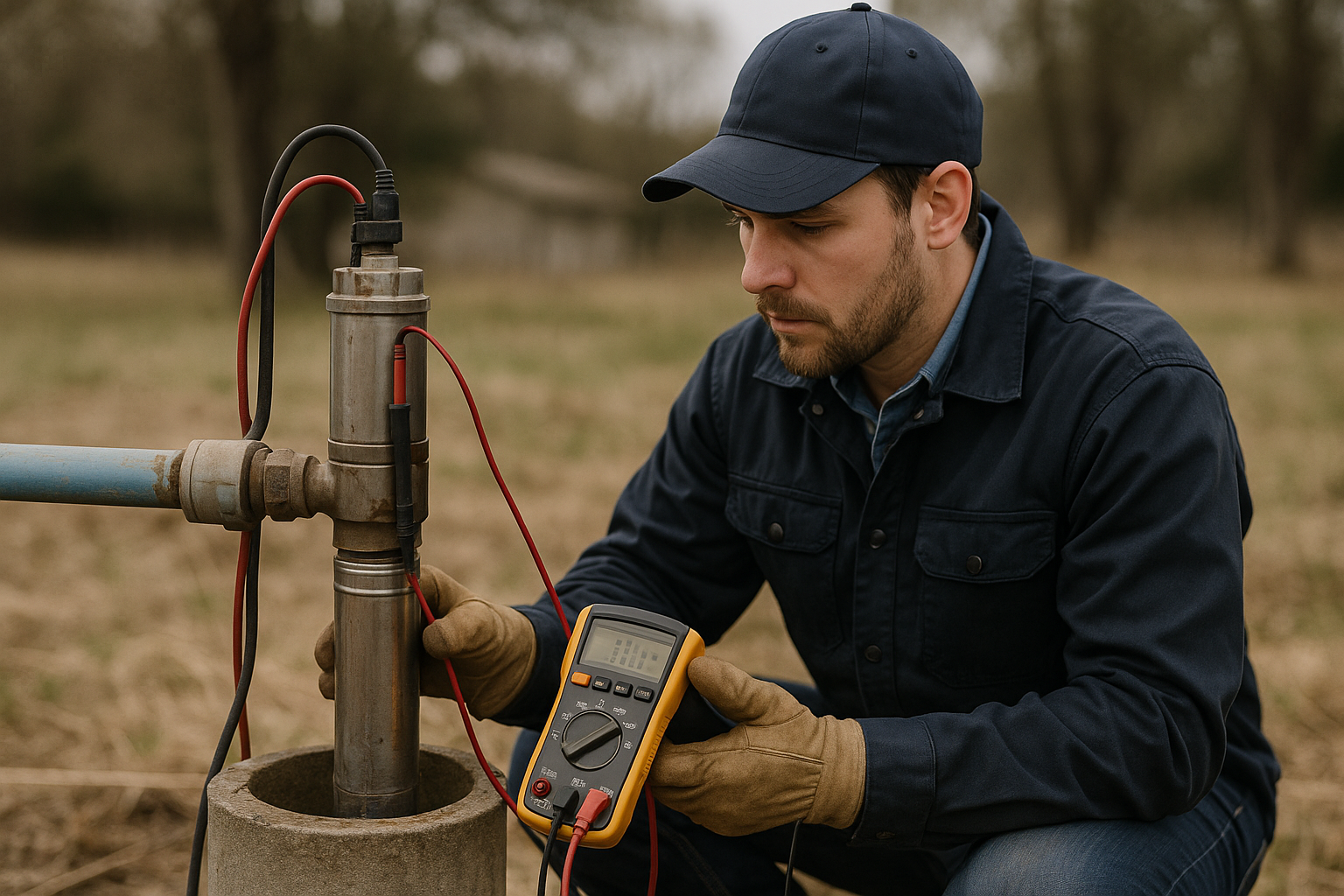
Well Pressure Switch: Settings, Adjustment & Replacement
Everything about pressure switches
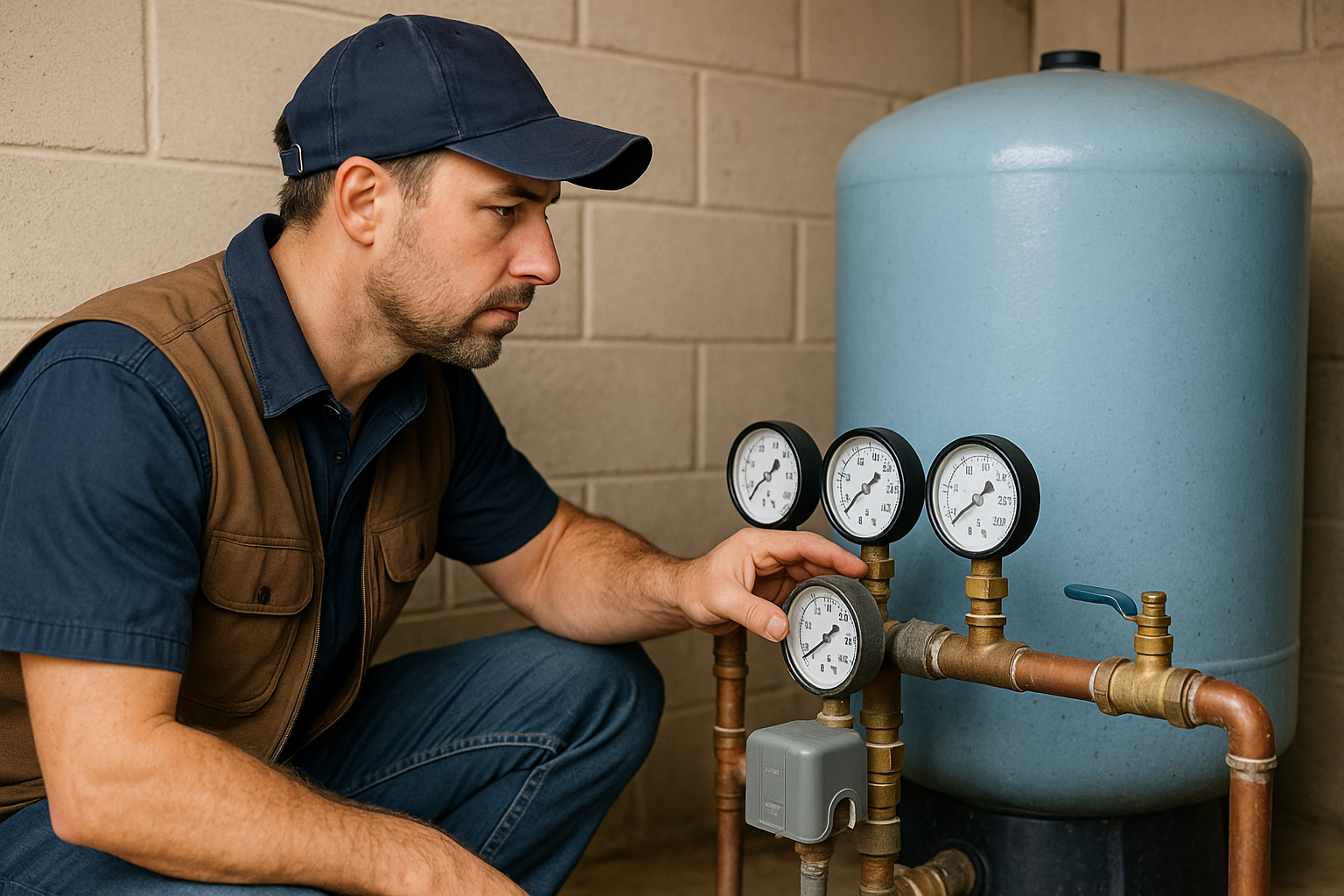
Pressure Tank Maintenance: Complete Guide
Keep your pressure tank working properly
Well Pressure Solutions for Jurupa Valley Properties
Jurupa Valley is one of Riverside County's newest cities, incorporated in 2011 and spread across roughly 44 square miles of northwestern Riverside County along the Santa Ana River. It is a patchwork of established communities — Mira Loma, Glen Avon, Pedley, Rubidoux, Sunnyslope, Indian Hills, and Jurupa Hills — that blends suburban neighborhoods with a strong rural and equestrian streak. Plenty of the larger lots, horse properties, and older parcels here still run on private wells. For those owners, low water pressure is a real disruption, and Southern California Well Service brings founded in 2020 of Inland Empire well experience to fixing it.
How Jurupa Valley's Setting Shapes Well Performance
Jurupa Valley straddles the Santa Ana River corridor and the rocky Jurupa Hills, which gives it two distinct kinds of well territory. Down along the river bottom and the broad alluvial flats of Mira Loma and Pedley, wells tap sand-and-gravel deposits laid down by the Santa Ana River — relatively productive, but also a source of sand and silt that finds its way into pumps and filters. Up in the hillier ground around Jurupa Hills, Rubidoux, and Indian Hills, wells reach into harder, more fractured rock where yields are less predictable and water often has to be lifted to homes set above the well. Across the whole area, decades of regional groundwater pumping and the Inland Empire's hot, dry summers keep pressure on the water table.
The groundwater is generally hard, and in parts of the basin it carries elevated minerals — including nitrate from the area's agricultural and dairy history — that contribute to scale in tanks, pumps, and plumbing. Hard-water scale and river-borne sediment are the recurring themes in Jurupa Valley pressure problems.
Why Jurupa Valley Wells Lose Pressure
The low-pressure causes we see most across Jurupa Valley include:
- Sediment-worn pumps: Sand from the Santa Ana River alluvium abrades impellers, so an older pump gradually loses the punch it needs to hold pressure.
- Scaled tanks and switches: Hard Inland Empire water coats pressure tanks and clogs the pressure-switch port, producing erratic cycling and low cut-out pressure.
- Clogged sediment filters: River sediment packs cartridges quickly, and a neglected filter quietly strangles flow.
- Hillside elevation losses: In Jurupa Hills and Rubidoux, pumping uphill to a home above the well costs pressure at the top fixtures.
- Declining water table: Heavy regional pumping and dry summers can lower the static level below what an older pump was set for, causing short-cycling.
- Aging infrastructure: Many Jurupa Valley wells and tanks date back decades, and worn components simply cannot maintain modern household demand.
Checks a Jurupa Valley Owner Can Make
Look at your pressure gauge through a full pump cycle — it should swing about 20 PSI within the 40 to 60 PSI band and cut off cleanly. Knock on the pressure tank; a dull thud from top to bottom means it is waterlogged. Replace a dirty sediment filter cartridge, which clogs fast on river-fed wells. If only one fixture is weak, clean its aerator — that is a plumbing issue, not a well issue. On a hillside lot, compare pressure low near the well to pressure up at the house to gauge elevation loss. Keep away from the wellhead wiring and control box, which carry live voltage and risk dropping the pump.
When to Call Southern California Well Service
Reach out if pressure drops suddenly, if the pump short-cycles rapidly, if you lose water entirely, if the water turns sandy or discolored, or if low pressure persists after a filter change. Rapid cycling will burn out a pump, so it should never be ignored. We offer same-day emergency service across Jurupa Valley, and our diagnostic tools let us separate a simple switch or tank fix from a deeper pump or water-table issue.
Jurupa Valley Repair Costs
Every visit starts with a $125 diagnostic, credited toward any repair. Typical Jurupa Valley pricing: pressure switch $150 to $350; pressure tank $600 to $1,500 installed; replacement pump $2,500 to $5,500 depending on depth and horsepower; sediment filtration $300 to $900; a water softener or iron and manganese system $1,500 to $3,500; and a constant-pressure or booster system $2,000 to $4,500, ideal for hillside properties and homes with heavy irrigation. For a low-yield well, hydrofracturing runs $3,000 to $8,000; a complete turnkey replacement well runs $18,000 to $42,000; and decommissioning an abandoned well runs $1,500 to $5,000.
Serving Jurupa Valley and the Inland Empire
From our Ramona and Anza offices we serve Jurupa Valley and its neighborhoods — Mira Loma, Glen Avon, Pedley, Rubidoux, Sunnyslope, and Jurupa Hills — along with neighboring Eastvale, Norco, and Riverside. As a CSLB #1086994, C-57 licensed well contractor, we know both the river-bottom and the hillside wells of this region and tailor every fix accordingly.
Preventive Care for Jurupa Valley Wells
Staying ahead of trouble is far cheaper than reacting to it. We recommend that Jurupa Valley owners check the pressure tank's air charge two or three times a year, keeping it roughly 2 PSI below the pump's cut-in pressure so the tank does not short-cycle the pump. Replace sediment filter cartridges on a schedule, because river-fed wells load them with sand quickly and a clogged filter quietly steals pressure. If your water is hard or carries elevated minerals, a softener or scale-control system keeps impellers and switch ports clear and extends the life of the whole system. On hillside lots in Jurupa Hills or Rubidoux, have us verify that your pressure setup actually compensates for the uphill run to your highest fixture.
An annual well checkup with a flow test is worthwhile in this region, where heavy regional pumping and dry summers can lower the static water level over time. Catching a declining level early lets us re-set the pump depth or recommend a better-matched pump before your existing one starts breaking suction and short-cycling. Many Jurupa Valley wells and tanks are decades old, so an honest assessment of aging components prevents a small issue from snowballing into a no-water emergency. From our Ramona and Anza offices we keep Inland Empire wells running smoothly year after year.
Two Kinds of Jurupa Valley Wells, One Standard of Service
Because Jurupa Valley spans both the Santa Ana River bottom and the rocky Jurupa Hills, no two well jobs here look quite alike. A river-flat well in Mira Loma or Pedley is usually fighting sand and a fluctuating shallow water table, so the right answer often involves better sediment management and a pump matched to the seasonal level. A hillside well in Rubidoux or Jurupa Hills is more often fighting fractured-rock yield and the elevation climb to a home above the well, which points toward storage, a booster, or a constant-pressure system. When we arrive, we first establish which world your well lives in, then build the fix around it. That distinction matters because a generic, one-size repair frequently misses the real cause — replacing a perfectly good pump when the actual culprit was a sand-clogged filter, or chasing a switch problem when the water table had quietly dropped. Our job is to read your specific property correctly the first time, so you pay for the repair you actually need and your pressure stays solved.
Frequently Asked Questions
Are wells in Jurupa Valley fed by the Santa Ana River?
Many are. The river bottom and the alluvial flats around Mira Loma and Pedley sit over sand-and-gravel deposits laid down by the Santa Ana River, which makes for relatively productive wells but also draws sand into pumps and filters. Wells up in Jurupa Hills and Rubidoux tap harder fractured rock instead.
Why does my Jurupa Valley well water leave so much scale?
The groundwater across much of the Inland Empire is hard, and in parts of the Jurupa basin it carries elevated minerals from the area's farming and dairy history. That hardness builds scale in pressure tanks, pumps, and the pressure switch, which can drag down your pressure over time. A softener or scale-control system helps.
Why is my pressure weak only at the top of my hillside lot?
In the hilly parts of Jurupa Valley, water must be pumped uphill to homes set above the well, and pressure drops about half a PSI per foot of climb. A properly sized constant-pressure or booster pump restores strong pressure at the highest fixtures.
My pump turns on and off rapidly. Is that a problem?
Yes, rapid cycling is a warning sign. It usually means a waterlogged pressure tank or a failing pressure switch, and left alone it quickly burns out the pump motor. Have it checked promptly, because the repair is far cheaper than a pump replacement.
Do you provide same-day service in Jurupa Valley?
Yes. We offer same-day emergency service across Jurupa Valley and the surrounding Inland Empire whenever possible. Call (760) 440-8520 or text (760) 219-5877 and we will dispatch a technician as quickly as we can.
How do I know if I need a new pump or just a repair?
Our $125 diagnostic, credited toward any repair, tells us. Minor problems like a scaled switch or waterlogged tank are inexpensive fixes, while a pump worn down by years of river sediment is usually more economical to replace. We give you the honest comparison before any work starts.