
Low Water Pressure Solutions in La Jolla
Dealing with weak water pressure in La Jolla? Low water pressure can make showers frustrating and appliances ineffective. Our team diagnoses the root cause and restores your water pressure fast.
📋 In This Guide
Need Low Water Pressure Solutions in La Jolla?
We serve La Jolla and all of San Diego County. Licensed C-57 contractor (CSLB #1086994), founded 2020.
Call: (760) 440-8520Our Low Water Pressure Solutions Services
- Pressure tank repair and replacement
- Pressure switch adjustment
- Pump upgrades for better pressure
- Constant pressure systems
- Booster pump installation
- Clogged pipe diagnosis
- Well yield testing
- Complete system evaluation
Why La Jolla Chooses SCWS
✓ Local Expertise
We know San Diego County geology and wells
✓ Fast Response
Same-day service for La Jolla
✓ Fair Pricing
Honest quotes, no surprises
✓ Quality Work
CSLB #1086994 · founded 2020
Our Locations
Related Articles
Continue learning about well maintenance and troubleshooting
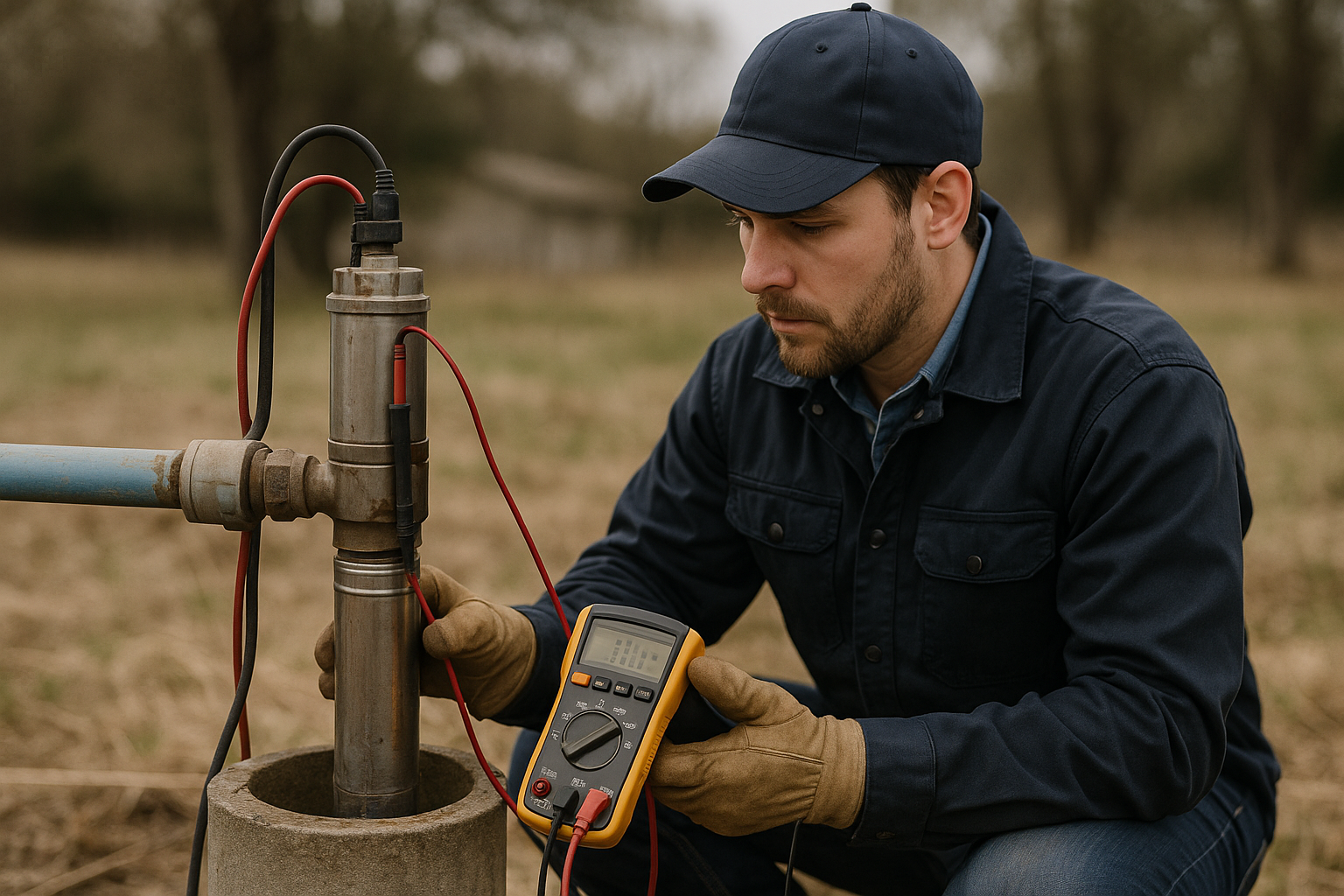
Low Water Pressure From Well: Complete Fix Guide
Diagnose and solve low pressure problems
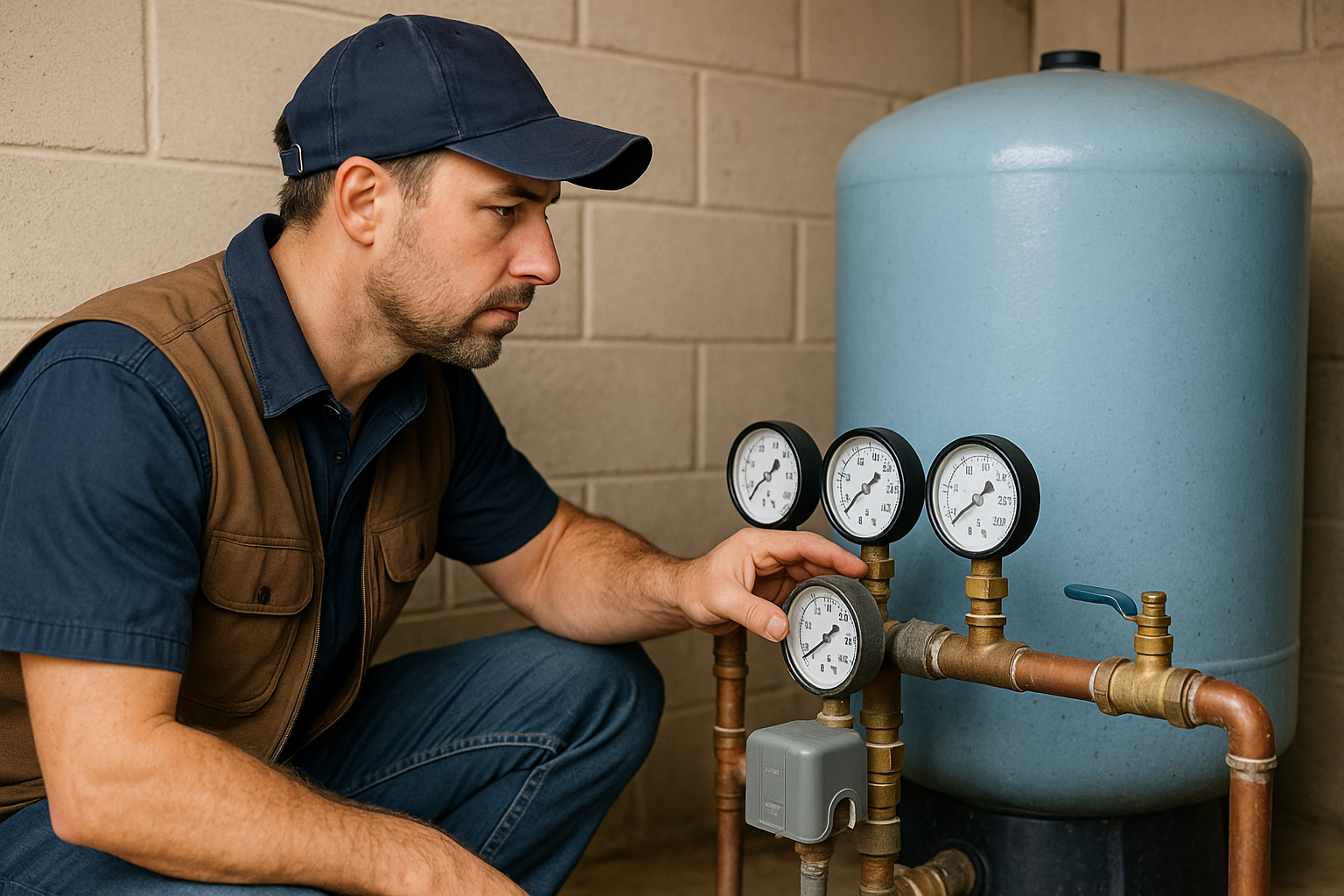
Well Pressure Switch: Settings, Adjustment & Replacement
Everything about pressure switches
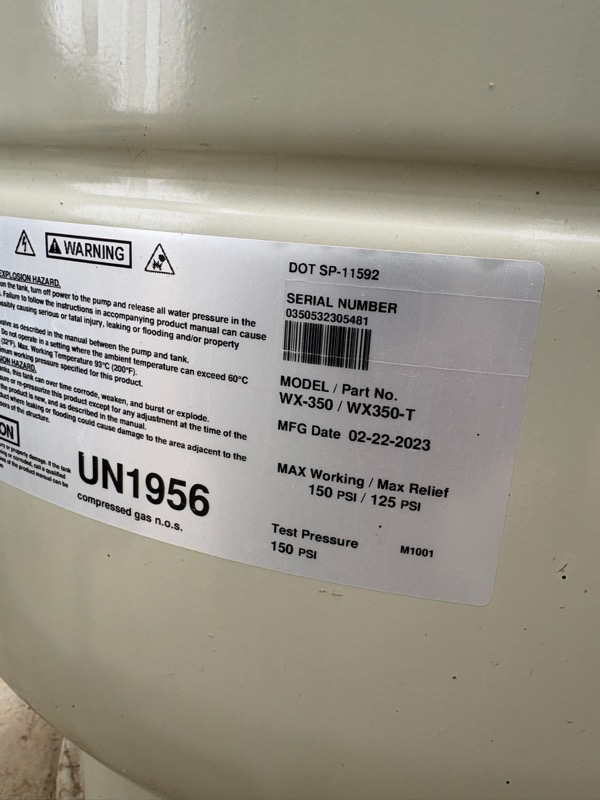
Pressure Tank Maintenance: Complete Guide
Keep your pressure tank working properly
Solving Low Water Pressure in La Jolla
La Jolla is one of the most prestigious coastal communities in San Diego County, a hilly seaside enclave of the City of San Diego where dramatic bluffs, coves, and Mount Soledad rise above the Pacific. Most of La Jolla is on municipal water, but the larger estate parcels on the Soledad slopes, the canyon-edge properties, and homes with private wells, booster systems, and supplemental irrigation pumps still depend on on-site pressure equipment — and on hilly coastal terrain, pressure problems have their own character. When the water in a La Jolla home slows to a trickle, comfort and property value both take a hit. Southern California Well Service brings founded in 2020 of San Diego coastal and well experience to every La Jolla call.
The terrain is what makes La Jolla distinctive: steep slopes climbing Mount Soledad, deep canyons, and marine sedimentary bedrock — the sandstones and mudstones of the local formations — right at the ocean's edge. Elevation change is the defining factor here. Every foot of vertical rise between a pump or supply point and an upper-floor fixture costs roughly half a pound of pressure, so a home perched on the Soledad slopes can feel weak even when the equipment is technically working. Add salt air that corrodes hardware and coastal sediment that clogs filters, and you have conditions that demand local know-how.
We always diagnose before we quote. A weak shower in La Jolla can be elevation-related pressure loss, a $200 pressure switch, a waterlogged tank, a clogged filter, or a tired booster pump — and the only way to know is to measure. We check pressure at multiple points, account for elevation, time the pump's draw-down and recovery, inspect the tank's pre-charge, and look over the booster and wiring before recommending anything.
How Your Pressure System Delivers Water
On a private or boosted system, water does not arrive pressurized on its own. A pump moves water into a pressure tank, where a sealed air charge presses on the water so your taps flow steadily. A pressure switch turns the pump on and off, typically holding 40 to 60 PSI. On La Jolla's hillside homes, a booster pump or constant-pressure system is often essential to lift water up the slope and serve upper floors. Low pressure means one of these links has slipped — or that the system was never sized for the home's elevation in the first place.
Common Causes of Low Pressure in La Jolla
- Elevation and hillside lift. Homes high on Mount Soledad or up a steep driveway lose real pressure to vertical rise. The fix is usually a properly sized booster or constant-pressure system, not a bigger well.
- Undersized or failing booster pump. When the booster that lifts water up the slope weakens, upper floors feel it first and worst.
- Waterlogged pressure tank. A failed bladder makes pressure surge and sag and the pump short-cycle — one of the most common causes everywhere we work.
- Salt-air corrosion. Ocean air pits switch contacts and rusts fittings, throttling flow and tripping systems early on the coast.
- Sediment and scale. Coastal sediment and mineral content clog screens, cartridge filters, and aerators over time.
- Long or corroded supply runs. On large canyon and hillside lots, long pipe runs and old galvanized line lose pressure to friction and internal scale.
Simple Checks You Can Make First
- Is it worse upstairs? If the upper floors are weak while the ground floor is fine, the problem is almost certainly elevation and booster-related.
- One fixture or the whole house? A single weak faucet usually means a clogged aerator; whole-house loss points to the pump, tank, or supply line.
- Read the gauge. Healthy pressure cycles between roughly 40 and 60 PSI. Stuck-low or swinging readings are a strong clue.
- Tap the tank. Hollow on top, solid on the bottom is normal; full-sounding all the way up means a dead bladder.
- Listen for short-cycling. Rapid pump clicking points to a waterlogged tank or a failing switch.
If the basics look fine but pressure stays weak, a licensed professional should evaluate the system and the home's elevation together.
When to Call a Professional
Call us right away if you have no water, see discolored or sandy water, hear the pump running nonstop, or smell something electrical near the controls. Diagnosing a hillside pressure problem, sizing a booster for a multi-story home, or pulling and servicing a pump requires a C-57 licensed contractor and the right equipment. On a La Jolla property, getting the engineering right the first time protects both your comfort and a significant investment.
Why Hillside Homes Need Engineered Pressure
The single most important thing to understand about La Jolla water pressure is that it is often an engineering problem, not an equipment failure. A home near the top of Mount Soledad might sit a hundred or more vertical feet above its water source, and that elevation alone can strip away 50 PSI before a drop ever reaches the shower. No amount of swapping out parts fixes that if the system was never designed for the lift. The right answer is a correctly sized booster or, better still, a variable-speed constant-pressure system that senses demand and maintains a steady set pressure to the very top of the house. We take measurements at the lowest and highest fixtures, calculate the true elevation loss, and design a solution that works on the worst day, not just an average one. That is the difference between a quick band-aid and a permanent fix that finally gives every floor of the home the strong, consistent pressure it should have.
What Repairs Cost in La Jolla
We price honestly and explain every line. Typical ranges:
- Pressure switch replacement: $150–$350
- Pressure tank replacement: $600–$1,500
- Submersible pump replacement: $2,500–$5,500
- Sediment filtration: $300–$900
- Iron, manganese, or softening system: $1,500–$3,500
- Constant-pressure or booster system: $2,000–$4,500
- Well abandonment or decommissioning: $1,500–$5,000
- New turnkey well: $18,000–$42,000
Every visit begins with a flat $125 diagnostic, fully credited toward any repair we complete. For hillside homes, a properly engineered constant-pressure system is often the single best fix — it holds rock-steady pressure to every floor regardless of elevation or how many fixtures run at once.
Serving La Jolla and Coastal San Diego
From our Ramona and Anza offices we cover La Jolla and the surrounding coastal communities — Pacific Beach, Bird Rock, the Soledad slopes, and the canyon and estate properties of greater San Diego. Because coastal San Diego is part of our regular territory, we carry corrosion-resistant parts and the booster and constant-pressure equipment hillside homes need, and we can often finish a repair the same day we diagnose it. When a La Jolla home loses water, a fast, professional response is one call away.
Frequently Asked Questions
Why is my upstairs pressure so much weaker than downstairs in La Jolla?
Elevation. Every foot of vertical rise costs roughly half a pound of pressure, so upper floors on a hillside or multi-story home naturally feel weaker. The right fix is usually a properly sized booster or constant-pressure system that compensates for the lift — not a deeper well.
Does the ocean air affect my equipment?
Yes. Salt-laden coastal air corrodes switch contacts, fittings, and tank shells faster than inland conditions. We install corrosion-resistant components rated for the coastal environment so your repairs last.
Will a constant-pressure system help my hillside home?
For most La Jolla hillside and multi-story homes, it is the ideal solution. A variable-speed constant-pressure system holds steady pressure to every floor no matter how many fixtures are open, and it eliminates the pressure swings that elevation and demand cause.
How deep are wells in the La Jolla area?
Wells vary with the marine sedimentary geology and the steep terrain, and many properties here rely on boosted municipal supply or supplemental wells. We evaluate each property individually and review any well log that exists.
Do you serve La Jolla and coastal San Diego?
Yes. Coastal San Diego is part of our regular service area. Call (760) 440-8520 or text (760) 219-5877 and we will schedule a visit.
What does diagnosis cost?
A flat $125, credited toward any repair we perform. You get a clear explanation and honest options before any work begins.
Restore Your Water Pressure in La Jolla
Licensed C-57 contractor, founded 2020, CSLB #1086994 service across San Diego County.
Call (760) 440-8520