
Low Water Pressure Solutions in Lake Elsinore
Dealing with weak water pressure in Lake Elsinore? Low water pressure can make showers frustrating and appliances ineffective. Our team diagnoses the root cause and restores your water pressure fast.
📋 In This Guide
Need Low Water Pressure Solutions in Lake Elsinore?
We serve Lake Elsinore and all of Riverside County. Licensed C-57 contractor (CSLB #1086994), founded 2020.
Call: (760) 440-8520Our Low Water Pressure Solutions Services
- Pressure tank repair and replacement
- Pressure switch adjustment
- Pump upgrades for better pressure
- Constant pressure systems
- Booster pump installation
- Clogged pipe diagnosis
- Well yield testing
- Complete system evaluation
Why Lake Elsinore Chooses SCWS
✓ Local Expertise
We know Riverside County geology and wells
✓ Fast Response
Same-day service for Lake Elsinore
✓ Fair Pricing
Honest quotes, no surprises
✓ Quality Work
CSLB #1086994 · founded 2020
Our Locations
Related Articles
Continue learning about well maintenance and troubleshooting
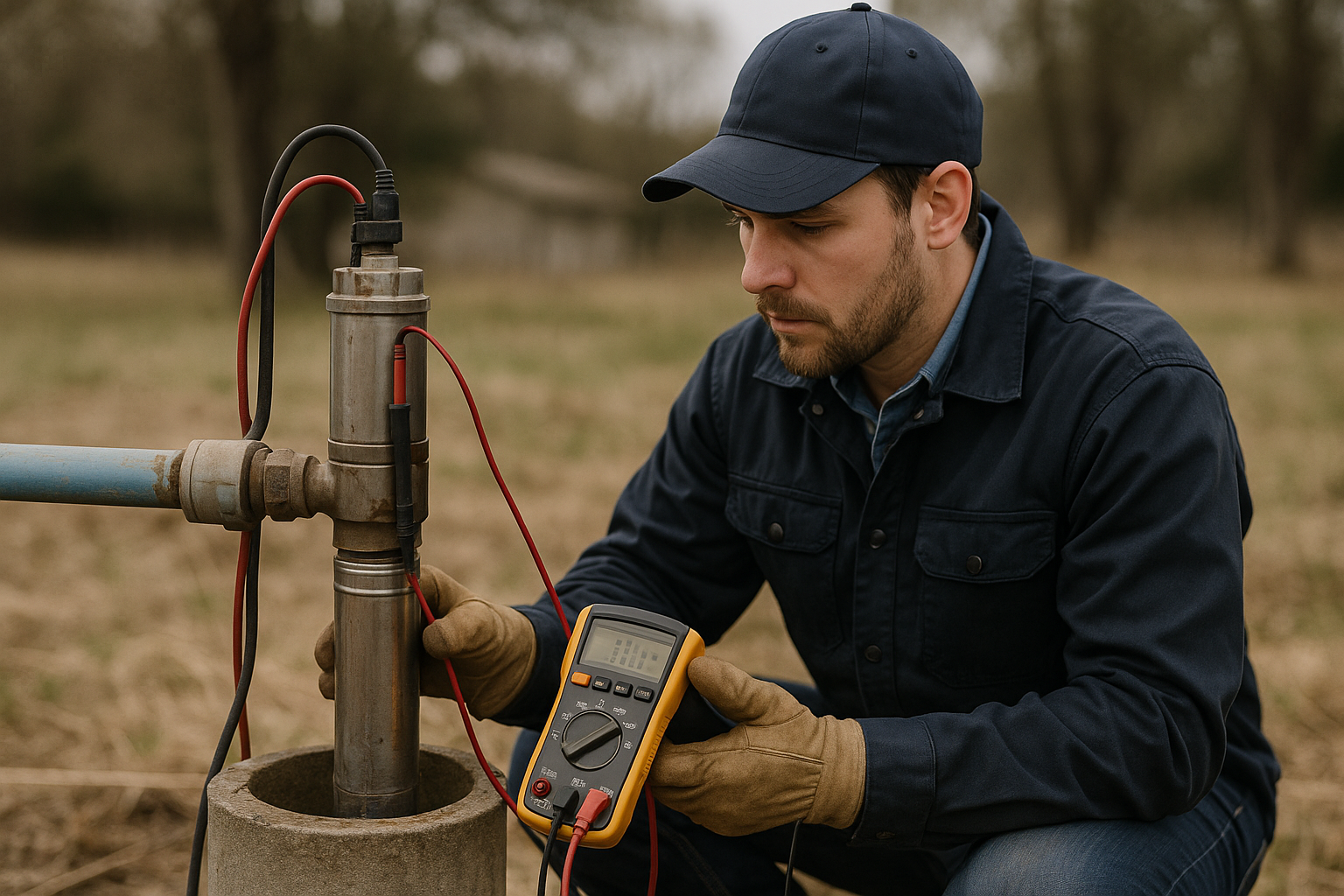
Low Water Pressure From Well: Complete Fix Guide
Diagnose and solve low pressure problems
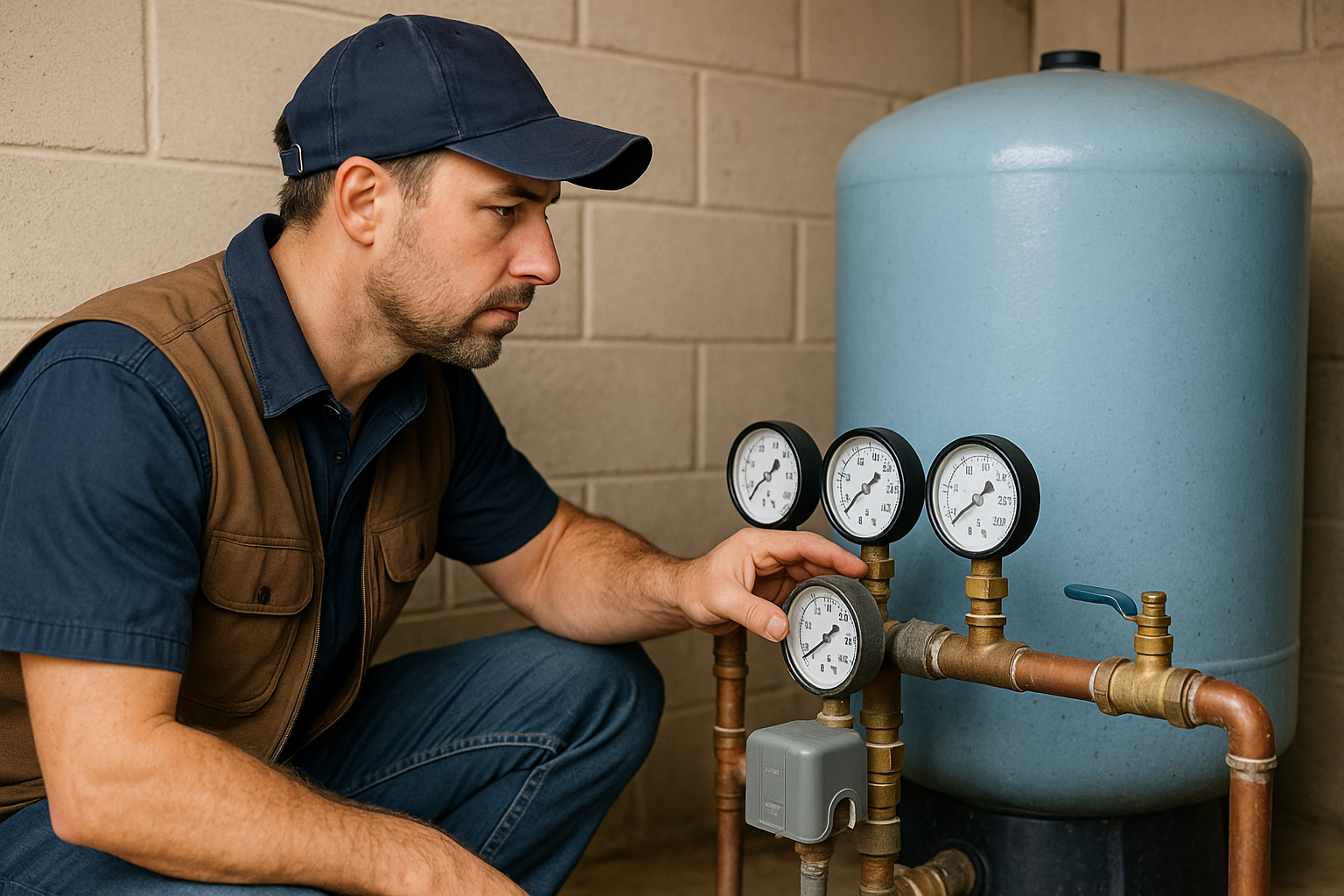
Well Pressure Switch: Settings, Adjustment & Replacement
Everything about pressure switches
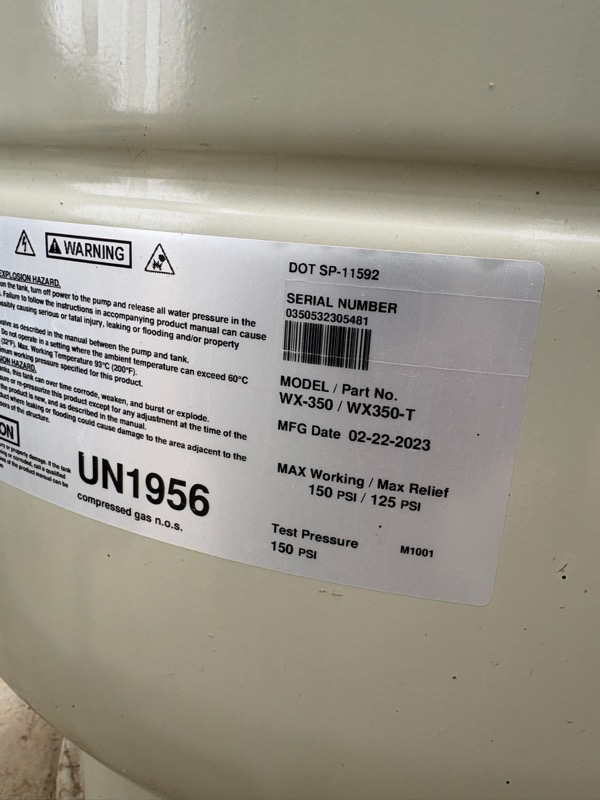
Pressure Tank Maintenance: Complete Guide
Keep your pressure tank working properly
Low Water Pressure Solutions for Lake Elsinore Properties
As a Lake Elsinore property owner with a private well, you rely on your water system daily. Situated in western Riverside County, Lake Elsinore is a lakeside city within the Elsinore Valley groundwater basin. The local geology — a combination of alluvial sediments and surrounding granitic formations — poses specific challenges for well owners that demand the expertise of local technicians familiar with the region’s unique hydrogeological conditions.
Why Local Expertise Matters in Lake Elsinore
Generic well companies from outside Riverside County often lack the detailed knowledge of Lake Elsinore’s terrain. The area’s groundwater is heavily influenced by the Elsinore Valley basin, with water tables and aquifer characteristics varying widely due to the mix of sedimentary deposits and proximity to fault zones. Seasonal fluctuations tied to rainfall and lake levels add another layer of complexity. Technicians who understand Lake Elsinore’s specific conditions can diagnose low water pressure issues more efficiently and offer solutions tailored to the local environment, preventing wasted time and resources on ineffective fixes.
What Sets Southern California Well Service Apart
- Local presence — with offices in Ramona and Anza, we provide swift response times to Lake Elsinore and nearby communities
- Comprehensive expertise — we manage all facets of well systems, from drilling to pump maintenance and water treatment
- Licensed C-57 contractor — as a specialized well drilling contractor (CSLB #1086994), we offer skills beyond standard plumbing
- Transparent pricing — we deliver honest evaluations without pushing unnecessary services, ensuring fair costs
- Emergency response — same-day service is available for urgent no-water situations
Understanding Lake Elsinore’s Geology and Its Impact on Water Pressure
Lake Elsinore sits within the Elsinore Valley, a structural basin formed by tectonic activity along the Elsinore Fault Zone. The region’s subsurface is dominated by alluvial deposits — layers of sand, gravel, and silt — that overlie older granitic and metamorphic bedrock. These alluvial aquifers can store significant groundwater, but their productivity is highly variable, influenced by recharge from local rainfall, runoff from surrounding hills, and fluctuations in Lake Elsinore itself. During Southern California’s frequent droughts, groundwater levels often decline, reducing well yields and directly affecting water pressure, especially in shallower wells.
The area’s water quality also impacts well systems. High mineral content, including calcium, magnesium, and sometimes iron, is common due to the geological makeup, leading to scaling in pumps, pipes, and pressure tanks that restricts flow over time. Additionally, the proximity to the lake and fault-related activity can introduce sediment or even sulfur compounds into groundwater, causing clogs or corrosion that exacerbate pressure issues. Urban and agricultural demands in the region further strain the groundwater basin, sometimes resulting in over-drafting and lowered water tables.
Common Causes of Low Water Pressure in Lake Elsinore
Founded in 2020, with 60+ years of family heritage in Riverside County, we’ve pinpointed the following frequent causes of low water pressure specific to Lake Elsinore’s lakeside and valley environment:
- Pump impairment from mineral deposits: Hard water prevalent in Lake Elsinore leads to scale buildup on pump impellers and internals, diminishing efficiency and pressure output.
- Pressure tank wear: Mineral-rich water accelerates internal corrosion or bladder deterioration in pressure tanks, disrupting consistent pressure maintenance.
- Reduced well yield in dry periods: Southern California’s arid climate, combined with variable recharge in the Elsinore Valley basin, often causes groundwater drops, impacting pressure in wells with limited depth.
- Sediment intrusion from lake proximity: Fluctuations in lake levels or heavy rains can introduce fine sediments or organic matter into nearby wells, clogging screens and reducing flow.
- Electrical inconsistencies in developing areas: Power fluctuations, still an issue in parts of Lake Elsinore, can affect pump reliability, leading to intermittent pressure problems.
- Groundwater over-drafting: Increased urban and agricultural water use in the area can lower the water table, straining individual wells and contributing to pressure loss.
Diagnosing Low Water Pressure in Lake Elsinore Homes
Identifying the source of low water pressure involves a thorough assessment adapted to Lake Elsinore’s geological and hydrological context. At Southern California Well Service, our diagnostic process includes:
- Initial Assessment: We begin by observing symptoms such as weak flow at fixtures or pressure drops during high usage, noting patterns that might relate to lake level changes or seasonal drought.
- Pressure Testing: Using specialized equipment, we measure pressure across the system to pinpoint issues with the pump, tank, or lines. Ideal household pressure ranges from 40-60 PSI; readings below this signal a problem.
- Well Yield Evaluation: We conduct flow tests to determine your well’s output capacity. In Lake Elsinore, yields often fluctuate with groundwater levels in the Elsinore Valley basin, directly affecting pressure.
- Pump and Tank Examination: We check the pump for mineral scaling or wear and assess the pressure tank’s air charge and bladder health. Tank failures often manifest as rapid pump cycling and pressure inconsistency.
- Water Quality Testing: Given the potential for sediment and mineral issues near the lake, we analyze water for particulates or compounds that could obstruct flow through well components.
- Electrical Diagnostics: With power reliability varying in parts of Lake Elsinore, we verify stable voltage to the pump and inspect wiring for issues impacting performance.
Solutions for Low Water Pressure in Lake Elsinore
Once the cause is determined, we customize solutions to your well system, considering Lake Elsinore’s unique environmental factors. Below are common fixes with estimated costs (based on 2026 pricing, subject to site-specific variables):
- Pressure Tank Repair or Replacement: For tanks with bladder issues or incorrect air charge, repairs cost $200-$400. Full replacement with a mid-range tank (e.g., 44-gallon) runs $800-$1,200, including labor, ensuring stable pressure during demand spikes.
- Pump Cleaning or Upgrade: Descaling mineral buildup from pumps costs $300-$500. If the pump is outdated or failing, upgrading to a durable submersible model (1-2 HP) is $1,500-$2,500 installed, selected for resilience against Lake Elsinore’s hard water.
- Constant Pressure System Installation: Variable frequency drive (VFD) systems adjust pump speed to maintain steady pressure, ideal for fluctuating usage near the lake. Costs range from $2,000-$3,500, improving comfort and system durability.
- Booster Pump Addition: For properties on elevated terrain around Lake Elsinore, a booster pump addresses gravity-induced pressure loss. Installation typically costs $1,000-$1,800, depending on lift and distance.
- Pipe and Screen Cleaning: Sediment-clogged screens or pipes, often from lake-related runoff, can be cleared with jetting or chemical treatments for $400-$800. This is critical after heavy rains or lake level shifts.
- Well Deepening or Rehabilitation: If low yield due to drought or over-drafting is the primary issue, deepening a well or rehabilitating it to tap deeper aquifer layers may be required. Costs range from $5,000-$15,000 based on depth and geology, providing a long-term fix for pressure and supply.
Maintenance Tips to Prevent Low Water Pressure in Lake Elsinore
Proactive maintenance is vital in Lake Elsinore due to hard water, sediment risks, and groundwater variability. Here are practical steps to keep your well system performing optimally:
- Regular Inspections: Schedule a professional well check every 12-18 months to detect early pump wear or tank issues. Standard inspections cost $150-$250 and can avert major failures.
- Water Quality Monitoring: Test water annually for minerals and sediment, especially if near the lake. A water softener ($800-$1,500 installed) can combat scaling, protecting pumps and pipes from pressure loss.
- Conserve During Low Rainfall: Monitor usage during droughts, as groundwater levels in the Elsinore Valley basin can drop significantly. Low-flow fixtures and timed irrigation help preserve pressure.
- Inspect for Sediment After Rains: Heavy rainfall or lake level changes can introduce debris. Check for cloudy water or reduced flow post-storm, and consider professional cleaning if noticed.
- Track System Performance: Maintain a record of pressure readings or flow changes. Sudden declines often indicate emerging issues, enabling faster response before complete failure.
When to Call a Professional in Lake Elsinore
While minor maintenance can be DIY, certain situations in Lake Elsinore necessitate professional expertise due to the area’s unique challenges. Contact Southern California Well Service if you face:
- No water or extreme pressure loss: This could indicate pump failure or severe yield reduction, requiring immediate action to restore access.
- Frequent pump cycling: Rapid on-off cycles often signal pressure tank issues or electrical faults, needing expert evaluation.
- Sediment or unusual water odor: Lake proximity can lead to sediment or sulfur intrusion after weather events, requiring professional cleaning or filtration solutions.
- Abnormal pump sounds: Grinding or erratic noises suggest mechanical problems or debris, which can worsen without prompt attention.
- Persistent pressure issues after basic checks: If adjusting the pressure switch or checking for leaks doesn’t resolve the issue, a full system assessment is essential.
With founded in 2020 of service in Riverside County, Southern California Well Service is prepared to address these challenges. Our CSLB #1086994 reflects our commitment to quality and customer satisfaction. If you’re experiencing low water pressure in Lake Elsinore, don’t delay. Call us at (760) 440-8520 for fast, tailored solutions for your lakeside property.
Frequently Asked Questions About Low Water Pressure in Lake Elsinore
How does the Elsinore Valley groundwater basin affect my well pressure?
Lake Elsinore sits over the Elsinore Valley groundwater basin, where water levels rise and fall with rainfall, runoff from surrounding hills, and the level of the lake itself. During Southern California droughts the water table drops and shallower wells lose yield and pressure. We run a well-yield evaluation to see whether your pressure loss tracks the basin's seasonal decline or points to a pump or tank problem instead.
Can the Elsinore Fault zone influence my well and water quality?
Yes. The Elsinore Valley is a structural basin formed by movement along the Elsinore Fault zone, which fractures bedrock and channels groundwater in unpredictable ways. Fault-related geology can introduce sediment, iron, or sulfur compounds into nearby wells, leading to clogging and corrosion that restrict flow. Sediment filtration runs $300 to $900, and iron, manganese, or sulfur treatment is $1,500 to $3,500 depending on water chemistry.
Why does my water turn cloudy or pressure drop after heavy rain near the lake?
Properties close to Lake Elsinore are exposed to lake-level swings and storm runoff that wash fine sediment and organic matter into the aquifer. That material clogs well screens and pipes, cutting flow right after a storm. Jetting or chemical cleaning of screens and pipes typically runs $300 to $900. We recommend a sediment check whenever you notice cloudy water or reduced flow following heavy rain or a rapid change in lake level.
Is my low pressure the pump, the tank, or just the switch?
We diagnose from the least expensive component up. A worn pressure switch is $150 to $350 and is tested first. Rapid pump short-cycling usually means a failed pressure tank bladder or lost air charge, with replacement tanks at $600 to $1,500 installed. If scaling from Lake Elsinore's hard, mineral-rich water has worn the pump, descaling or a submersible pump replacement runs $2,500 to $5,500. Your $125 diagnostic is credited toward the repair.
My well yield keeps dropping during drought. What are my options?
When seasonal drought and groundwater over-drafting in the Elsinore Valley basin lower your water table, a shallow well can struggle to keep up. A constant-pressure or booster system at $2,000 to $4,500 stabilizes delivery for homes on elevated terrain around the lake. Hydrofracturing at $3,000 to $8,000 can open fractures to improve yield, and where a well is fully depleted, a new turnkey well ranges from $18,000 to $42,000.
What does a Lake Elsinore diagnostic visit include and cost?
Our diagnostic is $125 and is credited toward any repair you approve with Southern California Well Service. We pressure-test across the system, evaluate well yield against current Elsinore Valley basin conditions, inspect the pump and pressure tank, and test for sediment or mineral intrusion common near the lake. You receive a clear, upfront diagnosis rather than guesswork.
Ready to restore strong, reliable water pressure at your Lake Elsinore property? Call Southern California Well Service at (760) 440-8520 or text us at (760) 219-5877 for same-day emergency service. Licensed C-57, Founded 2020, serving the region.