
Low Water Pressure Solutions in Lake Gregory
Dealing with weak water pressure in Lake Gregory? Low water pressure can make showers frustrating and appliances ineffective. Our team diagnoses the root cause and restores your water pressure fast.
📋 In This Guide
Need Low Water Pressure Solutions in Lake Gregory?
We serve Lake Gregory and all of San Bernardino County. Licensed C-57 contractor (CSLB #1086994), founded 2020.
Call: (760) 440-8520Our Low Water Pressure Solutions Services
- Pressure tank repair and replacement
- Pressure switch adjustment
- Pump upgrades for better pressure
- Constant pressure systems
- Booster pump installation
- Clogged pipe diagnosis
- Well yield testing
- Complete system evaluation
Why Lake Gregory Chooses SCWS
✓ Local Expertise
We know San Bernardino County geology and wells
✓ Fast Response
Same-day service for Lake Gregory
✓ Fair Pricing
Honest quotes, no surprises
✓ Quality Work
CSLB #1086994 · founded 2020
Our Locations
Related Articles
Continue learning about well maintenance and troubleshooting
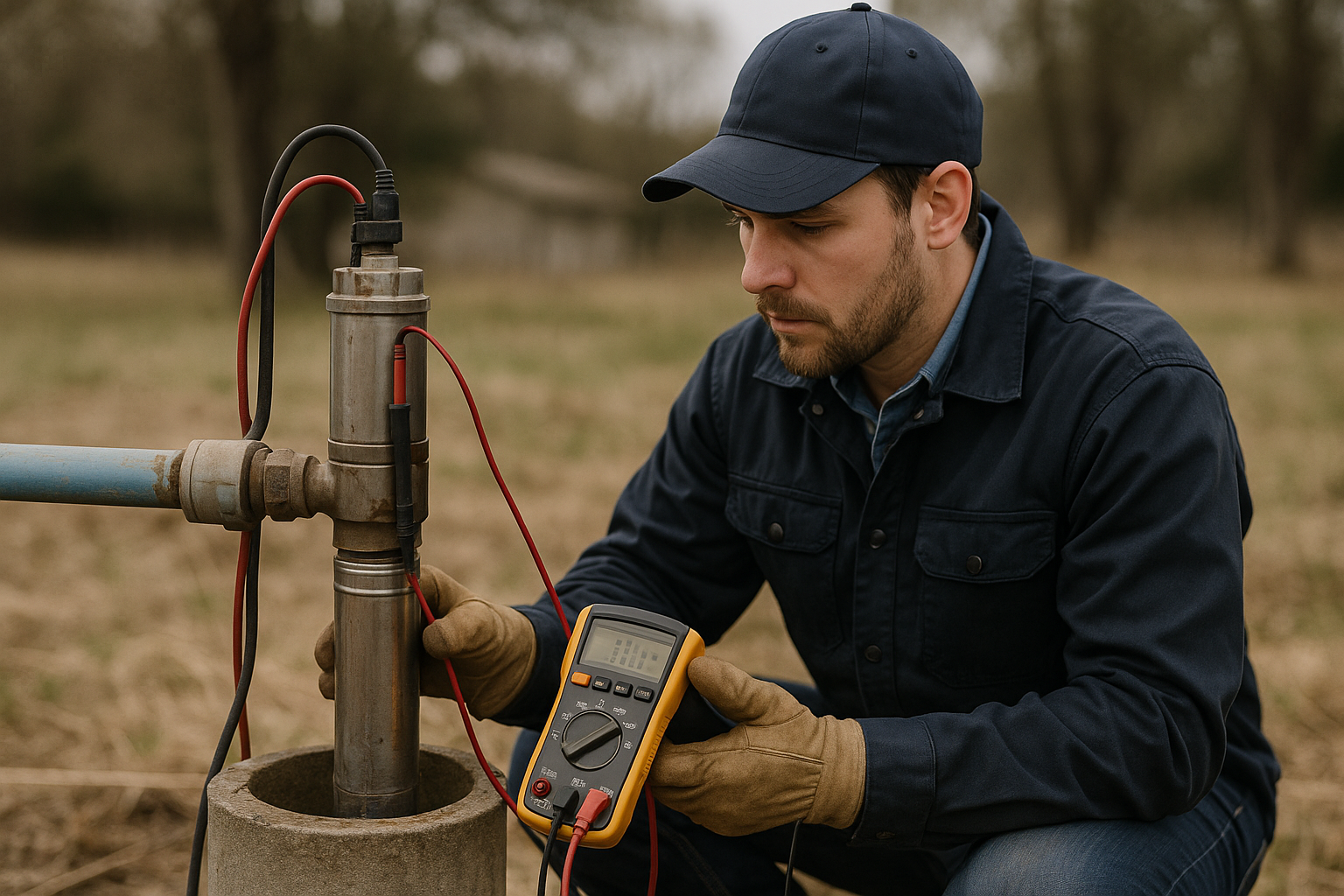
Low Water Pressure From Well: Complete Fix Guide
Diagnose and solve low pressure problems
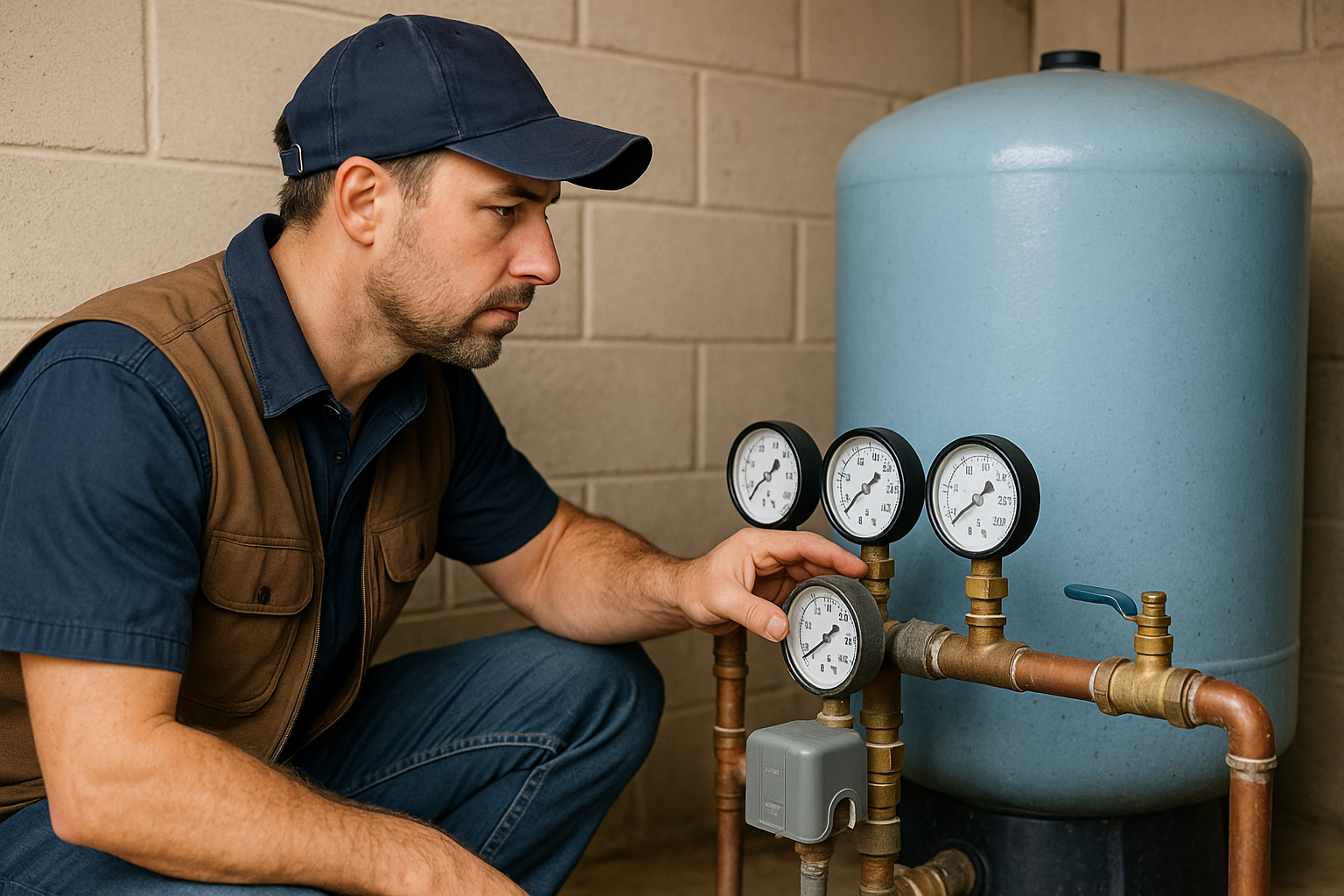
Well Pressure Switch: Settings, Adjustment & Replacement
Everything about pressure switches
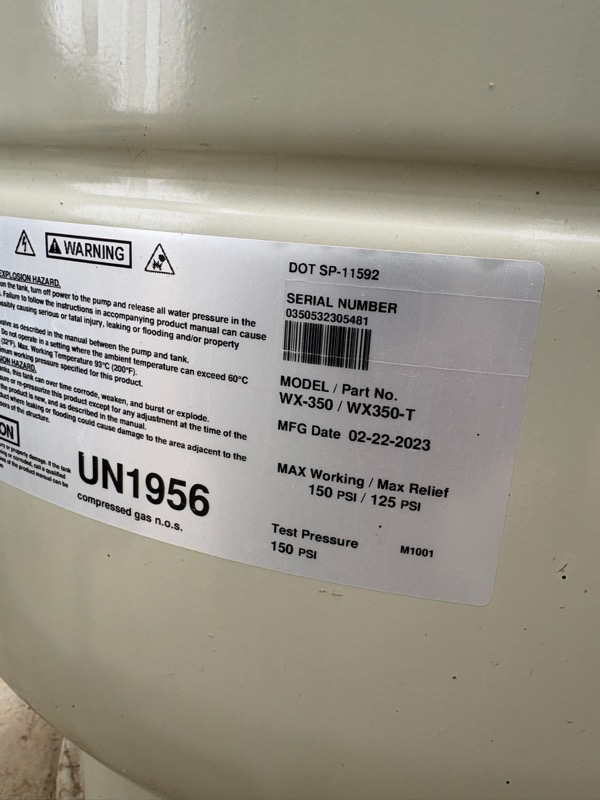
Pressure Tank Maintenance: Complete Guide
Keep your pressure tank working properly
Low Water Pressure Solutions for Lake Gregory and Crestline Mountain Wells
If you own a cabin, vacation home, or full-time residence near Lake Gregory in Crestline, you already know that life in the San Bernardino Mountains comes with a very different set of rules than the valley floor below. At roughly 4,600 feet of elevation, tucked inside the San Bernardino National Forest, Lake Gregory sits squarely in San Bernardino County and is surrounded by communities like Twin Peaks, Valley of Enchantment, Lake Arrowhead, and the Rim of the World corridor. Wells up here are typically drilled into fractured granite and decomposed-granite slopes, and they depend heavily on seasonal snowmelt to recharge. When the pressure at your taps starts to fade, the cause is usually tied to that mountain geology, the cold-weather conditions, or aging equipment that has been quietly fighting hard water for years. At Southern California Well Service, a licensed C-57 contractor founded in 2020, with 60+ years of family heritage, we diagnose the real problem and restore steady pressure that holds up through the seasons.
How a Well Water Pressure System Actually Works
Before you can understand why pressure drops, it helps to know the four components that work together to push water to your fixtures. In a mountain home near Lake Gregory, these parts have to perform in conditions that flatland systems never face.
- The well pump: Most deeper Crestline-area wells use a submersible pump that sits down in the casing, below the water level in the fractured rock. It lifts water up the drop pipe toward your home. The pump is the heart of the system, and because it has to overcome both depth and elevation, an undersized or worn pump shows up quickly as weak pressure.
- The pressure tank: This tank stores water under pressure so your pump does not have to run every time you open a faucet. Inside is a rubber bladder and a cushion of compressed air. As water is drawn down, the air pushes it out at a steady pressure. A waterlogged or failed tank is one of the most common reasons pressure feels weak or surges.
- The pressure switch: This small electrical device tells the pump when to turn on and off, usually within a 40-60 PSI window. When the switch drifts out of calibration or its contacts corrode, the pump may cut out too early, leaving you with low pressure even when the well is healthy.
- Constant-pressure (variable-speed) systems: Instead of cycling fully on and off, these systems use a variable-speed drive to ramp the pump up and down so pressure stays steady no matter how many fixtures are running. For mountain properties on steep slopes, they are often the best long-term fix for inconsistent pressure.
Common Local Causes of Low Pressure Near Lake Gregory
Decades of servicing fractured-rock mountain wells have shown us which culprits show up again and again in the Crestline and Lake Gregory area:
- Seasonal recharge and low well yield: The aquifers here are stored in narrow fractures within granitic bedrock, and they refill mainly from snowmelt and winter rain. After a dry winter with little snowpack, the standing water level in the well can drop, the pump draws down faster, and pressure sags by late summer.
- Freezing and seasonal cold: At 4,600 feet, exposed pipes, pressure tanks, and well-head plumbing can freeze. A frozen line or a tank damaged by a hard freeze will throttle flow or stop it entirely until things thaw and any cracks are repaired.
- Mineral scaling from hard water: Water moving through decomposed granite often picks up calcium and iron. Over years, that scale coats pump components, narrows pipe interiors, and clogs screens, slowly choking your flow.
- Corroded galvanized piping: Many older forest cabins still have galvanized steel pipe that rusts from the inside out, shrinking the usable diameter and dragging down pressure throughout the house.
- Elevation and gravity on steep lots: Homes perched above the well on the slopes around Lake Gregory naturally lose pressure as water is pushed uphill. If the pump was never sized for that lift, every fixture upstairs feels weak.
What You Can Check Yourself First
Before you call us, a few safe checks can help you describe the problem and sometimes resolve a minor issue:
- Confirm whether the low pressure affects every fixture or just one. A single weak faucet usually points to an aerator or fixture clog, not the well.
- Find your pressure gauge near the tank and note the reading. If it never climbs into the 40-60 PSI range, the pump or switch may be at fault.
- Listen to the pump. Rapid on-off "short cycling" often means a waterlogged tank or a tank that has lost its air charge.
- Check the air charge on the pressure tank with a tire gauge when the system is depressurized. It should sit about 2 PSI below the pump cut-in setting.
- During cold snaps, look for frozen or burst sections at the well head and any exposed piping before assuming the pump has failed.
- Make sure the breaker for the well pump has not tripped after a storm or power flicker, which is common in remote mountain neighborhoods.
When to Call a Professional
Some problems are simply not safe or practical to tackle yourself, especially when a submersible pump has to be pulled from a deep mountain well. Call Southern California Well Service right away if you have no water at all, if pressure has collapsed after a dry winter, if the pump is short-cycling and at risk of burning out its motor, if you hear grinding or humming from the pump, if you see leaks or wet spots near the well head, or if your own basic checks have not restored normal flow. These signs often point to pump failure, a depleted well, or corroded plumbing that needs professional diagnosis and the right equipment to fix safely.
Realistic Cost Ranges in Lake Gregory
Every property is different, but these 2026 ranges give Lake Gregory homeowners a realistic sense of what common repairs and upgrades cost. We begin with a diagnostic visit of about $125, which is credited toward your repair if you move forward with us.
- Pressure switch replacement: $150-$350
- Pressure tank replacement: $600-$1,500
- Pump replacement: $2,500-$5,500
- Sediment filtration: $300-$900
- Iron/manganese filter or water softener: $1,500-$3,500
- Constant-pressure or booster system: $2,000-$4,500
- New well, turnkey: $18,000-$42,000
- Hydrofracturing to improve low yield: $3,000-$8,000
- Well abandonment/decommissioning: $1,500-$5,000
We provide detailed, upfront quotes and never push unnecessary replacements when a targeted repair will solve the problem.
Serving Lake Gregory and the Surrounding Mountain Communities
Our crews regularly serve Lake Gregory, Crestline, Valley of Enchantment, Twin Peaks, Lake Arrowhead, and the wider Rim of the World corridor across this part of San Bernardino County. We operate from two offices to keep response times short: our Ramona office at 1077 Main St, Ramona, CA 92065 and our Anza office at 57174 CA-371 (US Hwy 79), Anza, CA 92539. Same-day emergency service is available when you are facing a no-water situation, which matters even more in a remote mountain community where hauling water is not a realistic backup. As a C-57 licensed well contractor, we bring well-specific expertise that ordinary plumbers cannot match.
Frequently Asked Questions About Low Water Pressure in Lake Gregory
Why does my Lake Gregory well lose pressure in late summer?
In the San Bernardino Mountains, wells recharge mostly from winter snowmelt. After a dry winter, the standing water level in fractured granite can drop by late summer, so the pump draws the well down faster and pressure fades. A yield test tells us whether the well itself or the equipment is the limiting factor.
Can freezing weather really cause low water pressure up here?
Yes. At around 4,600 feet, exposed pipes, the pressure tank, and well-head fittings can freeze during cold snaps. A frozen line restricts or stops flow, and a freeze can crack tanks or fittings. Insulating and heat-taping vulnerable components is a key part of preventing winter pressure problems near Lake Gregory.
Is hard water a problem for Crestline-area wells?
Often, yes. Water moving through decomposed granite picks up calcium and iron, which scale up pumps, pipes, and tanks over time and gradually reduce flow. A sediment filter, iron filter, or softener can protect your equipment and keep pressure stable longer.
My neighbor drilled deep but I still have low yield. Why?
Fractured-rock geology is unpredictable. Two wells a short distance apart can hit very different fracture networks, so depth alone does not guarantee yield. Hydrofracturing can sometimes open new water-bearing fractures and boost a low-yield well without drilling an entirely new one.
How fast can you reach a property near Lake Gregory?
We dispatch from our Ramona and Anza offices and offer same-day emergency service for no-water calls. Mountain access and weather can affect timing, but we prioritize emergencies so you are not left without water on the hill.
Should I install a constant-pressure system on a steep lot?
If your home sits well above the well or you have multiple fixtures running at once, a constant-pressure (variable-speed) system is often the best fix. It holds steady pressure regardless of demand or elevation, which is ideal for the sloped lots common around Lake Gregory.
Ready to fix low water pressure at your Lake Gregory property? Call Southern California Well Service at (760) 440-8520 or text (760) 219-5877 for same-day service. Licensed C-57, founded 2020.