
Low Water Pressure Solutions in Lake Matthews
Dealing with weak water pressure in Lake Matthews? Low water pressure can make showers frustrating and appliances ineffective. Our team diagnoses the root cause and restores your water pressure fast.
📋 In This Guide
Need Low Water Pressure Solutions in Lake Matthews?
We serve Lake Matthews and all of Riverside County. Licensed C-57 contractor (CSLB #1086994), founded 2020.
Call: (760) 440-8520Our Low Water Pressure Solutions Services
- Pressure tank repair and replacement
- Pressure switch adjustment
- Pump upgrades for better pressure
- Constant pressure systems
- Booster pump installation
- Clogged pipe diagnosis
- Well yield testing
- Complete system evaluation
Why Lake Matthews Chooses SCWS
✓ Local Expertise
We know Riverside County geology and wells
✓ Fast Response
Same-day service for Lake Matthews
✓ Fair Pricing
Honest quotes, no surprises
✓ Quality Work
CSLB #1086994 · founded 2020
Our Locations
Related Articles
Continue learning about well maintenance and troubleshooting
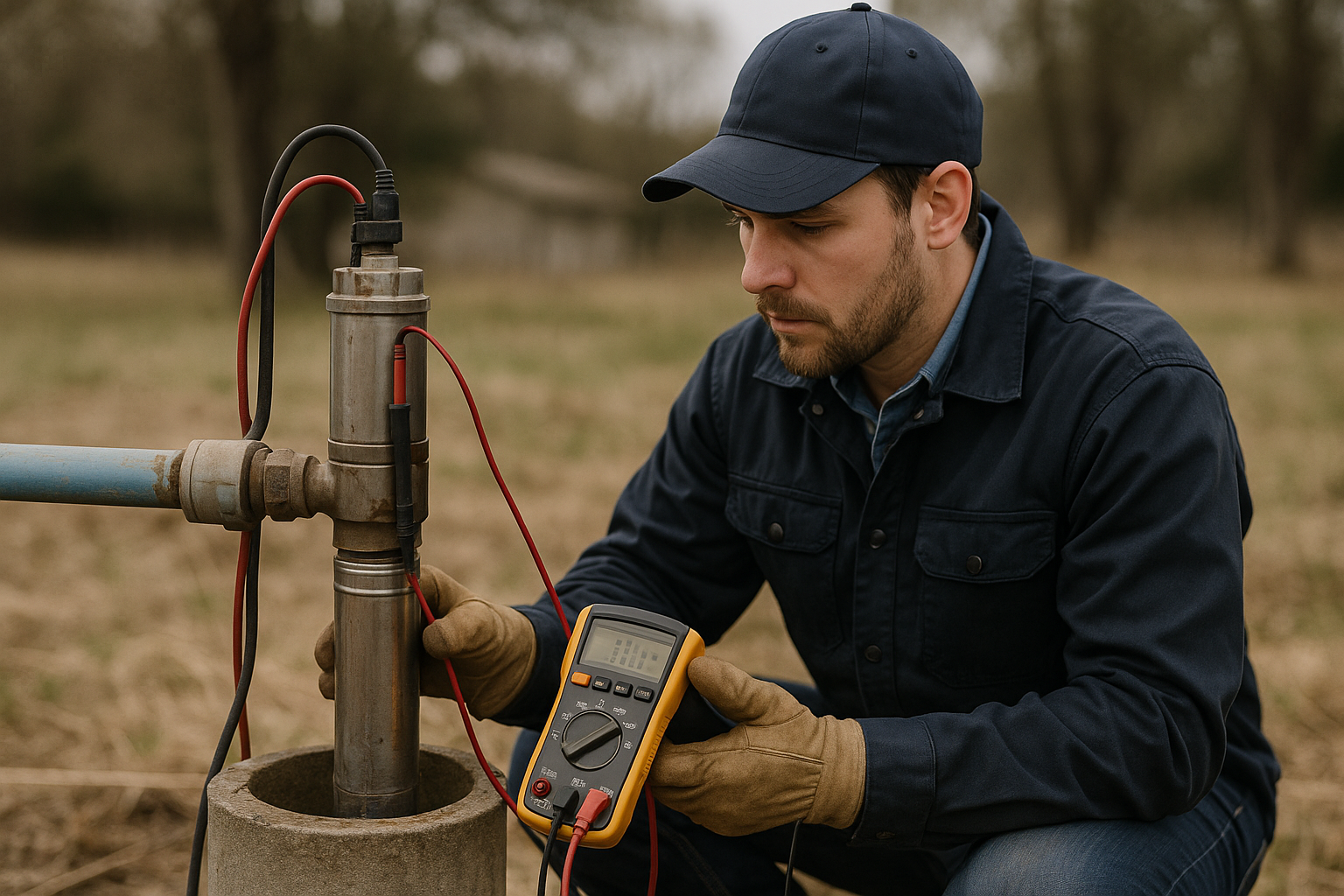
Low Water Pressure From Well: Complete Fix Guide
Diagnose and solve low pressure problems
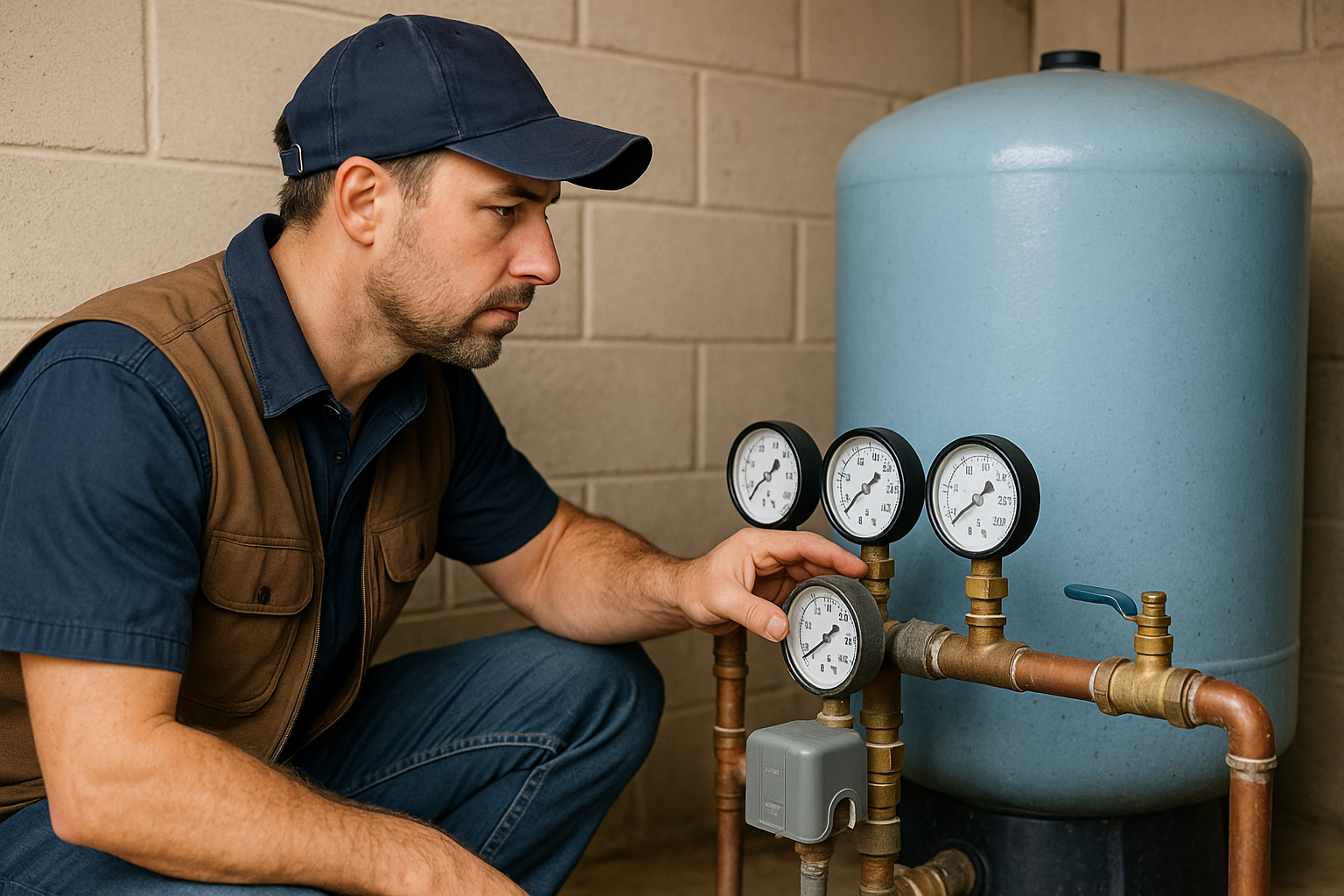
Well Pressure Switch: Settings, Adjustment & Replacement
Everything about pressure switches
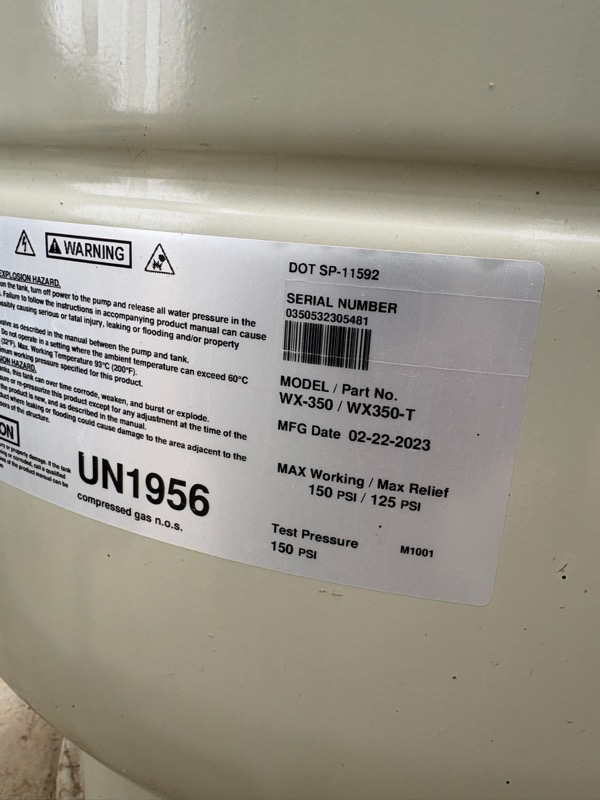
Pressure Tank Maintenance: Complete Guide
Keep your pressure tank working properly
Restoring Strong, Steady Water Pressure for Lake Mathews Well Owners
If you own property in the Lake Mathews area, you already know this corner of western Riverside County is its own world. Tucked into the Gavilan Hills and Cajalco Canyon country at the foot of the Temescal Mountains, the community sits between Riverside, Perris, and Corona, surrounded by ranch and equestrian parcels that depend almost entirely on private wells. The reservoir that gives the area its name is the fenced terminus of the Colorado River Aqueduct, with no public access, so the water flowing from your taps does not come from the lake at all. It comes from groundwater drawn through fractured granite and decomposed-granite soils that make every well a little different from its neighbor. When that pressure drops, showers turn weak, irrigation falters, and livestock troughs take forever to fill. At Southern California Well Service, we have, since 2020, restoring reliable water pressure across rural Riverside County, and we bring that same focused, local knowledge to every Lake Mathews property we visit. (Our service area also covers the Lake Matthews-Woodcrest community by that spelling.)
How a Well Water Pressure System Actually Works
Before diagnosing low pressure, it helps to understand the four parts that work together to deliver water to your home. The pump lifts water from deep in the well bore to the surface. In the granitic foothills around Lake Mathews, that usually means a submersible pump set hundreds of feet down. The water then flows into a pressure tank, which stores a cushion of pressurized water using a captive air charge or an internal bladder, so the pump does not have to run every time you open a faucet. A pressure switch monitors the system and tells the pump when to turn on (the cut-in point, often around 40 PSI) and when to shut off (the cut-out point, often around 60 PSI). Many newer homes use a constant-pressure system built around a variable-frequency drive that adjusts pump speed continuously to hold pressure rock-steady, even when several fixtures run at once. When any one of these four components drifts out of spec, you feel it as weak or surging pressure throughout the house.
Common Local Causes of Low Pressure Around Lake Mathews
The geology and climate of this part of Riverside County drive a predictable set of pressure problems. Knowing them helps us reach the right answer faster.
- Fractured-rock wells with variable yield: Groundwater here is stored in narrow fractures within granitic bedrock rather than in a broad sandy aquifer. Yield can swing dramatically, and during the hot, dry summers a well that performed well in spring may struggle to keep up with demand, dropping pressure as the pump outpaces recharge.
- Drought-driven water-table decline: The semi-arid foothills depend on limited seasonal rainfall for recharge. After dry winters, static water levels fall, the pump has to lift water farther, and delivered pressure suffers.
- Decomposed granite and sediment: The decomposed-granite soils common across Gavilan Hills and Mead Valley shed fine grit that works into pumps, screens, and pressure tanks, scouring components and clogging fixtures over time.
- Mineral scaling: Hard groundwater leaves calcium and similar deposits inside pipes, pump impellers, and tank fittings, gradually narrowing flow paths and cutting pressure.
- Aging pressure tanks: A waterlogged tank with a failed bladder or lost air charge causes the pump to short-cycle and pressure to surge, a frequent culprit on older ranch properties.
- Long runs and elevation changes: Equestrian and ranch parcels often have the wellhead far from the house or barn, and the rolling foothill terrain adds elevation gain that saps pressure if the pump was never sized for it.
What You Can Check Yourself First
A few simple checks can tell you a lot before you call. Work through them safely, and never open the well cap or touch wiring you are unsure about.
- Read the gauge. Find the pressure gauge near your tank. A healthy system cycles between roughly 40 and 60 PSI. A reading stuck below 30 PSI points to a real problem.
- Watch the pump cycle. Listen as you run water. If the pump clicks on and off every few seconds (short-cycling), your pressure tank likely needs attention.
- Test more than one fixture. If only one faucet is weak, the issue is probably a clogged aerator or fixture, not the well.
- Check your filters. A sediment filter packed with decomposed-granite grit is a common, easy-to-miss cause of low flow. Swap it and see if pressure returns.
- Tap the pressure tank. A healthy tank sounds hollow near the top and solid near the bottom. If it feels heavy and solid all the way up, it may be waterlogged.
- Look for leaks. Walk the line from wellhead to house and scan for wet spots, especially after dry weather when a small leak stands out.
When to Call a Professional
Some symptoms signal that the problem is below ground or inside the electrical system, where guesswork is costly. Call us right away if you have no water at all or pressure that has collapsed suddenly, which can mean pump failure or a well drawing down. A pump that short-cycles despite a checked tank, grinding or humming noises from the pump, repeated breaker trips, visibly cloudy or sandy water, or low pressure that persists after your own checks all warrant professional diagnosis. Pulling a submersible pump from a deep granitic well takes specialized equipment, and electrical faults are dangerous to probe without training. We offer same-day emergency service across the Lake Mathews area so you are never left without water for long.
Realistic Cost Ranges in Lake Mathews
Every property is different, but these 2026 ranges give Lake Mathews well owners a realistic sense of what common repairs and upgrades cost. We start with a diagnostic visit of $125, which we credit toward any work you authorize, so you are never paying twice for the same trip.
- Pressure switch replacement: $150 to $350
- Pressure tank replacement: $600 to $1,500
- Pump replacement: $2,500 to $5,500
- Sediment filtration system: $300 to $900
- Iron/manganese filter or water softener: $1,500 to $3,500
- Constant-pressure or booster system: $2,000 to $4,500
- New well, turnkey: $18,000 to $42,000
- Hydrofracturing to boost a low-yield well: $3,000 to $8,000
- Well abandonment/decommissioning: $1,500 to $5,000
We provide a clear, written quote before any work begins and prioritize the most cost-effective fix that solves the problem for good, never an unnecessary replacement.
Serving Lake Mathews and the Surrounding Area
Southern California Well Service supports well owners throughout the Lake Mathews area and the neighboring communities of Gavilan Hills, Mead Valley, El Sobrante, Woodcrest, Lake Mathews-Woodcrest, Corona, and Perris. We work on submersible and jet pumps, pressure tanks, switches, constant-pressure systems, filtration, and full well rehabilitation across western Riverside County. Our two offices keep us close to your property: our Ramona office at 1077 Main St, Ramona, CA 92065, and our Anza office at 57174 CA-371 (US Hwy 79), Anza, CA 92539. Because we are licensed, local, and well-stocked, we can offer same-day emergency response when your home or ranch suddenly loses water.
Frequently Asked Questions About Low Water Pressure in Lake Mathews
Why does my Lake Mathews well lose pressure in late summer?
The fractured-granite aquifers around Lake Mathews recharge mainly from winter rain. By late summer, after months of hot, dry weather, the water table in these foothills can drop, forcing the pump to lift water farther and reducing delivered pressure. We can test your well's recovery rate and recommend whether conservation, a pump adjustment, or hydrofracturing is the right response.
Can I draw water from Lake Mathews reservoir if my well runs low?
No. The Lake Mathews reservoir is the fenced terminus of the Colorado River Aqueduct and has no public access, so it is not a water source for residents. Every home and ranch in the area relies on its own private well drawing groundwater, which is exactly why keeping that well healthy matters so much.
How do I know if it's my pump or my pressure tank?
A failing pressure tank usually makes the pump turn on and off rapidly and causes pressure to surge, while a failing pump tends to produce steadily weak pressure or no water at all. The clearest way to tell is a diagnostic visit, where we measure pressure at several points and inspect both components directly before recommending anything.
Is the sandy grit in my water a well problem?
It often is. The decomposed-granite soils common across the Gavilan Hills shed fine sand that can enter through a worn well screen or a failing pump and then clog fixtures and filters. We can identify the source and fit appropriate sediment filtration so the grit stops reaching your fixtures and wearing out your equipment.
Do you offer same-day service to rural parcels off Cajalco Road?
Yes. We serve the rural ranch and equestrian properties throughout the Lake Mathews and Gavilan Hills area, including parcels along Cajalco Canyon, and we offer same-day emergency response. With offices in Ramona and Anza, we keep technicians and parts close enough to reach western Riverside County quickly.
Is hydrofracturing worth it for a low-yield Lake Mathews well?
For a well drilled into fractured granite that simply does not produce enough water, hydrofracturing can open new water-bearing fractures and meaningfully increase yield, often for far less than drilling a new well. We assess your well's construction and current output first, then advise honestly on whether it is likely to help in your specific case.
Ready to fix low water pressure at your Lake Mathews property? Call Southern California Well Service at (760) 440-8520 or text (760) 219-5877 for same-day service. Licensed C-57, founded 2020.