
Low Water Pressure Solutions in Lake Morena
Dealing with weak water pressure in Lake Morena? Low water pressure can make showers frustrating and appliances ineffective. Our team diagnoses the root cause and restores your water pressure fast.
📋 In This Guide
Need Low Water Pressure Solutions in Lake Morena?
We serve Lake Morena and all of San Diego County. Licensed C-57 contractor (CSLB #1086994), founded 2020.
Call: (760) 440-8520Our Low Water Pressure Solutions Services
- Pressure tank repair and replacement
- Pressure switch adjustment
- Pump upgrades for better pressure
- Constant pressure systems
- Booster pump installation
- Clogged pipe diagnosis
- Well yield testing
- Complete system evaluation
Why Lake Morena Chooses SCWS
✓ Local Expertise
We know San Diego County geology and wells
✓ Fast Response
Same-day service for Lake Morena
✓ Fair Pricing
Honest quotes, no surprises
✓ Quality Work
CSLB #1086994 · founded 2020
Our Locations
Related Articles
Continue learning about well maintenance and troubleshooting
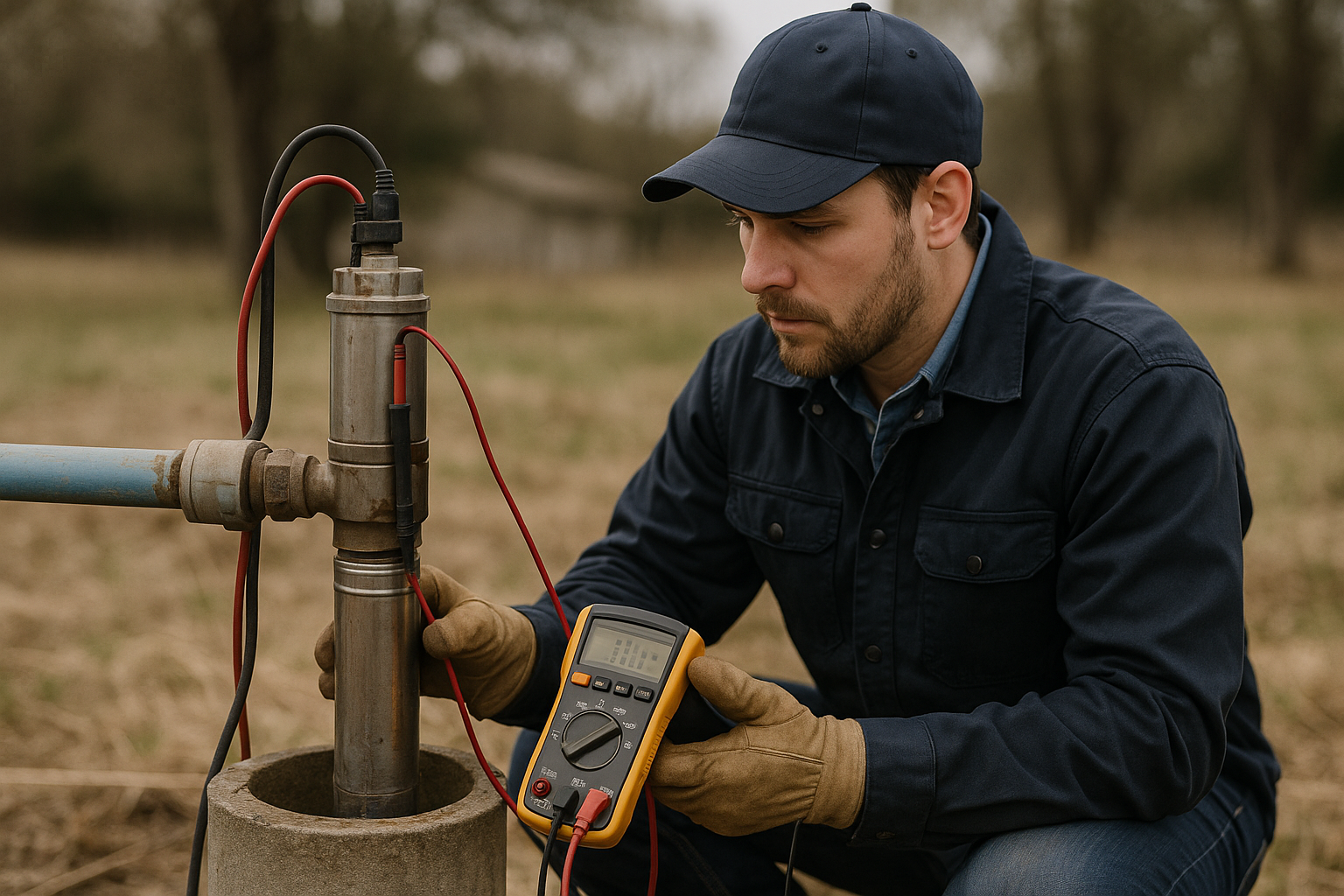
Low Water Pressure From Well: Complete Fix Guide
Diagnose and solve low pressure problems
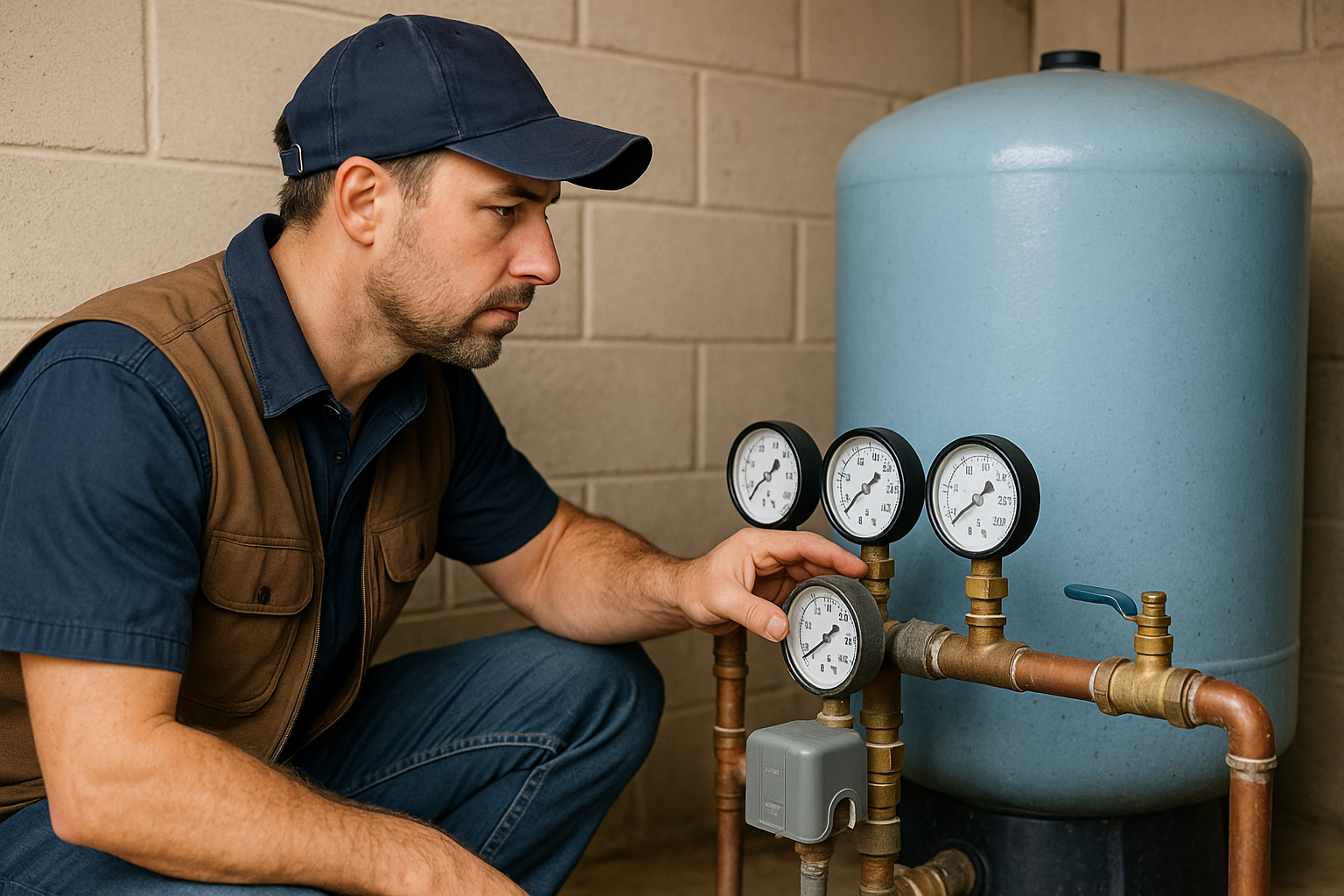
Well Pressure Switch: Settings, Adjustment & Replacement
Everything about pressure switches
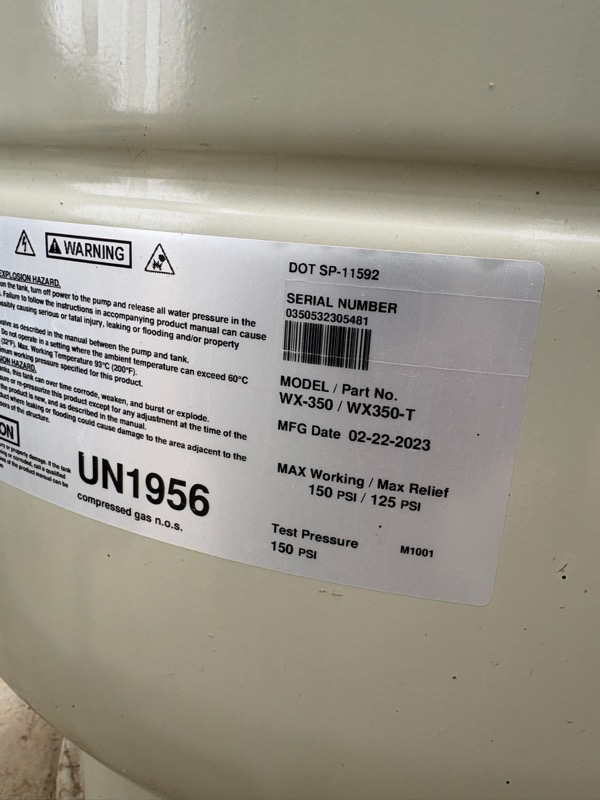
Pressure Tank Maintenance: Complete Guide
Keep your pressure tank working properly
Reliable Low Water Pressure Solutions for Lake Morena Well Owners
Living at Lake Morena means living at the far eastern edge of San Diego County, up in the backcountry near the Laguna Mountains at roughly 3,000 feet of elevation. Out here in Campo, surrounded by oak woodland, chaparral, and open grassland, the nearest big-box hardware store is a long drive away and almost every home runs on its own private well. That independence is part of the appeal, but it also means a drop in water pressure is your problem to solve, and the granitic mountain geology of this area makes those problems distinctive. Decomposed-granite soils, fractured bedrock, low-yield wells, and a semi-arid climate that depends on seasonal recharge all shape how water moves to your taps. At Southern California Well Service, we have, since 2020, working wells across San Diego County backcountry and mountain communities, earning CSLB #1086994. We bring that experience to every Lake Morena property, from the lakeside cabins to the ranches scattered toward Potrero and Boulevard. Call us at (760) 440-8520 for prompt, knowledgeable service.
How Your Well Water Pressure System Works
Understanding the four core components of a well system makes it much easier to recognize where trouble starts. First is the pump, which lifts groundwater from deep in the bore to the surface. In the fractured bedrock around Lake Morena, wells are often drilled deep and rely on submersible pumps. The water then enters a pressure tank, where a captive air charge or bladder stores a reserve of pressurized water so your pump is not forced to cycle on every time you turn a faucet. The pressure switch watches that stored pressure and signals the pump to start at the cut-in point (commonly around 40 PSI) and stop at the cut-out point (commonly around 60 PSI). Some homes go further with a constant-pressure system, which uses a variable-frequency drive to vary pump speed and hold a steady pressure no matter how many fixtures are running. When the pump weakens, the tank loses its charge, the switch falls out of calibration, or scale narrows the plumbing, the result you feel at the showerhead is low or surging pressure.
Common Local Causes of Low Pressure in Lake Morena
The high-elevation, semi-arid backcountry around Lake Morena produces a recognizable cluster of pressure problems. Knowing the local patterns helps us diagnose faster.
- Low-yield fractured-bedrock wells: Groundwater here is held in fissures within granitic bedrock rather than in a generous sandy aquifer, so many Lake Morena wells produce modest amounts of water. When demand outpaces the well's slow recovery, pressure sags, especially in summer.
- Limited seasonal recharge: At 3,000 feet in a semi-arid climate, the water table depends on seasonal rain and the occasional mountain snow. After a dry winter, static levels fall, the pump lifts water farther, and pressure declines through the dry months.
- Decomposed granite and sediment: The decomposed-granite soils common across this backcountry shed fine grit that infiltrates pumps, well screens, and pressure tanks, wearing components and clogging filters and fixtures.
- Mineral scaling: Hard mountain groundwater deposits scale inside pipes, pump impellers, and tank fittings, slowly constricting flow and trimming pressure over the years.
- Failing pressure tanks: A tank that has lost its air charge or has a ruptured bladder makes the pump short-cycle and pressure surge, a frequent finding on older backcountry homes.
- Elevation and steep terrain: Properties set on the slopes and ridges of the eastern San Diego County mountains face natural pressure loss from elevation gain between the wellhead and the house if the pump was never sized for the climb.
What You Can Check Yourself First
Before you call, a handful of safe checks can narrow things down. Never open the well cap or handle wiring you are not comfortable with.
- Read the pressure gauge. Find the gauge at your pressure tank. A healthy system swings between about 40 and 60 PSI. A reading parked below 30 PSI confirms a genuine pressure problem.
- Listen to the pump cycle. Run a faucet and listen. Rapid clicking on and off (short-cycling) usually points to the pressure tank.
- Compare fixtures. If only one tap is weak, the culprit is likely a clogged aerator or that fixture, not the well or pump.
- Inspect sediment filters. A filter loaded with decomposed-granite grit chokes flow. Replace it and see whether pressure recovers.
- Knock on the pressure tank. It should ring hollow up top and sound solid low down. A tank that feels solid all the way up is likely waterlogged.
- Scan for leaks. Walk the line from wellhead to home looking for damp ground or dripping fittings, which stand out in the dry backcountry soil.
When to Call a Professional
Certain symptoms mean the trouble is downhole or electrical, where DIY guessing gets expensive fast. Reach out immediately if you have no water or a sudden collapse in pressure, which can indicate pump failure or a well drawing down in a dry season. A pump that short-cycles after you have checked the tank, grinding or humming from the pump, repeated breaker trips, water that turns sandy or cloudy, or low pressure that lingers after your own checks all call for a professional. Pulling a submersible pump from a deep mountain well requires specialized equipment, and the remote location near Campo, Potrero, and the Tecate border means you want it done right the first time. We offer same-day emergency service to the Lake Morena backcountry so a no-water day does not stretch on.
Realistic Cost Ranges in Lake Morena
Costs vary with well depth, access, and equipment, but these 2026 ranges give Lake Morena well owners a grounded estimate for the most common work. Every job starts with a diagnostic visit of $125, which we credit toward any repair you approve, so the assessment is never an extra charge.
- Pressure switch replacement: $150 to $350
- Pressure tank replacement: $600 to $1,500
- Pump replacement: $2,500 to $5,500
- Sediment filtration system: $300 to $900
- Iron/manganese filter or water softener: $1,500 to $3,500
- Constant-pressure or booster system: $2,000 to $4,500
- New well, turnkey: $18,000 to $42,000
- Hydrofracturing to boost a low-yield well: $3,000 to $8,000
- Well abandonment/decommissioning: $1,500 to $5,000
We give you a clear written quote before any work begins and favor the most economical fix that actually solves the problem, rather than pushing an unnecessary replacement.
Serving Lake Morena and the Surrounding Area
Southern California Well Service serves well owners throughout Lake Morena and the surrounding East County San Diego backcountry, including Campo, Potrero, Pine Valley, Boulevard, Buckman Springs, the Tecate border area, and the communities bordering Cleveland National Forest. We handle submersible and jet pumps, pressure tanks, switches, constant-pressure systems, filtration, and complete well rehabilitation across these rugged mountain miles. Our two offices keep us within reach of even remote parcels: the Ramona office at 1077 Main St, Ramona, CA 92065, and the Anza office at 57174 CA-371 (US Hwy 79), Anza, CA 92539. Because we are licensed, local, and stocked for the work, we can offer same-day emergency response when your mountain property suddenly loses water.
Frequently Asked Questions About Low Water Pressure in Lake Morena
Why does my Lake Morena well struggle in late summer and fall?
The fractured-bedrock aquifers at this 3,000-foot elevation recharge mainly from winter rain and occasional snow. By late summer, after a dry stretch, the water table drops, the pump has to lift water farther, and a naturally low-yield well can fall behind demand. We can measure your well's recovery rate and advise whether storage, conservation, or hydrofracturing is the right move.
My water has sandy grit in it. Is that a well problem?
Usually, yes. The decomposed-granite soils throughout the Campo and Lake Morena backcountry shed fine sand that can enter through a worn well screen or a failing pump and then clog fixtures and filters. We can pinpoint the source and install proper sediment filtration so the grit stops reaching your plumbing and wearing out equipment.
Does the high elevation around Lake Morena affect my water pressure?
It can. At roughly 3,000 feet, homes set on slopes or ridges lose pressure to elevation gain between the wellhead and the house, and a pump that was undersized for that climb will deliver weak pressure. A correctly sized pump or a booster system usually resolves it, and we size the equipment to your specific terrain.
Do you really provide same-day service this far out near Campo and the border?
Yes. We regularly serve the remote backcountry of East County San Diego, including Lake Morena, Campo, Potrero, and the Tecate border area, and we offer same-day emergency response. With offices in Ramona and Anza, we keep technicians and parts close enough to reach the mountains quickly.
Is hydrofracturing worthwhile for a low-yield Lake Morena well?
For a well drilled into fractured granite that simply will not produce enough water, hydrofracturing can open new water-bearing fractures and meaningfully raise yield, often for far less than a brand-new well. We evaluate your well's depth, construction, and current output first, then advise honestly on whether it is likely to help in your case.
Can cold mountain winters at Lake Morena damage my well system?
They can. Freezing temperatures at this elevation can affect exposed pressure tanks, above-ground plumbing, and pressure switches, sometimes showing up as low or erratic pressure in winter. We can insulate and protect vulnerable components and check that your tank's air charge is set correctly so cold snaps do not knock out your water.
Ready to fix low water pressure at your Lake Morena property? Call Southern California Well Service at (760) 440-8520 or text (760) 219-5877 for same-day service. Licensed C-57, founded 2020.