
Low Water Pressure Solutions in Lake Murray
Dealing with weak water pressure in Lake Murray? Low water pressure can make showers frustrating and appliances ineffective. Our team diagnoses the root cause and restores your water pressure fast.
📋 In This Guide
Need Low Water Pressure Solutions in Lake Murray?
We serve Lake Murray and all of San Diego County. Licensed C-57 contractor (CSLB #1086994), founded 2020.
Call: (760) 440-8520Our Low Water Pressure Solutions Services
- Pressure tank repair and replacement
- Pressure switch adjustment
- Pump upgrades for better pressure
- Constant pressure systems
- Booster pump installation
- Clogged pipe diagnosis
- Well yield testing
- Complete system evaluation
Why Lake Murray Chooses SCWS
✓ Local Expertise
We know San Diego County geology and wells
✓ Fast Response
Same-day service for Lake Murray
✓ Fair Pricing
Honest quotes, no surprises
✓ Quality Work
CSLB #1086994 · founded 2020
Our Locations
Related Articles
Continue learning about well maintenance and troubleshooting
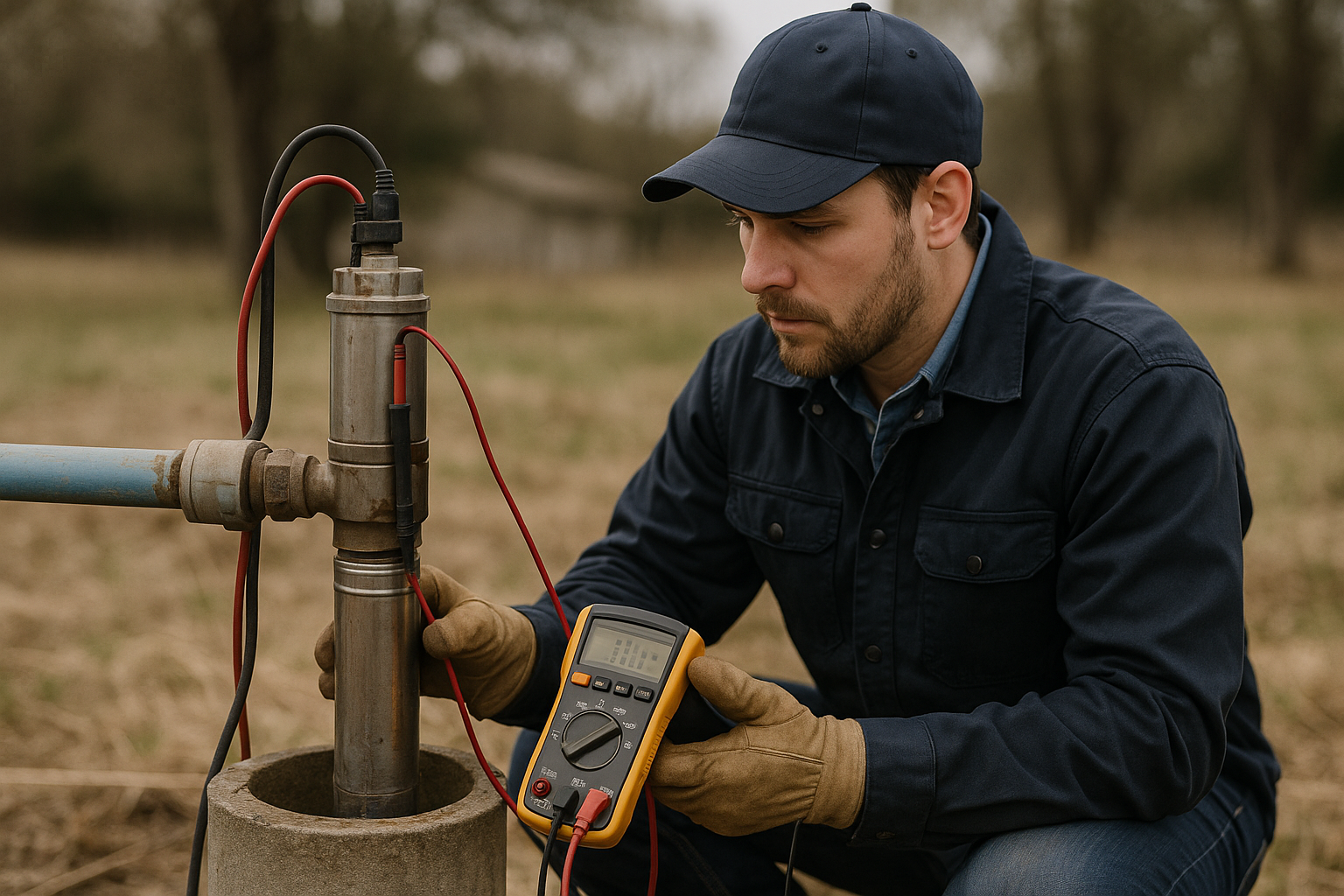
Low Water Pressure From Well: Complete Fix Guide
Diagnose and solve low pressure problems
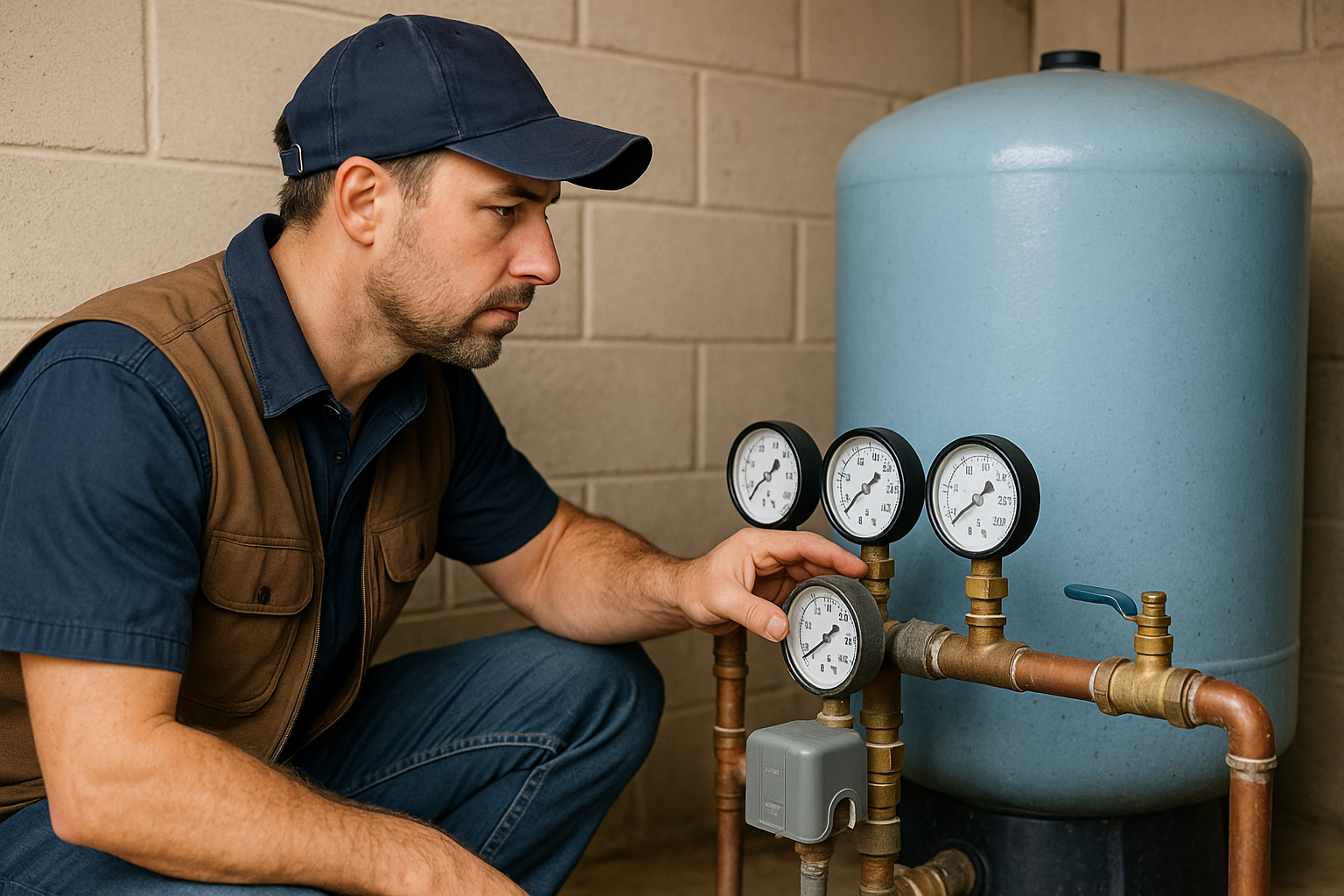
Well Pressure Switch: Settings, Adjustment & Replacement
Everything about pressure switches
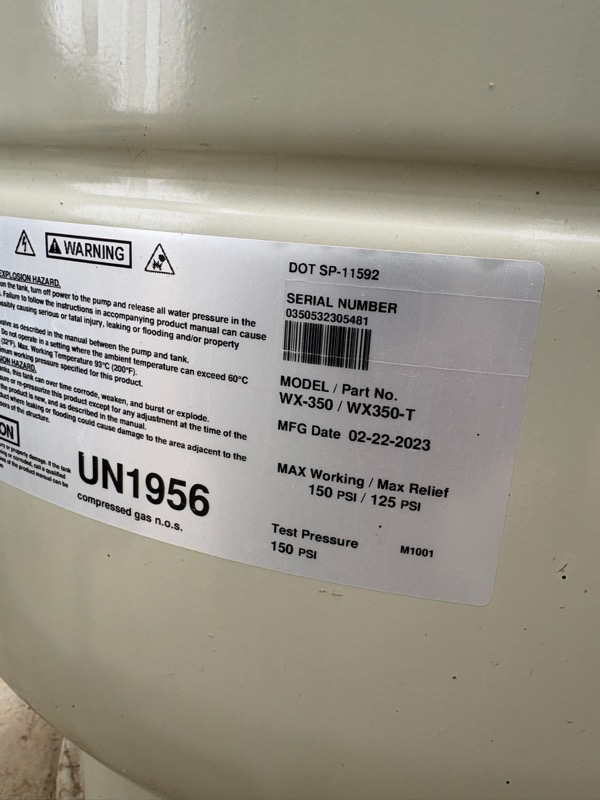
Pressure Tank Maintenance: Complete Guide
Keep your pressure tank working properly
Restoring Strong Well Water Pressure for Lake Murray and East County San Diego Homes
If you own a well-served property in the greater Lake Murray area, weak water pressure is more than an annoyance. It slows showers, starves irrigation lines and leaves appliances half-filled. Lake Murray itself is a reservoir tucked into the San Carlos and Del Cerro neighborhoods of the City of San Diego, sitting right on the La Mesa border inside Mission Trails Regional Park, in eastern San Diego County. While most homes immediately around the lake draw municipal water, the foothill properties spreading out into Santee, Lakeside, El Cajon, Spring Valley and the higher reaches of La Mesa frequently run on private wells. Those wells are drilled into the granitic and metamorphic bedrock of this semi-arid Mediterranean landscape, and that geology shapes nearly every pressure problem we see. At Southern California Well Service, a C-57 licensed contractor founded in 2020, with 60+ years of family heritage, we diagnose and repair these systems across the Lake Murray and East County San Diego region.
How a Well Water Pressure System Actually Works
Understanding the four core parts of your system makes a low-pressure diagnosis far less mysterious. Water sits in your well, and a pump, usually a submersible unit set deep in the borehole or a jet pump at the surface, lifts it up and pushes it toward the house. That water flows into a pressure tank, a steel vessel with a cushion of compressed air above a bladder or diaphragm. As water enters, it compresses the air; that stored air is what holds steady pressure at your taps between pump cycles. A pressure switch watches the tank and turns the pump on at a low set point and off at a high one, commonly a 40/60 PSI range. Many modern Lake Murray-area homes instead use a constant-pressure system, where a variable-speed drive ramps the pump up and down on demand so the shower never surges or sags when another fixture opens. When any one of these components drifts out of spec, you feel it instantly at the fixture.
Common Local Causes of Low Pressure Around Lake Murray
The foothills east of San Diego present a specific set of pressure culprits, and decades of local work have made the patterns clear:
- Hard-water scaling: The granitic bedrock of the La Mesa and Lakeside foothills produces notably hard water. Calcium and magnesium plate out on pump impellers, inside galvanized pipes and across pressure tanks, steadily choking flow.
- Low-yield fractured-rock wells: In the backcountry surrounding Lake Murray, water hides in thin fractures rather than broad sand aquifers. During the long dry season, those fractures recharge slowly and the well simply cannot keep the pump fed, so pressure sags by afternoon.
- Failing pressure tanks: A waterlogged tank that has lost its air charge causes the pump to short-cycle and pressure to bounce. This is one of the most common and most affordable fixes we make.
- Worn pumps: Years of pushing hard, gritty water wear out impellers and motors. An aging submersible quietly loses output long before it fails outright.
- Corroded or undersized plumbing: Older Spring Valley and El Cajon homes often still carry galvanized steel that corrodes inward, narrowing the bore and strangling pressure even when the well and pump are healthy.
- Elevation and terrain: Hillside lots in this rolling foothill country demand extra lift. A pump sized for a flat parcel can fall short on a property where the house sits well above the wellhead.
What to Check Yourself Before Calling
A few safe checks can save you a service call or at least sharpen the diagnosis:
- Confirm the problem is system-wide. If only one faucet is weak, you likely have a clogged aerator or fixture, not a well issue.
- Look at the pressure gauge near your tank. Note where the pump kicks on and off; a range far from 40/60 PSI points to a switch or tank problem.
- Tap the side of the pressure tank. A hollow ring up high and a dull thud down low is normal; a tank that sounds full of water everywhere has likely lost its air charge.
- Check your breaker and the pressure switch for obvious signs of burning, ants or corrosion, a frequent gremlin in outdoor East County equipment.
- Watch for short-cycling, where the pump rapidly clicks on and off. Shut the system down and call us before that pattern burns out the motor.
When to Call a Professional
Some symptoms should never wait. Call us right away if you have no water at all, if pressure collapsed overnight, if the pump runs constantly without building pressure, or if you hear grinding or hammering from the equipment. Visible leaks at the wellhead or tank, cloudy or sandy water, and any electrical smell around the pump controls all warrant a professional. Pulling a submersible pump and properly testing well yield require specialized rigs and training, and guessing wrong on a deep East County well is expensive. When a DIY tank or switch check does not restore pressure, a deeper issue is usually in play and a precise diagnosis pays for itself.
Realistic Cost Ranges in Lake Murray
Pricing depends on your well depth, equipment and the root cause, but these ranges reflect typical Lake Murray-area work:
- Pressure switch replacement: $150 to $350
- Pressure tank replacement: $600 to $1,500
- Pump replacement: $2,500 to $5,500
- Sediment filtration: $300 to $900
- Iron/manganese filter or water softener: $1,500 to $3,500
- Constant-pressure or booster system: $2,000 to $4,500
- New well, turnkey: $18,000 to $42,000
- Hydrofracturing to boost a low-yield well: $3,000 to $8,000
- Well abandonment or decommissioning: $1,500 to $5,000
Our diagnostic visit is $125 and is credited toward any repair you approve, so the assessment that pinpoints the problem also lowers the cost of fixing it.
Serving Lake Murray and the Surrounding Area
Southern California Well Service covers the greater Lake Murray and East County San Diego region, including San Carlos, Del Cerro, La Mesa, Santee, Lakeside, El Cajon, Spring Valley and the neighborhoods bordering Mission Trails Regional Park. We work from two offices, our Ramona office at 1077 Main St, Ramona, CA 92065 and our Anza office at 57174 CA-371 (US Hwy 79), Anza, CA 92539, which lets us reach foothill properties quickly. Same-day emergency service is available when you are out of water, and every job is backed by our C-57 license, founded in 2020 in local wells across San Diego County.
Frequently Asked Questions About Low Water Pressure in Lake Murray
Why is my well water pressure low if I live near Lake Murray in San Diego County?
In the East County foothills around Lake Murray, La Mesa, Santee and Lakeside, low pressure usually traces back to a worn or scaled pump, a failed pressure tank that has lost its air charge, or a low-yield fractured-rock well. The granitic and decomposed-granite terrain stores water in narrow fractures, so even a healthy well can struggle during dry months. A multi-point pressure test tells us whether the loss is at the pump, the tank or the household plumbing.
What pressure should my well system hold at the house?
Most San Diego County homes run comfortably at 40 to 60 PSI. Your pump and pressure switch are typically set to a 40/60 cut-in/cut-out range. If your gauge sits below 30 PSI, or swings wildly while a faucet runs, something in the pump, switch or tank is failing and should be checked.
Is hard water causing my pressure problems in the Lake Murray area?
Often, yes. Groundwater in the East County foothills is hard, carrying calcium and magnesium that scale up pump impellers, pipe walls and fixtures over years. Scale narrows the path water travels and drags pump efficiency down. A softener or a targeted descaling, combined with sediment filtration, restores flow and protects the equipment you already own.
How fast can Southern California Well Service reach a Lake Murray property?
We run two offices, Ramona and Anza, and cover the greater Lake Murray and East County San Diego area daily. Same-day emergency service is available when you have no water or a sudden pressure collapse. Call (760) 440-8520 or text (760) 219-5877 and we will schedule the soonest slot.
Do I need a new well, or can my low pressure be repaired?
Most low-pressure calls in the Lake Murray area are repairs, not replacements: a pressure switch, a tank, a pump, or filtration. A new well is a last resort reserved for collapsed casings or wells that have run permanently dry. We always quote the least invasive fix that solves the problem first, and a full new well is only recommended when the numbers genuinely justify it.
How much does it cost to fix low water pressure near Lake Murray?
It depends on the cause. A pressure switch runs 150 to 350 dollars, a pressure tank 600 to 1,500 dollars, and a pump replacement 2,500 to 5,500 dollars. Sediment filtration is 300 to 900 dollars and an iron, manganese or softener system is 1,500 to 3,500 dollars. Our diagnostic visit is 125 dollars and is credited toward any repair you approve.
Ready to fix low water pressure at your Lake Murray property? Call Southern California Well Service at (760) 440-8520 or text (760) 219-5877 for same-day service. Licensed C-57, founded 2020.