
Low Water Pressure Solutions in Lakeland Village
Dealing with weak water pressure in Lakeland Village? Low water pressure can make showers frustrating and appliances ineffective. Our team diagnoses the root cause and restores your water pressure fast.
📋 In This Guide
Need Low Water Pressure Solutions in Lakeland Village?
We serve Lakeland Village and all of Riverside County. Licensed C-57 contractor (CSLB #1086994), founded 2020.
Call: (760) 440-8520Our Low Water Pressure Solutions Services
- Pressure tank repair and replacement
- Pressure switch adjustment
- Pump upgrades for better pressure
- Constant pressure systems
- Booster pump installation
- Clogged pipe diagnosis
- Well yield testing
- Complete system evaluation
Why Lakeland Village Chooses SCWS
✓ Local Expertise
We know Riverside County geology and wells
✓ Fast Response
Same-day service for Lakeland Village
✓ Fair Pricing
Honest quotes, no surprises
✓ Quality Work
CSLB #1086994 · founded 2020
Our Locations
Related Articles
Continue learning about well maintenance and troubleshooting
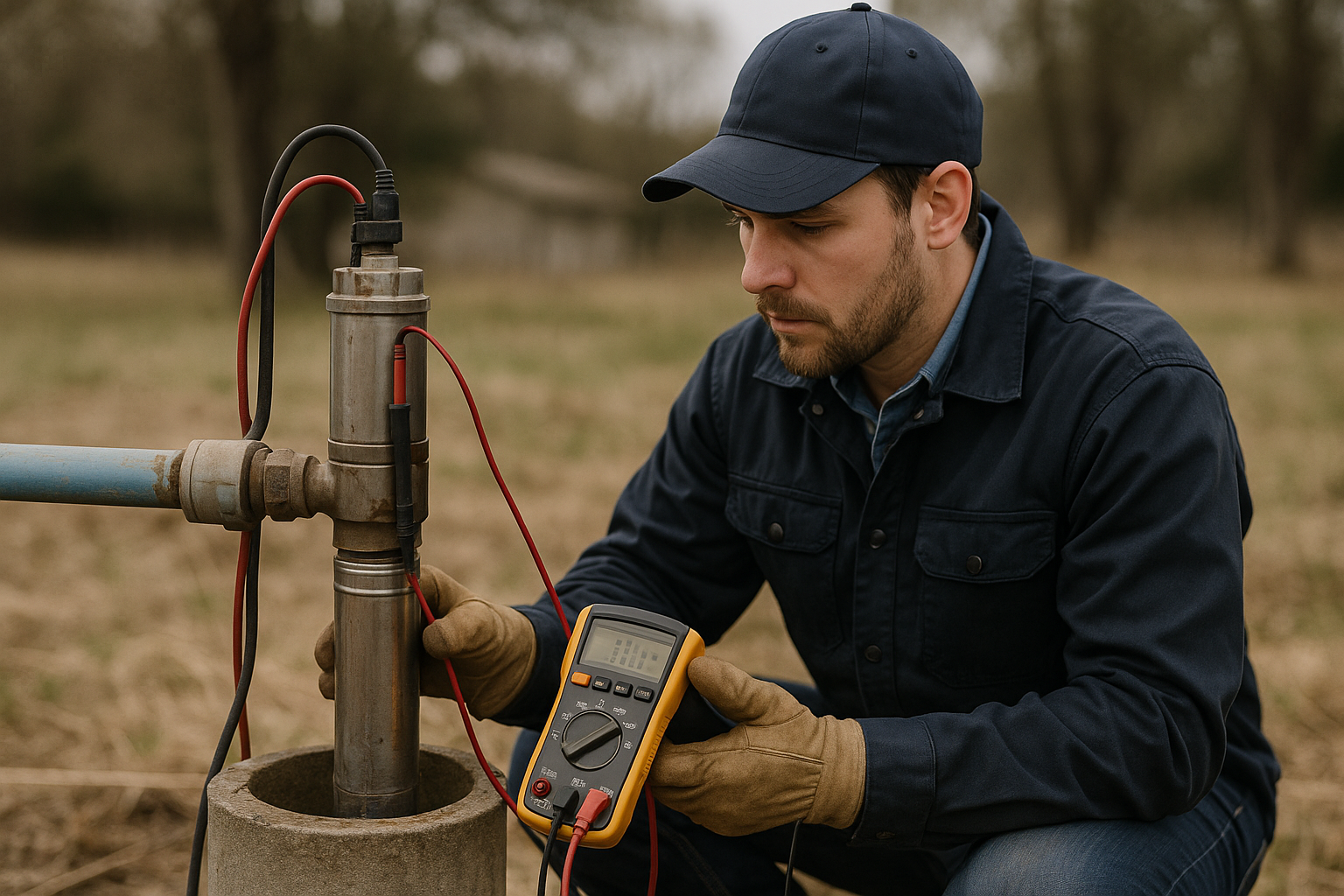
Low Water Pressure From Well: Complete Fix Guide
Diagnose and solve low pressure problems
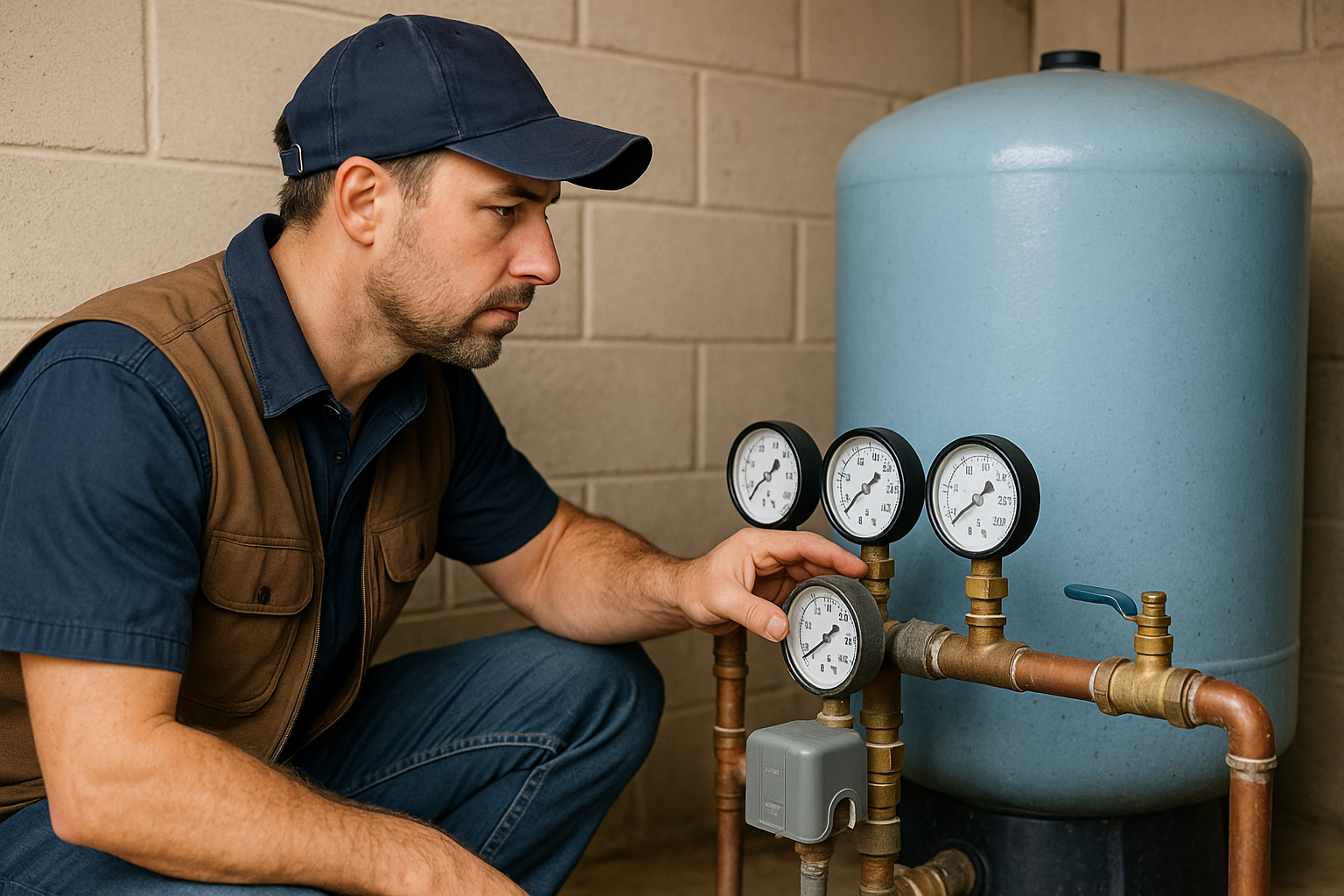
Well Pressure Switch: Settings, Adjustment & Replacement
Everything about pressure switches
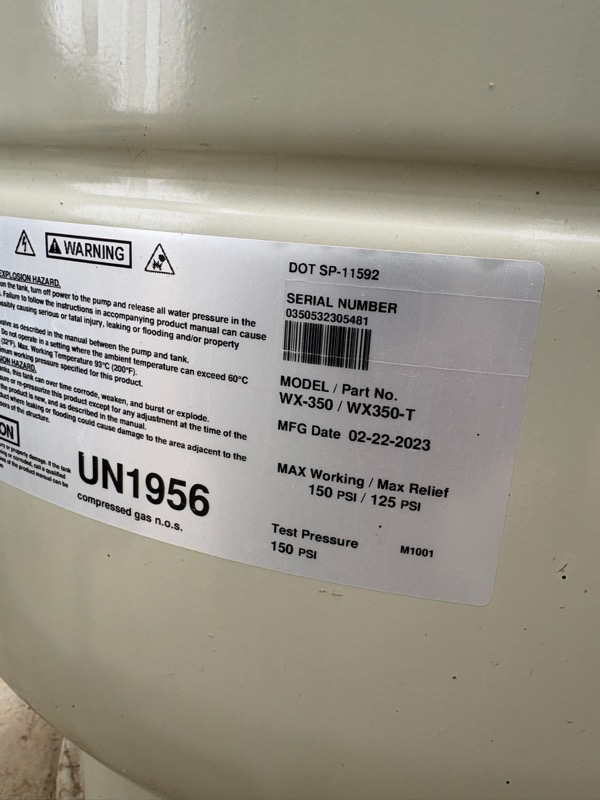
Pressure Tank Maintenance: Complete Guide
Keep your pressure tank working properly
Low Water Pressure Solutions for Lakeland Village Properties
As a Lakeland Village property owner with a private well, you rely on your water system daily. Located on the south shore of Lake Elsinore in western Riverside County, Lakeland Village is a community surrounded by unique geological and environmental conditions that can impact your well's performance. The local geology — characterized by alluvial sediments, sandy soils, and proximity to the lake — creates specific challenges that require experienced, local technicians who understand the area.
Why Local Expertise Matters in Lakeland Village
Generic well companies from outside Riverside County often lack insight into the specific terrain and subsurface conditions of areas like Lakeland Village. Well depths, water tables, and soil compositions vary significantly across Southern California. Positioned near Lake Elsinore, the area benefits from a relatively low elevation compared to inland regions, but the proximity to the lake and surrounding fault systems introduces unique groundwater dynamics. A technician familiar with Lakeland Village's specific conditions can diagnose problems faster and recommend the right solutions the first time, saving you time and money.
What Sets Southern California Well Service Apart
- Local Presence — With two offices in Ramona and Anza, we ensure faster response times to Lakeland Village, often same-day for emergencies.
- Full-Service — We handle everything from drilling to pump repair to water treatment, providing comprehensive solutions under one roof.
- Licensed C-57 — As a properly licensed well drilling contractor (CSLB #1086994), not just a plumber, we meet the highest industry standards.
- Fair Pricing — We provide honest assessments and avoid upselling unnecessary services, ensuring transparency.
- Emergency Service — Same-day response when you have no water, because we know how critical water access is in communities like Lakeland Village.
Understanding Low Water Pressure in Lakeland Village: Local Geology and Its Impact
Lakeland Village's position on the south shore of Lake Elsinore in western Riverside County places it within a region dominated by alluvial deposits, sandy soils, and sedimentary layers influenced by the nearby Elsinore Fault Zone. At an elevation of approximately 1,200 feet, the area experiences a semi-arid climate with annual rainfall averaging 10-12 inches, often concentrated in short, intense bursts. The geology here includes lake-adjacent sediments and gravelly alluvium, which can support shallow aquifers but are prone to seasonal fluctuations due to drought and lake level changes. Wells in this area typically range from 100 to 400 feet deep, tapping into unconsolidated sediments or fractured zones near the lake's influence.
This geological setting directly affects water pressure. The sandy and gravelly aquifers near Lake Elsinore can have high permeability, allowing water to move freely, but they are also susceptible to rapid depletion during dry periods. Proximity to the lake may introduce water quality issues, such as elevated salinity or organic content, which can affect system components. Additionally, the relatively low elevation means less vertical lift for pumps compared to higher inland areas, but fluctuating water tables tied to lake levels can still reduce well yield and pressure. Understanding these local factors is critical to diagnosing and solving low water pressure issues in Lakeland Village.
Common Causes of Low Water Pressure in Lakeland Village
Based on since 2020 of service in Riverside County, we've identified the most frequent causes of low water pressure in Lakeland Village homes and properties:
- Pump Failures Due to Sediment and Debris: The groundwater near Lake Elsinore often carries fine sand, silt, and organic matter from alluvial deposits, leading to wear on pump components. This reduces efficiency and output pressure over time.
- Pressure Tank Issues: Pressure tanks can lose air charge or develop bladder failures, particularly when exposed to sediment-laden water. A malfunctioning tank fails to maintain consistent pressure, causing fluctuations or weak flow.
- Low Well Yield During Droughts: Southern California's arid climate, combined with Lakeland Village's dependence on seasonal rainfall, stresses wells during dry seasons. Reduced aquifer recharge, often tied to low lake levels, can drop the water table below your pump's intake, lowering pressure.
- Clogged Pipes and Filters from Lake-Influenced Water: Sediment and organic debris from the lake vicinity can accumulate in pipes, fittings, and filters, restricting flow. Algae or bacterial growth, common near surface water bodies, can also form blockages.
- Electrical Issues from Power Fluctuations: Areas near Lakeland Village may experience inconsistent power supply, especially during peak demand or storms, affecting pump performance. Voltage drops or surges can prevent pumps from operating at full capacity.
- Water Table Fluctuations Tied to Lake Levels: Lake Elsinore's water levels vary with rainfall and usage, directly impacting nearby aquifers. During dry years, wells in Lakeland Village may struggle to maintain adequate pressure due to reduced groundwater availability.
Diagnosing Low Water Pressure in Lakeland Village
Diagnosing the root cause of low water pressure requires a systematic approach tailored to Lakeland Village's unique conditions. At Southern California Well Service, our process includes:
- Initial Assessment: We start by discussing your symptoms—weak showers, slow-filling appliances, or pressure fluctuations—and review your well's history and maintenance records if available.
- Pressure Testing: Using specialized gauges, we measure pressure at multiple points (pump outlet, pressure tank, and household fixtures) to identify where the loss occurs. Normal household pressure should be 40-60 PSI; anything below 30 PSI indicates a problem.
- Flow Rate Analysis: We test your well's yield in gallons per minute (GPM). Many Lakeland Village wells produce 8-20 GPM under ideal conditions, but drought or lake level drops can reduce this significantly.
- Pump Inspection: We check for wear, sediment buildup, or electrical issues in your submersible or jet pump. A failing impeller or motor, often clogged by lake-derived debris, can drastically reduce pressure.
- Pressure Tank Evaluation: We inspect the tank for proper air charge (typically 2 PSI below the pump's cut-in pressure) and test the bladder or diaphragm for leaks.
- Water Quality Testing: Sediment, salinity, or organic content from Lake Elsinore's influence can contribute to clogs. We sample your water to identify issues that might affect system performance.
- Geological and Seasonal Factors: We consider Lakeland Village's alluvial geology, proximity to the lake, and drought history to determine if low yield or recharge issues tied to lake levels are at play.
This comprehensive diagnosis typically takes 1-2 hours and costs $150-$250, depending on the complexity. We provide a detailed report and recommendations, ensuring you understand the problem before proceeding with repairs.
Solutions for Low Water Pressure in Lakeland Village
Once we've identified the cause, we offer targeted solutions to restore your water pressure. Here are common fixes, along with estimated costs for Lakeland Village properties (as of 2026, subject to change based on equipment and labor rates):
- Pump Repair or Replacement: If sediment or wear is the issue, we can clean or rebuild a submersible pump for $500-$800. Full replacement with a high-quality 3/4 HP pump suited for shallow to mid-depth wells costs $1,000-$1,800, including labor.
- Pressure Tank Replacement: A failing tank can be replaced with a 20-40 gallon model for $600-$1,000. For larger homes, a 60-80 gallon tank may be needed, costing $1,200-$1,800 installed.
- Booster Pump Installation: For properties struggling with pressure loss due to demand or minor elevation changes, a booster pump can increase household PSI. Installation ranges from $800-$1,500, depending on capacity and plumbing requirements.
- Constant Pressure System: For consistent pressure regardless of demand, we install variable frequency drive (VFD) systems. These adjust pump speed dynamically and cost $2,500-$4,000, ideal for larger Lakeland Village homes or properties with variable usage.
- Pipe and Filter Cleaning/Replacement: Clearing sediment or organic clogs costs $300-$600. If pipes are severely blocked by lake-derived debris, partial replacement may be needed at $50-$100 per linear foot.
- Well Deepening or Rehabilitation: If low yield due to a dropped water table tied to Lake Elsinore levels is the issue, deepening your well or hydrofracturing to open new fissures can help. This is a last resort, costing $4,000-$8,000 or more, depending on depth and geology.
- Water Treatment for Sediment and Organics: Installing a sediment filter ($300-$700) or UV disinfection system ($800-$1,200) can prevent future buildup in pumps and pipes, preserving pressure long-term, especially near lake-influenced aquifers.
All solutions are customized to your well's depth, yield, and the specific demands of your Lakeland Village property. We prioritize cost-effective repairs over replacements when possible and provide upfront quotes with no hidden fees.
Maintenance Tips to Prevent Low Water Pressure
Preventative maintenance is key to avoiding low water pressure issues in Lakeland Village's lake-adjacent environment. Here are actionable tips to keep your system running smoothly:
- Annual Inspections: Schedule a professional well check-up annually, ideally before the dry season. We inspect pumps, tanks, and pressure switches for $150-$200, catching issues early.
- Monitor Pressure Tank Air Charge: Check the air pressure in your tank monthly using a tire gauge (should be 2 PSI below your pump's cut-in setting). Add air with a compressor if needed, or call us for assistance.
- Flush Sediment Regularly: Open a hose bib or outdoor faucet quarterly to flush sediment from your system. This prevents buildup in pipes and filters, especially given Lakeland Village's alluvial and lake-derived sediments.
- Test Water Quality: Test for sediment, salinity, and bacteria every 1-2 years ($50-$100 per test). Treating these issues early prevents clogs that reduce pressure, particularly near Lake Elsinore.
- Conserve Water During Droughts: Reduce usage during dry months to avoid overtaxing your well, especially when lake levels drop. Fix leaks promptly and consider low-flow fixtures to ease pump strain.
- Protect Electrical Components: Use surge protectors on pump controls to guard against power fluctuations common in areas near Lakeland Village. A basic protector costs $20-$50.
Following these steps can extend the life of your well system and maintain consistent pressure. However, Lakeland Village's proximity to Lake Elsinore and seasonal water table changes mean even well-maintained systems can encounter issues over time.
When to Call a Professional in Lakeland Village
While some maintenance can be DIY, certain signs indicate it's time to call Southern California Well Service for expert help. Contact us at (760) 440-8520 if you experience:
- Sudden Loss of Pressure: If pressure drops overnight or without obvious cause, it could signal pump failure or a major leak requiring immediate attention.
- No Water Flow: A complete loss of water often means a failed pump, dropped water table tied to lake levels, or electrical issue—don't delay in calling for emergency service.
- Persistent Fluctuations: If pressure cycles between high and low, your pressure tank or switch may be failing, risking further system damage if ignored.
- Visible Sediment or Discoloration: Cloudy water or unusual odors suggest aquifer changes or pipe corrosion, often linked to Lake Elsinore's influence, which can clog systems and reduce pressure.
- Unusual Pump Noises: Grinding, clicking, or frequent on-off cycling indicates mechanical issues, potentially from sediment wear, that need professional diagnosis to prevent total failure.
- High Electric Bills: A sudden spike may mean your pump is overworking due to low yield or clogs, especially during Lakeland Village's dry seasons when lake levels impact aquifers.
Founded in 2020, with 60+ years of family heritage, Southern California Well Service is your trusted partner for resolving low water pressure in Lakeland Village. We understand the unique challenges of this community on Lake Elsinore's south shore, from alluvial aquifers to seasonal lake level impacts. Don't let weak water pressure disrupt your life—call us today for a thorough diagnosis and lasting solutions.
Frequently Asked Questions
What county is Lakeland Village in and do you serve it?
Lakeland Village is an unincorporated community on the south shore of Lake Elsinore in western Riverside County. Southern California Well Service covers Lakeland Village and the surrounding Riverside County area from our Ramona and Anza offices, with same-day emergency response available.
How deep are wells around Lakeland Village?
Wells in the Lakeland Village area typically run 100 to 400 feet deep, tapping unconsolidated sediments and fractured zones near Lake Elsinore. Because the water table fluctuates with lake levels and drought, yield and pressure can vary seasonally.
Why does my Lakeland Village well lose pressure?
Common causes are sediment and fine sand wearing on the pump, a pressure tank that has lost its air charge, low yield during drought as the water table drops with lake levels, clogged pipes and filters from lake-influenced water, and power fluctuations. A pressure test and yield test isolate the real cause.
What does it cost to fix low water pressure here?
A pressure switch runs $150-$350, a pressure tank $600-$1,500, and a pump replacement $2,500-$5,500. A constant-pressure or booster system is $2,000-$4,500, sediment filtration $300-$900, and hydrofracturing a low-yield well $3,000-$8,000. We start with a $125 diagnostic that is credited toward the repair.
Does Lake Elsinore affect my well?
It can. Lakeland Village wells draw from aquifers tied to Lake Elsinore, so when lake levels and rainfall drop during dry years, the local water table can fall too, reducing yield and pressure. Lake-influenced water may also carry sediment and organics that clog systems.
Are you licensed and how fast can you respond?
We are a licensed C-57 water well contractor (CSLB #1086994) founded in 2020, with 60+ years of family heritage. We offer same-day emergency service for no-water and sudden-pressure-loss calls in Lakeland Village and across western Riverside County.