
Low Water Pressure Solutions in Linda Vista
Dealing with weak water pressure in Linda Vista? Low water pressure can make showers frustrating and appliances ineffective. Our team diagnoses the root cause and restores your water pressure fast.
📋 In This Guide
Need Low Water Pressure Solutions in Linda Vista?
We serve Linda Vista and all of San Diego County. Licensed C-57 contractor (CSLB #1086994), founded 2020.
Call: (760) 440-8520Our Low Water Pressure Solutions Services
- Pressure tank repair and replacement
- Pressure switch adjustment
- Pump upgrades for better pressure
- Constant pressure systems
- Booster pump installation
- Clogged pipe diagnosis
- Well yield testing
- Complete system evaluation
Why Linda Vista Chooses SCWS
✓ Local Expertise
We know San Diego County geology and wells
✓ Fast Response
Same-day service for Linda Vista
✓ Fair Pricing
Honest quotes, no surprises
✓ Quality Work
CSLB #1086994 · founded 2020
Our Locations
Related Articles
Continue learning about well maintenance and troubleshooting
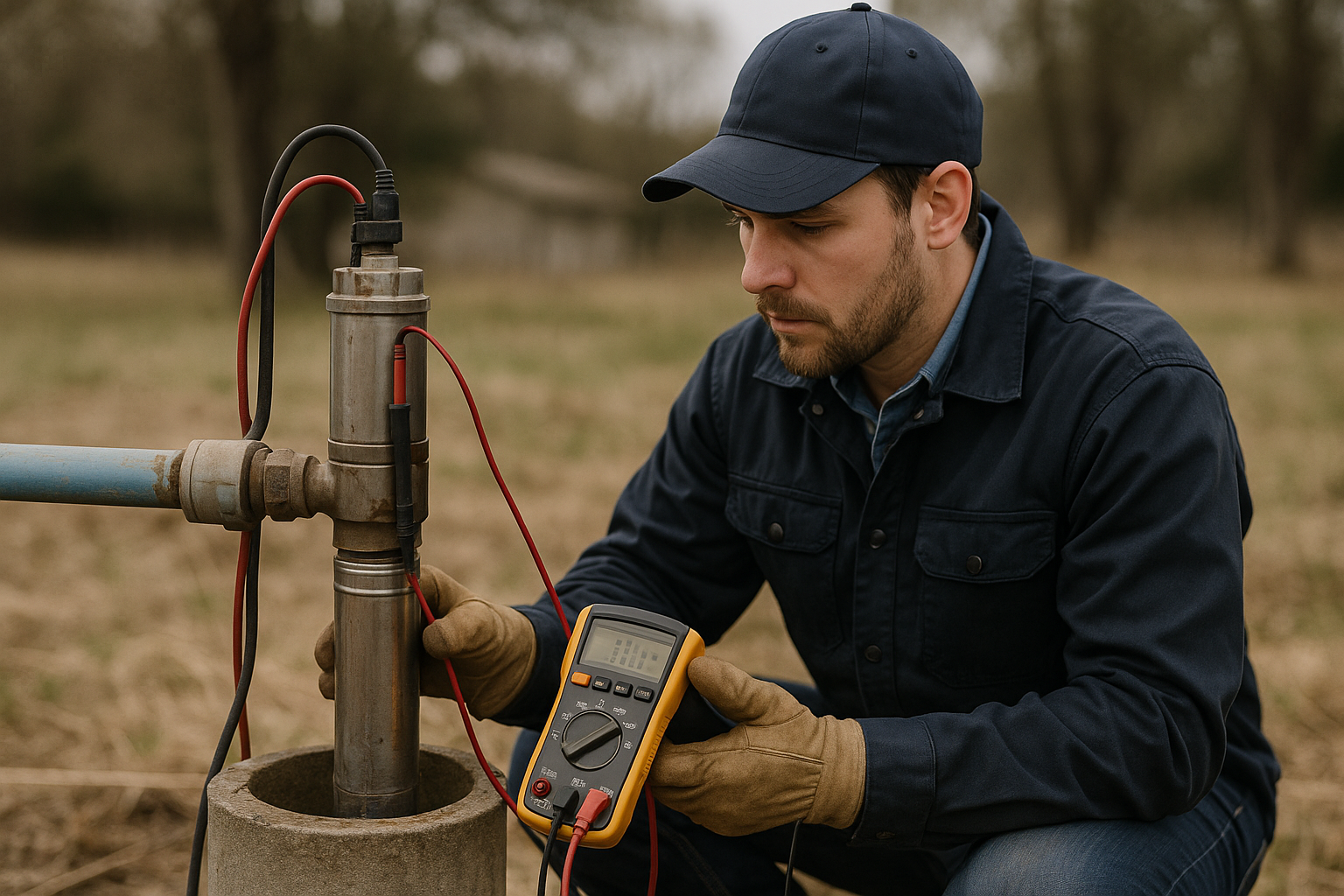
Low Water Pressure From Well: Complete Fix Guide
Diagnose and solve low pressure problems
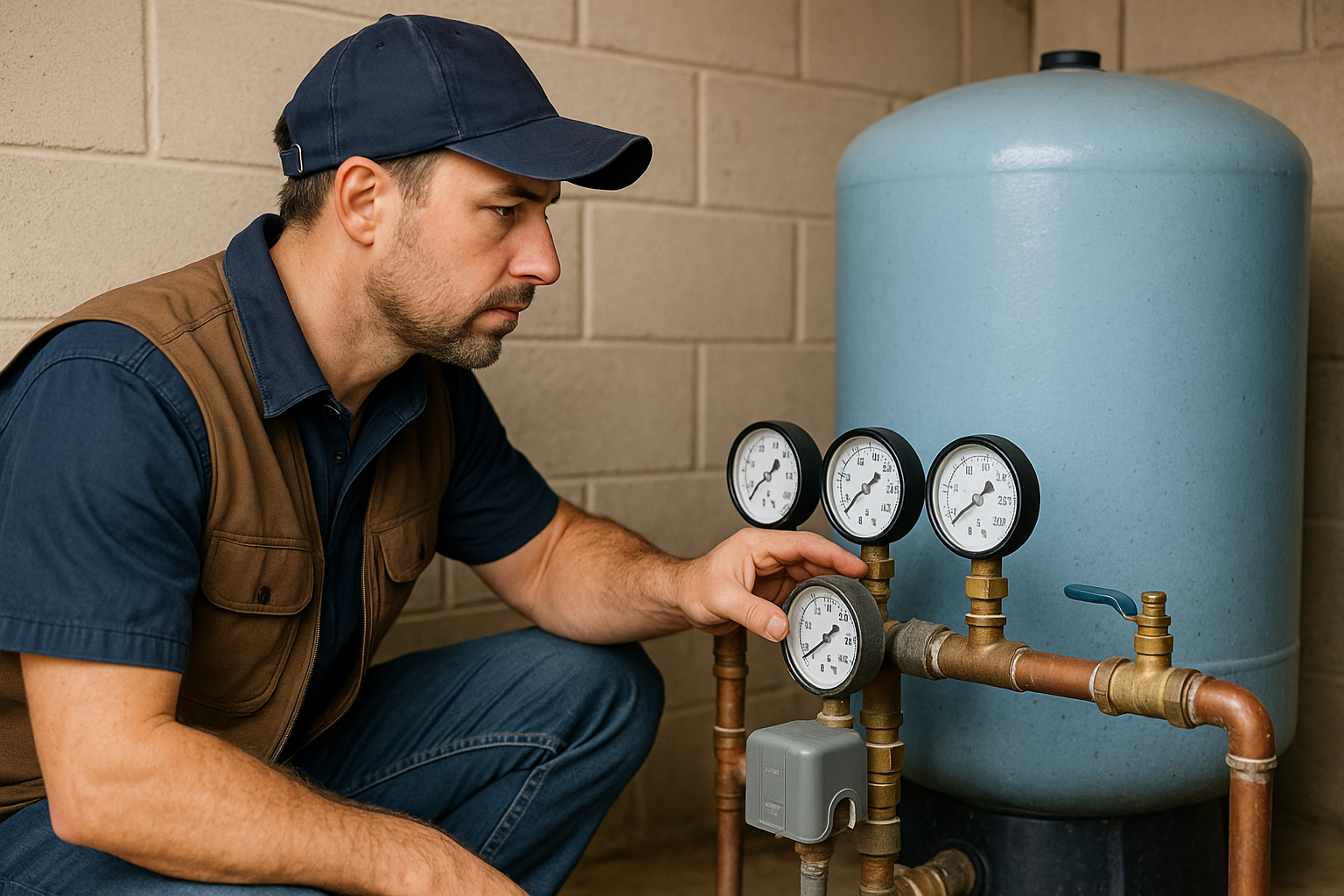
Well Pressure Switch: Settings, Adjustment & Replacement
Everything about pressure switches
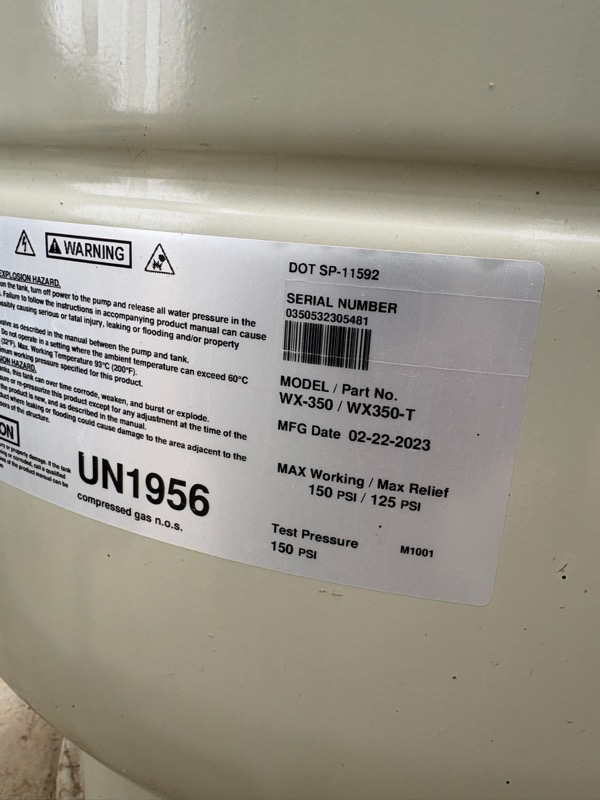
Pressure Tank Maintenance: Complete Guide
Keep your pressure tank working properly
Restoring Strong Water Pressure in Linda Vista
Linda Vista sits on a broad mesa above Mission Valley in the heart of the City of San Diego, bordered by Tecolote Canyon Natural Park, Kearny Mesa, Bay Park, and the University of San Diego campus. While most of the neighborhood is served by city water, properties along the canyon rims and on the larger lots that back up to Tecolote and Marian Bear open space often rely on private wells, supplemental irrigation wells, or older boosted systems left over from when this part of San Diego County was far more rural. When pressure drops on one of those systems, it shows up the same way everywhere: a shower that fades to a trickle when the dishwasher runs, sprinklers that barely reach the edge of the lawn, and a washing machine that takes forever to fill.
Low water pressure is rarely random. It is almost always a symptom of a specific, fixable problem somewhere between your well and your fixtures. The trick is knowing where to look, and that is where decades of hands-on experience across San Diego County pays off. Since 2020, we have diagnosing pressure complaints on the mesas, canyons, and coastal terraces around San Diego, and the same handful of culprits account for the large majority of calls.
How Your Well Pressure System Actually Works
If your home draws from a private well rather than a city main, your water pressure is created and managed by a small chain of components, not by a utility. A submersible or jet pump lifts water from the aquifer and pushes it into a pressure tank. Inside that tank, a rubber bladder separates water from a cushion of compressed air. As water fills the tank, the air compresses and stores energy; when you open a tap, that stored pressure delivers water smoothly without the pump cycling on and off for every glass you pour.
A pressure switch watches the tank and turns the pump on at a low set point (commonly 40 psi) and off at a high set point (commonly 60 psi). That 40/60 swing is the normal pressure range most San Diego households expect. When any link in this chain weakens, a waterlogged tank, a drifting switch, a tired pump, or a restriction in the pipe, the whole system loses its ability to hold steady pressure, and you feel it at every faucet in the house.
Common Causes of Low Pressure in Linda Vista
Across the Linda Vista area and the surrounding San Diego mesas, these are the issues we trace most often:
- Waterlogged pressure tank. When the bladder fails, the tank fills completely with water and loses its air cushion. The pump then short-cycles rapidly and pressure swings hard between high and low. This is the single most common cause we find.
- Failing or misadjusted pressure switch. Contacts pit and burn over time, or the cut-in point drifts low. The pump kicks on late and pressure sags before it recovers.
- Worn or undersized pump. Submersible pumps gradually lose lift as impellers wear. A pump that was fine 12 years ago may no longer push enough to keep pace with a remodeled home or expanded irrigation.
- Mineral scale and sediment. San Diego County groundwater tends to be hard and mineral-rich. Scale narrows pipes, clogs aerators, and fouls the screens inside fixtures, throttling flow long before you notice anything wrong at the wellhead.
- Clogged whole-house or sediment filter. A neglected filter cartridge can choke pressure to the whole house. It is also the easiest thing to rule out.
- Partial pipe blockage or a slow leak. Corroded galvanized lines common in older Linda Vista homes restrict flow, and an underground leak between the well and the house bleeds off pressure you never see.
- Declining well yield. During dry stretches, the water level in a well can drop enough that the pump struggles to keep the tank full, especially on the higher mesa lots.
What You Can Check Before You Call
A few quick checks can tell you whether you have a simple fix or a job for a licensed well contractor:
- Is it one fixture or the whole house? If only one faucet is weak, the problem is local, a clogged aerator or a partly closed valve. If every tap is weak, the issue is your pump, tank, or main line.
- Watch your pressure gauge. Most well systems have a gauge near the tank. Note where the needle sits and whether it cycles rapidly when water runs. Fast cycling points to a waterlogged tank.
- Tap the pressure tank. Knock on the side from top to bottom. A healthy tank sounds hollow up high and solid down low. If it sounds full of water throughout, the bladder has likely failed.
- Check your filter. If you have a whole-house sediment filter, look at the cartridge. A brown, packed cartridge is a flow killer and a cheap fix.
- Listen to the pump. A pump that runs constantly, or clicks on and off every few seconds, is telling you something is wrong with the tank or switch.
Please leave the wiring, the pressure switch contacts, and anything inside the well casing to a professional. Well systems combine electricity and water, and the pump may sit hundreds of feet down. Guessing there can be dangerous and expensive.
When to Call a Professional
Call us when pressure stays low after the basic checks, when the pump short-cycles or runs nonstop, when you hear it struggling, or when pressure fades only during heavy use. Those patterns point to the tank, switch, pump, or well itself, areas that need proper diagnosis. Our $125 diagnostic pinpoints the real cause, and we credit it toward any repair we perform, so the troubleshooting visit is never wasted money.
Realistic Cost Ranges
Every well is different, but here is what Linda Vista homeowners can typically expect:
- Pressure switch replacement: $150 to $350
- Pressure tank replacement: $600 to $1,500
- Pump replacement: $2,500 to $5,500 depending on depth and horsepower
- Sediment filtration: $300 to $900
- Iron, manganese, or water softening systems: $1,500 to $3,500
- Constant-pressure or booster system: $2,000 to $4,500
- Hydrofracturing to improve a low-yield well: $3,000 to $8,000
- New turnkey well: $18,000 to $42,000
Most pressure complaints are solved at the lower end of this range, a switch, a tank, or a filter, not a new pump or well. We will always recommend the smallest fix that actually solves the problem.
Proudly Serving Linda Vista and All of San Diego County
From our offices in Ramona and Anza, our crews cover Linda Vista and the surrounding communities of Bay Park, Kearny Mesa, Mission Valley, Serra Mesa, and Clairemont, along with the rest of San Diego County. We are a licensed C-57 well drilling contractor (CSLB #1086994) with since 2020 built on honest assessments. We offer same-day emergency service when you have no water, and we treat your system the way we would treat our own.
Frequently Asked Questions
Why does my Linda Vista well water pressure drop when I run two things at once?
That is the classic sign of a waterlogged pressure tank or an undersized pump. A healthy tank stores enough pressurized water to handle simultaneous demand. When the bladder fails, there is no reserve, so pressure collapses the moment a second fixture opens. We can confirm it in minutes during a diagnostic visit.
How long should a pressure tank last in San Diego County?
Most bladder pressure tanks last 8 to 15 years. The mineral-rich groundwater common across San Diego County can shorten that lifespan by accelerating bladder wear and internal corrosion, so tanks here sometimes fail toward the earlier end of that window.
Could hard water be the reason my pressure is dropping over time?
Yes. Hard, mineral-rich water gradually deposits scale inside pipes, aerators, and fixture screens. Over years this narrows the path water travels and steadily reduces flow even when the pump and tank are perfectly healthy. Sediment filtration or softening often restores both pressure and appliance life.
Is low pressure ever a sign my well is running dry?
It can be, especially during California's dry stretches. If your water level has dropped, the pump may not keep the tank full during heavy use. We test well yield and water level to tell the difference between a tank or pump problem and a genuine yield issue before recommending anything.
Can you boost pressure for a multi-story or hillside Linda Vista home?
Absolutely. Homes on the mesa rim or with upper floors often benefit from a constant-pressure or booster system that holds steady pressure regardless of elevation or demand. We size these to your specific layout so every fixture, upstairs and down, gets consistent flow.
Do you charge for a diagnostic if I hire you for the repair?
Our diagnostic is $125, and we credit it in full toward any repair we perform. You get a clear, honest answer about what is wrong, and if you move forward, the diagnostic effectively costs you nothing.
Get Your Water Pressure Back Today
Same-day service available for Linda Vista and all of San Diego County. Call or text Southern California Well Service now.
Call (760) 440-8520