
Low Water Pressure Solutions in Little Italy
Struggling with low water pressure in Little Italy? Weak showers and slow-filling appliances are a daily annoyance in a downtown condo or row home. We pinpoint the cause and restore strong, steady flow.
📋 In This Guide
Need Low Water Pressure Solutions in Little Italy?
We serve Little Italy and all of San Diego County. Licensed C-57 contractor (CSLB #1086994), founded 2020.
Call: (760) 440-8520Our Low Water Pressure Solutions Services
- Pressure tank repair and replacement
- Pressure switch adjustment
- Pump upgrades for better pressure
- Constant pressure systems
- Booster pump installation
- Clogged pipe diagnosis
- Well yield testing
- Complete system evaluation
Why Little Italy Chooses SCWS
✓ Local Expertise
We know San Diego County geology and wells
✓ Fast Response
Same-day service for Little Italy
✓ Fair Pricing
Honest quotes, no surprises
✓ Quality Work
CSLB #1086994 · founded 2020
Our Locations
Related Articles
Continue learning about well maintenance and troubleshooting
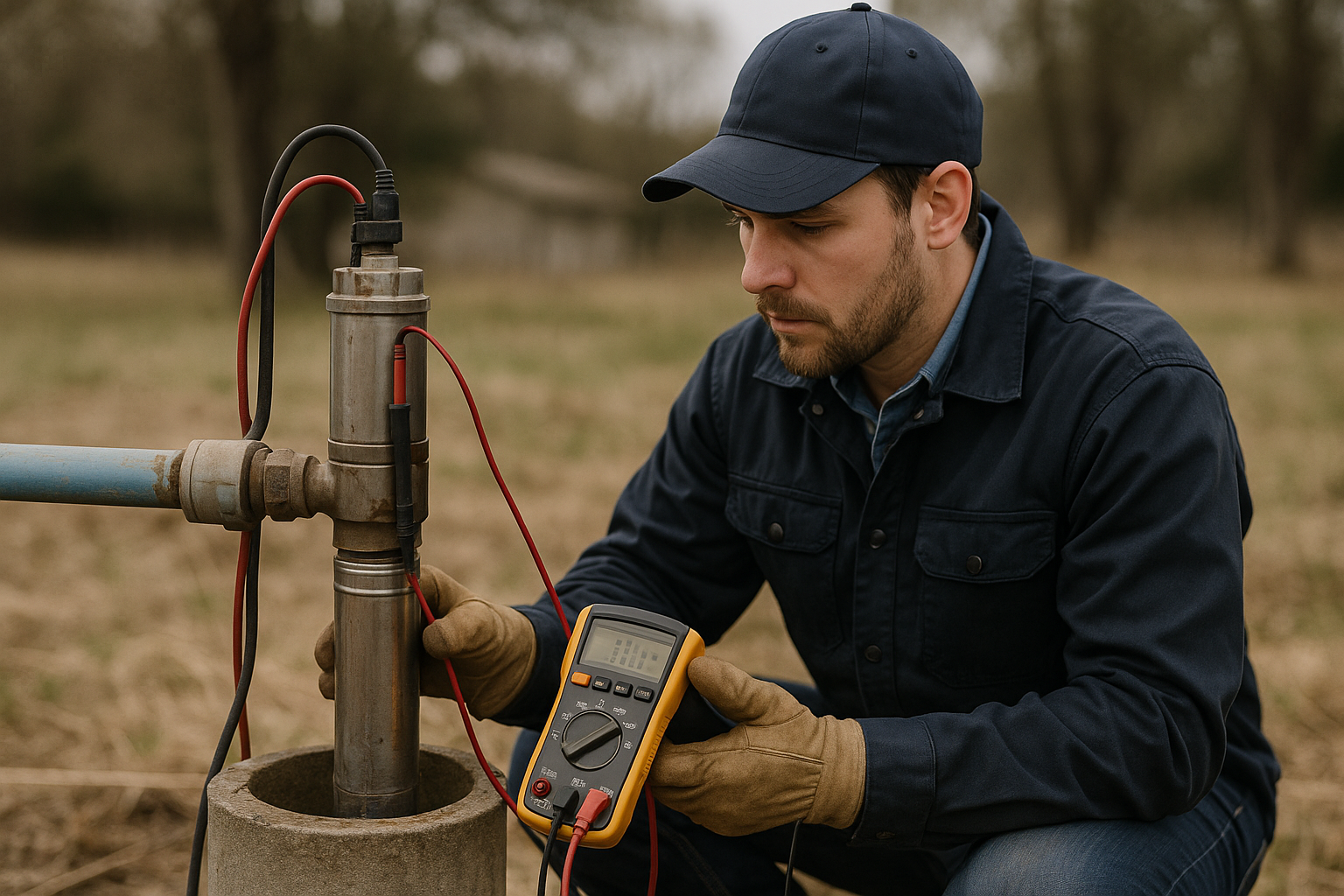
Low Water Pressure From Well: Complete Fix Guide
Diagnose and solve low pressure problems

Well Pressure Switch: Settings, Adjustment & Replacement
Everything about pressure switches
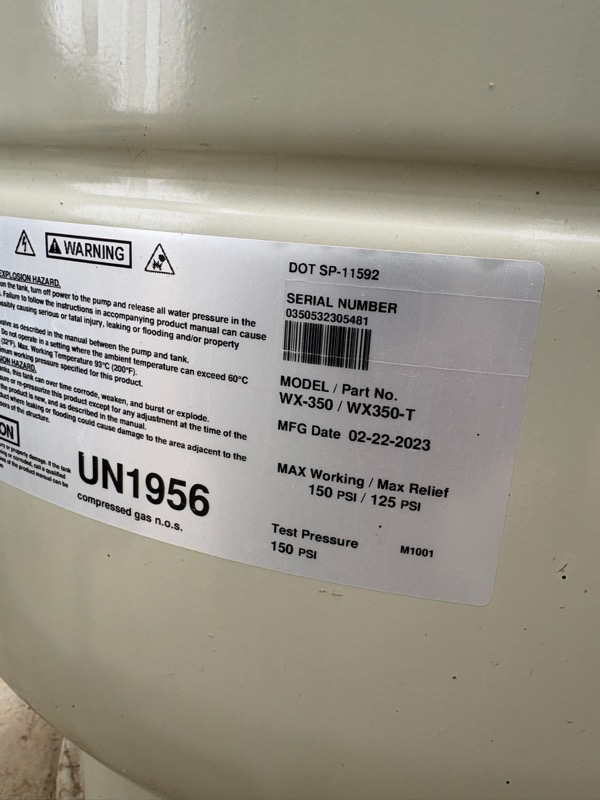
Pressure Tank Maintenance: Complete Guide
Keep your pressure tank working properly
Low Water Pressure Solutions for Little Italy Homes and Condos
Little Italy is one of San Diego's most walkable, densely built neighborhoods, tucked between downtown and the waterfront in San Diego County. Its mix of historic row houses, converted warehouses, and modern mid- and high-rise condominiums is served entirely by the City of San Diego municipal water system. There are no private wells under India Street or Kettner Boulevard, so when pressure drops in a Little Italy unit, the cause is almost always inside the building, in the unit's plumbing, or in a shared pressurization system rather than anything to do with a pump or aquifer.
since 2020, Southern California Well Service has diagnosed and repaired water-delivery problems throughout San Diego County. The same gauges, methods, and discipline we use on well systems apply directly to city-water buildings, and we understand the quirks of older downtown construction and multi-story plumbing. This guide walks through how pressure reaches your tap, why Little Italy residents sometimes lose it, what you can check yourself, and when to call a licensed professional.
How Water Pressure Reaches Your Unit
In a neighborhood of mixed building types, the path water takes to your faucet depends a lot on how tall your building is:
- Single-family and small row homes: Water enters from the city main through a meter and a service line, usually passing through a pressure regulator (PRV) that holds household pressure at a steady 50–70 PSI.
- Mid-rise and high-rise condos: City pressure alone cannot reliably push water to upper floors, so most taller buildings use a booster pump system, rooftop storage, or pressure-zone valves to maintain consistent flow throughout the structure.
- Pressure regulators and zone valves: These hold pressure in a safe band. A failing regulator or a misadjusted zone valve can starve some units while others are fine.
- In-unit shutoffs and fixtures: Each unit has its own angle stops, supply lines, and fixtures that can clog or restrict over time.
This layered system is why two neighbors in the same building can experience very different pressure. Identifying which layer is failing is the heart of an accurate diagnosis.
Common Causes of Low Water Pressure in Little Italy
From years of downtown San Diego service calls, these are the causes we encounter most:
- A failing building booster pump. In mid- and high-rise condos, a worn booster pump or a tripped pressure switch can drop pressure on the upper floors first. This is a shared-system issue often handled with the HOA or building manager.
- A worn pressure regulator. In smaller homes, PRVs wear out after 7–12 years, sagging whole-house pressure gradually.
- Clogged aerators and cartridges. San Diego's moderately hard water leaves scale in faucet aerators and shower cartridges, the most common single-fixture culprit.
- Old galvanized supply lines. Many of Little Italy's older row homes and converted buildings still contain legacy galvanized piping that narrows internally with rust.
- Partially closed valves. After a remodel or repair, an angle stop or main valve is sometimes left only partly open.
- Hidden leaks. A concealed leak in a wall or slab lowers pressure and quietly raises the water bill.
- Temporary utility work. Main flushing or repairs can reduce pressure block-wide for a few hours.
What to Check Before You Call
- Whole unit or one fixture? If only one tap is weak, start with its aerator or cartridge. If the whole unit is weak, the cause is upstream.
- Hot, cold, or both? Hot-only weakness points to the water heater; both points to a whole-unit or building cause.
- Ask your neighbors. In a condo, if several units on your floor are weak at once, the building's booster or a zone valve is the likely cause—notify your HOA or manager.
- Confirm your shutoffs are fully open. Check the angle stops under sinks and your unit's main valve.
- Test with a gauge. A $12 hose-bib gauge on an accessible spigot reveals your number. Aim for 50–70 PSI; under 40 PSI is weak, over 80 PSI signals a regulator problem.
- Clean aerators and showerheads. Soak them in vinegar to dissolve scale, then reinstall.
When to Call a Professional
Call a licensed pro when whole-unit pressure stays low despite open valves, when a building booster system appears to be failing, when a gauge reads under 40 or over 80 PSI, when you suspect a hidden leak, or when hot-water pressure alone has dropped. Booster pumps, pressure regulators, and re-piping in older downtown buildings require correct sizing and code-compliant work—and in a condo, coordination with the building—so they are best left to experienced technicians.
Southern California Well Service is a licensed C-57 contractor (License #1086994) (CSLB #1086994), founded in 2020, with 60+ years of family heritage across San Diego County. We arrive with diagnostic equipment and common parts on the first visit and offer same-day response for emergencies such as a sudden total loss of water.
Realistic Cost Ranges
Costs depend on the diagnosis. Our diagnostic visit is $125 and is credited toward any repair you approve. Typical 2026 ranges:
- Pressure regulator (PRV) replacement: $150–$350 in a single-family or row home.
- Pressure switch for a booster system: $150–$350.
- Sediment filtration: $300–$900.
- Booster pump or constant-pressure system: $2,000–$4,500, common for multi-story buildings or units needing reliable upper-floor pressure.
- Aerator and cartridge cleaning: often included in the diagnostic visit.
We provide written quotes up front and recommend the least invasive fix that solves the problem. No upselling, no surprises.
Preventing Low Pressure in an Older Downtown Building
Little Italy's housing stock spans more than a century, from early-1900s row homes to brand-new towers, and that age range matters for water pressure. A few habits keep flow strong and head off expensive surprises:
- Descale fixtures twice a year. Aerators and showerheads are the first place scale builds. A short vinegar soak restores flow and is the cheapest maintenance you can do.
- Watch for early warning signs. Pressure that fades over weeks usually means a regulator wearing out or sediment accumulating, not a sudden failure. Addressing it early avoids the day it drops to a trickle.
- Know your building's system. If you live in a condo, ask the HOA whether the building uses a booster pump or rooftop tank and when it was last serviced. Shared equipment that is overdue for maintenance is a common reason several units lose pressure at once.
- Flush your water heater annually. Sediment that settles in the tank chokes hot-water flow and shortens the heater's life. An annual flush is simple insurance.
- Fix small leaks promptly. A dripping valve or running toilet wastes water and can mask a larger pressure problem. Catching leaks early protects both your pressure and your bill.
Even with good maintenance, the realities of dense, multi-story construction mean some pressure problems require professional equipment to diagnose. Pinpointing whether the issue is your unit, your building's booster, or the city supply takes the right gauges and experience—which is where a licensed contractor saves you time and guesswork.
Why Little Italy Residents Trust Southern California Well Service
We are not a generic plumbing call center. We are a licensed C-57 water-systems contractor that has worked across San Diego County for since 2020, and we treat every diagnosis as a problem to be solved correctly the first time. We explain what we find in plain language, quote in writing before we touch anything, and recommend the most cost-effective repair rather than the most expensive one. For Little Italy homeowners and condo owners, that means honest answers about whether the fix is a $20 aerator, a $300 regulator, or a building-level booster issue that belongs with the HOA.
Serving Little Italy and Downtown San Diego
From our Ramona and Anza offices, our team serves Little Italy and the adjacent downtown San Diego neighborhoods, including Cortez Hill, the Marina District, and Bankers Hill nearby. Whether you own a historic row home off India Street or a condo in one of the newer towers near Date and Kettner, we can find the cause of your low pressure and restore proper flow. Call (760) 440-8520 or text (760) 219-5877 to schedule a visit.
Frequently Asked Questions
Does Little Italy use well water or city water?
Little Italy is entirely on the City of San Diego municipal water system. Low-pressure problems here come from regulators, building booster systems, interior plumbing, or fixtures, not from wells.
My whole floor lost pressure at once—what does that mean?
When several units on one floor are weak simultaneously, the building's booster pump or a pressure zone valve is the likely cause. Report it to your HOA or building manager, who can authorize a service call.
What pressure should my unit have?
A healthy range is 50–70 PSI. Below 40 PSI feels weak; above 80 PSI can damage fixtures and usually means a failing regulator.
Why is only my hot water weak?
That typically points to the water heater—sediment buildup or a corroded internal fitting—since the cold side is unaffected.
Can you install a booster pump in a downtown building?
Yes. For units or buildings that cannot maintain upper-floor pressure, we size and install booster or constant-pressure systems for steady flow.
How quickly can you come out?
We offer same-day service for emergencies and prompt scheduling for routine diagnostics. Call (760) 440-8520 to book.
Restore Your Water Pressure in Little Italy
Licensed C-57 contractor with founded in 2020, with 60+ years of family heritage. Same-day emergency service available.
Call (760) 440-8520