
Low Water Pressure Solutions in Logan Heights
Tired of weak water pressure in Logan Heights? A trickling shower or a washer that takes forever to fill wears thin fast. We track down the real cause and bring your pressure back to normal.
📋 In This Guide
Need Low Water Pressure Solutions in Logan Heights?
We serve Logan Heights and all of San Diego County. Licensed C-57 contractor (CSLB #1086994), founded 2020.
Call: (760) 440-8520Our Low Water Pressure Solutions Services
- Pressure tank repair and replacement
- Pressure switch adjustment
- Pump upgrades for better pressure
- Constant pressure systems
- Booster pump installation
- Clogged pipe diagnosis
- Well yield testing
- Complete system evaluation
Why Logan Heights Chooses SCWS
✓ Local Expertise
We know San Diego County geology and wells
✓ Fast Response
Same-day service for Logan Heights
✓ Fair Pricing
Honest quotes, no surprises
✓ Quality Work
CSLB #1086994 · founded 2020
Our Locations
Related Articles
Continue learning about well maintenance and troubleshooting
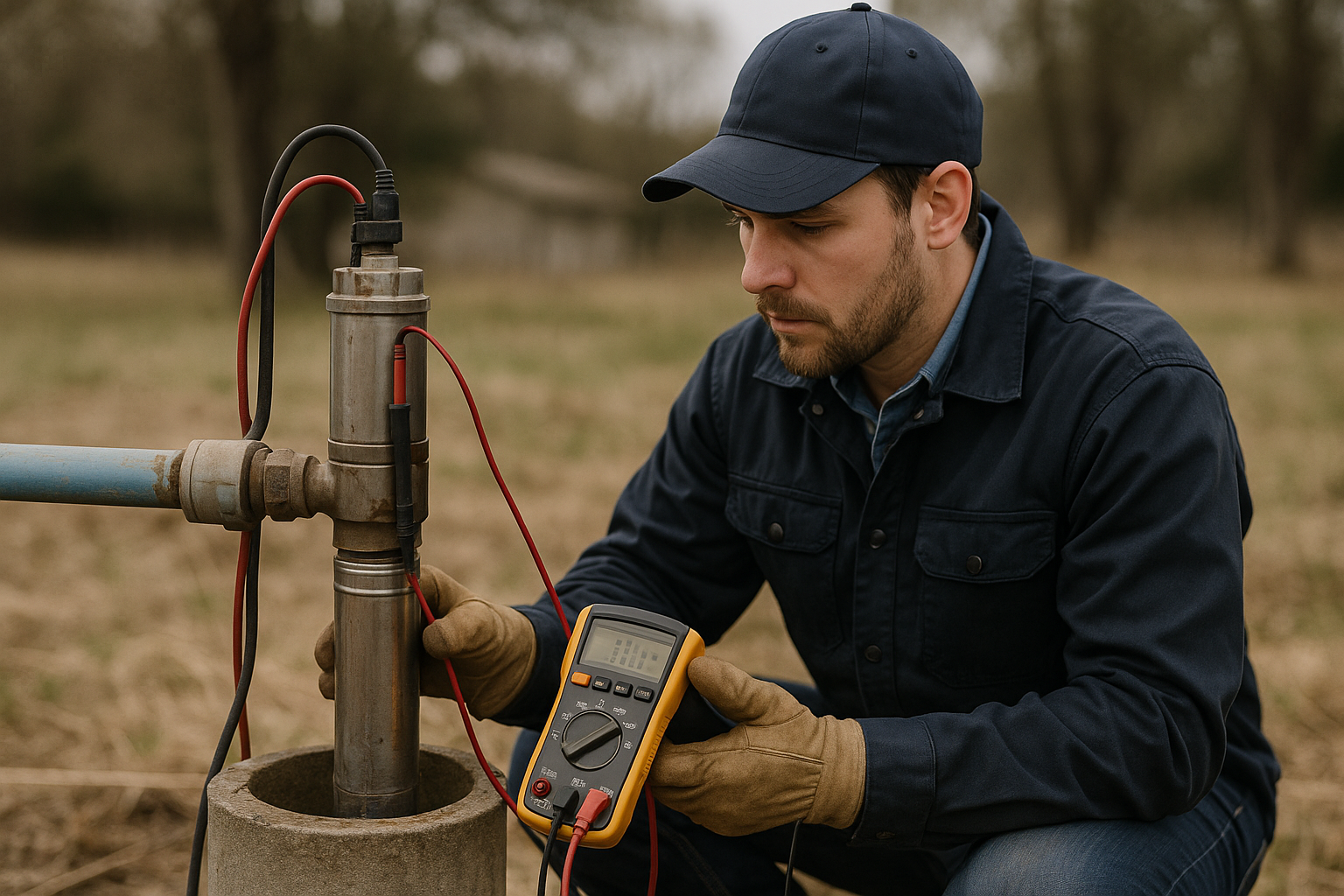
Low Water Pressure From Well: Complete Fix Guide
Diagnose and solve low pressure problems
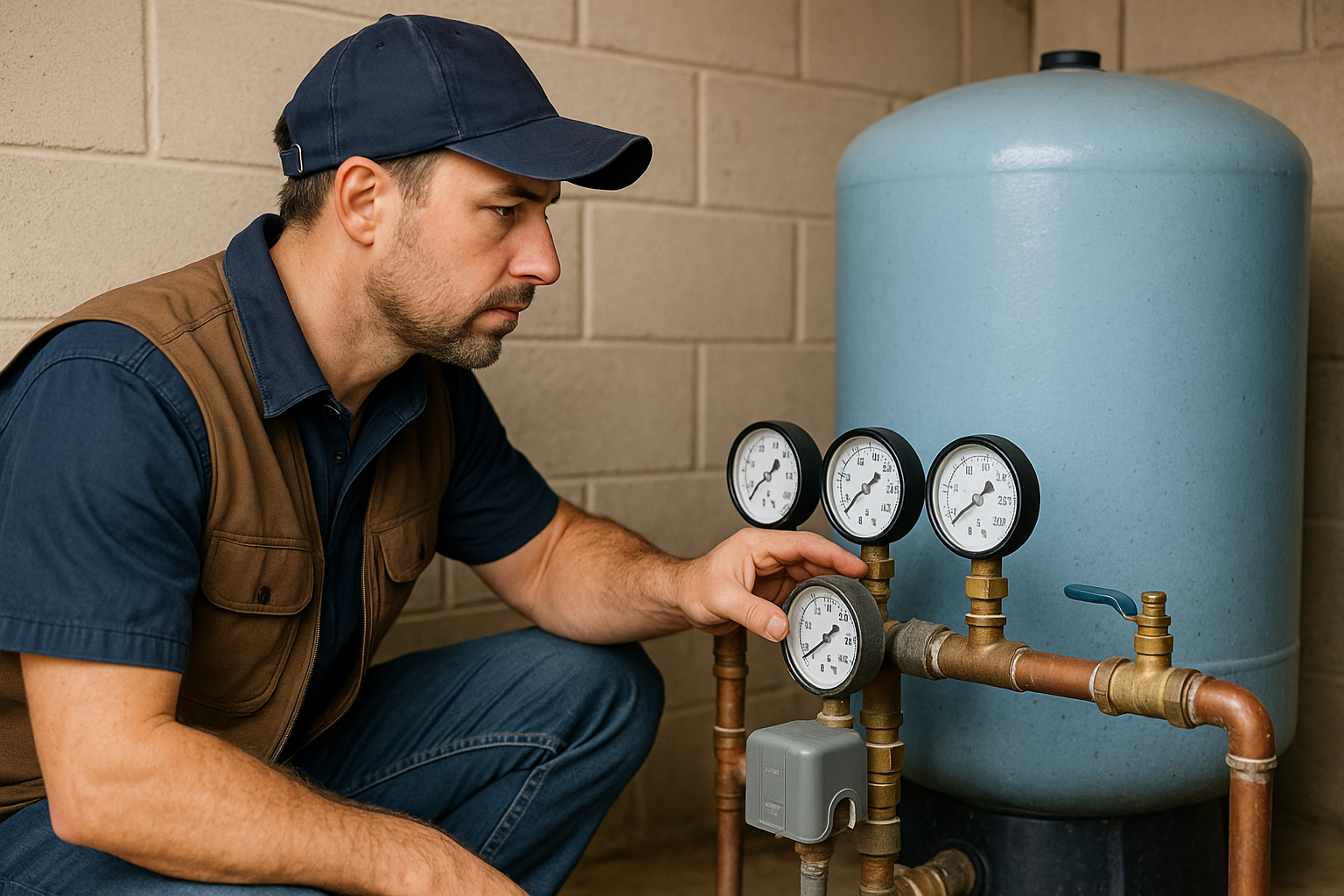
Well Pressure Switch: Settings, Adjustment & Replacement
Everything about pressure switches
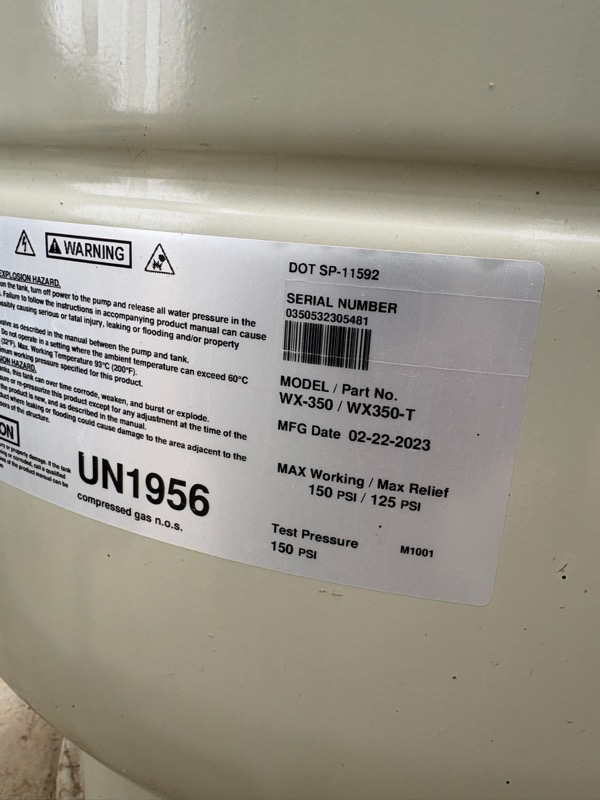
Pressure Tank Maintenance: Complete Guide
Keep your pressure tank working properly
Low Water Pressure Solutions for Logan Heights Homes
Logan Heights is one of San Diego's oldest and most established neighborhoods, sitting just southeast of downtown in San Diego County, between Barrio Logan and the freeways that frame the community. Its streets are lined with early-20th-century bungalows, mid-century homes, and newer infill construction—all served by the City of San Diego municipal water system. Because Logan Heights is a city-water neighborhood and not a well-water community, low pressure here is almost never about a pump or an aquifer. It traces instead to the regulator, the service line, the home's interior plumbing, or the fixtures themselves.
Southern California Well Service has worked across San Diego County since 2020. Although our specialty is well systems, the engineering behind water pressure is identical whether water comes from a city main or a private well, and our technicians carry that diagnostic experience into every home. Below, we explain how pressure works on city water, the causes we see most often in older San Diego neighborhoods like Logan Heights, the checks you can do yourself, and when to bring in a licensed contractor.
The Basics: How Pressure Gets to Your Faucet
On municipal supply, the City maintains pressure in the distribution mains using elevated reservoirs and pumping stations. From the main in your street, water travels through:
- Your water meter and service line — the connection from the street to your house. Old or undersized service lines can limit volume.
- A pressure regulator (PRV) — a valve near the entry point that holds household pressure steady, usually around 50–70 PSI. This is the part most likely to wear out.
- The main shutoff valve — which must be fully open for full flow.
- Interior piping and fixtures — the pipes, valves, aerators, and cartridges inside the home, all of which can clog or corrode with age.
Logan Heights sits on a gentle mesa at moderate elevation, so most homes receive solid baseline pressure from the city. When a home's pressure noticeably weakens, it usually means one specific component has failed, which is good news: targeted fixes are typically quick and affordable.
Why Older Logan Heights Homes Are Especially Prone to Pressure Loss
The age of the housing stock is the single biggest factor here. Many Logan Heights homes were built decades ago, and that history shows up in the plumbing:
- Galvanized steel pipe. Homes plumbed before the widespread switch to copper and PEX often still have galvanized lines. Over 40–70 years, the interior of these pipes rusts and narrows, choking flow even when street pressure is fine. This is the most common deep-rooted cause of low pressure in older San Diego neighborhoods.
- Aging pressure regulators. PRVs have a service life of roughly 7–12 years. In a long-owned home, the regulator may be original or long overdue for replacement.
- Mineral scale. San Diego's moderately hard water deposits scale in aerators, valves, and water-heater tanks over time.
- Patchwork repairs. Decades of partial repairs and remodels can leave undersized fittings or half-closed valves in the system.
Common Causes of Low Water Pressure in Logan Heights
- A failing pressure regulator — the leading cause of gradual whole-house pressure loss.
- Corroded galvanized piping — restricts volume throughout the home and often calls for re-piping.
- Clogged aerators and showerheads — the cause when only one or two fixtures are weak.
- Water-heater sediment — when only the hot side is weak.
- A partially closed main or angle-stop valve — an easy, free fix worth checking first.
- Hidden leaks — slab or wall leaks that bleed off pressure and raise the bill.
- Temporary city work — main breaks or hydrant flushing that lower pressure for a short time.
What You Can Check Yourself
- Map the problem. Is it the whole house or a single fixture? Hot, cold, or both? One weak fixture means a fixture-level clog; whole-house cold weakness means the regulator, service line, or piping; hot-only weakness means the water heater.
- Open your valves fully. Confirm the main shutoff and under-sink angle stops are not partly closed.
- Put a number on it. A $12 gauge threaded onto an outdoor hose bib gives a reading in seconds. Target 50–70 PSI. Under 40 is weak; over 80 means a regulator failing high.
- Clean fixtures. Unscrew and rinse aerators; soak showerheads in vinegar.
- Check for leaks. With every fixture off, watch the meter. Movement means a leak on your side.
- Note the pattern. Pressure that has dropped steadily over months points to corrosion or a wearing regulator, not a sudden break.
When to Call a Professional
Reach out to a licensed contractor when whole-house pressure stays low with valves open, when a gauge shows under 40 or over 80 PSI, when you suspect corroded galvanized pipe, when you find evidence of a hidden leak, or when only the hot water has weakened. Replacing a regulator, repairing a service line, or re-piping a home with code-compliant materials is precise work that protects your home's value and avoids repeat problems.
Southern California Well Service is a licensed C-57 contractor (License #1086994) with founded in 2020, with 60+ years of family heritage across San Diego County. We diagnose accurately, quote in writing, and offer same-day response for emergencies like a sudden total loss of water.
Realistic Cost Ranges
Our diagnostic visit is $125, credited toward any repair you approve. Honest 2026 ranges for Logan Heights homes:
- Pressure regulator (PRV) replacement: $150–$350.
- Pressure switch (for homes with a booster): $150–$350.
- Sediment filtration: $300–$900.
- Whole-home booster or constant-pressure system: $2,000–$4,500, useful for homes with chronically low street pressure or large fixture demand.
- Aerator and fixture cleaning: often handled within the diagnostic visit.
For corroded galvanized lines, partial or full re-piping is quoted per the scope of work after inspection. We always recommend the least invasive fix that genuinely solves the problem.
Simple Maintenance That Keeps Pressure Strong
A little routine care goes a long way in an older neighborhood like Logan Heights, where small problems tend to compound over the years. These steps cost little and prevent the gradual pressure decline that catches many homeowners by surprise:
- Test your pressure once a year. A hose-bib gauge reading takes a minute and gives you a baseline. If the number drifts down year over year, you can catch a wearing regulator or building corrosion before it becomes a trickle.
- Clean aerators and showerheads quarterly. In hard-water San Diego, this is the cheapest, most effective habit for keeping individual fixtures flowing strong.
- Flush the water heater annually. Draining the sediment that settles in the tank protects hot-water pressure and extends the heater's life.
- Know your pipe material. If your home still has galvanized steel, plan ahead. Knowing it is there lets you budget for a future re-pipe rather than facing an emergency.
- Address leaks immediately. A running toilet or dripping valve quietly drags down pressure and inflates your bill; fixing it promptly protects both.
When these basics no longer hold the line—or when whole-house pressure simply will not recover—that is the moment a professional diagnosis pays for itself. We can tell you in one visit whether the answer is a quick part swap or a larger plumbing upgrade, and we never push the bigger job unless the evidence supports it.
Serving Logan Heights and Surrounding San Diego
From our Ramona and Anza offices, our technicians serve Logan Heights and the surrounding communities of Barrio Logan, Sherman Heights, Grant Hill, and the broader southeastern San Diego area. Whether you own a classic bungalow near Chicano Park or a remodeled home off Imperial Avenue, we can find the source of your low pressure and restore steady, reliable flow. Call (760) 440-8520 or text (760) 219-5877 today.
Frequently Asked Questions
Is Logan Heights on a well or city water?
Logan Heights is served by the City of San Diego municipal water system. Low-pressure issues here come from the regulator, service line, interior piping, or fixtures, not from a well or pump.
My older home has weak pressure everywhere—why?
In an older Logan Heights home, the usual culprits are a worn pressure regulator or corroded galvanized piping that has narrowed internally over decades. A gauge test and a look at your pipe material tell us which.
What water pressure should my home have?
Aim for 50–70 PSI. Below 40 PSI feels weak; above 80 PSI stresses fixtures and signals a failing regulator.
Do I need to re-pipe my house?
Not always. If only the regulator or a few fixtures are the issue, those are inexpensive fixes. Re-piping is only recommended when corroded galvanized lines are clearly the cause, and we confirm that before suggesting it.
Why is my hot water weaker than my cold?
That usually points to sediment in the water heater or a corroded internal fitting, since the cold supply is unaffected.
How soon can you come out?
We offer same-day service for emergencies and prompt scheduling for routine diagnostics. Call (760) 440-8520 to set a time.
Restore Your Water Pressure in Logan Heights
Licensed C-57 contractor with founded in 2020, with 60+ years of family heritage. Same-day emergency service available.
Call (760) 440-8520