
Low Water Pressure Solutions in Lytle Creek
Fighting low water pressure in Lytle Creek? In this mountain canyon community, a weak well or a tired pressure tank can leave you with a trickle. We diagnose the whole system and restore strong, steady flow.
📋 In This Guide
Need Low Water Pressure Solutions in Lytle Creek?
We serve Lytle Creek and all of San Bernardino County. Licensed C-57 contractor (CSLB #1086994), founded 2020.
Call: (760) 440-8520Our Low Water Pressure Solutions Services
- Pressure tank repair and replacement
- Pressure switch adjustment
- Pump upgrades for better pressure
- Constant pressure systems
- Booster pump installation
- Clogged pipe diagnosis
- Well yield testing
- Complete system evaluation
Why Lytle Creek Chooses SCWS
✓ Local Expertise
We know San Bernardino County geology and wells
✓ Fast Response
Same-day service for Lytle Creek
✓ Fair Pricing
Honest quotes, no surprises
✓ Quality Work
CSLB #1086994 · founded 2020
Our Locations
Related Articles
Continue learning about well maintenance and troubleshooting
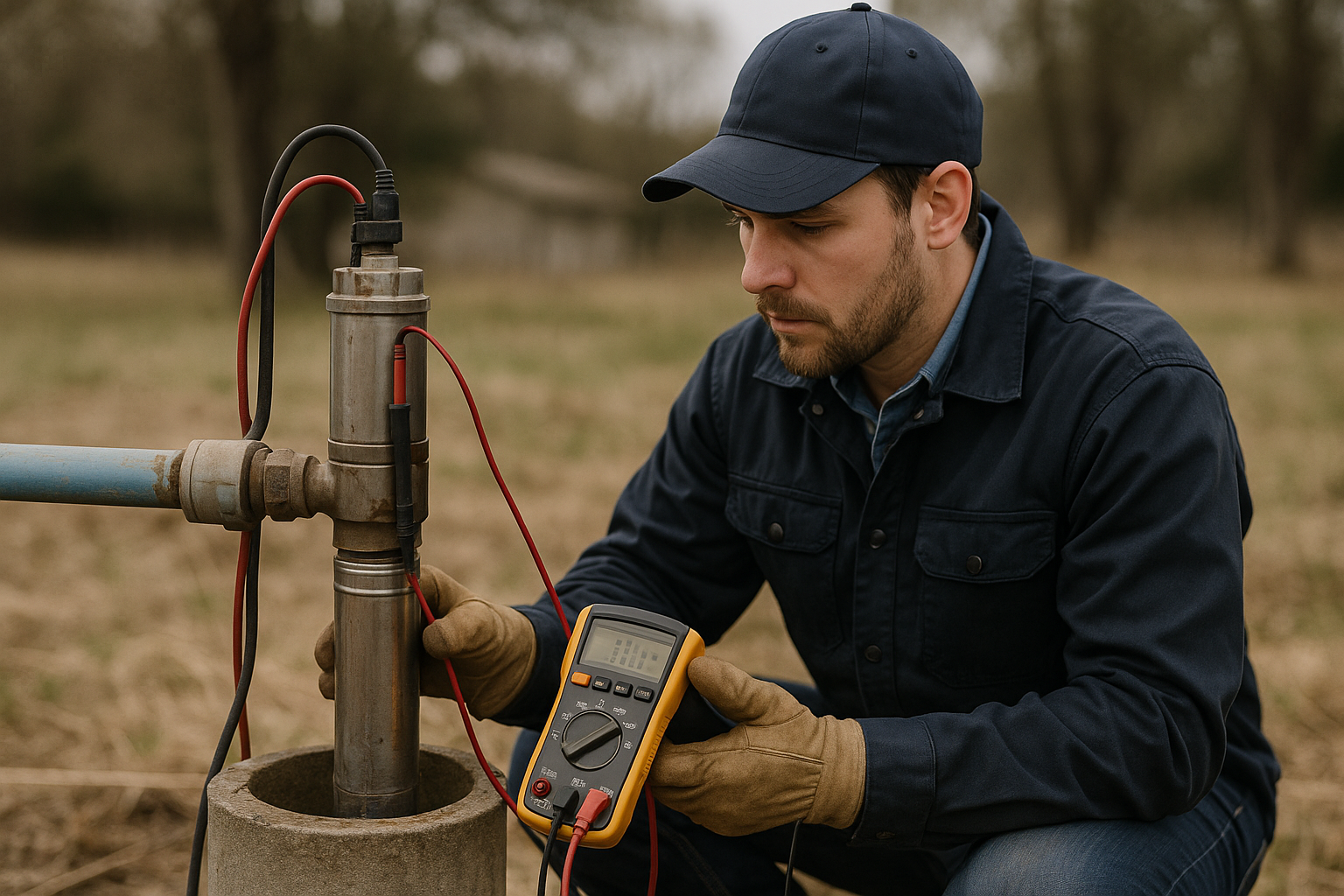
Low Water Pressure From Well: Complete Fix Guide
Diagnose and solve low pressure problems
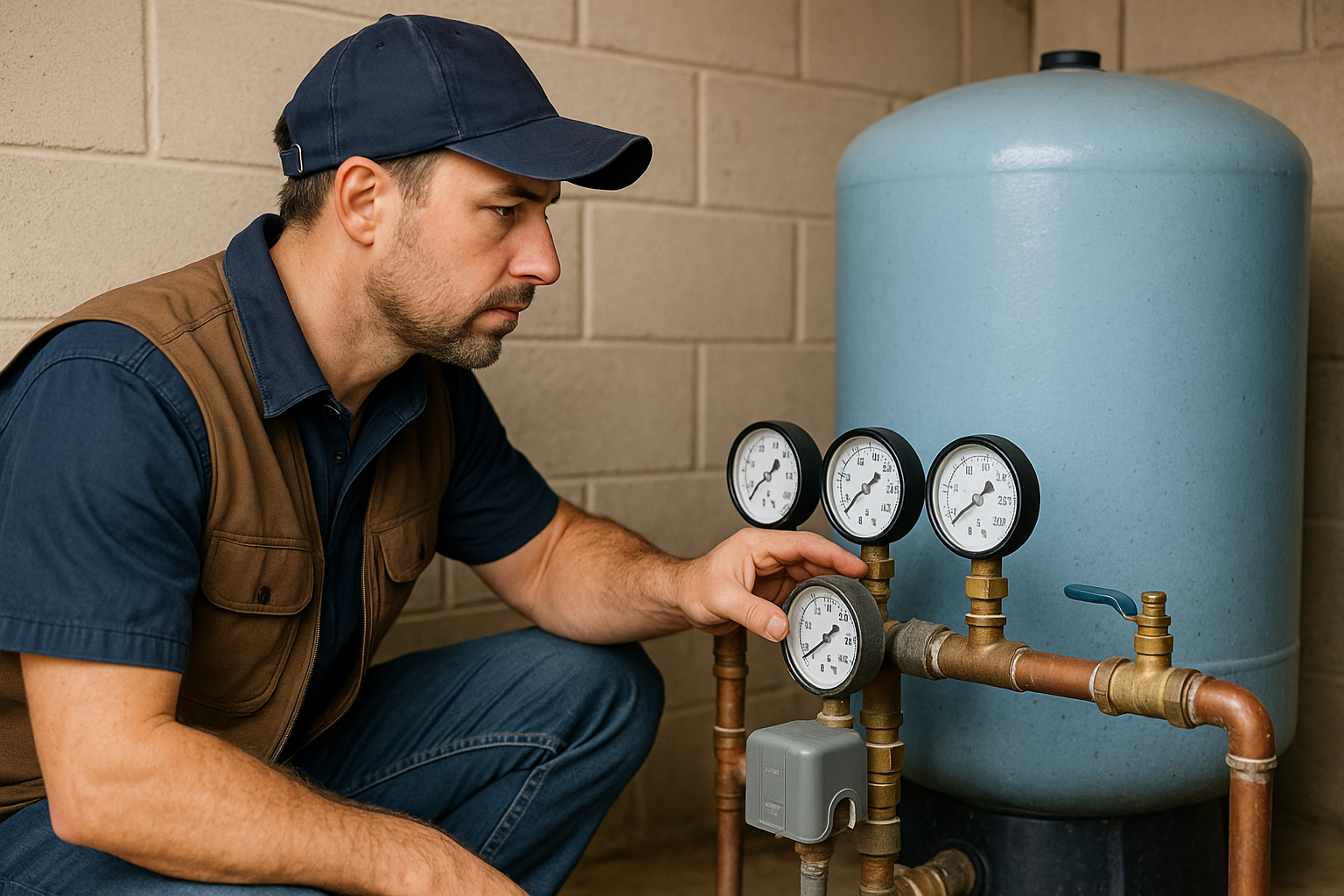
Well Pressure Switch: Settings, Adjustment & Replacement
Everything about pressure switches
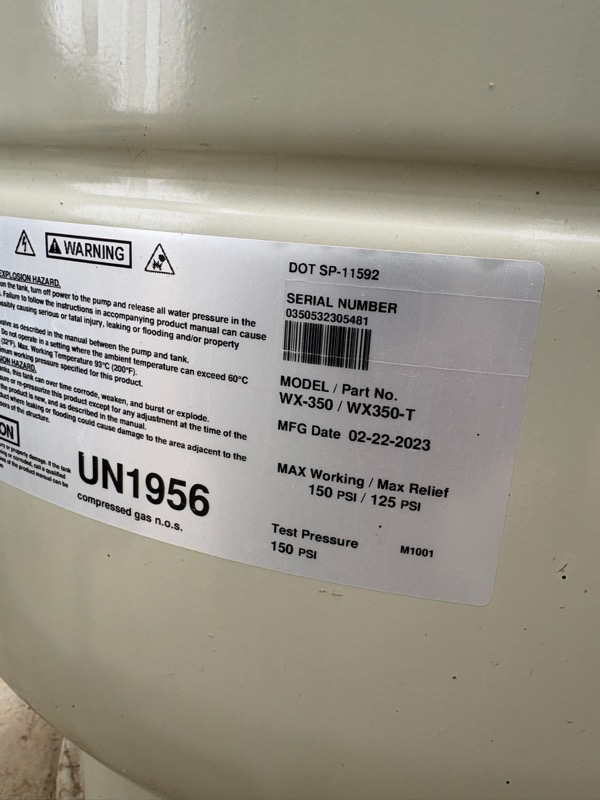
Pressure Tank Maintenance: Complete Guide
Keep your pressure tank working properly
Low Water Pressure Solutions for Lytle Creek Wells
Lytle Creek is a rugged, unincorporated mountain community in the foothills of the San Gabriel Mountains in San Bernardino County, strung along Lytle Creek Canyon near the head of the Santa Ana River watershed. Many properties here rely on private wells drawing from the alluvial aquifers near the creek, while others connect to the West Valley Water District. With roughly 89 wells on record in the area and a local average well depth around 261 feet—noticeably shallower than the San Bernardino County average—Lytle Creek is genuinely well country, and low water pressure here often does come down to the well, the pump, or the pressure system.
Southern California Well Service has serviced wells across Southern California since 2020. As a licensed C-57 contractor, we understand the specific challenges of canyon wells: variable yield, seasonal recharge tied to snowmelt and storm flow, and the sediment and gravel that come with alluvial aquifers. This guide explains how a well-water pressure system works, the causes of low pressure we see most often in Lytle Creek, what you can check yourself, and when to call a professional.
How a Well Water Pressure System Works
Unlike a city-water home, a well property makes its own pressure. The system has several parts that must work together:
- The well and pump. A submersible pump (set down in the well) or a jet pump lifts water from the aquifer. Pump capacity and the well's yield in gallons per minute (GPM) set the ceiling on how much water and pressure you can get.
- The pressure tank. This tank stores water under a cushion of compressed air so the pump does not run every time you open a tap. A waterlogged tank or a failed bladder causes pressure to swing and the pump to short-cycle.
- The pressure switch. It turns the pump on at a low set point and off at a high one—commonly 40/60 PSI. A miscalibrated or failing switch leaves pressure low or erratic.
- Constant-pressure systems. A variable-frequency drive (VFD) can hold steady pressure regardless of demand, which is ideal for canyon properties with fluctuating supply.
Common Causes of Low Water Pressure in Lytle Creek
From decades of mountain and foothill well work, these are the causes we see most often in Lytle Creek:
- A waterlogged or failed pressure tank. The single most common cause of pressure that surges and sags. When the tank loses its air charge or the bladder ruptures, the pump cycles rapidly and pressure becomes unreliable.
- A failing pressure switch. Worn contacts or a clogged sensing port leave the pump turning on late or shutting off early, holding pressure low.
- A worn or undersized pump. Pumps wear out, and an aging pump in a canyon well gradually loses output. Sediment and gravel from alluvial aquifers accelerate impeller wear.
- Low well yield, especially in dry years. Lytle Creek's shallower alluvial wells depend on recharge from snowmelt and storm flow. In drought years, the water table can drop and yield can fall, reducing pressure.
- Sediment and gravel clogging. Fine sand and grit from the creek's alluvium clog screens, filters, and fittings, restricting flow.
- Clogged sediment filters. A filter doing its job eventually plugs; an overdue cartridge chokes the whole system.
- Failing well screen or encrustation. Over years, mineral encrustation on the well screen reduces how freely water enters the well.
What You Can Check Yourself
- Watch the pressure gauge cycle. At the pressure tank, watch the gauge as water runs. If it swings rapidly between low and high and the pump clicks on and off quickly, the tank or switch is the likely culprit.
- Tap the pressure tank. A healthy tank sounds hollow on top and solid (full of water) on the bottom. If it sounds full all the way up, it is waterlogged.
- Check the tank's air charge. With the pump off and system drained, the air pre-charge should sit about 2 PSI below the pump's cut-in pressure.
- Inspect and change sediment filters. A dirty cartridge is a cheap, common fix.
- Note whether pressure is always low or only under demand. Always low points to the pump, switch, or tank; low only when several fixtures run points to yield or a clog.
- Listen to the pump. Grinding, rapid clicking, or constant running signals a mechanical or electrical problem that needs a professional.
When to Call a Professional
Call a licensed well contractor when pressure is low across the whole property, when the pump short-cycles or runs constantly, when you hear unusual pump noises, when yield drops during dry months, or when you have lost water entirely. Pulling and replacing a submersible pump, diagnosing a well's yield, and installing constant-pressure equipment are jobs that require proper tools and well-system expertise—not general plumbing.
Southern California Well Service is a licensed C-57 contractor (License #1086994) with founded in 2020, with 60+ years of family heritage. We test yield, inspect pumps and tanks, and recommend the most cost-effective fix. We also offer same-day response for emergencies like a sudden total loss of water.
Realistic Cost Ranges
Our diagnostic visit is $125 and is credited toward any repair you approve. Honest 2026 ranges for Lytle Creek well systems:
- Pressure switch replacement: $150–$350.
- Pressure tank replacement: $600–$1,500 depending on size.
- Well pump replacement: $2,500–$5,500, depending on depth, horsepower, and well conditions.
- Sediment filtration: $300–$900—valuable given the area's alluvial grit.
- Iron/manganese treatment or softener: $1,500–$3,500.
- Constant-pressure / booster system: $2,000–$4,500 for steady pressure despite variable supply.
- Hydrofracturing to improve yield: $3,000–$8,000.
- New well, turnkey: $18,000–$42,000 if a well is beyond rehabilitation.
We always pursue the least costly effective repair first, and we quote in writing before any work begins.
Maintenance Tips for Canyon Wells
Lytle Creek's alluvial wells and seasonal recharge reward owners who stay ahead of maintenance. A few habits protect both pressure and the life of your equipment:
- Check your pressure tank twice a year. Confirm the air pre-charge sits about 2 PSI below the pump's cut-in setting. A tank that has lost its charge is the most common pressure complaint we fix.
- Change sediment filters on schedule. Alluvial grit plugs cartridges faster here than in many areas; a fresh filter keeps flow strong and protects the pump.
- Watch your pump's cycling. Frequent on-off cycling wears the pump and switch quickly. If you notice it, address the tank or switch before the pump fails.
- Track yield across the seasons. If pressure or flow drops every dry summer, a yield test establishes whether the well needs rehabilitation, hydrofracturing, or a constant-pressure system.
- Test water quality periodically. Iron, manganese, and sediment from alluvial aquifers can foul equipment; catching it early prevents pressure-robbing buildup.
When routine care no longer holds pressure—or when the well itself is struggling—a professional yield test and system inspection point to the most cost-effective path, whether that is a new tank, a replacement pump, hydrofracturing, or in rare cases a new well. We give you a straight answer and a written quote before any work begins.
Serving Lytle Creek and the San Bernardino Foothills
From our offices in Ramona and Anza, our technicians serve Lytle Creek and the surrounding San Bernardino County foothill and mountain communities, including Devore, Scotland, and the canyon corridor toward Fontana and Rialto. Whether you draw from a shallow alluvial well near the creek or a deeper canyon well, we can diagnose why your pressure is weak and restore dependable flow. Call (760) 440-8520 or text (760) 219-5877 to schedule.
Frequently Asked Questions
Do Lytle Creek homes use wells?
Many do. Lytle Creek is a genuine well community, with dozens of private wells drawing from the alluvial aquifers near the creek, while some properties connect to the West Valley Water District. Low pressure here often involves the well, pump, or pressure system.
How deep are wells in Lytle Creek?
Local wells average around 261 feet, shallower than the San Bernardino County average. Shallower alluvial wells near the creek depend heavily on seasonal recharge from snowmelt and storms.
Why does my pressure surge and then drop?
That cycling pattern almost always points to a waterlogged pressure tank or a failing pressure switch. Both are common and usually affordable to fix.
My pressure falls every dry summer—why?
In drought years, the water table can drop and a shallow canyon well's yield can fall, lowering pressure. Yield testing tells us whether the well, the pump, or a constant-pressure upgrade is the right answer.
What pressure should a well system hold?
Most systems run on a 40/60 PSI switch, so household pressure cycles in that band. Pressure that never reaches the high set point indicates a pump, tank, or yield problem.
How fast can you respond to a no-water call?
We offer same-day service for emergencies such as a total loss of water, and prompt scheduling for routine diagnostics. Call (760) 440-8520.
Restore Your Water Pressure in Lytle Creek
Licensed C-57 contractor with founded in 2020, with 60+ years of family heritage. Same-day emergency service available.
Call (760) 440-8520