
Low Water Pressure Solutions in March Air Reserve Base
Dealing with weak water pressure in March Air Reserve Base? Low water pressure can make showers frustrating and appliances ineffective. Our team diagnoses the root cause and restores your water pressure fast.
📋 In This Guide
Need Low Water Pressure Solutions in March Air Reserve Base?
We serve March Air Reserve Base and all of Riverside County. Licensed C-57 contractor (CSLB #1086994), founded 2020.
Call: (760) 440-8520Our Low Water Pressure Solutions Services
- Pressure tank repair and replacement
- Pressure switch adjustment
- Pump upgrades for better pressure
- Constant pressure systems
- Booster pump installation
- Clogged pipe diagnosis
- Well yield testing
- Complete system evaluation
Why March Air Reserve Base Chooses SCWS
✓ Local Expertise
We know Riverside County geology and wells
✓ Fast Response
Same-day service for March Air Reserve Base
✓ Fair Pricing
Honest quotes, no surprises
✓ Quality Work
CSLB #1086994 · founded 2020
Our Locations
Get a Free Estimate
Call now for low water pressure solutions in March Air Reserve Base
(760) 440-8520Related Articles
Continue learning about well maintenance and troubleshooting
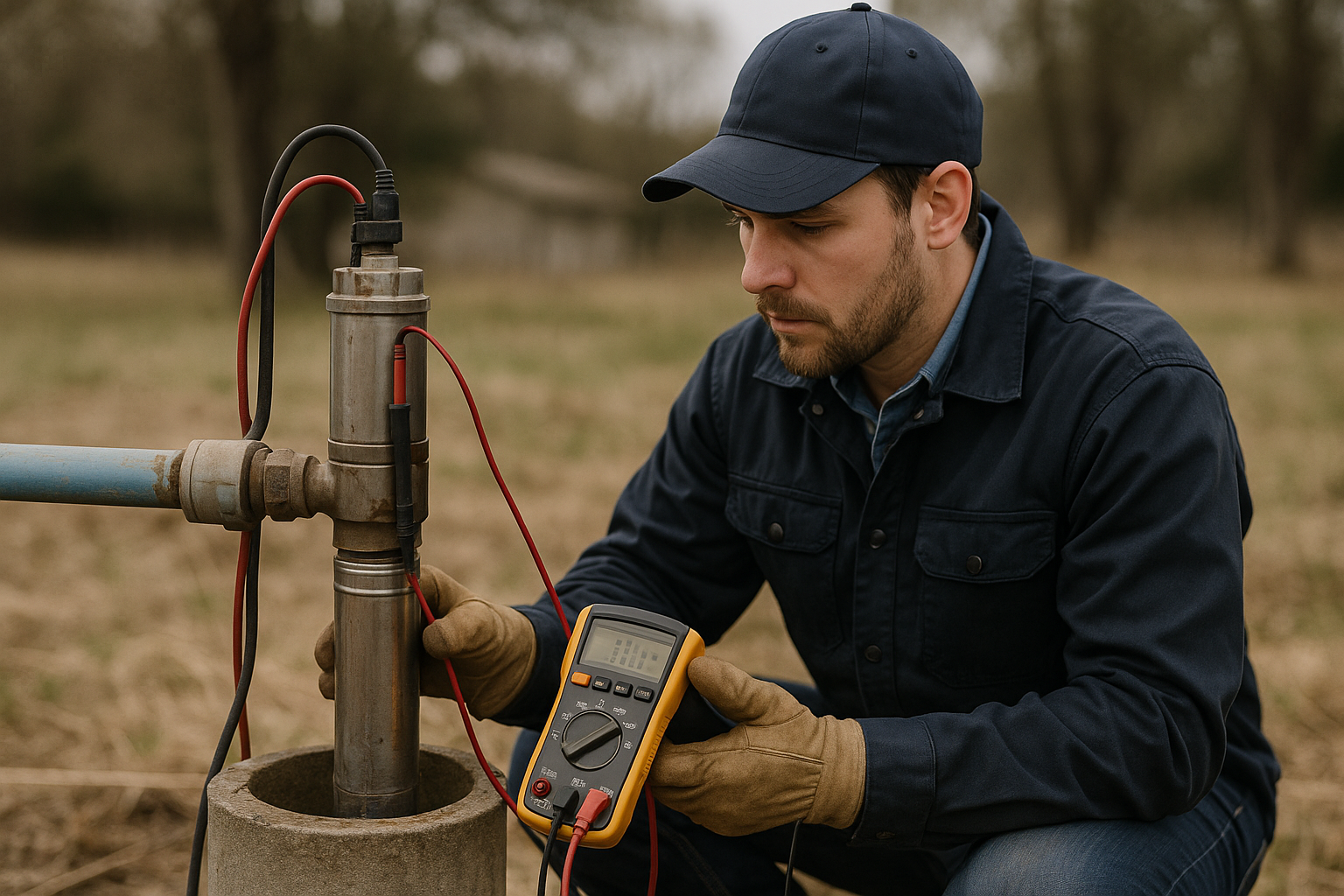
Low Water Pressure From Well: Complete Fix Guide
Diagnose and solve low pressure problems
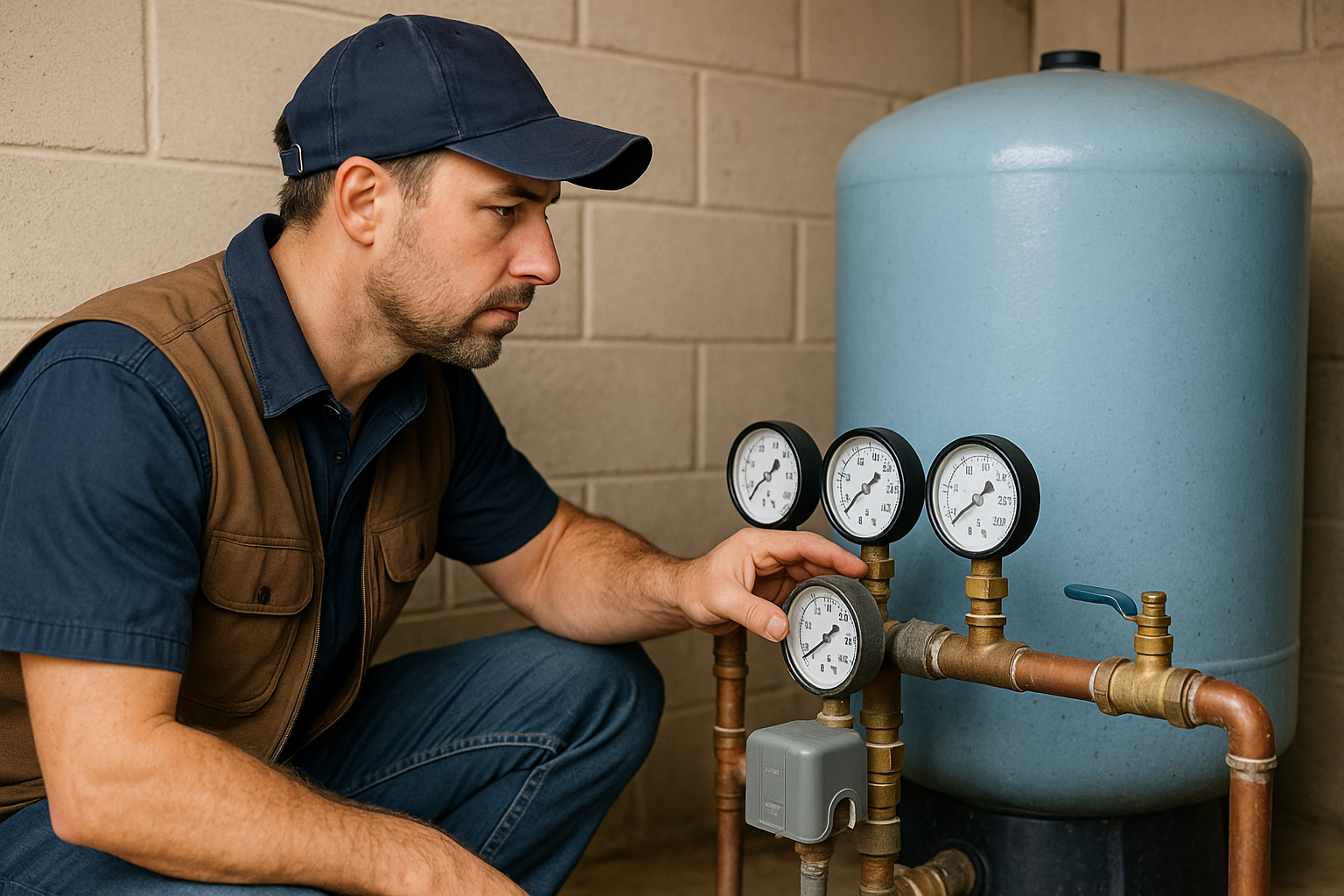
Well Pressure Switch: Settings, Adjustment & Replacement
Everything about pressure switches
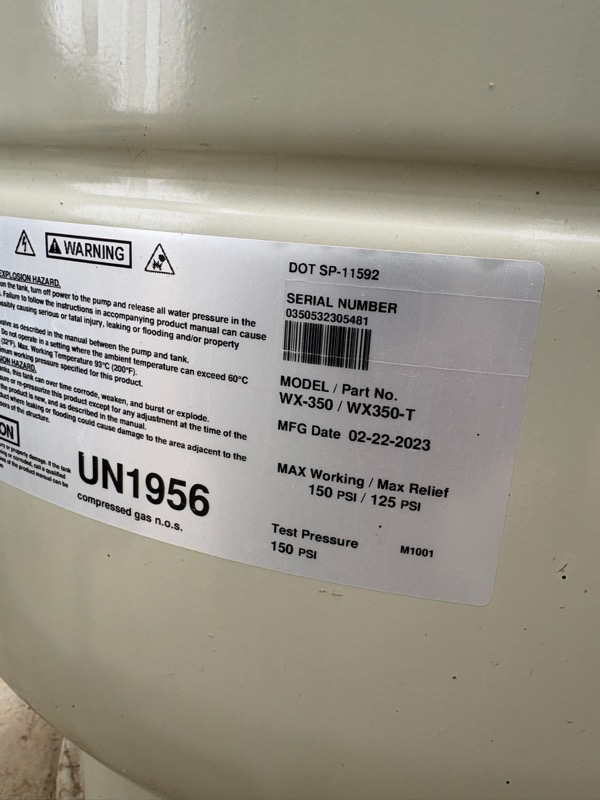
Pressure Tank Maintenance: Complete Guide
Keep your pressure tank working properly
Low Water Pressure Solutions for the March Air Reserve Base Area
If you own a home or ranch on a private well near March Air Reserve Base, weak water pressure is more than an annoyance — it slows your morning, starves your irrigation lines, and leaves appliances running longer than they should. This corner of Riverside County, tucked between Riverside, Moreno Valley, and Perris in the Perris Valley, sits on an alluvial plain underlain by the granitic Perris block. Wells here commonly draw from 200 to 500 feet, and the combination of mineral-heavy groundwater and a hot, dry inland climate puts steady stress on pumps, tanks, and pressure controls. Diagnosing low pressure correctly the first time takes a technician who understands these specific conditions.
How Your Well Pressure System Actually Works
Most private well systems in the March Air Reserve Base area follow the same basic design. A submersible pump sits deep in the well and pushes water up to a pressure tank. The tank holds a cushion of compressed air that keeps water moving to your fixtures between pump cycles. A pressure switch tells the pump when to turn on and off — typically at a 40/60 PSI setting, meaning the pump kicks on at 40 PSI and shuts off at 60. When any one of these components drifts out of spec, you feel it as low or fluctuating pressure at the tap.
Because pressure is a chain, the trick is finding the weak link rather than throwing parts at the symptom. A waterlogged tank, a miscalibrated switch, a tired pump, and a partially clogged line can all look identical from the shower head.
Common Causes of Low Pressure in the Perris Valley
From years of service across inland Riverside County, these are the culprits we see most often near the base:
- Waterlogged pressure tank. When the air bladder fails, the pump short-cycles and pressure swings wildly. This is the single most common call we get.
- Pressure switch out of adjustment or corroded. The Perris Valley's mineral content and dust can foul switch contacts, leaving the pump cutting off early.
- Mineral scale in pipes and screens. The area's hard, alkaline groundwater deposits calcium and iron that gradually narrow pipes, valves, and the pump's intake screen.
- Declining pump performance. Hot summers and heavy irrigation demand wear pumps out. A pump losing its impellers will move less water at lower pressure.
- Dropping water table during dry stretches. When the seasonal table falls, a pump set too high can struggle to keep up, especially in late summer.
- Voltage problems. Rural power fluctuations and long wire runs can starve a pump motor of the voltage it needs to perform.
What You Can Check Before You Call
A few safe checks can help you describe the problem — or even solve a simple one — before a technician arrives:
- Read the pressure gauge. Watch a full pump cycle. If the needle bounces rapidly or the pump clicks on and off every few seconds, suspect the tank.
- Tap the tank. A healthy tank rings hollow near the top and sounds solid near the bottom. A tank that sounds full all the way up is waterlogged.
- Check whether the problem is whole-house or one fixture. Low pressure at a single faucet is usually a clogged aerator or fixture, not the well.
- Confirm the breaker and switch. Make sure the pump breaker is on and there's no obvious burning smell at the pressure switch.
Leave anything involving wiring, the pump itself, or opening the pressure tank to a professional — well systems carry both electrical and stored-pressure hazards.
When to Call a Professional
Call us when pressure stays low across the whole house, when the pump runs constantly or won't shut off, when you see sputtering air at the taps, or when water suddenly turns cloudy or sandy. These point to issues — failing pumps, bad switches, dropping levels, or tank failure — that need proper diagnosis and the right replacement parts.
Realistic Cost Ranges
Honest pricing matters, so here is what repairs typically run in the area. A diagnostic visit is $125, credited toward any repair. A pressure switch replacement runs $150–$350. A new pressure tank is usually $600–$1,500 depending on size. A constant-pressure or booster system — a great fix for properties with long runs to outbuildings or hilltop tanks — runs $2,000–$4,500. If the submersible pump is the problem, replacement typically falls between $2,500 and $5,500. Sediment filtration to protect the system from the area's mineral load runs $300–$900.
Serving the March Air Reserve Base Area
From our Ramona and Anza offices, Southern California Well Service reaches the March Air Reserve Base area and the surrounding Riverside County communities — Moreno Valley, Perris, Mead Valley, and Good Hope — with same-day emergency response when you have no water. As a licensed C-57 well contractor founded in 2020, we handle everything from a quick pressure-switch swap to a full pump-and-tank overhaul, and we won't upsell you services you don't need.
How We Diagnose Pressure Problems Step by Step
When we arrive at a property near March Air Reserve Base, we don't guess. We start at the pressure gauge and watch a full pump cycle to see how the system behaves under real conditions. Next we check the tank's air charge against the pump's cut-in setting — on a 40/60 switch, a healthy tank should be pre-charged to about 38 PSI. We test the switch contacts, inspect the wellhead and wiring for the corrosion that the Perris Valley's dust and heat encourage, and measure flow at an outdoor spigot to compare against what the well should deliver. Only after that picture is complete do we recommend a repair, so you pay to fix the actual problem rather than the first thing we find.
This methodical approach matters most on older inland properties, where two or three small issues often stack up — a slightly waterlogged tank and a switch cutting off early can together feel like a failing pump when neither part alone is the culprit.
Inland Climate and Seasonal Pressure Swings
The hot, dry summers between Riverside, Moreno Valley, and Perris drive irrigation demand to its yearly peak exactly when the groundwater table tends to be at its lowest. That double squeeze is why so many low-pressure calls in this area cluster in July, August, and September. If your system was sized years ago for a smaller household or less landscaping, it may simply be undersized for today's demand. We can run a quick yield-and-recovery test to tell whether your well can supply more water with the right equipment, or whether the well itself is the limiting factor.
Winter brings a different issue: the occasional cold snap can affect above-ground pressure tanks and exposed piping on rural parcels. Insulating the wellhead and tank pays off in both seasons by protecting your equipment and keeping pressure consistent.
Repair, Upgrade, or Maintain?
Not every low-pressure problem calls for new equipment. A switch adjustment or a tank replacement often restores full pressure for years. But if you're routinely fighting weak pressure during irrigation, a constant-pressure system that varies pump speed to hold steady PSI is usually money well spent on an inland property with heavy outdoor use. To keep any system healthy, we recommend an annual check of the tank pre-charge and switch, a look at sediment filters, and a flow test every few years so problems are caught before they leave you without water on a 100-degree afternoon.
Frequently Asked Questions
Why does my well pressure drop in the afternoon near March Air Reserve Base?
Afternoon drops often come from peak irrigation demand combined with the area's hot, dry climate. If your pump and tank can't keep up with simultaneous indoor and outdoor use, pressure sags. A correctly sized tank or a constant-pressure system usually solves it.
How long should a pressure tank last in this area?
A quality tank lasts 8–12 years, but the Perris Valley's mineral-rich water can shorten that. If your tank is more than a decade old and you're seeing pressure swings, it's likely the cause.
Could hard water be lowering my pressure?
Yes. Hard, alkaline groundwater deposits scale inside pipes, valves, and the pump intake over time, gradually restricting flow. Sediment filtration and periodic system checks keep buildup from choking your pressure.
Is constant low pressure bad for my pump?
It can be. A pump fighting a clogged line or a failing tank runs longer and hotter than it should, which shortens its life. Fixing the root cause protects your most expensive component.
Do you offer emergency service if I suddenly lose water?
Yes. We provide same-day emergency response throughout the area. Call (760) 440-8520 or text (760) 219-5877 and we'll get to you fast.
Should I repair my old system or upgrade to constant pressure?
If a switch or tank replacement restores full pressure, repair is usually the smart choice. But if you're constantly fighting weak pressure during irrigation on a hot inland day, a constant-pressure system that holds steady PSI is often the better long-term value. We'll give you an honest comparison.
Restore Your Water Pressure Today
Don't live with weak showers and struggling appliances. Southern California Well Service will diagnose the real cause and restore strong, steady pressure to your March Air Reserve Base area property. Call (760) 440-8520 for a fast, honest assessment.