
Low Water Pressure Solutions in Mead Valley
Dealing with weak water pressure in Mead Valley? Low water pressure can make showers frustrating and appliances ineffective. Our team diagnoses the root cause and restores your water pressure fast.
📋 In This Guide
Need Low Water Pressure Solutions in Mead Valley?
We serve Mead Valley and all of Riverside County. Licensed C-57 contractor (CSLB #1086994), founded 2020.
Call: (760) 440-8520Our Low Water Pressure Solutions Services
- Pressure tank repair and replacement
- Pressure switch adjustment
- Pump upgrades for better pressure
- Constant pressure systems
- Booster pump installation
- Clogged pipe diagnosis
- Well yield testing
- Complete system evaluation
Why Mead Valley Chooses SCWS
✓ Local Expertise
We know Riverside County geology and wells
✓ Fast Response
Same-day service for Mead Valley
✓ Fair Pricing
Honest quotes, no surprises
✓ Quality Work
CSLB #1086994 · founded 2020
Our Locations
Related Articles
Continue learning about well maintenance and troubleshooting
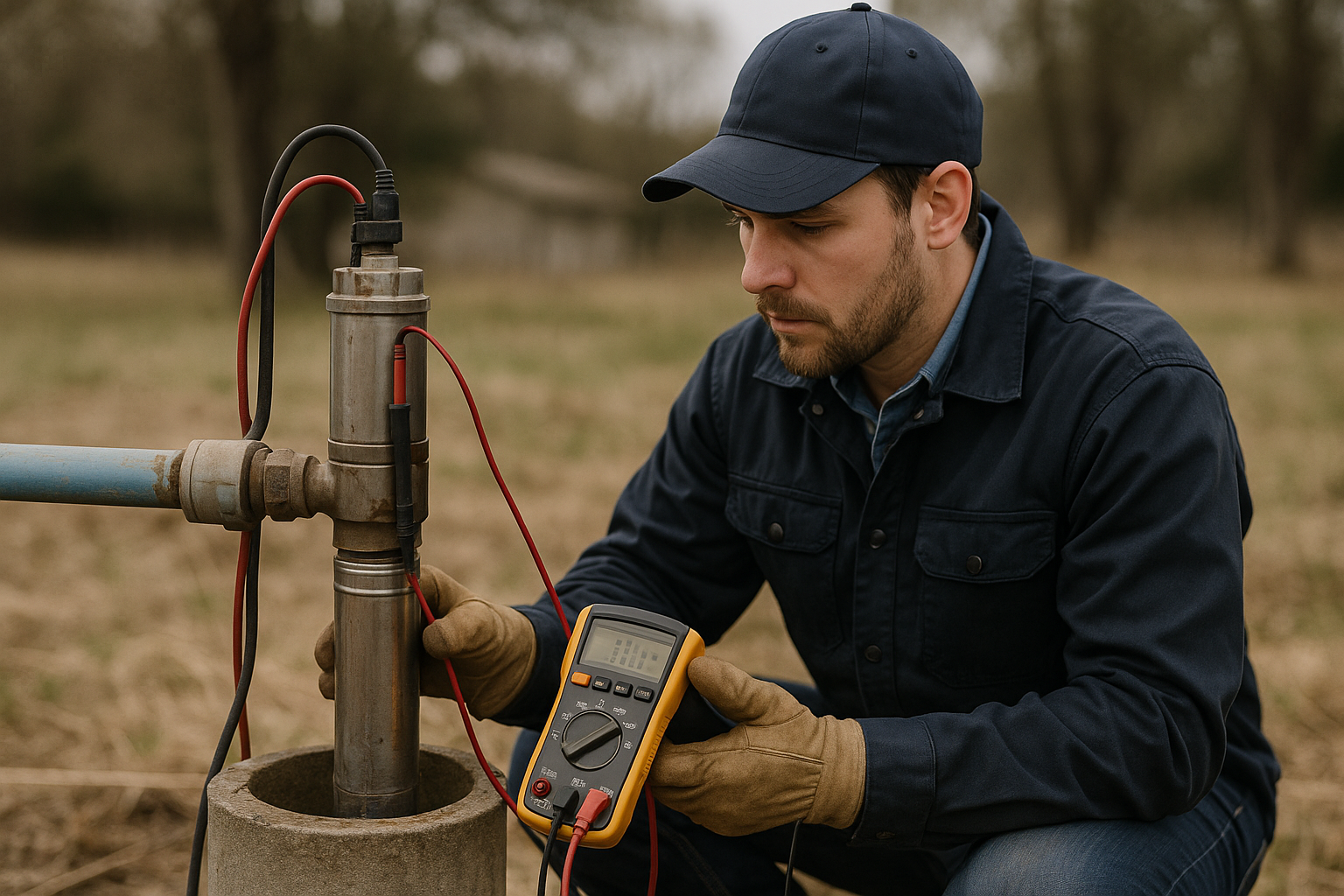
Low Water Pressure From Well: Complete Fix Guide
Diagnose and solve low pressure problems
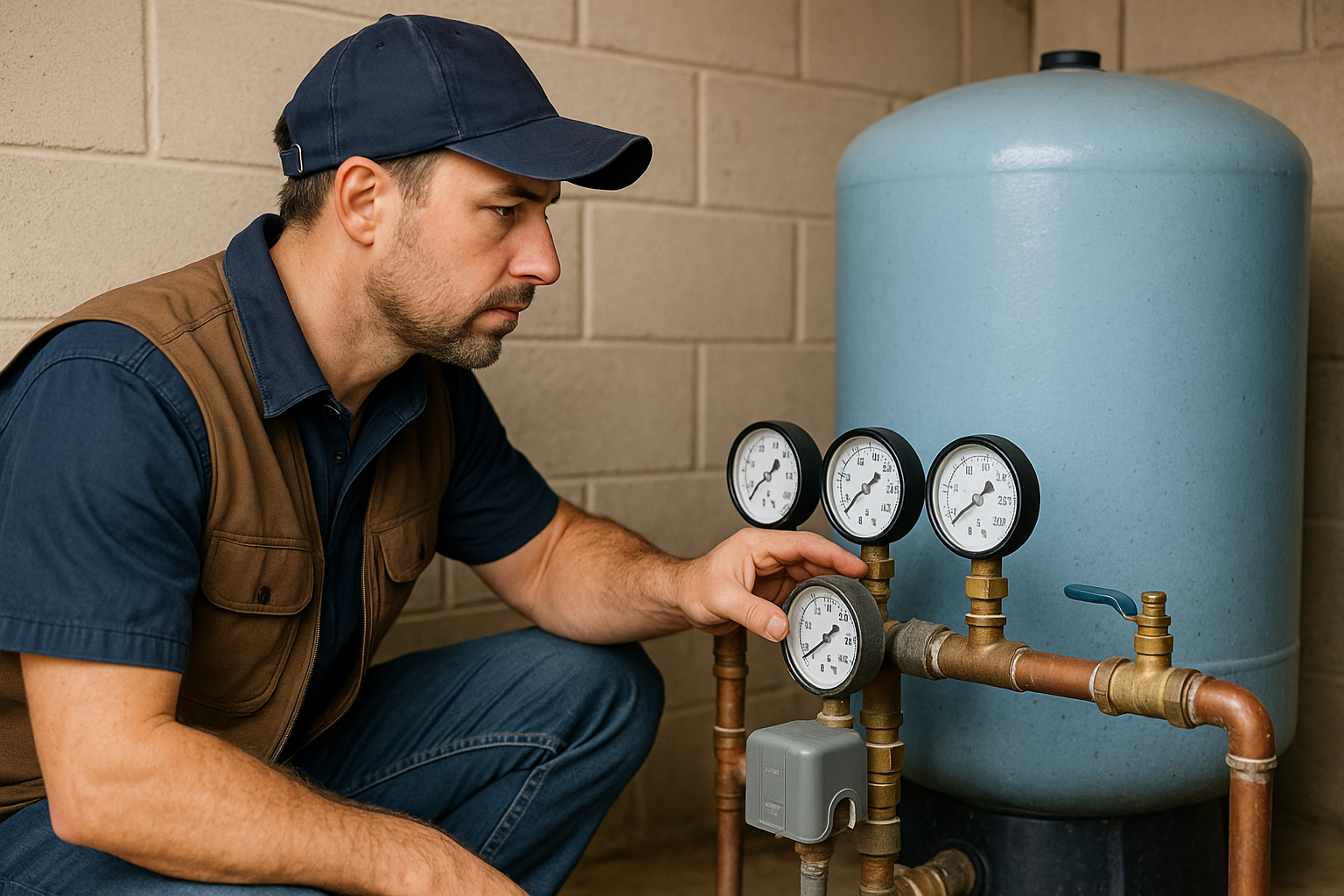
Well Pressure Switch: Settings, Adjustment & Replacement
Everything about pressure switches
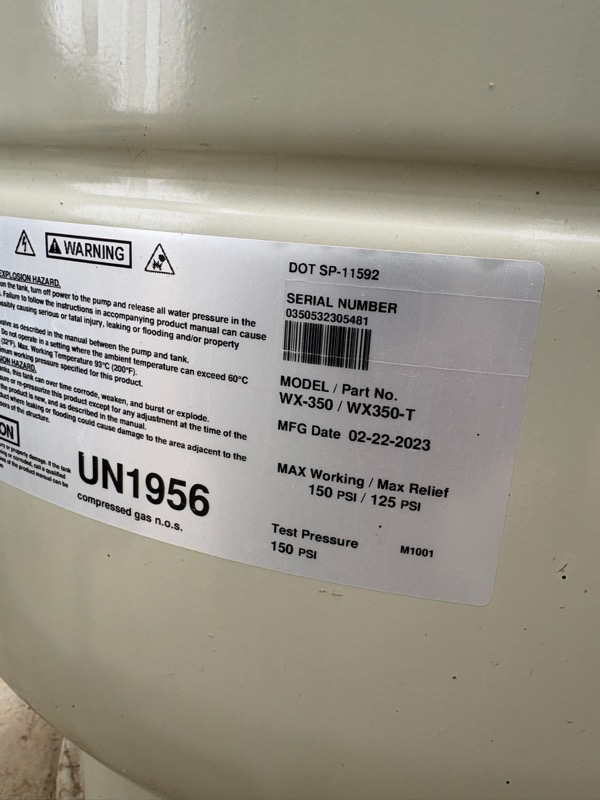
Pressure Tank Maintenance: Complete Guide
Keep your pressure tank working properly
Low Water Pressure Solutions for Mead Valley Properties
As a Mead Valley property owner with a private well, your water system is crucial for daily needs, from household tasks to maintaining your land. When water pressure weakens, it can disrupt your routine and create unnecessary stress. At Southern California Well Service (SCWS), we specialize in resolving low water pressure issues in Mead Valley, an unincorporated area in western Riverside County between Perris and Lake Elsinore. Founded in 2020, with 60+ years of family heritage, we provide customized solutions for the unique well conditions of this region. Contact us at (760) 440-8520 for prompt, expert service.
Why Local Expertise Matters in Mead Valley
Mead Valley, located in the inland expanse of Riverside County, is characterized by a geological setting that significantly influences well performance. The area sits within the Perris Block, a structural basin filled with thick alluvial deposits of sand, gravel, and clay, underlain by older granitic and metamorphic bedrock. Wells in Mead Valley typically range from 100 to 400 feet deep, tapping into unconsolidated alluvial aquifers with variable water yields depending on sediment composition and seasonal recharge. Out-of-area well companies often fail to grasp these local nuances, leading to misdiagnoses and ineffective fixes. At SCWS, our technicians are well-versed in Mead Valley's specific aquifer dynamics and terrain, enabling us to quickly identify low water pressure causes and implement solutions that work.
What Sets SCWS Apart
- Local Presence — Our offices in Ramona and Anza ensure rapid response times for Mead Valley residents.
- Complete Service Range — We cover all well-related needs, from drilling and pump repair to water treatment systems.
- Licensed C-57 Contractor — As certified well drilling experts (CSLB #1086994), we offer specialized knowledge beyond basic plumbing.
- Honest Pricing — We provide transparent quotes without hidden fees or unnecessary upsells.
- Emergency Availability — Same-day service is available for urgent no-water situations in Mead Valley.
Understanding Low Water Pressure in Mead Valley: Local Geology and Its Impact
Mead Valley's geological profile plays a critical role in the challenges faced by well owners seeking consistent water pressure. The region lies within the Elsinore Trough, a tectonically active basin filled with Quaternary alluvial sediments — primarily sand, silt, and gravel — deposited by ancient rivers and floodplains. These unconsolidated materials form the primary aquifers, but their permeability varies widely; coarse gravel zones may yield ample water, while clay-rich layers restrict flow and storage. Beneath these deposits, fractured granitic bedrock offers secondary water sources, though often at greater depths with inconsistent output.
The semi-arid climate of Riverside County, with annual rainfall averaging just 10-13 inches, limits aquifer recharge in Mead Valley. Most groundwater replenishment occurs during brief winter storms, often insufficient to sustain water tables through long, dry summers. Droughts, a recurring issue in Southern California, frequently cause well yields to drop, directly reducing pressure for households. Additionally, the area's groundwater often contains high levels of dissolved minerals like calcium and magnesium due to prolonged contact with alluvial and bedrock materials, leading to scale buildup in well equipment and pipes that exacerbates pressure loss over time.
Common Causes of Low Water Pressure in Mead Valley
Our extensive experience in Riverside County highlights several frequent causes of low water pressure in Mead Valley wells:
- Pump Failures from Mineral Buildup: Hard water prevalent in Mead Valley causes lime and calcium deposits on pump components, reducing efficiency and pressure output. Submersible pumps, often used in deeper wells, are particularly affected.
- Pressure Tank Issues: Mineral-rich water can corrode or clog pressure tank parts, such as bladders or air valves, leading to improper cycling and pressure drops. Older steel tanks, still common in rural Mead Valley homes, are prone to internal rust.
- Low Yield During Droughts: With limited rainfall and sporadic aquifer recharge, wells in Mead Valley often produce less water in dry seasons, directly impacting household pressure.
- Clogged Pipes and Screens: Fine silt and clay from alluvial aquifers can accumulate in well screens, while mineral scale narrows pipes, restricting flow. This is especially problematic in older properties with aging infrastructure.
- Electrical and Mechanical Failures: Power inconsistencies, common in rural unincorporated areas like Mead Valley, can disrupt pump performance. Worn pressure switches or failing check valves further contribute to pressure loss.
Diagnosing Low Water Pressure: What to Look For
If you're experiencing low water pressure in your Mead Valley home, these preliminary checks can help narrow down potential issues before calling a professional:
- Pressure at Multiple Points: Test flow at various faucets and outdoor hoses. If the problem is isolated, it might be a localized clog or fixture issue. System-wide low pressure often indicates pump or tank problems.
- Pump Behavior: Listen for pump cycling. Rapid on-off cycles (short-cycling) suggest a waterlogged pressure tank or bladder failure. A pump running continuously without pressure buildup likely points to mechanical issues.
- Water Quality Signs: Look for sediment, rust, or hard water stains. These indicate aquifer or pipe issues that can restrict flow, common in Mead Valley's mineral-heavy groundwater.
- Seasonal Patterns: If pressure drops during dry months, low well yield due to limited recharge is a likely cause, a frequent concern in Riverside County's arid climate.
SCWS performs thorough diagnostics for Mead Valley wells, including flow rate testing (gallons per minute), pressure tank assessments, and pump efficiency checks. We also analyze water chemistry to identify mineral or sediment problems affecting your system, ensuring our solutions target the root cause.
Solutions for Low Water Pressure in Mead Valley
After diagnosing the source of your low water pressure, SCWS offers tailored solutions for Mead Valley's specific well conditions. Below are common fixes with approximate costs (as of 2026, varying based on equipment and labor rates):
- Pressure Switch Adjustment or Replacement: A worn switch that cycles the pump improperly can be replaced for $150-$350, restoring correct cut-in and cut-out pressure.
- Pressure Tank Replacement: A malfunctioning or corroded tank can be replaced with a modern bladder tank (30-50 gallons) for $600-$1,500 installed, restoring consistent pressure cycles.
- Pump Repair or Replacement: Cleaning mineral deposits from an existing pump costs less if salvageable. Full replacement for a 1-2 HP submersible pump ranges from $2,500-$5,500 with labor, ensuring reliable pressure for household needs.
- Constant Pressure Systems: For fluctuating well yields, a variable frequency drive (VFD) system maintains steady pressure by adjusting pump speed. Installation costs $2,000-$4,500 — a premium choice for larger Mead Valley properties.
- Booster Pump Addition: If well output is adequate but pressure fades at distant or elevated fixtures, a booster pump enhances flow throughout your home, often part of a $2,000-$4,500 constant-pressure package.
- Sediment Filtration and Softening: Sediment filtration to clear silt costs $300-$900, while a softener to combat Mead Valley's hard water runs $1,500-$3,500, protecting equipment and pipes.
- Well Rehabilitation or Deepening: For wells with chronic low yield due to dropping water tables, deepening or hydrofracturing ($3,000-$8,000) to access better aquifers can significantly improve water supply.
Maintenance Tips to Prevent Low Water Pressure
Regular maintenance can help Mead Valley well owners avoid pressure issues and costly repairs. Consider these actionable steps:
- Annual Inspections: Schedule a professional checkup to evaluate pump performance, tank condition, and water quality. Early detection prevents major failures in rural settings.
- Water Softener Use: Given Mead Valley's hard water, a water softener reduces mineral buildup in pipes and equipment, extending their lifespan.
- Conserve During Droughts: Limit non-essential water use (e.g., extensive irrigation) during dry months to avoid overtaxing your well's limited yield.
- Monitor Tank Air Charge: Check your pressure tank's air valve monthly with a tire gauge. It should be 2 PSI below the pump's cut-in pressure (e.g., 38 PSI for a 40-60 PSI system) to prevent cycling issues.
- Keep Records: Log any changes in pressure or water quality. This data helps technicians diagnose issues faster if problems arise in Mead Valley's variable conditions.
When to Call a Professional in Mead Valley
While minor fluctuations can be monitored, certain situations require immediate expert attention. Contact SCWS at (760) 440-8520 if you notice:
- No Water Flow: A complete loss of water often indicates pump failure or a dry well — don't delay, as prolonged pump operation without water can cause burnout.
- Severe Pressure Drop: If pressure suddenly plummets across all fixtures, it could signal a major leak, broken pump, or ruptured pressure tank.
- Strange Noises: Grinding or cavitation sounds from your pump suggest mechanical failure or air in the system, requiring urgent repair.
- Contaminated Water: Cloudy, smelly, or discolored water alongside low pressure may indicate aquifer contamination or pipe breaches — potentially a health risk.
Our team prioritizes emergency calls in Mead Valley, often providing same-day service to restore your water supply. With deep knowledge of Riverside County's alluvial well systems, we're prepared to handle even the most complex issues.
Why Trust SCWS for Your Mead Valley Well Needs?
Low water pressure doesn't have to disrupt your life in Mead Valley. Southern California Well Service combines local expertise with a commitment to quality and fairness. Our CSLB #1086994 reflects hundreds of satisfied customers across Riverside and San Diego Counties. Whether it's a simple pressure switch adjustment or a full well rehabilitation, we've got the skills and tools to get your water flowing strong again. As a licensed C-57 contractor (CSLB #1086994), we adhere to the highest industry standards.
We also recognize the challenges of rural living in unincorporated areas like Mead Valley, where access to services can sometimes be delayed. Our team is dedicated to overcoming these logistical hurdles, ensuring timely support no matter your location. We offer personalized maintenance plans and educational resources to help you understand your well system and manage it effectively in Riverside County's arid environment. Don't let weak water pressure frustrate you any longer. Call SCWS today at (760) 440-8520 for a free estimate or emergency service in Mead Valley.
Frequently Asked Questions
What causes low water pressure on Mead Valley wells?
Mead Valley sits in the Perris Block of western Riverside County, where alluvial sand, gravel, and clay overlie granitic bedrock. Low pressure here often comes from hard-water scale on the pump, a corroded steel pressure tank, clay-and-silt clogging the well screen, or reduced yield during the dry season.
How deep are wells in Mead Valley?
Wells in Mead Valley typically run from about 100 to 400 feet, tapping unconsolidated alluvial aquifers with variable yield depending on sediment and seasonal recharge. We test your well's flow rate and drawdown to gauge whether low yield is contributing to your pressure problem.
What will it cost to restore my water pressure?
Expect roughly $150-$350 for a pressure switch, $600-$1,500 for a pressure tank, and $2,500-$5,500 for a pump replacement. Sediment filtration runs $300-$900 and a softener $1,500-$3,500. Our $125 diagnostic fee is credited toward any repair.
Is hard water a problem for Mead Valley wells?
Yes. Groundwater here often carries high calcium and magnesium from the alluvial and bedrock materials, scaling pipes, pumps, and tanks over time. A softener reduces buildup and extends equipment life, which is why we frequently recommend one for the area.
Why does my pressure drop in summer?
During Riverside County's long dry months, limited recharge lowers the water table and reduces well yield, so pressure fades under heavy use. Conserving outdoor irrigation during droughts and testing your yield helps us confirm whether low yield is the cause.
Do you serve unincorporated Mead Valley?
Yes. We regularly serve Mead Valley and the surrounding Perris and Lake Elsinore area, dispatching from Ramona and Anza with same-day emergency availability for urgent no-water situations.