
Low Water Pressure Solutions in Mission Beach
Dealing with weak water pressure in Mission Beach? Low water pressure can make showers frustrating and appliances ineffective. Our team diagnoses the root cause and restores your water pressure fast.
📋 In This Guide
Need Low Water Pressure Solutions in Mission Beach?
We serve Mission Beach and all of San Diego County. Licensed C-57 contractor (CSLB #1086994), founded 2020.
Call: (760) 440-8520Our Low Water Pressure Solutions Services
- Pressure tank repair and replacement
- Pressure switch adjustment
- Pump upgrades for better pressure
- Constant pressure systems
- Booster pump installation
- Clogged pipe diagnosis
- Well yield testing
- Complete system evaluation
Why Mission Beach Chooses SCWS
✓ Local Expertise
We know San Diego County geology and wells
✓ Fast Response
Same-day service for Mission Beach
✓ Fair Pricing
Honest quotes, no surprises
✓ Quality Work
CSLB #1086994 · founded 2020
Our Locations
Related Articles
Continue learning about well maintenance and troubleshooting
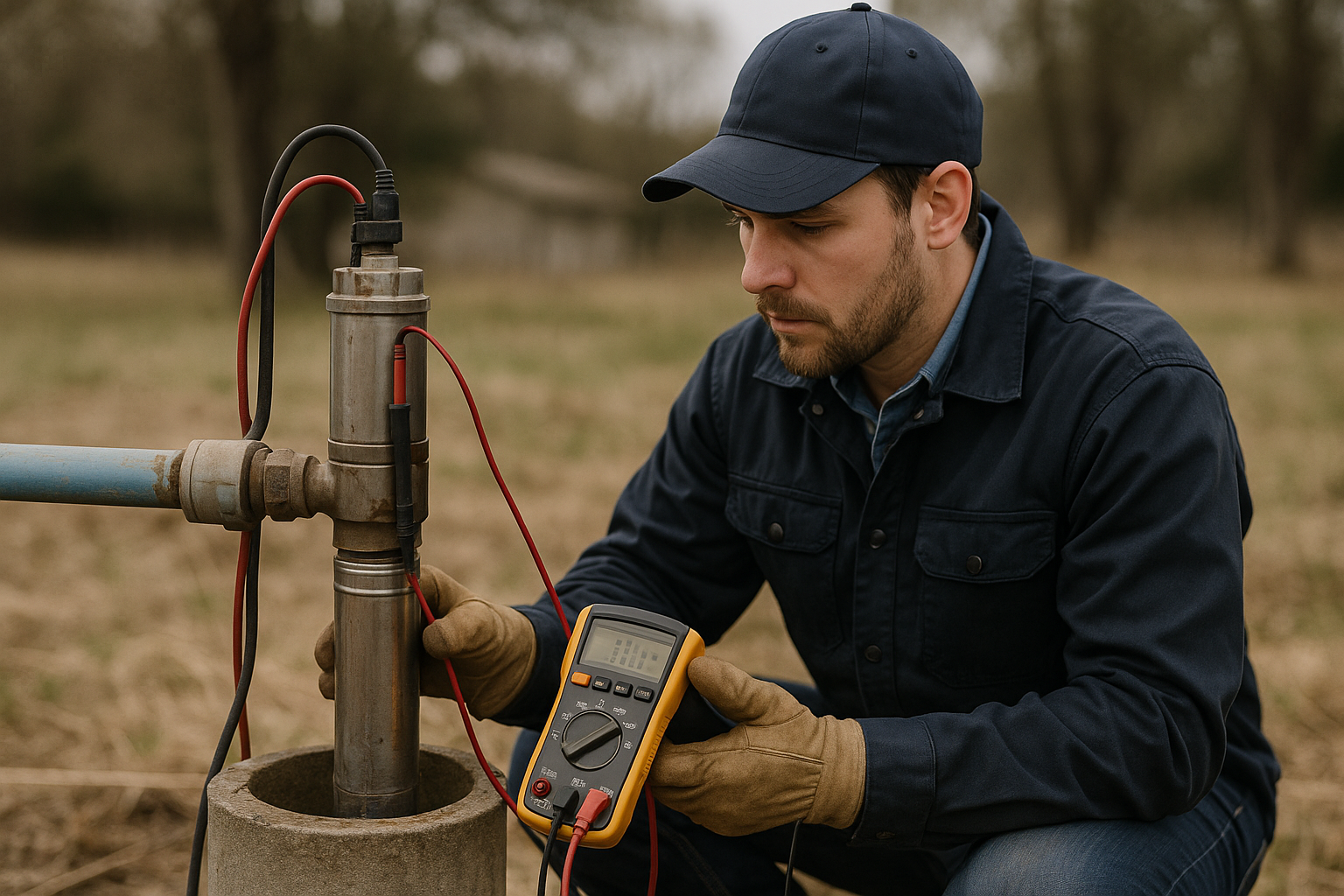
Low Water Pressure From Well: Complete Fix Guide
Diagnose and solve low pressure problems

Well Pressure Switch: Settings, Adjustment & Replacement
Everything about pressure switches
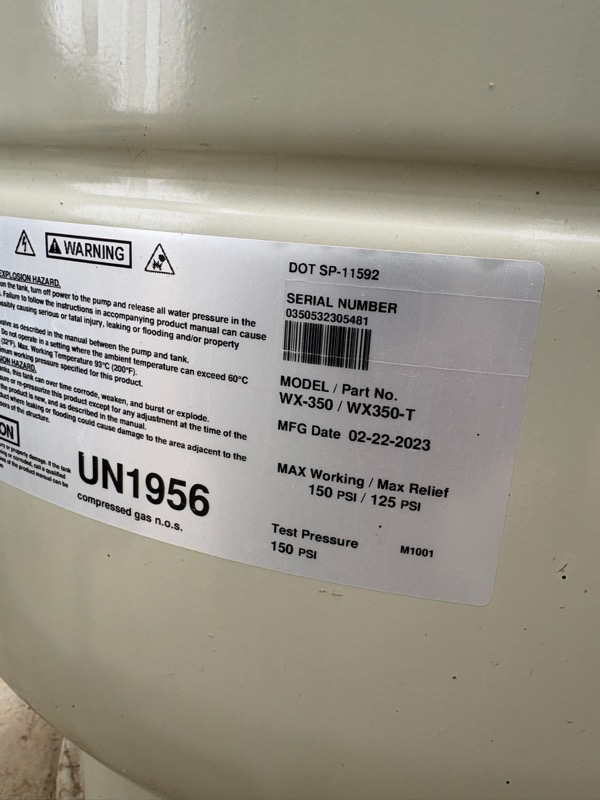
Pressure Tank Maintenance: Complete Guide
Keep your pressure tank working properly
Fixing Low Water Pressure in Mission Beach
Mission Beach occupies one of San Diego's most distinctive settings, a slender sandbar between the Pacific Ocean and Mission Bay, lined with boardwalk cottages and tightly packed homes from the Wave House down to the South Mission jetty. While the peninsula itself runs on city water, properties on the bay-facing edges and the older parcels back toward Pacific Beach and Bay Park sometimes draw on private or supplemental wells, and any system this close to salt water faces conditions you will not find inland. When pressure fades on a coastal well system, the cause is almost always a specific, fixable problem, and the salty, humid air here gives those problems their own character.
since 2020 we have serviced wells and pressure systems across San Diego County, including the coastal communities around Mission Bay. We know how the marine environment treats equipment and how to keep a system delivering strong, steady pressure within feet of the surf.
The Equipment Behind Your Water Pressure
On a private system, your pressure is manufactured at home. A pump draws water and pushes it into a pressure tank, where a bladder traps a cushion of compressed air. That air stores energy and releases it smoothly when you open a faucet, so the pump is not forced to cycle constantly. A pressure switch flips the pump on near 40 psi and off near 60 psi, keeping you in the comfortable range. Near the coast, every metal component in that chain, the tank shell, fittings, and the switch contacts, sits in salt-laden air that speeds corrosion, so a system that runs flawlessly inland may need more attention here.
Coastal Causes of Low Pressure
- Corrosion-driven leaks. Salt air rusts fittings and tank shells, and a slow leak quietly bleeds pressure you never see.
- Waterlogged pressure tank. A failed bladder floods the tank and triggers rapid pump short-cycling, the most common pressure complaint anywhere.
- Sand and fine sediment. Shallow coastal aquifers near Mission Bay can carry fine grit that clogs screens, cartridges, and aerators.
- Worn pump. Years of duty plus corrosive air wear pump components and reduce output.
- Failing pressure switch. Humidity and salt pit the contacts, so the pump cuts in late and pressure dips.
- Clogged fixtures. Mineral and sediment buildup in aerators and showerheads throttles individual outlets.
Quick Checks You Can Do
- One fixture or whole house? One weak tap usually means a clogged aerator; weak everywhere means the pump, tank, or main.
- Watch the gauge. Rapid cycling when water runs almost always indicates a waterlogged tank.
- Look for corrosion. Rust streaks or damp spots around the tank and fittings point to leaks.
- Check the filter. A grit-packed sediment cartridge chokes the whole house and is cheap to replace.
- Tap the tank. Solid sound throughout means the bladder is gone.
Leave wiring, switch contacts, and anything inside the casing to a professional, the mix of water and electricity is unforgiving.
When It Is Time to Call
If pressure stays low after the basics, if the pump short-cycles or runs constantly, or if you spot corrosion and leaks, call us. Our $125 diagnostic finds the real cause and is credited toward any repair.
Typical Coastal Repair Costs
- Pressure switch: $150 to $350
- Pressure tank: $600 to $1,500
- Pump replacement: $2,500 to $5,500
- Sediment filtration: $300 to $900
- Iron, manganese, or softening: $1,500 to $3,500
- Constant-pressure or booster system: $2,000 to $4,500
- Hydrofracturing: $3,000 to $8,000
- New turnkey well: $18,000 to $42,000
Most coastal pressure problems are solved with a tank, switch, or filter, not a full replacement.
Serving Mission Beach and Coastal San Diego County
From our Ramona and Anza offices, we serve Mission Beach and the surrounding coastal communities of Pacific Beach, Ocean Beach, Bay Park, and Mission Bay, plus all of San Diego County. We are a licensed C-57 well contractor (CSLB #1086994) with founded in 2020, with 60+ years of family heritage, same-day emergency service.
Warning Signs You Should Not Ignore Near the Coast
Coastal pressure problems often start quietly. A faucet that sputters with air, a faint rust stain spreading at a fitting, a pump that runs a few seconds longer each month, these are the early signals that salt air is taking its toll. Because corrosion accelerates here, a small leak that would take years to matter inland can become a real pressure problem in a single season near the beach. If you notice damp ground around the wellhead or tank, a musty smell near the pump, or your water bill creeping up without explanation, it is worth a professional look before a slow leak becomes a major one.
Air in the lines is another coastal tell. When a pressure tank loses its charge or a pump begins to draw down to a low water level, you may get spitting faucets and uneven flow. On the narrow Mission Beach peninsula, where homes sit close together and access is tight, getting ahead of these signs keeps a minor service visit from turning into an emergency at the height of summer rental season.
Keeping a Coastal System Healthy
The best defense against coastal pressure problems is regular attention. We recommend an annual inspection that checks the tank's air charge, the pump's output, the integrity of every exposed fitting, and the condition of any sediment filtration. Replacing corroded brass and steel fittings with corrosion-resistant materials before they fail saves both pressure and money. For vacation rentals and homes that sit empty for stretches, a quick pre-season check ensures the system is ready before guests arrive and demand spikes. Small, steady maintenance is far cheaper than an emergency call when the salt air finally wins, and it keeps strong, steady pressure flowing year-round just steps from the sand.
Why Mission Beach Trusts Southern California Well Service
Working on a well system within feet of salt water is not the same as working on one inland, and the difference shows up in the details. We choose corrosion-resistant fittings, we know which pump and tank materials hold up to marine humidity, and we have decades of experience diagnosing the slow, sneaky leaks that coastal corrosion produces. When you call us, you get a technician who has solved these exact problems on the peninsula and the bay-side parcels around Mission Bay, not someone learning the coast on your dime. We give honest assessments, recommend the smallest effective fix, and back our work with a reputation built over founded in 2020 and hundreds of reviews across San Diego County.
We also understand the realities of beach-area living, tight lot access, vacation-rental turnover, and the need to keep a property guest-ready. We schedule efficiently, work cleanly in close quarters, and offer same-day emergency response when you simply have no water. From a quick pressure-switch swap to a complete constant-pressure system for a multi-level home, we size every solution to your specific property so the fix lasts.
Frequently Asked Questions
Does salt air near Mission Beach affect my well equipment?
It can. The coastal environment between Mission Bay and the Pacific accelerates corrosion on exposed tanks, fittings, and electrical connections. We use corrosion-resistant components and check for rust-driven leaks that quietly bleed off pressure.
Why does my pressure drop when I run the irrigation and a shower together?
That is the signature of a waterlogged pressure tank or an undersized pump with no reserve capacity. A healthy tank holds enough pressurized water to cover simultaneous demand; once the bladder fails, pressure collapses the moment a second fixture opens.
Is shallow groundwater near the coast a problem for pressure?
Coastal alluvial water near Mission Bay can carry fine sand and sediment that clogs screens, filters, and fixtures. Proper sediment filtration keeps that grit from slowly strangling your flow.
How long should my pressure tank last by the coast?
Bladder tanks typically last 8 to 15 years, but salt air and humidity near the beach can shorten that. If yours is over a decade old and pressure is swinging, it is worth inspecting.
Can you improve pressure for a multi-level beach home?
Yes. Many Mission Beach properties are tall and narrow on small lots. A constant-pressure or booster system holds steady pressure on every floor regardless of demand.
Is the diagnostic fee refundable?
The diagnostic is $125 and is fully credited toward any repair we perform, so it effectively costs nothing when you proceed.
Get Your Water Pressure Back Today
Same-day service for Mission Beach and coastal San Diego County. Call or text Southern California Well Service now.
Call (760) 440-8520