
Low Water Pressure Solutions in Morena
Dealing with weak water pressure in Morena? Low water pressure can make showers frustrating and appliances ineffective. Our team diagnoses the root cause and restores your water pressure fast.
📋 In This Guide
Need Low Water Pressure Solutions in Morena?
We serve Morena and all of San Diego County. Licensed C-57 contractor (CSLB #1086994), founded 2020.
Call: (760) 440-8520Our Low Water Pressure Solutions Services
- Pressure tank repair and replacement
- Pressure switch adjustment
- Pump upgrades for better pressure
- Constant pressure systems
- Booster pump installation
- Clogged pipe diagnosis
- Well yield testing
- Complete system evaluation
Why Morena Chooses SCWS
✓ Local Expertise
We know San Diego County geology and wells
✓ Fast Response
Same-day service for Morena
✓ Fair Pricing
Honest quotes, no surprises
✓ Quality Work
CSLB #1086994 · founded 2020
Our Locations
Related Articles
Continue learning about well maintenance and troubleshooting
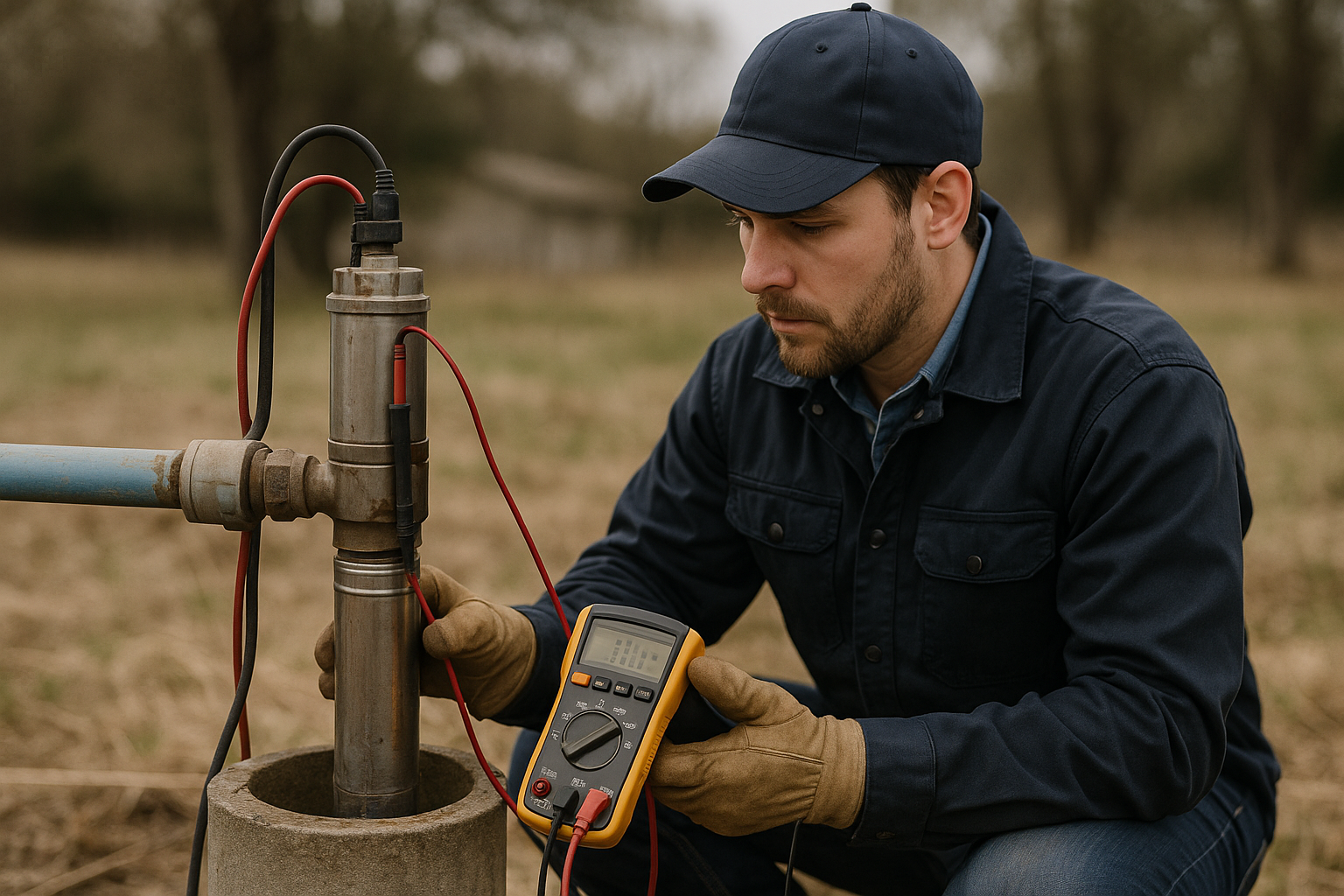
Low Water Pressure From Well: Complete Fix Guide
Diagnose and solve low pressure problems
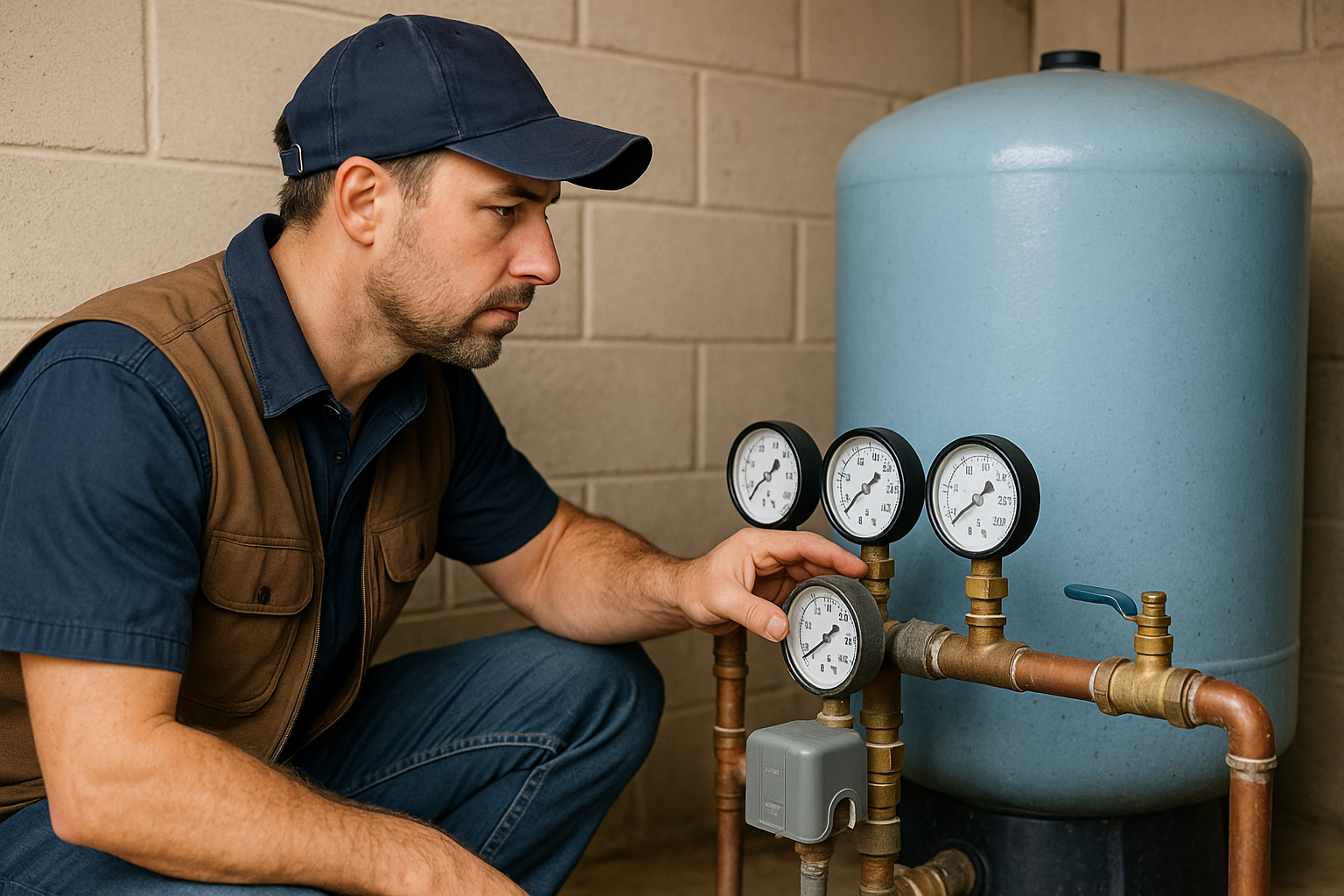
Well Pressure Switch: Settings, Adjustment & Replacement
Everything about pressure switches
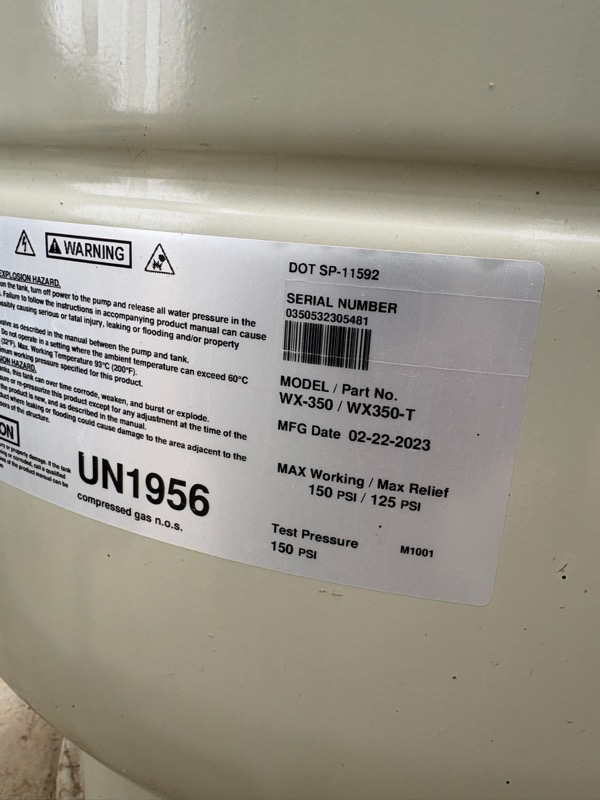
Pressure Tank Maintenance: Complete Guide
Keep your pressure tank working properly
Comprehensive Low Water Pressure Solutions for Morena Properties
As a property owner in the Lake Morena area of eastern San Diego County, your private well is crucial for sustaining daily life in this remote, high-elevation region near the border. Low water pressure can severely impact everything from basic household needs to outdoor maintenance, turning routine tasks into significant challenges. At Southern California Well Service (SCWS), founded in 2020, with 60+ years of family heritage, we specialize in diagnosing and fixing low water pressure issues tailored to Morena's rugged, isolated environment. Operating from our Ramona and Anza offices, we're familiar with the unique demands of wells at around 3,000 feet elevation. Let's delve into the causes, diagnostics, and solutions for low water pressure in Morena, customized to the local geology and remote setting.
Understanding Morena's Unique Geological Challenges
The Lake Morena area, located in remote eastern San Diego County at approximately 3,000 feet elevation near the Mexican border, is characterized by a rugged landscape of rolling hills and mountainous terrain. The region lies within the Peninsular Ranges, dominated by decomposed granite, fractured crystalline rock, and schist formations. Wells in Morena typically draw from shallow, fractured bedrock aquifers, where water is stored in cracks and fissures rather than expansive underground reservoirs. The area's high elevation and arid climate, combined with limited rainfall and proximity to Lake Morena — a reservoir often affected by drought — create significant challenges for groundwater availability and well performance.
The local geology plays a central role in low water pressure issues. Fractured rock aquifers in Morena often have low storage capacity, meaning wells can run dry quickly during dry seasons when recharge from sparse rainfall is minimal. Decomposed granite contributes to sediment intrusion, with fine particles clogging well screens and reducing flow. Additionally, the region's tectonic activity — near fault zones like the Elsinore Fault — can alter fracture patterns over time, disrupting water pathways and impacting yield. The remote, elevated setting also means wells are more exposed to environmental extremes, like temperature swings, which can affect equipment. At SCWS, our deep knowledge of eastern San Diego County's geology ensures we tackle these unique challenges head-on.
Common Causes of Low Water Pressure in Morena
Low water pressure in Morena wells often stems from a combination of geological constraints, harsh environmental conditions, and equipment stress in this isolated area. Here are the primary causes we frequently encounter:
- Pump Damage from Sediment and Wear: Decomposed granite and fractured rock release fine sediment into wells, wearing down pump impellers and reducing output. The hard, mineral-rich water common in bedrock aquifers also causes scaling, further impacting pump efficiency.
- Pressure Tank Issues: Vital for maintaining flow, pressure tanks in Morena face corrosion from mineral-laden water and stress from elevation-related pressure differences or extreme temperature shifts, leading to inconsistent water delivery.
- Low Well Yield in Arid Conditions: Southern California's dry climate hits Morena hard, with limited rainfall at high elevation failing to recharge shallow aquifers. Droughts, often affecting nearby Lake Morena, exacerbate low water tables, directly reducing well pressure.
- Clogged Screens and Pipes: Sediment from granite soils frequently blocks well screens and casings, restricting flow. Mineral deposits, like calcium or iron from bedrock, can also build up in pipes, narrowing pathways over time in this remote region.
- Electrical and Equipment Challenges: Power fluctuations in rural, border-adjacent areas like Morena can disrupt pump operation. Aging systems, common in isolated properties with limited maintenance access, often struggle to meet pressure demands.
These issues require solutions tailored to Morena's high-elevation, fractured-rock environment. Our local expertise allows us to pinpoint causes efficiently, avoiding generic fixes that don't address the area's specific challenges.
Diagnosing Low Water Pressure in Morena
Accurate diagnosis is the cornerstone of effective solutions. At SCWS, we use a detailed approach to identify why your water pressure is low, factoring in Morena's remote, elevated conditions. Here's our diagnostic process:
- Initial Assessment: We begin by discussing your situation — Is pressure low across all taps or just some? Was the decline sudden or gradual? We also ask about water quality, like grit or metallic tastes, which can indicate sediment from decomposed granite or minerals from fractured rock.
- Physical Inspection: Our team examines your wellhead, pump, pressure tank, and accessible piping. In Morena, we look for sediment buildup from local soils and scaling from hard water, both prevalent in high-elevation bedrock wells.
- Pressure and Flow Testing: Using precision gauges, we measure static and dynamic pressure at multiple points, alongside flow rates. This helps differentiate equipment issues from low yield, a common concern in arid, elevated areas with limited aquifer recharge.
- Well Yield Analysis: We perform drawdown tests to assess sustainable water output, crucial in Morena where shallow, fractured aquifers can deplete rapidly during dry spells or after minimal rainfall.
- Electrical and Mechanical Diagnostics: We check voltage and amperage to the pump, as power inconsistencies are frequent in remote rural zones. We also listen for abnormal pump noises signaling sediment damage or cavitation from low water levels.
Our diagnostics are customized for Morena's unique challenges, like limited aquifer capacity or environmental wear. We provide a transparent explanation of the issue and a targeted plan to restore your water pressure.
Solutions for Low Water Pressure in Morena
Once we've identified the root cause, SCWS offers tailored solutions for Morena's high-elevation, fractured-rock wells, addressing both geological and isolation-driven challenges. Here are common fixes with estimated costs (based on 2026 rates, subject to equipment or labor changes):
- Pressure Switch Replacement: A worn switch that cycles the pump incorrectly can be replaced for $150-$350, restoring correct cut-in and cut-out pressure.
- Pressure Tank Replacement: Failing tanks struggle with elevation and mineral stress. A replacement runs $600-$1,500 depending on capacity, sized to avoid short-cycling in extreme climates.
- Pump Repair or Replacement: Sediment-worn pumps can often be rebuilt. If replacement is necessary, a new submersible pump for gritty conditions costs $2,500-$5,500 installed. We select durable materials to resist Morena's hard water corrosion.
- Booster Pump Installation: For adequate yield but weak delivery, a booster pump enhances pressure, often part of a $2,000-$4,500 constant-pressure package. This helps Morena homes on hilly terrain or with long pipe runs due to remote layouts.
- Constant Pressure Systems: Variable frequency drive (VFD) systems maintain steady flow by adjusting pump speed, ideal for fluctuating demand in isolated areas. Costing $2,000-$4,500, they suit larger Morena properties with varied needs.
- Well Cleaning and Rehabilitation: Sediment-clogged screens from granite soils can be cleared with air-lifting or chemicals for $300-$900. For deeper yield issues in fractured rock, redevelopment or hydrofracturing costs $3,000-$8,000, based on well depth and condition.
- Filtration and Water Treatment: Sediment filters ($300-$900) prevent clogs from local soils, while water softeners ($1,500-$3,500) combat hard water scaling, protecting equipment in Morena where bedrock minerals are common.
We provide clear quotes upfront, prioritizing affordable options for Morena residents in remote areas, with our $125 diagnostic fee credited toward any repair. Our solutions are built to withstand the harsh, isolated environment and limited recharge of high-elevation wells.
Maintenance Tips to Prevent Low Water Pressure in Morena
Preventive maintenance can save you from costly emergencies, especially in Morena where isolation and harsh conditions stress well systems. Here are tailored tips for sustaining pressure:
- Annual Well Inspections: Schedule a yearly check with SCWS, ideally before dry seasons, to catch sediment or tank issues early. Inspections prevent failures in remote areas where help is far off.
- Check Pressure Tank Air: Monthly, use a tire gauge to verify tank air pressure (pump off) matches the cut-in setting (often 28-30 psi for 30/50 switches). Low air causes cycling, worsened by elevation extremes; we can guide adjustments.
- Clear Sediment Regularly: If water appears gritty, install a sediment filter near the well and flush outdoor taps yearly to remove pipe debris, easing strain from granite sediment.
- Protect Equipment from Extremes: Morena's elevation brings intense sun and cold nights. A cover or enclosure ($100-$200) shields pumps and tanks from weather stress, prolonging life in this exposed, border-adjacent region.
- Conserve Water in Dry Spells: With minimal recharge at high elevation, reduce usage during droughts to preserve shallow aquifers. Fix leaks and limit irrigation to maintain well pressure when rainfall is scarce.
- Address Hard Water: A water softener reduces mineral buildup in pipes and equipment, critical in Morena where fractured bedrock water often carries high calcium, risking scale-related pressure loss.
These steps help avoid common pressure issues in remote, elevated wells. SCWS offers maintenance plans including inspections and priority service — perfect for Morena property owners far from urban support.
When to Call a Professional in Morena
While basic checks can be DIY, certain signs in Morena's isolated, high-elevation context demand SCWS's professional expertise. Call us at (760) 440-8520 if you experience:
- Severe or No Water Flow: If taps barely work or stop, it could be pump failure or a dry well — a dire issue in remote areas like Morena without nearby alternatives. We provide same-day emergency response when possible.
- Strange Pump Noises: Grinding or humming often signals sediment damage or mechanical failure. Running a failing pump risks total breakdown, a major problem when service access is limited.
- Sediment or Discolored Water: Gritty or rusty output points to well screen or casing issues, common in granite-heavy areas. This can clog systems fast if ignored in isolated locations.
- Frequent Pump Cycling: Rapid on-off cycles suggest tank or switch problems, raising energy costs and wearing equipment, especially costly in rural areas with limited power reliability.
- Ongoing Issues After Basic Fixes: If filters and tank checks fail to restore pressure, deeper issues like low aquifer yield or blockages tied to fractured rock may exist. Our diagnostics uncover hidden problems in Morena's geology.
Don't wait for minor issues to become crises. In Morena, where wells are lifelines in a remote, border-adjacent region, timely intervention is essential. With our C-57 license (#1086994) and extensive experience, SCWS handles everything from quick repairs to complex well rehabilitation. Call (760) 440-8520 for immediate help or a free estimate.
Why Morena Residents Trust SCWS
Southern California Well Service has built a reputation for reliability across San Diego County, including the Lake Morena area, through localized expertise and dedication. With offices in Ramona and Anza, we're positioned for response even to remote regions, often same-day for emergencies. We understand the high-elevation challenges — from fractured aquifers to minimal recharge — better than out-of-area providers. Our CSLB #1086994, backed by hundreds of reviews, reflects our focus on quality, fair pricing, and tailored solutions. We avoid unnecessary repairs, ensuring fixes match your specific needs and budget.
Whether you're a homeowner struggling with weak water flow or managing a rural property near the border, SCWS is your ally. Our full-service approach — drilling, pump repair, water treatment, and beyond — is supported by our C-57 well drilling license (#1086994). For Morena, where isolation and geology test well systems, our regional insight delivers lasting results.
Restore Your Water Pressure in Morena Today
Low water pressure shouldn't disrupt your life in the Lake Morena area. Whether it's sediment from decomposed granite clogging your pump, a failing tank under elevation stress, or low yield from arid conditions, SCWS has the expertise to resolve it. since 2020 serving Southern California, we know eastern San Diego County's remote challenges intimately. Call us at (760) 440-8520 for a free estimate or emergency service. Let's get your water pressure back so you can thrive in this rugged, high-elevation region — trust SCWS for solutions built for Morena's unique environment.
Frequently Asked Questions
Why is my Morena well pressure low?
The Lake Morena area of eastern San Diego County sits around 3,000 feet on fractured granite and crystalline rock. Low pressure usually comes from low-storage bedrock aquifers running low, decomposed-granite sediment clogging the screen, hard-water scale on the pump, or a pressure tank stressed by elevation and temperature swings.
How deep and productive are wells near Lake Morena?
Morena wells typically draw from shallow, fractured-bedrock aquifers where water sits in cracks rather than large reservoirs, so yield can be limited and can drop quickly during dry spells. We perform drawdown tests to gauge your well's sustainable output.
What do repairs cost in the Morena area?
Expect $150-$350 for a pressure switch, $600-$1,500 for a pressure tank, and $2,500-$5,500 for a pump replacement. Sediment filtration runs $300-$900, a softener $1,500-$3,500, and a constant-pressure or booster system $2,000-$4,500. The $125 diagnostic is credited toward the repair.
Does the high elevation create extra problems?
Yes. At roughly 3,000 feet, intense sun and cold nights stress pumps and tanks, and the remote location means service is farther away. A simple enclosure protects equipment, and we plan maintenance to prevent failures where help is not nearby.
Why does my Morena well lose pressure in dry months?
Fractured-rock aquifers have low storage, so minimal rainfall and drought around Lake Morena lower the water table and reduce yield. Conserving during dry spells and fixing leaks helps maintain pressure until recharge improves.
Can you reach a remote Morena property the same day?
Yes. We dispatch from Ramona and Anza and provide same-day emergency response when possible, even to the remote, border-adjacent Lake Morena area where a well is the property's lifeline.