
Low Water Pressure Solutions in Mountain Center
Dealing with weak water pressure in Mountain Center? Low water pressure can make showers frustrating and appliances ineffective. Our team diagnoses the root cause and restores your water pressure fast.
Need Low Water Pressure Solutions in Mountain Center?
We serve Mountain Center and all of Riverside County. Licensed C-57 contractor (CSLB #1086994), founded 2020.
Call: (760) 440-8520Our Low Water Pressure Solutions Services
- Pressure tank repair and replacement
- Pressure switch adjustment
- Pump upgrades for better pressure
- Constant pressure systems
- Booster pump installation
- Clogged pipe diagnosis
- Well yield testing
- Complete system evaluation
Related Articles
Continue learning about well maintenance and troubleshooting
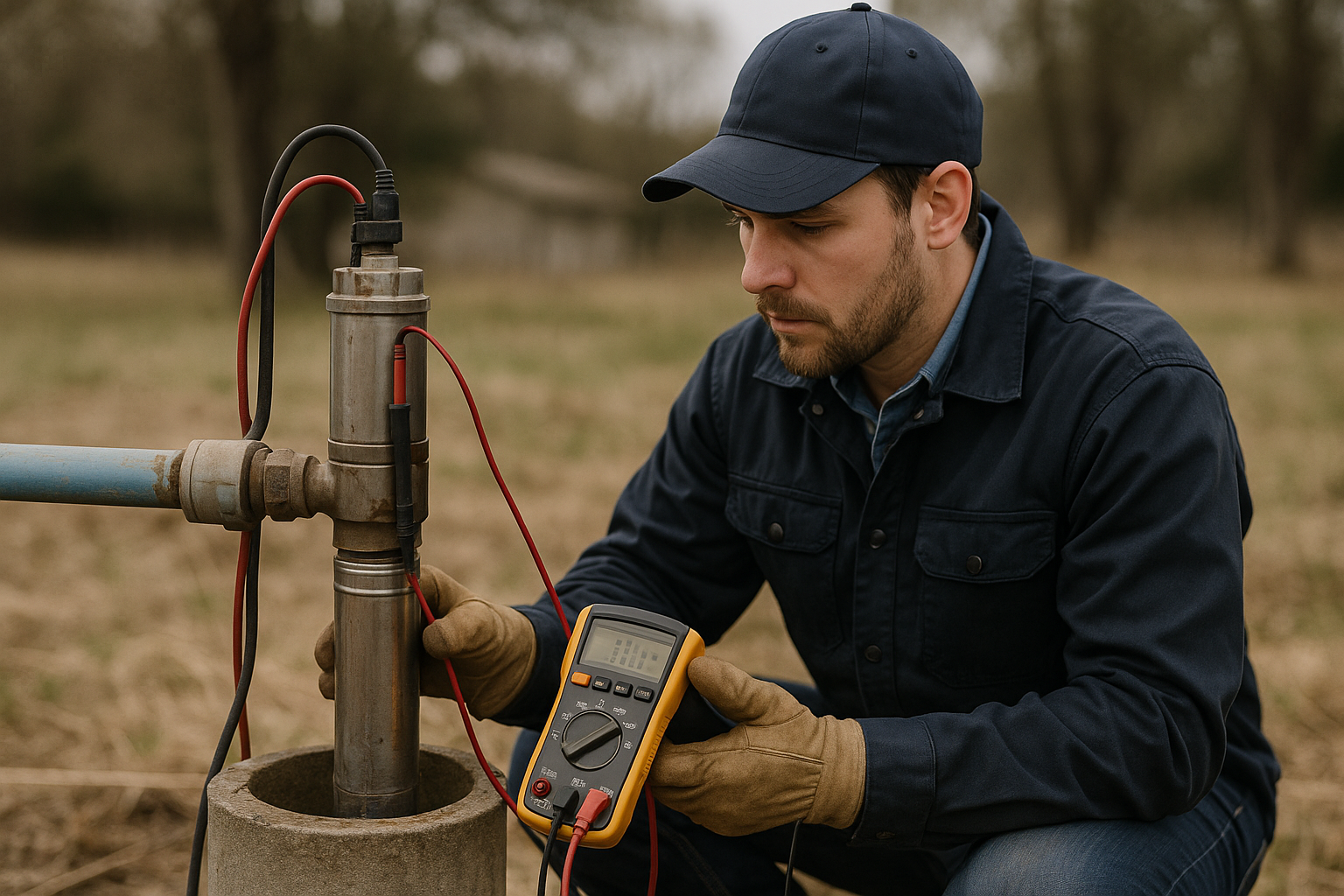
Low Water Pressure From Well: Complete Fix Guide
Diagnose and solve low pressure problems
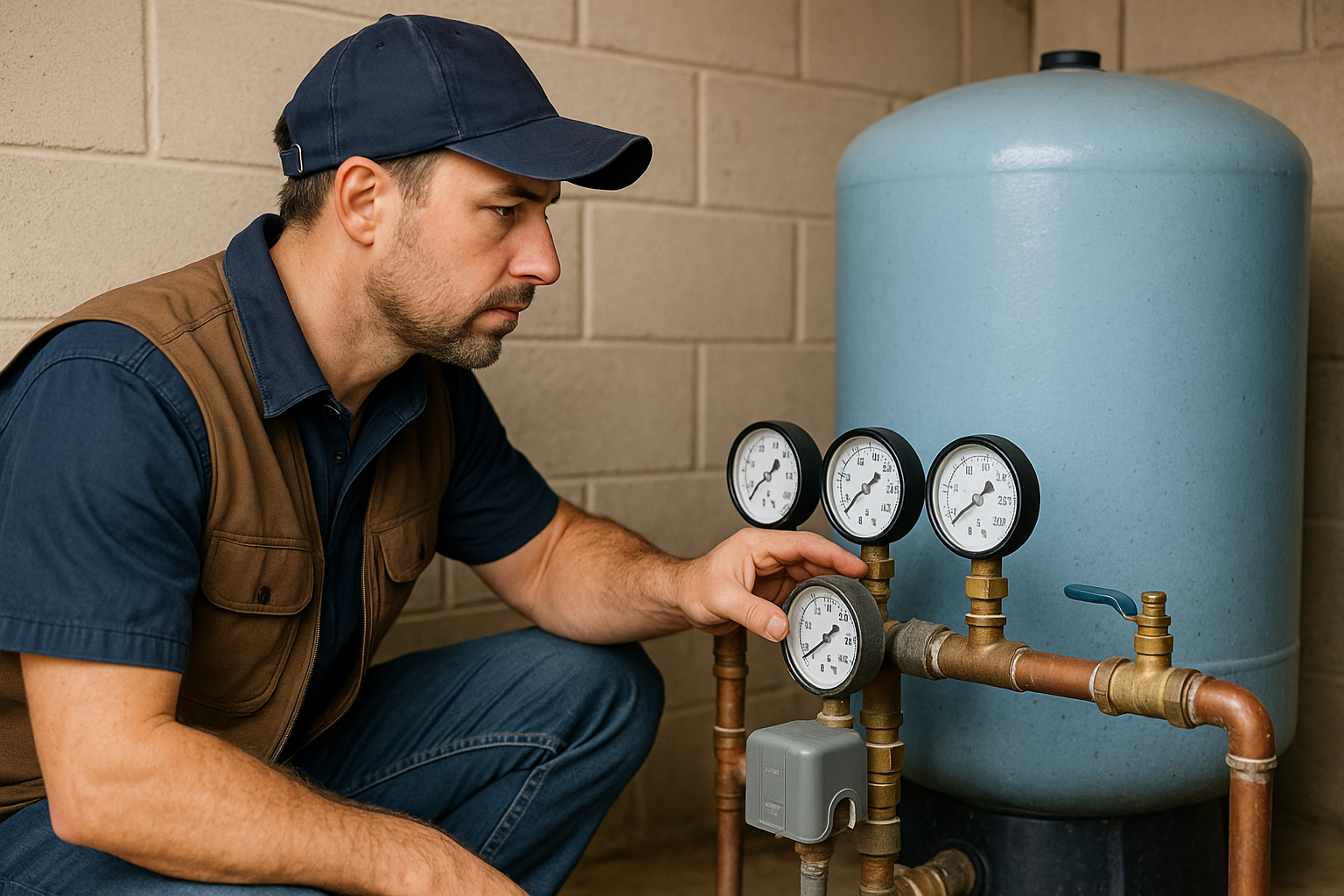
Well Pressure Switch: Settings, Adjustment & Replacement
Everything about pressure switches
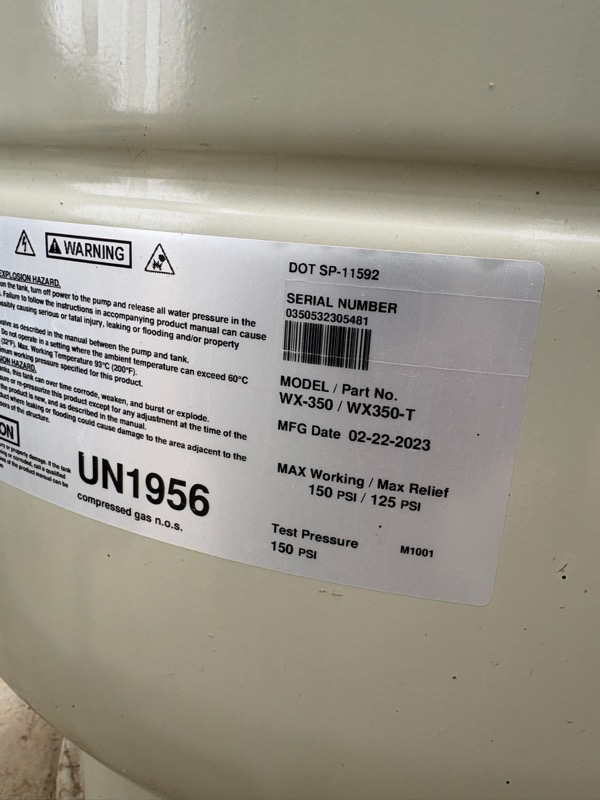
Pressure Tank Maintenance: Complete Guide
Keep your pressure tank working properly
Comprehensive Low Water Pressure Solutions for Mountain Center Properties
If you are a property owner in Mountain Center with a private well, you depend on your water system for daily needs. Low water pressure can turn simple tasks into frustrating challenges. At Southern California Well Service (SCWS), we specialize in addressing water pressure issues in Mountain Center, a small mountain community in Riverside County between Idyllwild and Anza, situated at approximately 4,500 feet elevation. Founded in 2020, with 60+ years of family heritage, we are ready to diagnose and restore your system quickly. Call us at (760) 440-8520 for same-day service.
Understanding Mountain Center's Unique Geological Challenges
Mountain Center, located in Riverside County at 4,500 feet elevation, lies in the San Jacinto Mountains between Idyllwild and Anza. This high-elevation area is characterized by granite bedrock, schist formations, and thin, rocky soils, all of which impact well performance and water pressure. Wells here often range from 300 to 600 feet deep, tapping into fractured rock aquifers with limited capacity. Several geological and environmental factors contribute to low water pressure in Mountain Center:
- High-Elevation Demands: At 4,500 feet, pumping water requires significant energy to overcome gravity, especially across the steep, mountainous terrain. This can strain systems and reduce pressure if not properly configured.
- Fractured Granite and Schist: The region's bedrock consists of fractured granite and metamorphic schist, where water flows through narrow fissures. These can become clogged with mineral deposits or collapse, restricting yield and pressure.
- Limited Aquifer Recharge: Thin soils and seasonal precipitation, often as snow or sporadic rain, mean aquifers recharge slowly. This variability, combined with Southern California's droughts, can lead to inconsistent water tables, affecting pressure.
These local conditions require specialized solutions that account for Mountain Center's mountainous geology. Generic approaches often fail here, which is why SCWS employs technicians with deep knowledge of Riverside County's high-elevation terrain to provide accurate diagnostics and lasting repairs.
Common Causes of Low Water Pressure in Mountain Center Wells
Low water pressure in Mountain Center frequently results from a mix of environmental factors and mechanical wear, unique to this high-altitude, rural mountain region. Based on our extensive experience in Riverside County, here are the primary causes we encounter:
- Pump Strain from Elevation: The high altitude forces pumps to work harder to lift water, accelerating wear on components like impellers and reducing pressure output over time.
- Pressure Tank Damage: Extreme temperature swings at 4,500 feet, cold winters and warm summers, can stress pressure tanks, causing air leaks or waterlogging that disrupts pressure regulation.
- Clogged Infrastructure: Mineral deposits from hard mountain water and debris from fractured rock often clog pipes, filters, and well screens, creating blockages that restrict flow and lower pressure.
- Low Aquifer Yield: Mountain Center's aquifers are often shallow and limited due to rocky terrain and variable rainfall. Droughts or seasonal demand can deplete water levels, directly impacting pressure.
- Power and Mechanical Issues: Remote mountain areas can experience inconsistent power supply, affecting pump performance. Additionally, steep terrain adds strain on check valves and other components, leading to failures.
Identifying the exact cause of low pressure requires a detailed evaluation, as multiple factors often interact. SCWS offers thorough diagnostics to pinpoint the root issues affecting your well system in Mountain Center.
Diagnosing Low Water Pressure: Our Process
At SCWS, we take a methodical approach to diagnosing low water pressure, ensuring we address the specific challenges of Mountain Center's high-elevation environment. When you reach out to us at (760) 440-8520, here is how we proceed:
- Initial Discussion: We start by reviewing your symptoms, weak flow, inconsistent pressure, or pump issues. We will ask about seasonal impacts, as Mountain Center's weather extremes often influence water systems.
- On-Site Inspection: Our team examines your pump, pressure tank, and electrical setup for signs of wear or damage, factoring in altitude-related stress. We measure pressure across the system to identify bottlenecks.
- Well Yield Assessment: We test your well's output over time, comparing it to typical yields for high-elevation wells in the San Jacinto Mountains. This determines if aquifer depletion is reducing pressure.
- Water Quality Testing: Given the mineral content in mountain water, we analyze samples for sediment and hardness that could be clogging your system and affecting flow.
- Comprehensive Report: We deliver a clear breakdown of our findings, with customized solutions for Mountain Center's mountainous conditions. Transparency ensures you understand the issue and cost before repairs start.
Our diagnostic service typically costs between $150 and $300, depending on system complexity and travel within Riverside County. This fee is often applied as a credit toward repairs if you choose SCWS for the solution.
Solutions to Restore Water Pressure in Mountain Center
Once we have diagnosed the cause of your low water pressure, SCWS implements solutions built to withstand Mountain Center's high-altitude, rugged conditions. Below are common fixes with estimated costs:
- Pressure Tank Repair or Replacement: If your tank is compromised by temperature stress or mineral buildup, we will repair or replace it with a model designed for mountain conditions. Cost: $800-$1,500 for a 40-60 gallon tank, including installation.
- Pump Repair or Upgrade: Pumps stressed by elevation may need impeller replacement or an upgrade to a higher-capacity model to handle steep terrain. Cost: $500-$2,000, based on pump type and horsepower.
- Constant Pressure Systems: For steady pressure despite elevation and aquifer fluctuations, we install variable frequency drive (VFD) systems that adjust pump speed dynamically. Cost: $2,500-$4,000, ideal for mountain properties.
- Booster Pump Installation: If well yield is adequate but pressure drops due to height, a booster pump can help. Cost: $1,000-$2,500, depending on system size and integration complexity.
- Pipe and Filter Cleaning or Replacement: We clear mineral and debris blockages using high-pressure flushing or replace affected sections, addressing issues common in rocky mountain water. Cost: $300-$1,000, based on blockage severity.
- Well Rehabilitation: For low-yield wells impacted by limited aquifers, techniques like hydrofracturing or deepening can restore output. Cost: $3,000-$10,000+, a significant investment often necessary in high-elevation areas.
These costs cover labor and materials with no hidden charges. SCWS provides upfront pricing, ensuring cost-effective solutions for Mountain Center's challenging terrain.
Maintenance Tips to Prevent Low Water Pressure
Regular maintenance is crucial in Mountain Center to prevent low water pressure, given the high altitude and extreme weather conditions. Here are actionable tips to keep your system running smoothly:
- Yearly Inspections: Have a professional evaluate your system annually to spot early signs of pump wear or tank damage, especially after harsh winters. SCWS offers maintenance plans starting at $200/year.
- Water Quality Monitoring: Test your water yearly for minerals and sediment, common in mountain wells. Consider a water softener, priced at $800-$2,000, to minimize scaling on components.
- Pressure Tank Air Check: Monthly, use a tire gauge to verify the tank's air pressure is 2 PSI below your pump's cut-in setting (often 28 PSI for a 30/50 switch). Adjust to avoid waterlogging.
- Winter Protection: At 4,500 feet, freezing temperatures are a risk. Insulate exposed pipes and tanks to prevent cracks or pressure loss during Mountain Center's cold winters.
- Filter Maintenance: Clean or replace inline filters every 3-6 months to prevent clogs from mountain sediment and debris.
These practices can significantly extend your well system's lifespan in Mountain Center's demanding environment. SCWS can customize a maintenance plan to fit your property's needs.
When to Call a Professional in Mountain Center
While some maintenance can be done yourself, certain scenarios demand expert help. Contact SCWS at (760) 440-8520 if you experience:
- Sudden Pressure Drop: An abrupt loss often signals pump failure or a major leak, requiring urgent professional intervention to avoid system damage.
- Complete Loss of Water: If your well stops producing, it could indicate pump failure, electrical issues, or aquifer depletion, an emergency in a remote area like Mountain Center.
- Unusual Pump Noises or Cycling: Grinding sounds or frequent on-off cycling suggest mechanical or pressure tank issues that need expert diagnosis.
- Sediment or Color Changes: Visible debris or discoloration in water, common in rocky terrain, may indicate clogs or aquifer shifts affecting pressure, requiring professional assessment.
- Persistent Issues After DIY Attempts: If basic fixes like pressure switch adjustments do not restore flow, deeper problems like low yield or elevation strain may be present.
SCWS provides same-day emergency service in Mountain Center, ensuring minimal disruption. As a licensed C-57 contractor (CSLB #1086994), we deliver reliable, high-quality repairs backed by local expertise.
Why Mountain Center Trusts Southern California Well Service
SCWS has earned a strong reputation across Riverside County for dependable well services. Here is why Mountain Center residents rely on us:
- Mountain Expertise: We understand the high-elevation challenges of the San Jacinto Mountains, from extreme weather to limited aquifers, ensuring accurate solutions.
- Quick Service: With offices in Ramona and Anza, we are positioned for rapid response to Mountain Center, often same-day for urgent needs.
- Honest Pricing: We offer clear, upfront quotes with no hidden fees or unnecessary upselling.
- Proven Quality: Our CSLB #1086994 is backed by hundreds of satisfied customers throughout Southern California.
- All-In-One Service: From diagnostics to complete system repairs, we manage every aspect of well care.
Do not let low water pressure disrupt your life in Mountain Center. Whether it is a minor repair or a major well rehabilitation, SCWS is prepared to restore your system. Call (760) 440-8520 now for a free estimate or emergency assistance.
Frequently Asked Questions
Why is my well water pressure low in Mountain Center?
In Mountain Center, high in the San Jacinto Mountains at about 4,500 feet, low pressure usually traces to a pump straining to lift water from a deep fractured-rock well, a pressure tank stressed by cold winters and warm summers, a worn or drifting pressure switch, mineral scale or debris from fractured granite clogging screens, or seasonal low aquifer yield. A diagnostic isolates the exact cause.
What is a normal pressure setting for a Mountain Center well?
Most homes run a 40/60 PSI pressure switch (pump on at 40, off at 60); some older systems use 30/50. The pressure tank's air charge should sit about 2 PSI below the cut-in. If pressure never climbs near the cut-out, the pump, switch, or a blockage is the likely problem.
How deep are wells in Mountain Center?
Wells in the Mountain Center area of the San Jacinto Mountains commonly range from about 300 to 600 feet, tapping fractured granite and schist aquifers with limited capacity. These high-elevation bedrock wells often have lower, more variable yields that directly affect pressure.
Can I fix low water pressure myself?
You can safely check the pressure gauge, confirm the switch has not tripped, test the tank's air charge with a tire gauge, and replace a clogged sediment filter. The pump, casing, and wiring should be left to a licensed C-57 contractor, especially given the deep wells and freezing risk at elevation.
How much does it cost to fix low water pressure in Mountain Center?
A pressure switch runs $150 to $350, a pressure tank $600 to $1,500, a submersible pump $2,500 to $5,500, sediment filtration $300 to $900, a softener for hard water $1,500 to $3,500, a constant-pressure or booster system $2,000 to $4,500, and hydrofracturing to improve yield $3,000 to $8,000. We start with a $125 diagnostic credited toward the repair.
Do you offer same-day service in Mountain Center?
Yes. From our Ramona and Anza offices we provide same-day emergency response to Mountain Center, Idyllwild, and the surrounding San Jacinto Mountains in Riverside County. Call (760) 440-8520 or text (760) 219-5877.
Still dealing with weak water pressure in Mountain Center? Southern California Well Service is a licensed C-57 contractor with founded in 2020, with 60+ years of family heritage serving Mountain Center and the San Jacinto Mountains in Riverside County. Call (760) 440-8520 or text (760) 219-5877 for same-day emergency service and a free estimate.