
Low Water Pressure Solutions in Navajo
Dealing with weak water pressure in Navajo? Low water pressure can make showers frustrating and appliances ineffective. Our team diagnoses the root cause and restores your water pressure fast.
📋 In This Guide
Need Low Water Pressure Solutions in Navajo?
We serve Navajo and all of San Diego County. Licensed C-57 contractor (CSLB #1086994), founded 2020.
Call: (760) 440-8520Our Low Water Pressure Solutions Services
- Pressure tank repair and replacement
- Pressure switch adjustment
- Pump upgrades for better pressure
- Constant pressure systems
- Booster pump installation
- Clogged pipe diagnosis
- Well yield testing
- Complete system evaluation
Why Navajo Chooses SCWS
✓ Local Expertise
We know San Diego County geology and wells
✓ Fast Response
Same-day service for Navajo
✓ Fair Pricing
Honest quotes, no surprises
✓ Quality Work
CSLB #1086994 · founded 2020
Our Locations
Related Articles
Continue learning about well maintenance and troubleshooting
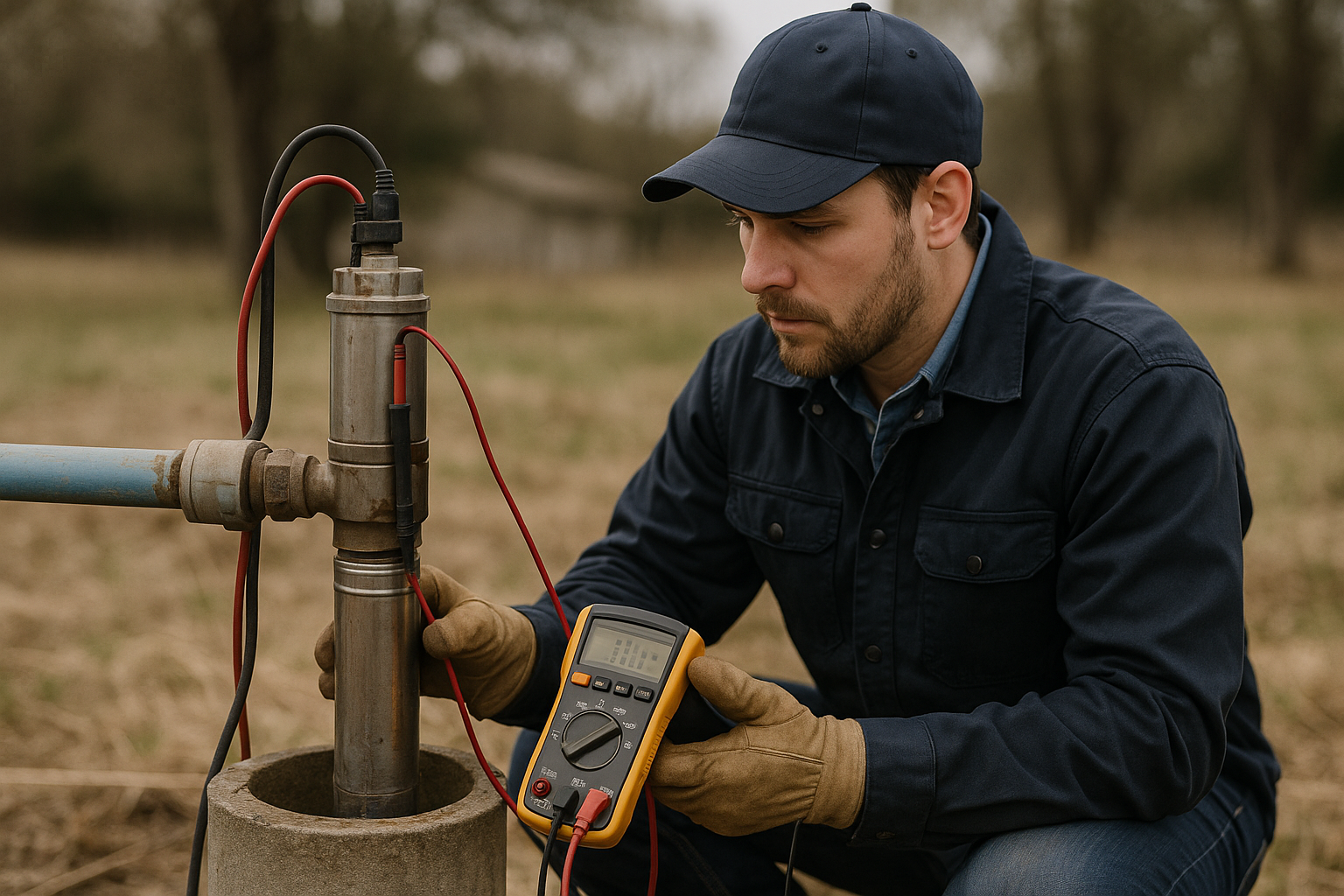
Low Water Pressure From Well: Complete Fix Guide
Diagnose and solve low pressure problems
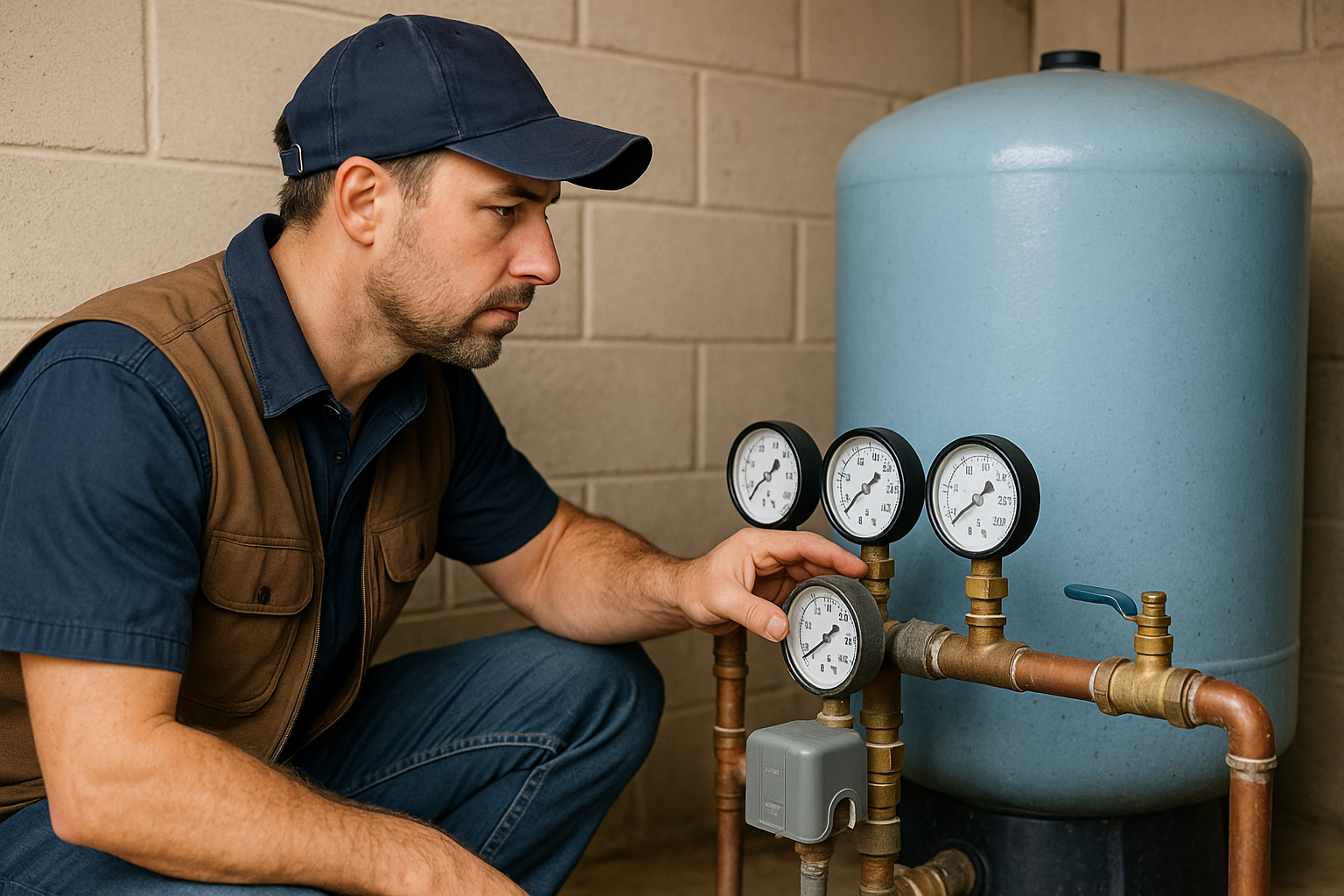
Well Pressure Switch: Settings, Adjustment & Replacement
Everything about pressure switches
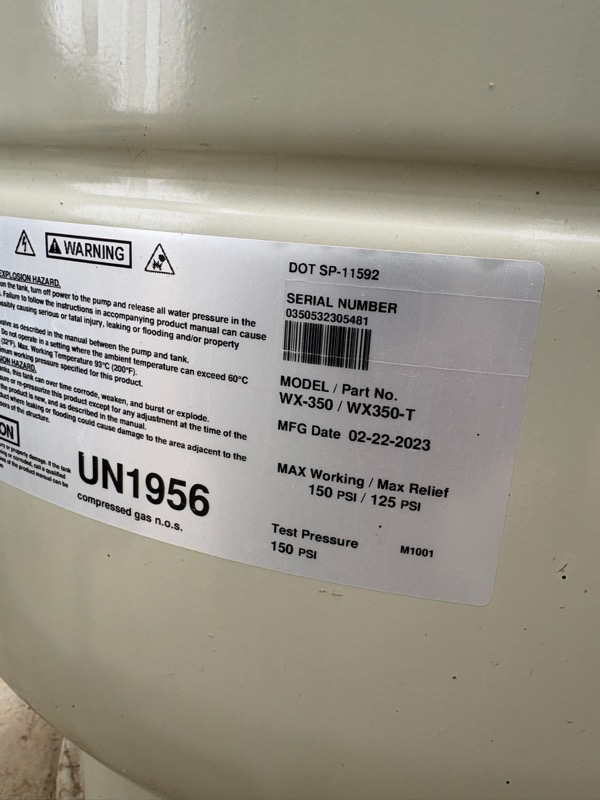
Pressure Tank Maintenance: Complete Guide
Keep your pressure tank working properly
Comprehensive Low Water Pressure Solutions for Navajo Properties
As a property owner in the Navajo neighborhood of San Diego, encompassing areas like Grantville and Allied Gardens, your private well is essential for maintaining daily life in this urban canyon terrain. Low water pressure can disrupt routine tasks, making everything from showers to household appliances inefficient and frustrating. At Southern California Well Service (SCWS), founded in 2020, with 60+ years of family heritage, we specialize in diagnosing and resolving low water pressure issues specific to Navajo’s unique urban-rural blend. Operating from our Ramona and Anza offices, we understand the challenges of wells in San Diego’s varied landscapes. Let’s explore the causes, diagnostics, and solutions for low water pressure in Navajo, tailored to the local geology and urban environment.
Understanding Navajo’s Unique Geological Challenges
The Navajo neighborhood, located in central San Diego near Grantville and Allied Gardens, features a distinctive urban canyon terrain shaped by the San Diego River valley and surrounding mesas. The area is underlain by a mix of sedimentary formations, including sandstone and conglomerate of the Friars Formation, as well as decomposed granite and fractured bedrock in higher elevations. Wells in Navajo often draw from shallow alluvial aquifers along the river valley or fractured rock systems in the uplands, where groundwater availability can vary significantly due to the steep topography and urban development. The region’s semi-arid climate and limited natural recharge further complicate well performance.
The local geology plays a critical role in low water pressure challenges. In the canyon areas, alluvial deposits of sand and gravel can introduce sediment into wells, clogging screens and reducing flow. In the mesa and hillside zones, fractured bedrock aquifers often have limited storage capacity, leading to inconsistent yields, especially during dry seasons. Urban development in Navajo also means wells may compete with municipal systems or face contamination risks from runoff and infrastructure, impacting water quality and equipment. Additionally, the steep terrain can create elevation-related pressure issues in distribution systems. At SCWS, our expertise in San Diego County’s diverse geology ensures we address these unique factors with precision.
Common Causes of Low Water Pressure in Navajo
Low water pressure in Navajo wells often results from a combination of geological constraints, urban influences, and system wear in this densely populated area. Here are the most common causes we encounter:
- Pump Wear from Sediment and Hard Water: Alluvial aquifers in canyon areas carry fine sand that erodes pump impellers, while hard water with minerals from bedrock causes scale buildup, both reducing pump efficiency and pressure output.
- Pressure Tank Malfunctions: Pressure tanks, crucial for consistent flow, suffer in Navajo from mineral corrosion of internal components and stress from urban heat or elevation differences, leading to pressure fluctuations or short-cycling.
- Low Well Yield Due to Limited Recharge: Southern California’s dry climate limits aquifer recharge in Navajo, especially in fractured bedrock areas with low storage. Seasonal droughts exacerbate water table drops, reducing well volume and pressure.
- Clogged Pipes and Screens: Sediment from alluvial soils often blocks well screens and household plumbing, restricting flow. Urban runoff can introduce additional debris, while mineral deposits like iron narrow pipes over time.
- Electrical and Aging System Issues: Power inconsistencies in urban-adjacent areas can disrupt pump operation, while older well systems—common in established Navajo neighborhoods—may lack capacity for modern usage, impacting pressure.
These issues demand solutions specific to Navajo’s urban canyon geology and developed setting. Our local experience ensures we target the exact problem without unnecessary guesswork.
Diagnosing Low Water Pressure in Navajo
Accurate diagnosis is the foundation of lasting fixes. At SCWS, we use a thorough process to determine why your water pressure is low, accounting for Navajo’s unique blend of urban and natural challenges. Here’s our diagnostic approach:
- Initial Discussion: We start by gathering specifics—Is pressure low across all fixtures or just some? Was the drop sudden or gradual? We also ask about water quality, like sediment or tastes, which can indicate alluvial clogs or urban runoff influence in Navajo.
- Physical Inspection: Our team examines your wellhead, pump, pressure tank, and accessible piping. In Navajo, we check for sediment from canyon soils and scaling from hard water, both common in mixed alluvial and bedrock wells.
- Pressure and Flow Measurements: Using specialized gauges, we test static and dynamic pressure at various points, alongside flow rates. This distinguishes equipment issues from low yield, often a concern in urban areas with limited recharge.
- Well Yield Testing: We conduct drawdown tests to assess sustainable water output, critical in Navajo where fractured bedrock or shallow aquifers can deplete quickly, especially in dry seasons or under urban demand.
- Electrical and Mechanical Diagnostics: We verify power supply stability, as urban electrical noise can affect pumps. We also listen for unusual pump sounds signaling sediment damage or cavitation from low water levels or elevation stress.
Our diagnostics are designed for Navajo’s specific conditions, like canyon sediment or topographic pressure challenges. We provide a clear explanation of the issue and a detailed plan to restore your water pressure effectively.
Solutions for Low Water Pressure in Navajo
Once we’ve identified the cause, SCWS offers tailored solutions for Navajo’s urban canyon wells, addressing geological, topographic, and urban factors. Here are common fixes with estimated costs (based on 2026 rates, subject to equipment or labor variations):
- Pump Repair or Replacement: Sediment-worn pumps can often be rebuilt for $800–$1,200. For severe damage, a new submersible pump suited for sandy conditions costs $1,500–$2,500 installed. We choose corrosion-resistant models for Navajo’s hard water.
- Pressure Tank Replacement: Failing tanks struggle with mineral stress and elevation differences. A new 20-gallon tank costs $600–$900, while larger 40–80 gallon tanks for bigger properties run $1,000–$1,800, sized to avoid cycling issues.
- Booster Pump Installation: If yield is adequate but pressure lags due to elevation or long pipe runs, a booster pump helps for $1,200–$2,000, including setup. This suits Navajo homes on sloped canyon terrain.
- Constant Pressure Systems: Variable frequency drive (VFD) systems maintain steady flow by adjusting pump speed, ideal for urban demand fluctuations. Costing $2,500–$4,000, they’re perfect for larger Navajo properties with varied usage.
- Well Cleaning and Rehabilitation: Sediment-clogged screens from alluvial soils can be cleared with air-lifting or chemicals for $1,000–$2,000. For yield issues in fractured bedrock, redevelopment costs $3,000–$5,000, based on well depth and condition.
- Filtration and Water Treatment: Sediment filters ($300–$600) combat alluvial clogs, while water softeners ($800–$1,500) address hard water scaling, protecting equipment in Navajo where mixed geology increases mineral content.
We deliver upfront quotes, prioritizing affordable fixes for Navajo residents, with financing for larger repairs. Our solutions are built to handle urban canyon wear and protect against local water quality issues.
Maintenance Tips to Prevent Low Water Pressure in Navajo
Preventive care can save you from costly repairs, especially in Navajo where sediment, limited recharge, and urban factors challenge wells. Here are tailored tips for maintaining your system:
- Annual Well Checkups: Book an inspection with SCWS each year, ideally before dry seasons, to spot sediment or pressure issues early. A basic check costs $150–$250 and prevents major failures in urban-adjacent areas.
- Check Pressure Tank Regularly: Use a tire gauge monthly to ensure the tank’s air pressure (pump off) matches the cut-in setting (often 28–30 psi for 30/50 switches). Low air causes cycling, worsened by urban heat or elevation; we can guide adjustments.
- Flush Sediment Buildup: If sandy water appears, install a sediment filter near the well ($20–$50 replacements every 3–6 months) and flush outdoor taps annually to clear pipe debris, easing pump strain from canyon alluvial deposits.
- Shield Equipment from Urban Heat: Navajo’s developed areas trap heat. Protect pumps and tanks with a cover or enclosure ($100–$200) to avoid overheating, extending life in dense neighborhood settings.
- Conserve During Dry Spells: Limited recharge in canyon and bedrock areas means water tables drop in summer. Reduce non-essential use like excessive watering to preserve aquifer levels, maintaining well pressure.
- Combat Hard Water: A water softener ($800+) reduces mineral buildup in pipes and equipment, a must in Navajo where mixed geology increases water hardness, preventing scaling-related pressure loss.
These steps minimize common pressure pitfalls in urban canyon wells. SCWS offers maintenance plans from $200/year, including inspections and priority service—ideal for busy Navajo property owners.
When to Call a Professional in Navajo
While DIY checks handle minor issues, certain signs in Navajo’s urban canyon context demand professional intervention from SCWS. Call us at (760) 440-8520 if you experience:
- No Water or Severe Pressure Loss: If taps barely trickle or stop, it could be pump failure or a dry well—a critical issue in urban areas without easy backups. We provide same-day emergency service when possible.
- Strange Pump Noises: Grinding or humming often means sediment damage or mechanical failure. Running a failing pump risks total burnout, costly in populated areas like Navajo with high replacement demand.
- Visible Sediment or Discoloration: Sandy or rusty water points to well screen or casing issues, prevalent in alluvial canyon wells. This can clog systems fast if ignored.
- Rapid On-Off Cycling: Frequent pump cycling indicates pressure tank or switch problems, spiking energy costs and wearing equipment, especially under urban usage patterns.
- Persistent Issues After Basic Fixes: If filters and tank checks don’t restore pressure, deeper issues like low yield or blockages tied to Navajo’s geology or elevation may be at play. Our diagnostic tools uncover hidden problems.
Don’t delay on escalating issues. In Navajo, where wells support urban life amid canyon terrain challenges, quick action is key. With our C-57 license (#1086994) and decades of expertise, SCWS manages everything from minor adjustments to full well overhauls. Call (760) 440-8520 for immediate help or a free estimate.
Why Navajo Residents Choose SCWS
Southern California Well Service is a trusted name across San Diego County, including the Navajo neighborhood, thanks to our local focus and proven results. With offices in Ramona and Anza, we’re ready for fast response, often same-day for emergencies. We grasp the unique pressures on urban canyon wells—from alluvial sediment to limited bedrock yield—unlike out-of-area contractors. Our CSLB #1086994, backed by hundreds of reviews, showcases our commitment to quality, clear pricing, and customized fixes. We skip unnecessary upsells, delivering what your well truly needs.
Whether you’re a homeowner battling weak flow in Grantville or managing a property in Allied Gardens with outdoor water needs, SCWS stands ready. Our comprehensive services—drilling, pump repair, treatment, and more—are supported by our C-57 well drilling license (#1086994). For Navajo, where urban demand meets canyon geology, our regional insight ensures lasting solutions.
Restore Your Water Pressure in Navajo Today
Low water pressure doesn’t have to hinder your life in Navajo. Whether it’s sediment from alluvial canyon aquifers clogging your pump, a failing tank under hard water stress, or low yield from limited recharge, SCWS has the know-how to fix it. since 2020 serving Southern California, we’re intimately familiar with San Diego’s urban-rural well challenges. Call us at (760) 440-8520 for a free estimate or emergency help. Let’s bring your water pressure back to full strength so you can focus on daily life—trust SCWS for results built for Navajo’s unique canyon terrain.
Frequently Asked Questions
Is Navajo part of San Diego County, and do you service wells there?
Yes. Navajo is a community within the City of San Diego in San Diego County, covering Del Cerro, San Carlos, Allied Gardens, and Grantville near Lake Murray and Cowles Mountain. We regularly service private wells throughout this urban-mesa area. As a licensed C-57 contractor with founded in 2020, with 60+ years of family heritage, we know how San Diego's canyon and mesa geology affects well performance.
Why does my Navajo well lose pressure even though it is in an urban area?
Navajo's mix of alluvial deposits along the San Diego River valley and fractured bedrock in the mesas creates two problems: sand and silt that clog screens and pumps, and limited bedrock storage that drops yield in dry months. Hard water from the bedrock also scales pumps and tanks. We diagnose which factor is driving your pressure loss rather than guessing.
How much does it cost to fix low water pressure in Navajo?
Common repairs include a pressure switch at $150-$350, a pressure tank at $600-$1,500, sediment filtration at $300-$900, and a water softener for hard water at $1,500-$3,500. A booster or constant-pressure system runs $2,000-$4,500, and a full pump replacement is $2,500-$5,500. Our $125 diagnostic is credited toward the repair, and we provide upfront quotes with no surprises.
Will a water softener really help my Navajo well system?
Often yes. Navajo's mixed alluvial and bedrock geology raises the mineral content in groundwater, and that hardness scales pipes, pump components, and tank fittings, gradually choking flow. A softener or iron and manganese treatment system ($1,500-$3,500) reduces scaling and protects your equipment, which prevents the slow pressure loss that mineral buildup causes.
My Navajo home is on a canyon slope. Will a booster pump fix weak pressure?
If your well yield is adequate but pressure lags because of elevation change or long pipe runs across the canyon terrain, a booster or constant-pressure (VFD) system is usually the right fix, typically $2,000-$4,500. If the yield itself is low, a booster alone will not solve it, so we test static and dynamic pressure and flow before recommending one.
Do you provide same-day emergency well service in Navajo?
Yes. When a Navajo well drops to a trickle or stops entirely, we provide same-day emergency service when possible from our Ramona and Anza offices. Call (760) 440-8520 or text (760) 219-5877. We are a licensed C-57 contractor, so you get qualified well work, not just a plumber, restoring your water quickly.