
Low Water Pressure Solutions in Normal Heights
Dealing with weak water pressure in Normal Heights? Low water pressure can make showers frustrating and appliances ineffective. Our team diagnoses the root cause and restores your water pressure fast.
📋 In This Guide
Need Low Water Pressure Solutions in Normal Heights?
We serve Normal Heights and all of San Diego County. Licensed C-57 contractor (CSLB #1086994), founded 2020.
Call: (760) 440-8520Our Low Water Pressure Solutions Services
- Pressure tank repair and replacement
- Pressure switch adjustment
- Pump upgrades for better pressure
- Constant pressure systems
- Booster pump installation
- Clogged pipe diagnosis
- Well yield testing
- Complete system evaluation
Why Normal Heights Chooses SCWS
✓ Local Expertise
We know San Diego County geology and wells
✓ Fast Response
Same-day service for Normal Heights
✓ Fair Pricing
Honest quotes, no surprises
✓ Quality Work
CSLB #1086994 · founded 2020
Our Locations
Related Articles
Continue learning about well maintenance and troubleshooting
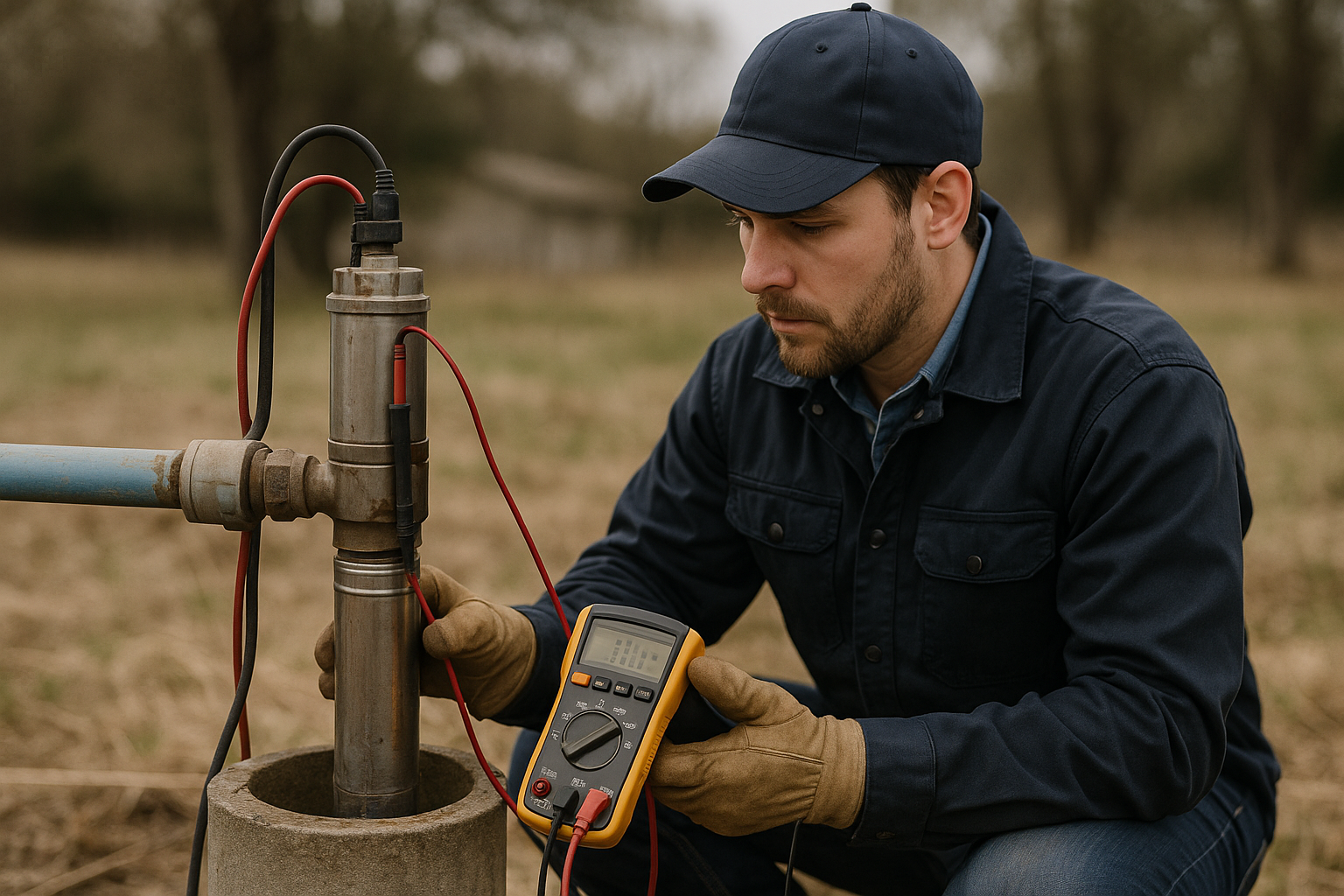
Low Water Pressure From Well: Complete Fix Guide
Diagnose and solve low pressure problems
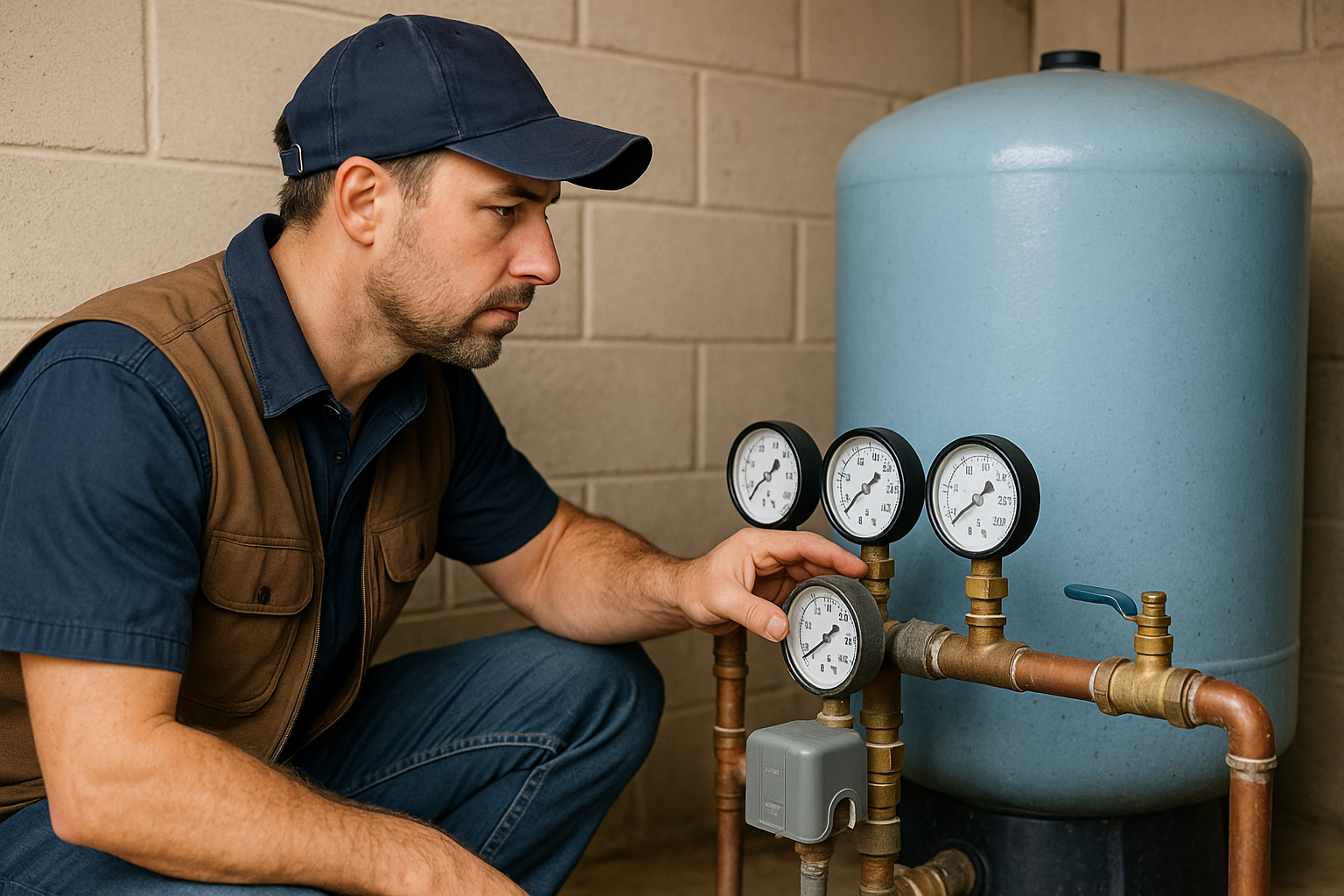
Well Pressure Switch: Settings, Adjustment & Replacement
Everything about pressure switches
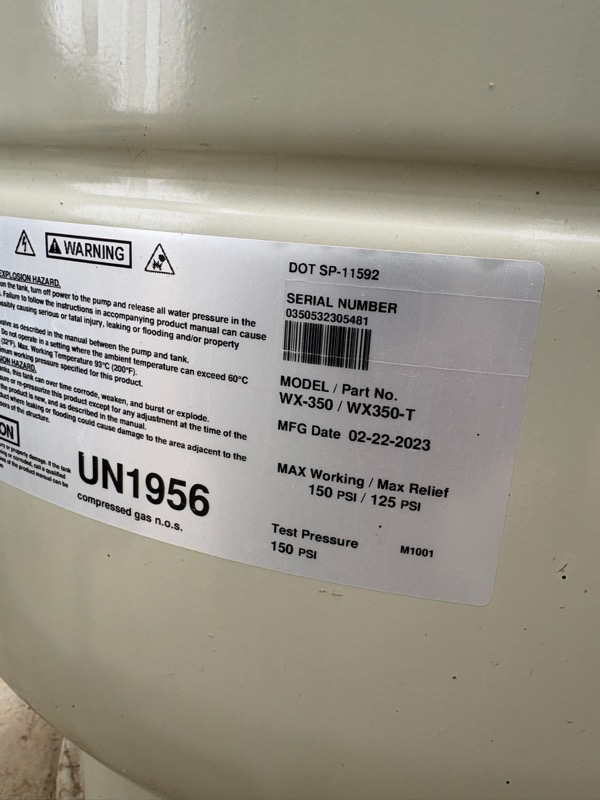
Pressure Tank Maintenance: Complete Guide
Keep your pressure tank working properly
Comprehensive Low Water Pressure Solutions for Normal Heights Properties
As a Normal Heights property owner with a private well, you rely on a consistent water supply for daily needs. However, low water pressure can turn routine tasks like showering, washing dishes, or watering your yard into frustrating experiences. At Southern California Well Service (SCWS), we specialize in diagnosing and resolving low water pressure issues specific to the Normal Heights area. Founded in 2020, with 60+ years of family heritage, we understand the unique challenges posed by the local environment and infrastructure. Call us today at (760) 440-8520 for fast, reliable service.
Understanding Low Water Pressure in Normal Heights: Local Geology and Its Impact
Normal Heights, a historic San Diego neighborhood along the Adams Avenue corridor, is characterized by its older bungalows and craftsman-style homes, many of which were built in the early 20th century. The area’s geology plays a significant role in water pressure issues for residents relying on private wells. Situated in a region of decomposed granite and fractured crystalline rock, Normal Heights sits atop a complex subsurface that affects groundwater flow and well performance. These geological formations can limit water recharge rates, especially during Southern California’s frequent drought periods, leading to reduced well yields and subsequent pressure drops.
Additionally, the area’s elevation and proximity to fault lines can influence aquifer stability. The Rose Canyon Fault, which runs through parts of San Diego, including areas near Normal Heights, contributes to the fracturing of bedrock, creating inconsistent water-bearing zones. Wells in this region often tap into shallow aquifers that are prone to seasonal fluctuations, further exacerbating low water pressure during dry months. Understanding these geological nuances is critical to diagnosing the root cause of water pressure issues and implementing lasting solutions.
Common Causes of Low Water Pressure in Normal Heights
Low water pressure in Normal Heights can stem from a variety of factors, many of which are tied to the local environment and the age of the neighborhood’s infrastructure. Based on our extensive experience serving San Diego County, here are the most frequent culprits we encounter:
- Pump Failures Due to Hard Water Mineral Buildup: The water in Normal Heights often has high mineral content, including calcium and magnesium, which can accumulate inside pump components over time. This buildup reduces pump efficiency, leading to weaker water pressure. Submersible pumps, commonly used in local wells, are particularly susceptible to impeller scaling.
- Pressure Tank Issues: Many older homes in Normal Heights have outdated pressure tanks that may be waterlogged or have failing bladders. A compromised pressure tank can’t maintain consistent pressure, causing fluctuations or a steady decline in flow. Mineral-rich water in the area can also corrode tank fittings, worsening the problem.
- Low Well Yield During Droughts: Southern California’s arid climate, combined with Normal Heights’ reliance on shallow aquifers, often results in reduced water availability during dry seasons. When well yield drops, so does pressure, especially if the pump is oversized for the current water table.
- Clogged Pipes and Fixtures: The older plumbing systems in Normal Heights’ historic homes are prone to internal scaling and sediment buildup. Galvanized steel pipes, common in pre-1960s construction, can corrode over time, narrowing the pipe diameter and restricting water flow.
- Electrical Issues: Power fluctuations, which are not uncommon in parts of San Diego County, can affect pump performance. Voltage drops or wiring issues in older properties may prevent the pump from operating at full capacity, leading to insufficient pressure.
- Leaking or Cracked Pipes: Underground leaks in the water distribution system can significantly reduce pressure before water even reaches your home. In Normal Heights, shifting soils and tree root intrusion near older homes often contribute to pipe damage.
Diagnosing Low Water Pressure: Steps We Take
At SCWS, we use a systematic approach to pinpoint the exact cause of low water pressure in Normal Heights homes. Our diagnostic process includes:
- Initial Consultation and History Review: We start by discussing your water usage patterns, any recent changes in pressure, and the history of your well system. Have you noticed a gradual decline or a sudden drop? Are certain fixtures more affected than others? This helps us narrow down potential issues.
- Pressure and Flow Testing: Using specialized gauges, we measure the pressure and flow rate at various points in your system, including at the pressure tank and outdoor spigots. This helps us determine if the issue is localized or system-wide. Typical household pressure should be between 40-60 PSI; anything below 30 PSI is considered problematic.
- Well Yield Assessment: We conduct a drawdown test to evaluate your well’s production capacity. By measuring how quickly the water level recovers after pumping, we can assess if low yield—common in Normal Heights during droughts—is contributing to pressure issues.
- Pump and Tank Inspection: Our technicians inspect the pump for signs of wear, scaling, or electrical issues. We also check the pressure tank’s air charge and bladder condition to ensure it’s functioning correctly. For older systems in Normal Heights, we often find tanks that haven’t been serviced in decades.
- Pipeline and Fixture Evaluation: We examine accessible plumbing for leaks, corrosion, or blockages. In some cases, we may use acoustic leak detection equipment to identify underground leaks without invasive digging.
- Water Quality Analysis: Since hard water is prevalent in Normal Heights, we test for mineral content and sediment that could be clogging components. High iron levels, for instance, can leave deposits that restrict flow in pipes and pumps.
Our comprehensive diagnostics ensure we don’t just treat symptoms but address the underlying problem, saving you from recurring issues and unnecessary costs.
Customized Solutions for Normal Heights Residents
Once we’ve identified the cause of your low water pressure, we tailor a solution to your specific situation. Here are the most common fixes we implement for Normal Heights properties, along with typical costs (as of 2026):
- Pump Repair or Replacement: If mineral buildup or mechanical failure is the issue, we may clean or repair your existing pump ($300-$800). For older systems, a full replacement with a high-efficiency submersible pump ($1,500-$3,000, including labor) may be more cost-effective long-term. We recommend pumps suited to Normal Heights’ hard water conditions.
- Pressure Tank Replacement: A waterlogged or corroded tank often needs replacement. A new 20-40 gallon bladder tank, appropriate for most Normal Heights homes, costs $500-$1,200 installed. We ensure proper sizing to match your household demand and well yield.
- Constant Pressure Systems: For consistent pressure despite fluctuating well output, we can install a variable frequency drive (VFD) system ($2,000-$4,500). These systems adjust pump speed in real-time, maintaining steady 50-60 PSI even during peak usage. They’re ideal for larger Normal Heights households with variable water needs.
- Booster Pump Installation: If your well yield is adequate but pressure remains low due to elevation or long pipe runs (common in Normal Heights’ hilly terrain), a booster pump ($800-$2,000) can amplify pressure at the point of use. We often pair this with an existing system for targeted improvement.
- Pipe Cleaning or Replacement: For clogged or corroded pipes, we may recommend hydro-jetting to clear mineral deposits ($400-$1,000) or replacing sections of galvanized pipe with modern PEX or copper ($1,000-$3,000 depending on scope). This is especially relevant for Normal Heights’ older homes.
- Well Rehabilitation: If low yield is the primary issue, well deepening or hydrofracturing can increase water production. Deepening a well in Normal Heights’ fractured rock costs $5,000-$10,000, while hydrofracturing (using high-pressure water to open rock fissures) runs $3,000-$6,000. These are last-resort options but can be transformative for drought-affected wells.
- Water Treatment for Hard Water: To prevent future scaling in pumps and pipes, a water softener ($1,000-$2,500) or descaling system can be installed. This is a proactive measure for Normal Heights’ mineral-heavy water, extending the lifespan of your equipment.
All cost estimates include labor and are based on typical Normal Heights projects. We provide detailed, upfront quotes with no hidden fees, ensuring transparency. As a licensed C-57 contractor (CSLB #1086994), we adhere to strict standards for quality and safety.
Maintenance Tips to Prevent Low Water Pressure in Normal Heights
Preventative maintenance is key to avoiding low water pressure and extending the life of your well system. Here are actionable steps tailored to Normal Heights residents:
- Check Pressure Tank Air Charge Quarterly: Use a tire pressure gauge to verify the air pressure in your tank (it should match the pump’s cut-in pressure, typically 28-38 PSI for a 30/50 switch). Add air with a compressor if needed, or call us for assistance. This prevents waterlogging, a common issue in Normal Heights due to infrequent checks.
- Inspect for Leaks Monthly: Look for wet spots or unusually green patches in your yard, which could indicate underground leaks sapping pressure. Also, check indoor fixtures for drips. Early detection saves water and maintains system efficiency.
- Schedule Annual Pump Inspections: Have a professional inspect your pump yearly for mineral buildup and wear. In Normal Heights, where hard water is prevalent, a $150-$250 inspection can prevent a $2,000 replacement down the line.
- Clean Aerators and Showerheads: Every 3-6 months, remove and soak faucet aerators and showerheads in vinegar to dissolve mineral deposits. This simple task can restore flow in older Normal Heights homes with scaled fixtures.
- Monitor Water Usage During Droughts: Be mindful of consumption during dry spells, as over-pumping can lower the water table and reduce pressure. Consider installing low-flow fixtures to conserve water without sacrificing comfort.
- Test Water Quality Annually: Hard water and iron can damage components over time. An annual test ($50-$100) helps you stay ahead of scaling issues. If results show high mineral content, a softener or filter can be a worthwhile investment.
When to Call a Professional in Normal Heights
While some maintenance tasks can be handled by homeowners, certain situations require expert intervention. Call SCWS at (760) 440-8520 if you experience any of the following:
- Sudden Loss of Pressure: A rapid drop often indicates a pump failure, major leak, or electrical issue. Don’t delay—lack of water can disrupt your household and risk further damage.
- No Water at All: If your taps run dry, your well may have lost prime, or the water table may have dropped below the pump intake. We offer same-day emergency service in Normal Heights to restore flow quickly.
- Strange Noises from the Pump: Grinding, clicking, or humming sounds suggest mechanical issues or cavitation (air in the system due to low water levels). Continuing to run a damaged pump can lead to costly repairs.
- Visible Wear or Corrosion: If you notice rust on exposed pipes, tanks, or fittings, it’s time for a professional assessment. Corrosion in Normal Heights’ older systems often signals broader issues.
- Persistent Low Pressure Despite DIY Fixes: If cleaning fixtures or adjusting settings doesn’t help, the problem likely lies deeper in the system—pump, tank, or well yield. Our diagnostics will uncover the root cause.
- Water Quality Changes: Cloudy water, odd tastes, or staining (common with Normal Heights’ iron content) can indicate sediment or bacterial intrusion affecting pressure. We’ll test and treat as needed.
Why Normal Heights Trusts Southern California Well Service
With since 2020 of experience in San Diego and Riverside Counties, SCWS has built a reputation for solving complex well issues with precision and care. Here’s why Normal Heights residents choose us:
- Local Knowledge: We’re not a national chain guessing at San Diego’s geology. Our technicians know Normal Heights’ decomposed granite and fractured aquifers, allowing faster, more accurate diagnoses.
- Rapid Response: With offices in Ramona and Anza, we’re positioned for same-day service in Normal Heights. When you’re without water, every hour counts.
- Transparent Pricing: No surprises or upselling. We provide clear, itemized quotes before starting work, so you know exactly what you’re paying for.
- Customer Satisfaction: Our CSLB #1086994 reflects hundreds of happy clients across Southern California. We treat every job, big or small, with the same dedication.
- Comprehensive Expertise: From drilling to repairs to water treatment, we handle every aspect of well systems. As a licensed C-57 contractor (CSLB #1086994), we meet the highest industry standards.
Get Your Water Pressure Back—Call SCWS Today
Don’t let low water pressure disrupt your life in Normal Heights. Whether it’s a failing pump, a waterlogged tank, or a drought-stressed well, Southern California Well Service has the expertise to restore strong, reliable flow to your home. Contact us at (760) 440-8520 for a free consultation or emergency service. Let us show you why we’ve been the trusted choice since 2020.
Frequently Asked Questions
Do homes in Normal Heights actually have private wells, or is this for city water?
Most homes in this mid-city San Diego neighborhood near Adams Avenue and Kensington are connected to municipal water, but a number of older parcels, irrigation lines, and nearby legacy properties still rely on private or supplemental wells. This guide focuses on diagnosing and fixing low pressure on those private well systems. If you are unsure which system your property uses, we can confirm it during a $125 diagnostic visit, which is credited toward any repair.
Why does my well pressure drop more during the dry season in Normal Heights?
Normal Heights sits on decomposed granite and fractured crystalline rock within San Diego County, and the shallow aquifers that feed many local wells are prone to seasonal fluctuation. During Southern California's drought periods the water table can fall, reducing well yield and the pressure that reaches your fixtures. A drawdown test lets us confirm whether yield, rather than equipment, is the cause.
How deep are private wells around Normal Heights?
Because the neighborhood draws from relatively shallow fractured-rock aquifers, many private wells in and around Normal Heights are completed in the 150 to 400 foot range, though depth varies with the parcel and bedrock. Knowing your well depth helps us size the right pump and pressure tank for consistent flow.
What does it cost to fix low water pressure on a Normal Heights well?
It depends on the root cause. Common repairs range from a pressure switch at $150 to $350 and a pressure tank at $600 to $1,500, up to a pump replacement at $2,500 to $5,500 or a constant-pressure booster system at $2,000 to $4,500. Sediment filtration runs $300 to $900 and a softener for hard water is $1,500 to $3,500. We provide an itemized quote after a $125 diagnostic that is credited toward the work.
Do you offer same-day emergency service in Normal Heights?
Yes. With offices in Ramona (1077 Main St, Ramona, CA 92065) and Anza (57174 CA-371 (US Hwy 79), Anza, CA 92539), we provide same-day emergency service across San Diego County, including Normal Heights. Call (760) 440-8520 or text (760) 219-5877 and we will get water flowing again.
Are you licensed to work on wells in San Diego County?
Yes. Southern California Well Service is a licensed C-57 water well contractor founded in 2020, with 60+ years of family heritage. We handle everything from pressure diagnostics to full well work, and every job meets California licensing and safety standards.