
Low Water Pressure Solutions in North Park
Dealing with weak water pressure in North Park? Low water pressure can make showers frustrating and appliances ineffective. Our team diagnoses the root cause and restores your water pressure fast.
📋 In This Guide
Need Low Water Pressure Solutions in North Park?
We serve North Park and all of San Diego County. Licensed C-57 contractor (CSLB #1086994), founded 2020.
Call: (760) 440-8520Our Low Water Pressure Solutions Services
- Pressure tank repair and replacement
- Pressure switch adjustment
- Pump upgrades for better pressure
- Constant pressure systems
- Booster pump installation
- Clogged pipe diagnosis
- Well yield testing
- Complete system evaluation
Why North Park Chooses SCWS
✓ Local Expertise
We know San Diego County geology and wells
✓ Fast Response
Same-day service for North Park
✓ Fair Pricing
Honest quotes, no surprises
✓ Quality Work
CSLB #1086994 · founded 2020
Our Locations
Related Articles
Continue learning about well maintenance and troubleshooting
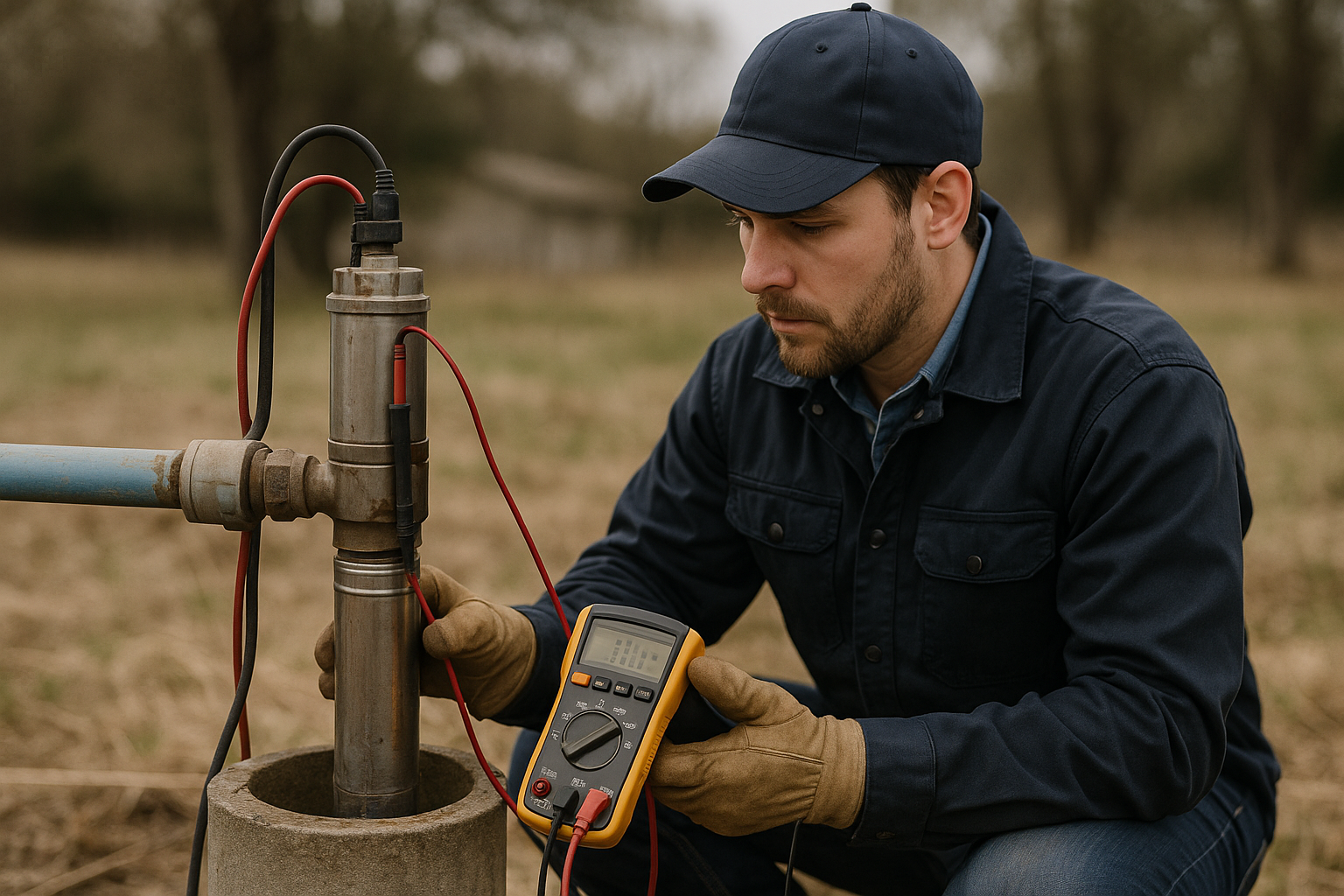
Low Water Pressure From Well: Complete Fix Guide
Diagnose and solve low pressure problems
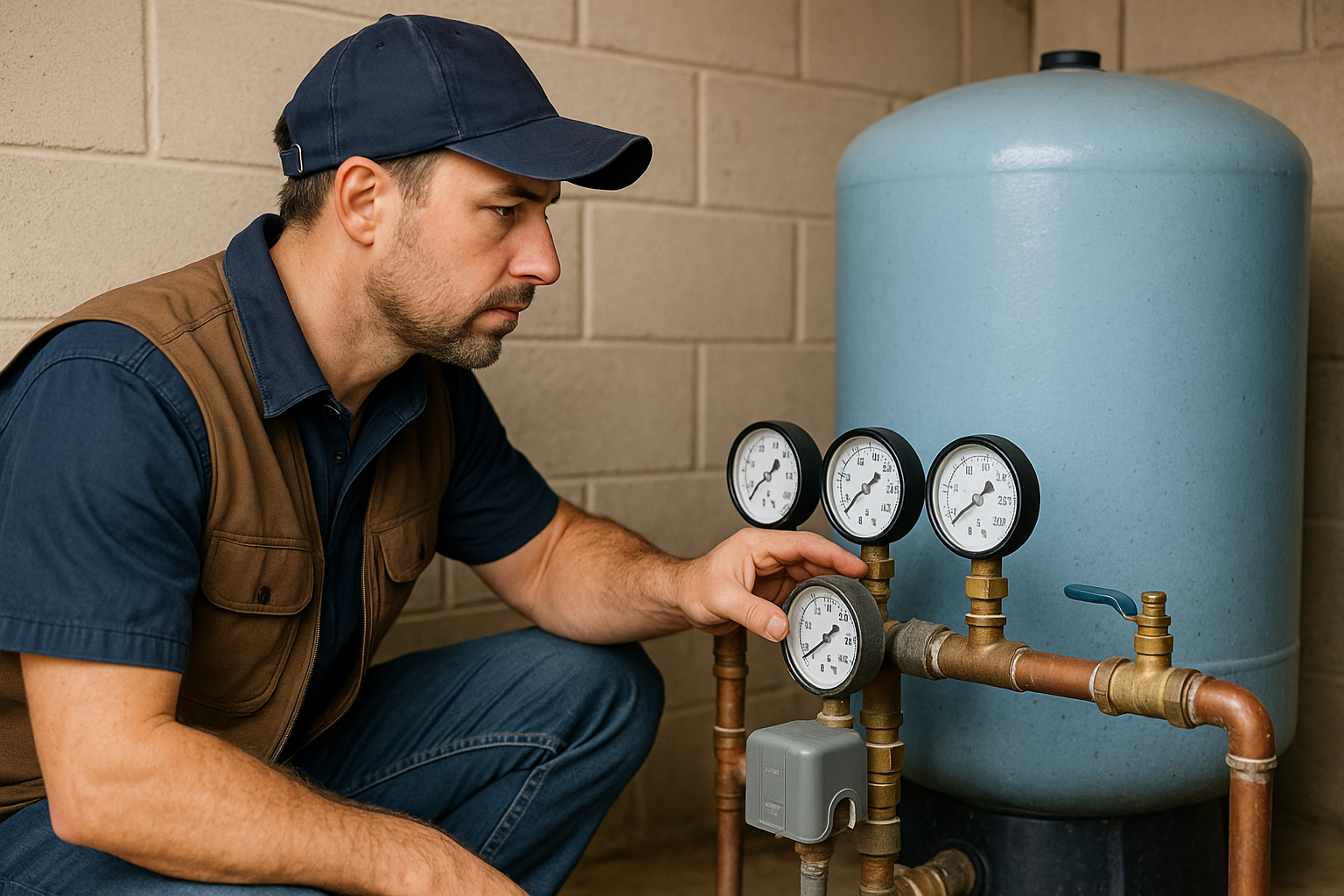
Well Pressure Switch: Settings, Adjustment & Replacement
Everything about pressure switches
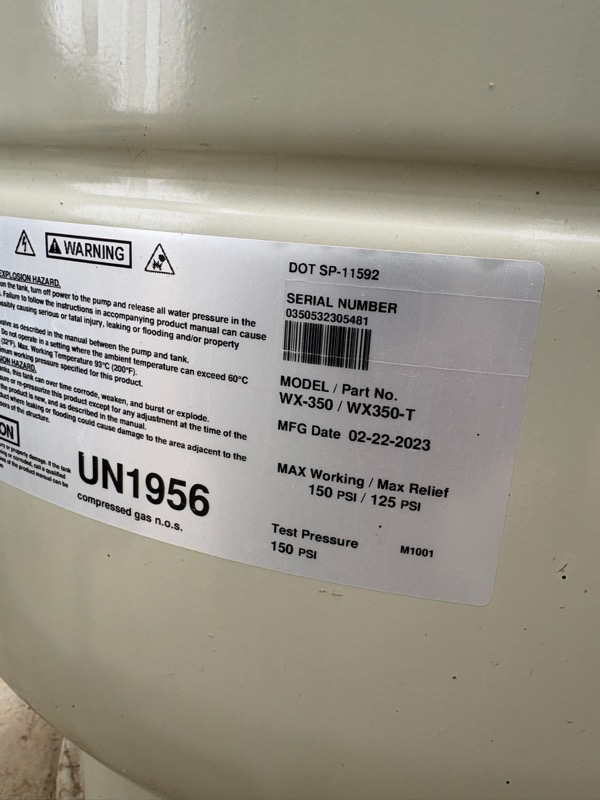
Pressure Tank Maintenance: Complete Guide
Keep your pressure tank working properly
Comprehensive Low Water Pressure Solutions for North Park Properties
North Park is one of San Diego's most walkable urban neighborhoods, but the handful of private wells that still serve older properties, canyon-edge lots, and parcels along the boundary with City Heights and Normal Heights face pressure problems that surprise many homeowners. When a shower trickles or a garden hose barely reaches the back fence, the cause almost always traces back to one of a few well-system components. At Southern California Well Service (SCWS), we have, since 2020, diagnosing exactly these issues across San Diego County, and our C-57 license (CSLB #1086994) reflects work that fixes the root cause rather than masking the symptom. If your North Park property is on a private well and your pressure has dropped, call us at (760) 440-8520 or text (760) 219-5877.
How a Private Well Pressure System Actually Works
Before you can understand why pressure drops, it helps to know what is producing that pressure in the first place. A private well system in North Park has four parts that work together. The submersible pump sits deep in the well casing and pushes water up to the surface. That water flows into a pressure tank, which holds a cushion of compressed air above a rubber bladder; the air is what actually delivers steady pressure to your taps between pump cycles. A pressure switch watches the tank and tells the pump when to turn on (the "cut-in," often around 30 PSI) and off (the "cut-out," often around 50 PSI). Finally, the rate at which your well refills around the pump, known as drawdown and recovery, sets the ceiling on how much water you can draw before the level falls. When any one of these four links weakens, you feel it at the faucet as low or fluctuating pressure.
Why North Park Wells Lose Pressure: Local Causes
North Park sits on the mesa above the San Diego River valley, underlain by older sedimentary formations and pockets of decomposed granite. Wells here tend to be shallow to moderate in depth, and the urban setting introduces a particular set of pressure culprits we see again and again:
- Aging galvanized plumbing: Many North Park homes date to the 1910s through 1940s craftsman era, and original galvanized steel supply lines corrode from the inside out. The internal diameter narrows with rust and scale until flow at upstairs fixtures slows to a trickle, even when the well and pump are healthy.
- Hard-water scaling on pump and fixtures: San Diego groundwater carries calcium and magnesium that build up on pump impellers, check valves, and aerators. A scaled pump moves less water with each rotation, so pressure quietly fades over years rather than failing all at once.
- Waterlogged or failed pressure tanks: A tank with a ruptured bladder or lost air charge cannot store a proper cushion, so the pump short-cycles and pressure swings between strong and weak within a single shower.
- Pressure switch drift or fouling: Decades-old switches lose calibration, and the tiny sensing port can clog with sediment, leaving the cut-in pressure far lower than it should be.
- Shallow-aquifer drawdown in drought: During Southern California's dry stretches, a shallow mesa well can draw its water level down faster than it recovers, briefly starving the pump and dropping household pressure during peak afternoon use.
What You Can Check Before Calling Us
A few simple checks help you understand the problem and sometimes solve it outright. Start by reading the gauge on your pressure tank: healthy household pressure cycles between roughly 40 and 60 PSI. If the needle barely climbs or swings wildly, note the range. Next, with the pump's breaker off and the system drained, press the air valve on top of the tank with a tire gauge; the reading should sit about 2 PSI below your pump's cut-in setting. A reading near zero or a spurt of water from that valve means the tank bladder has failed. Then unscrew a faucet aerator and a showerhead and soak them in vinegar overnight; mineral clogging at the fixture is one of the most common and least expensive causes of "low pressure" in older North Park homes. Finally, walk the yard for damp patches or unusually green strips that hint at a buried supply-line leak bleeding away pressure before it reaches the house.
When to Call a Professional
Some situations call for licensed help rather than DIY. Reach SCWS at (760) 440-8520 right away if you notice a sudden, total pressure loss (often a failed pump, a major leak, or an electrical fault), rapid pump short-cycling that clicks on and off every few seconds, grinding or humming noises from the pump, or air sputtering from your taps, which can mean the water level has fallen below the pump intake. Cloudy or sandy water alongside the pressure drop is another sign to stop and call, because pumping sediment damages the pump quickly. We offer same-day emergency service across North Park and greater San Diego.
Realistic Costs for North Park Well Repairs
As a licensed C-57 contractor, we provide upfront, itemized quotes. Our diagnostic visit is $125 and is credited toward any repair we perform. Typical investments for North Park properties, including labor, run as follows: a new pressure switch is $150 to $350; a replacement pressure tank is $600 to $1,500 depending on size; a submersible pump replacement is $2,500 to $5,500; sediment filtration is $300 to $900; an iron, manganese, or water-softening system is $1,500 to $3,500; and a constant-pressure or booster system that holds steady PSI through fluctuating demand is $2,000 to $4,500. For a well that has genuinely lost yield, hydrofracturing to reopen water-bearing fractures runs $3,000 to $8,000, while a full turnkey replacement well is $18,000 to $42,000. Decommissioning an abandoned well to county code is $1,500 to $5,000.
Serving North Park and the Surrounding Communities
From our Ramona and Anza offices, our crews reach North Park and the neighboring San Diego communities of Normal Heights, University Heights, City Heights, Kensington, and South Park, as well as the broader mesa and canyon neighborhoods where private wells still operate. Because we work throughout San Diego County, we know the local groundwater chemistry, the permitting expectations of the county Department of Environmental Health, and the quirks of older urban plumbing. That local fluency lets us arrive prepared with the right pump sizes, tanks, and fittings rather than making a second trip.
Frequently Asked Questions About Low Water Pressure in North Park
Why does my North Park well have good pressure in the morning but weak pressure in the afternoon?
Afternoon weakness usually points to well drawdown. During peak daytime use, a shallow mesa well can be pumped down faster than it recovers, briefly lowering the water level near the pump and reducing household pressure. A drawdown and recovery test tells us whether the well, the pump sizing, or a pressure tank issue is responsible.
Is low water pressure in my older North Park home a well problem or a plumbing problem?
It can be either. Many North Park homes still have original galvanized steel pipes that corrode and narrow internally, choking flow even when the well and pump are healthy. We measure pressure at the tank and at fixtures to separate a system-wide well issue from localized plumbing restriction before recommending any work.
How much does it cost to fix low water pressure on a private well?
It depends on the cause. A pressure switch runs $150 to $350, a pressure tank $600 to $1,500, and a full pump replacement $2,500 to $5,500. Our $125 diagnostic pinpoints the exact issue and is credited toward the repair, so you only pay for what your system actually needs.
Can hard water cause low pressure in North Park?
Yes. San Diego County groundwater is mineral-rich, and calcium and magnesium scale builds up on pump components, check valves, and fixture aerators over time. That scaling reduces flow gradually. Cleaning fixtures and, in persistent cases, adding a softening or descaling system both restores and protects pressure.
Do you offer same-day service for low water pressure in North Park?
Yes. We provide same-day emergency service throughout San Diego County, including North Park. If you have no water or a sudden total pressure loss, call (760) 440-8520 and we will prioritize getting flow restored to your home.
How do I know if my pressure tank has failed?
With the pump off and the system drained, check the air valve on top of the tank with a tire gauge. It should read about 2 PSI below your pump's cut-in setting. A reading near zero, or water spurting from the valve, means the bladder has failed and the tank should be replaced, usually for $600 to $1,500.