
Low Water Pressure Solutions in Oak Glen
Dealing with weak water pressure in Oak Glen? Low water pressure can make showers frustrating and appliances ineffective. Our team diagnoses the root cause and restores your water pressure fast.
📋 In This Guide
Need Low Water Pressure Solutions in Oak Glen?
We serve Oak Glen and all of San Bernardino County. Licensed C-57 contractor (CSLB #1086994), founded 2020.
Call: (760) 440-8520Our Low Water Pressure Solutions Services
- Pressure tank repair and replacement
- Pressure switch adjustment
- Pump upgrades for better pressure
- Constant pressure systems
- Booster pump installation
- Clogged pipe diagnosis
- Well yield testing
- Complete system evaluation
Why Oak Glen Chooses SCWS
✓ Local Expertise
We know San Bernardino County geology and wells
✓ Fast Response
Same-day service for Oak Glen
✓ Fair Pricing
Honest quotes, no surprises
✓ Quality Work
CSLB #1086994 · founded 2020
Our Locations
Related Articles
Continue learning about well maintenance and troubleshooting
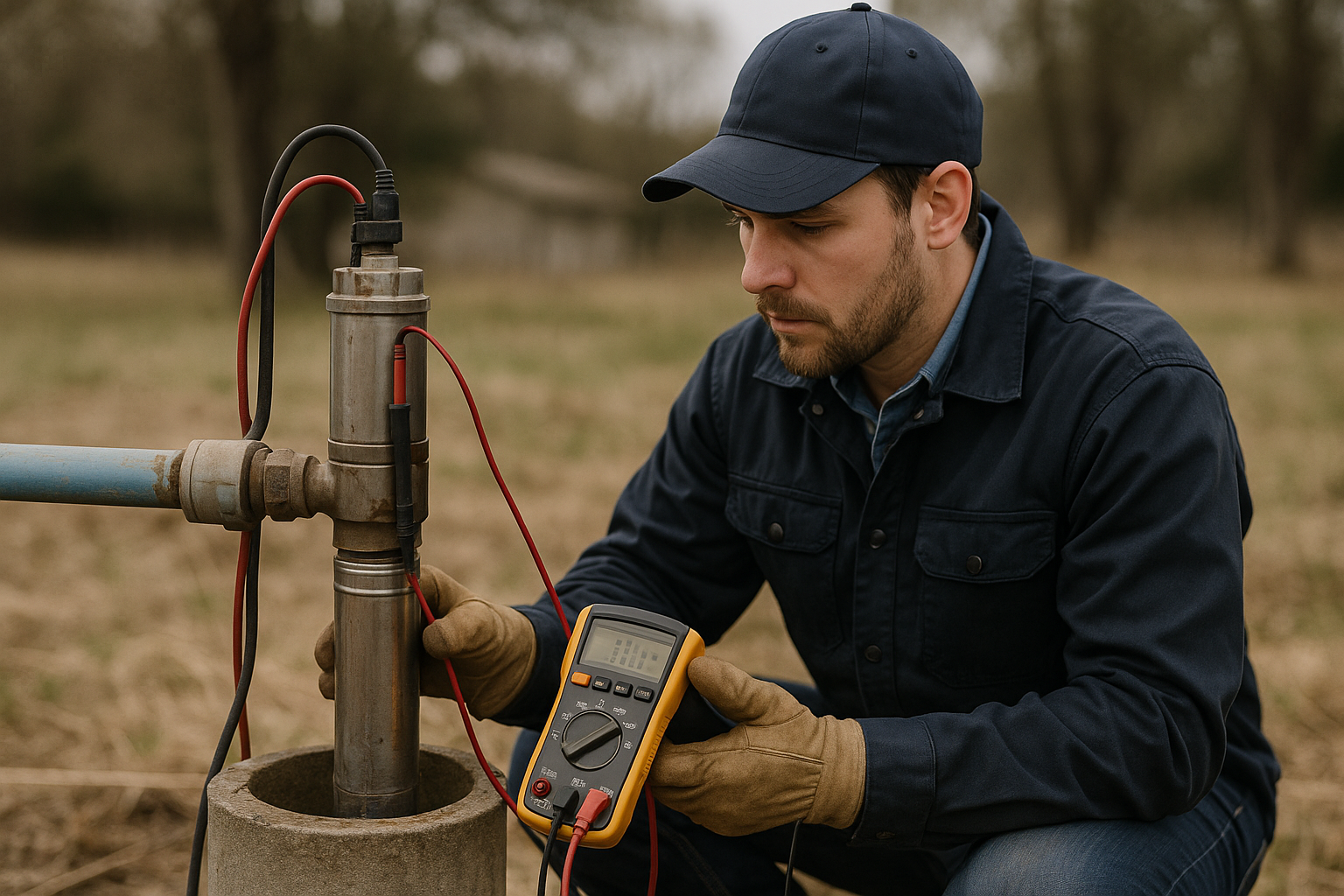
Low Water Pressure From Well: Complete Fix Guide
Diagnose and solve low pressure problems
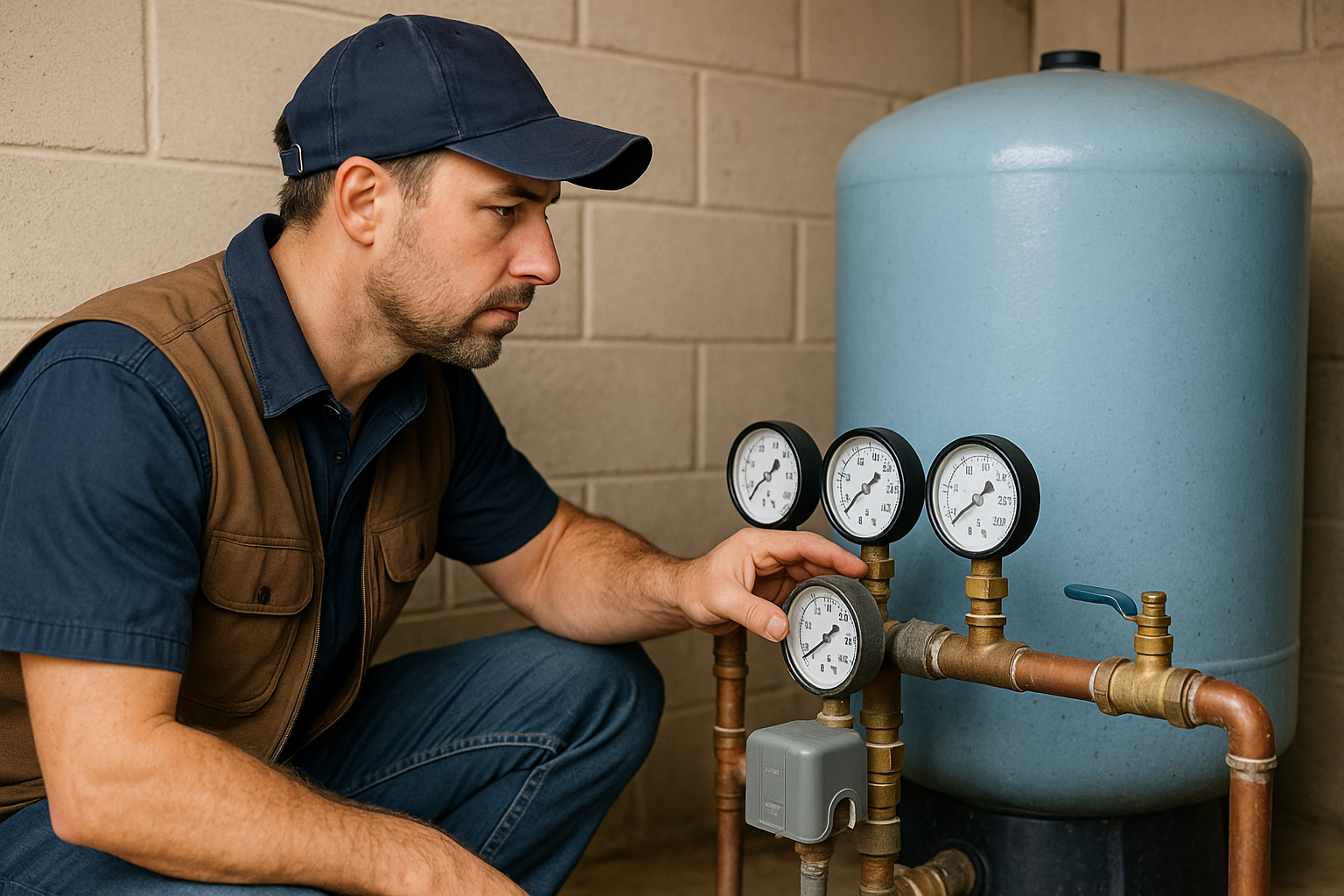
Well Pressure Switch: Settings, Adjustment & Replacement
Everything about pressure switches
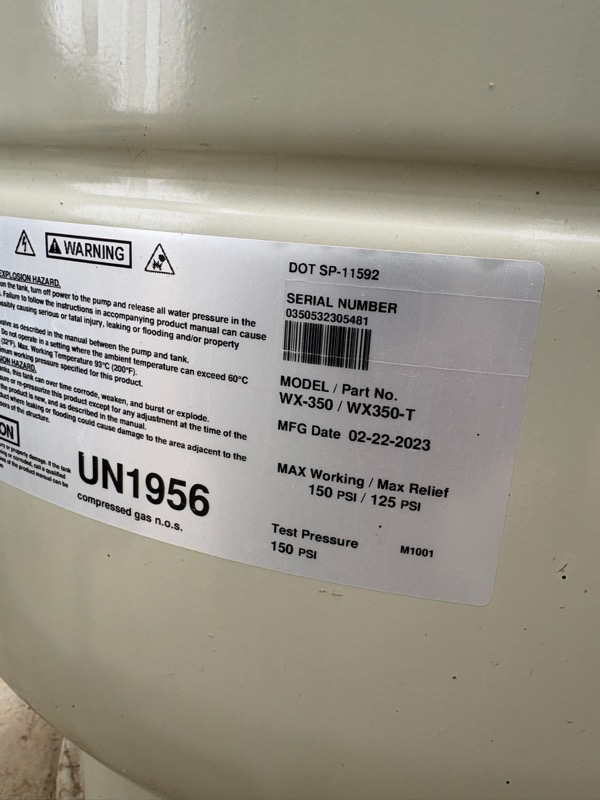
Pressure Tank Maintenance: Complete Guide
Keep your pressure tank working properly
Low Water Pressure Solutions for Oak Glen Mountain Wells
Oak Glen is a high-country apple-growing community tucked into the San Bernardino Mountains at roughly 4,700 feet, where private wells serve orchards, ranches, and homes spread across steep, rocky terrain. At that elevation, with its hard granite geology and long, frozen winters, low water pressure has causes you will not find down in the valley. Southern California Well Service has worked since 2020 solving exactly these mountain well problems across San Bernardino County, earning CSLB #1086994 for getting it right the first time. If your Oak Glen pressure has dropped, call (760) 440-8520 or text (760) 219-5877.
Understanding the Pressure System That Feeds Your Taps
Your Oak Glen well delivers pressure through four linked components. A submersible pump raises water from the well, often from considerable depth in mountain bedrock. A pressure tank stores it under a compressed-air cushion that keeps your fixtures pressurized between pump cycles. A pressure switch tells the pump when to start and stop, usually within a 30/50 or 40/60 PSI band. And the well's drawdown and recovery in fractured granite governs how much water you can draw before the level falls. On a sloped Oak Glen property, elevation between the well and the house adds a fifth factor: every foot of rise costs you pressure, so a system that performs fine on level ground can read low at an uphill cabin.
Mountain Causes of Low Pressure in Oak Glen
The San Bernardino Mountains create a distinct set of pressure challenges:
- Fractured-rock yield limits: Oak Glen wells draw from cracks and seams in granite rather than a sandy aquifer. Yield depends on intersecting enough fractures, and a productive well can lose output if those seams silt up or the seasonal water table drops, weakening pressure.
- Elevation and long uphill runs: Homes set above the wellhead lose roughly 0.43 PSI for every foot of vertical rise. A house 80 feet above the pump gives up nearly 35 PSI before water even reaches the door, which feels like a system failure but is simple physics.
- Winter freeze damage: Hard freezes can crack above-ground piping, pressure-tank fittings, and exposed pressure switches. A hairline crack bleeds pressure and lets air into the system.
- Sediment from decomposed granite: Granite grit and fine sand work into the pump and clog screens, fixtures, and check valves, throttling flow over time.
- Aging orchard-era infrastructure: Many Oak Glen wells and lines were installed for orchard irrigation decades ago and were never upsized for modern household demand, so they run at the edge of capacity.
What to Check Yourself First
Begin at the pressure-tank gauge: steady 40 to 60 PSI is the goal, and a low or swinging needle is a clue. Note the elevation difference between your well and your fixtures, since uphill homes naturally read lower. With the pump breaker off and the tank drained, test the air charge at the top valve with a tire gauge; it should sit about 2 PSI under the cut-in, and a near-zero reading means a failed bladder. Soak aerators and showerheads in vinegar to clear granite sediment and scale. In winter, inspect exposed pipe and the pressure switch for freeze cracks. And walk the property for wet spots that betray a buried leak on a long mountain supply line.
When to Bring in a Professional
Call SCWS at (760) 440-8520 if pressure drops suddenly, the pump grinds or hums, taps sputter air (a sign the level has fallen below the intake in a fractured-rock well), you find freeze damage you cannot safely repair, or basic fixes do not help. We serve Oak Glen with same-day response and understand the access challenges of steep, sometimes snow-affected mountain roads.
Realistic Repair Costs in Oak Glen
Every quote is upfront and our $125 diagnostic is credited toward the repair. With labor, expect: pressure switch $150 to $350; pressure tank $600 to $1,500; submersible pump replacement $2,500 to $5,500; sediment filtration for granite grit $300 to $900; and iron, manganese, or softening treatment $1,500 to $3,500. A constant-pressure or booster system, often the best answer for an uphill Oak Glen home, is $2,000 to $4,500. To improve a low-yield fractured-rock well, hydrofracturing runs $3,000 to $8,000, and a full new well is $18,000 to $42,000. Decommissioning an old orchard well to code is $1,500 to $5,000.
Serving Oak Glen and the Surrounding Mountains
From our Ramona and Anza offices, our crews reach Oak Glen and the neighboring San Bernardino County communities of Yucaipa, Cherry Valley, Beaumont's eastern edge, and the orchard country along Oak Glen Road. We know mountain granite, the realities of elevation-driven pressure, and the freeze cycles that punish exposed equipment up here, and we arrive equipped with booster systems, deep-set pumps, and the fittings these high-country wells demand.
Year-Round Maintenance for Oak Glen Mountain Wells
Keeping pressure strong at altitude takes a seasonal rhythm. Before winter, drain and protect exposed lines, insulate or heat-tape vulnerable pipe and the pressure switch, and confirm the tank's air charge so a hard freeze does not crack a weakened fitting. In spring, flush sediment from the system after snowmelt stirs granite grit into the well, and clean fixture aerators that collect mineral scale. Through the dry late summer and fall, watch for pressure that fades under demand, the early sign that the fractured-rock water table has dropped and the well is recovering slowly. Schedule a professional pump inspection once a year, since catching corrosion or scaling early can prevent a far costlier failure on a remote mountain road. For uphill homes, verify that any booster or constant-pressure system is holding its target PSI, because elevation magnifies every small loss. Because Oak Glen wells often date to the orchard era and were never upsized for modern households, a system audit that documents depth, casing condition, and true yield gives you a realistic picture of capacity and a roadmap for upgrades before a crisis forces your hand. Our crews know these mountains and can plan service around weather and access so you are not left without water when the roads turn difficult.
Frequently Asked Questions About Low Water Pressure in Oak Glen
Why is my water pressure low at my uphill Oak Glen house but fine at the well?
Elevation is almost certainly the cause. Water loses about 0.43 PSI for every foot it rises, so a home 80 feet above the wellhead gives up nearly 35 PSI before the tap. A constant-pressure or booster system restores steady PSI at the house, which is the most common fix we install on sloped Oak Glen properties.
Can winter freezes cause low water pressure in Oak Glen?
Yes. At nearly 4,700 feet, hard freezes crack exposed pipe, tank fittings, and pressure switches. Even a hairline crack bleeds pressure and lets air into the system. We inspect and repair freeze damage and can advise on insulating or heat-taping vulnerable components to prevent it recurring.
Why does my Oak Glen well yield drop in late summer or fall?
Mountain wells draw from fractures in granite, and the seasonal water table in those fractures falls through the dry months. As it drops, the well recovers more slowly and pressure can weaken under demand. A drawdown test confirms whether yield, pump depth, or the tank is responsible, and hydrofracturing can reopen productive seams.
How much does it cost to fix low pressure on a mountain well?
Repairs commonly range from $150 to $350 for a pressure switch and $600 to $1,500 for a pressure tank, up to $2,500 to $5,500 for a new pump, and $2,000 to $4,500 for a booster system on an uphill lot. Our $125 diagnostic is credited toward whatever repair your system actually needs.
Do you service Oak Glen in winter when the roads have snow?
Yes. We provide same-day service to Oak Glen and the surrounding San Bernardino Mountains year-round and plan for access on steep or snow-affected roads. If you have lost water in cold weather, call (760) 440-8520 so we can prioritize restoring flow before pipes face further freeze risk.
Is sediment in my water hurting my pressure?
It can be. Decomposed granite produces fine grit and sand that clog pump screens, check valves, and fixture aerators, throttling flow over time. Cleaning fixtures helps short-term, and a properly sized sediment filtration system, typically $300 to $900, protects the whole system and stabilizes pressure.