
Low Water Pressure Solutions in Oasis
Dealing with weak water pressure in Oasis? Low water pressure can make showers frustrating and appliances ineffective. Our team diagnoses the root cause and restores your water pressure fast.
📋 In This Guide
Need Low Water Pressure Solutions in Oasis?
We serve Oasis and all of Riverside County. Licensed C-57 contractor (CSLB #1086994), founded 2020.
Call: (760) 440-8520Our Low Water Pressure Solutions Services
- Pressure tank repair and replacement
- Pressure switch adjustment
- Pump upgrades for better pressure
- Constant pressure systems
- Booster pump installation
- Clogged pipe diagnosis
- Well yield testing
- Complete system evaluation
Why Oasis Chooses SCWS
✓ Local Expertise
We know Riverside County geology and wells
✓ Fast Response
Same-day service for Oasis
✓ Fair Pricing
Honest quotes, no surprises
✓ Quality Work
CSLB #1086994 · founded 2020
Our Locations
Related Articles
Continue learning about well maintenance and troubleshooting
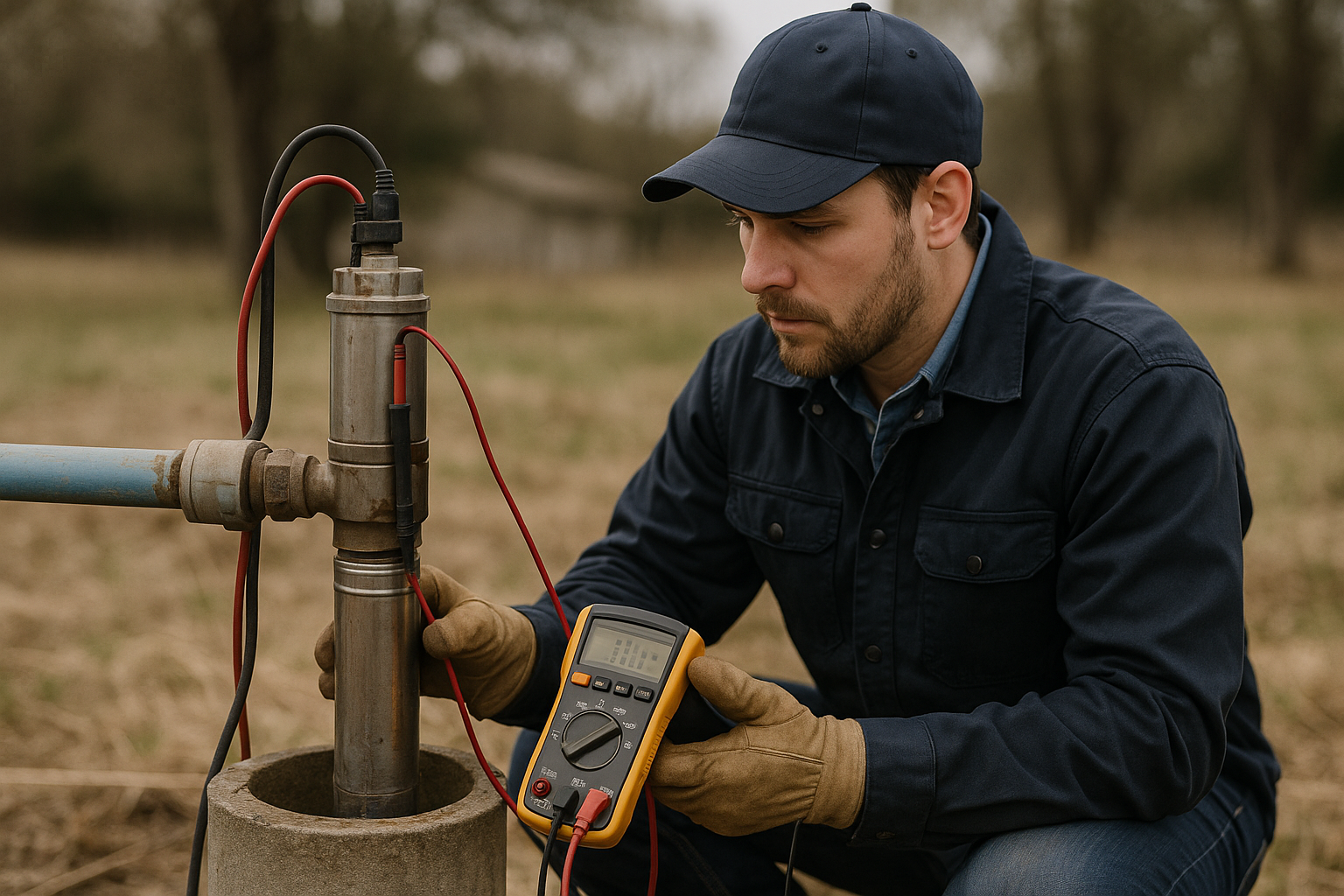
Low Water Pressure From Well: Complete Fix Guide
Diagnose and solve low pressure problems
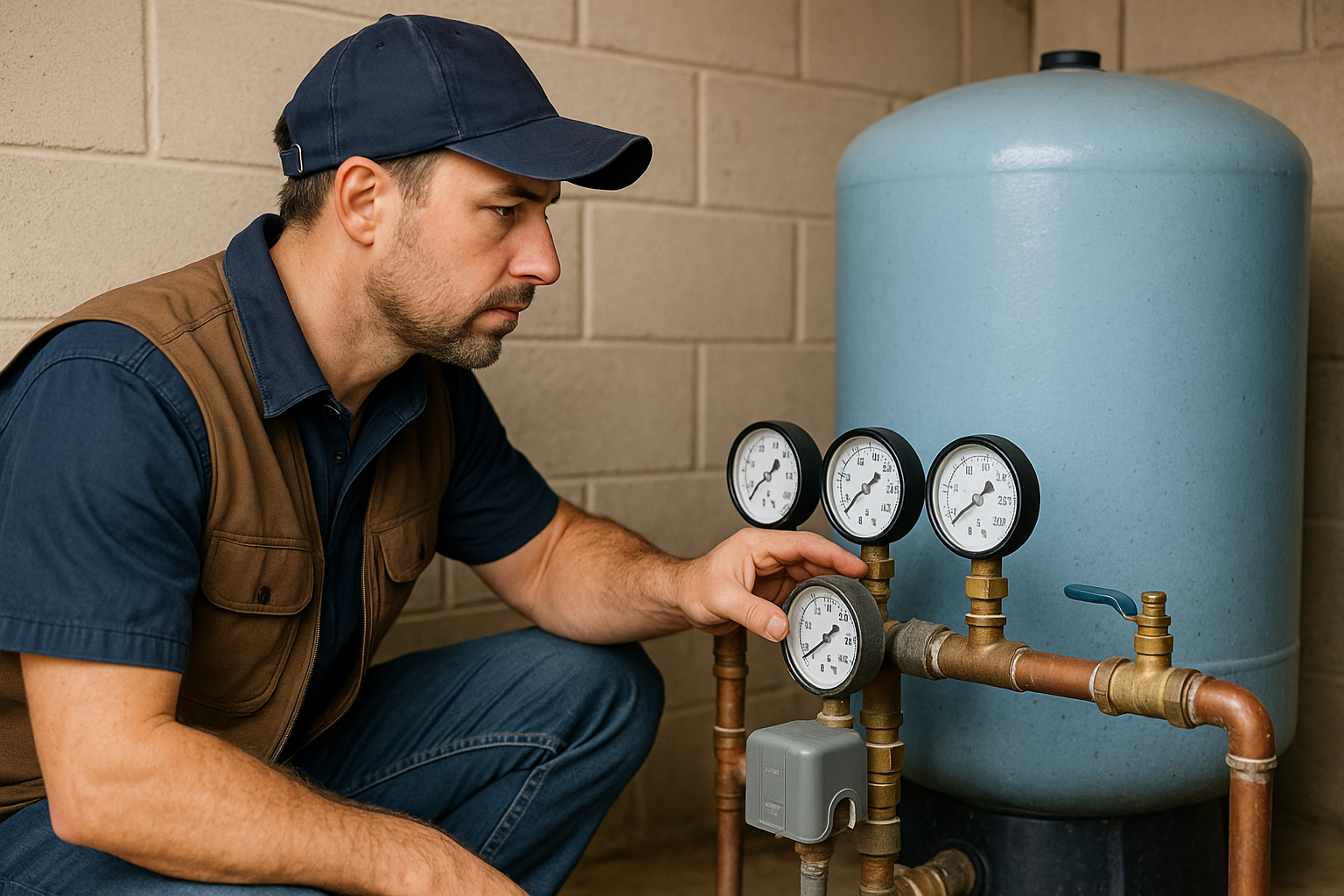
Well Pressure Switch: Settings, Adjustment & Replacement
Everything about pressure switches
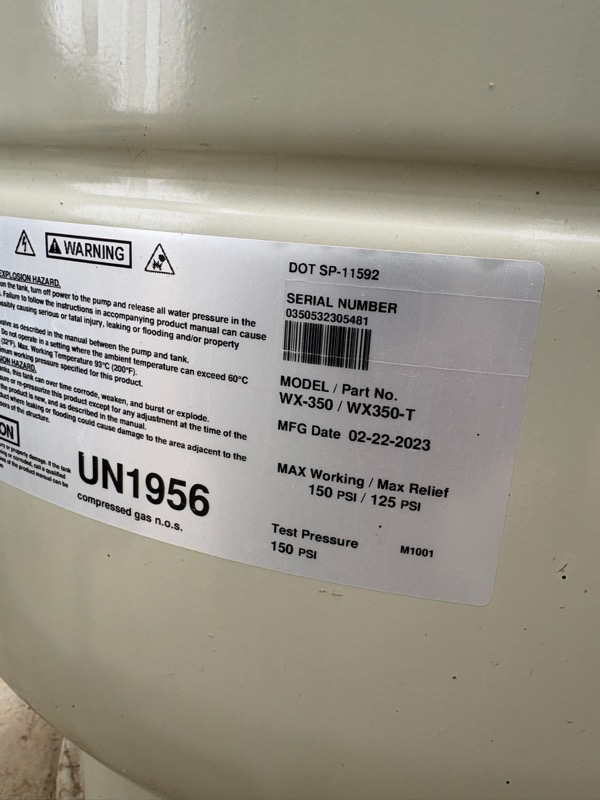
Pressure Tank Maintenance: Complete Guide
Keep your pressure tank working properly
Low Water Pressure Solutions for Oasis Wells in the Coachella Valley
Oasis lies in the eastern Coachella Valley of Riverside County, along the foothills of the Santa Rosa Mountains south of Thermal and Mecca. It is an agricultural community of date gardens, citrus, and table-grape vineyards, where private wells push water across hot, arid land. In this desert farming country, low water pressure threatens not just comfort but crops and livestock. Southern California Well Service has founded in 2020, with 60+ years of family heritage with eastern Coachella Valley wells for getting these systems running right. If your pressure is failing, call (760) 440-8520 or text (760) 219-5877.
How Your Well Builds and Holds Pressure
An Oasis well delivers pressure through four working parts. The submersible pump raises water from the casing, often from significant depth in this deep-basin aquifer. The pressure tank stores it under a compressed-air cushion so taps and irrigation valves stay pressurized between pump runs. The pressure switch cycles the pump at preset cut-in and cut-out pressures. And the well's drawdown and recovery rate determines how much water you can draw before the level falls. In an arid agricultural setting, heavy irrigation demand placed on a slowly recharging aquifer makes drawdown the most common pressure bottleneck of all.
Agricultural and Desert Causes of Low Pressure in Oasis
The eastern Coachella Valley combines farming demand with a harsh climate:
- Heavy irrigation drawdown: Date and citrus operations draw enormous volumes, and a well serving both a home and crops can be pumped down faster than it recovers, leaving the house with weak pressure during irrigation cycles.
- Deep-basin water-table decline: Decades of regional pumping and minimal rainfall have lowered the Coachella Valley water table in places, so a pump set for the old level may now sit too high, struggling to lift water and losing pressure.
- Mineral and sediment scaling: Coachella Valley groundwater carries minerals and fine sand that scale pump impellers and clog screens, valves, and emitters, steadily throttling flow.
- Extreme heat on equipment: Summer temperatures regularly exceed 110°F, hardening and rupturing pressure-tank bladders and degrading switches and fittings well before their normal lifespan.
- Long agricultural distribution lines: Water often travels far across an Oasis parcel to fields and outbuildings, losing pressure to friction and to hidden leaks where soil shifts or equipment has stressed buried pipe.
What to Check Before You Call
Read your pressure-tank gauge during use, watching for a steady 40 to 60 PSI rather than a low or swinging needle. Note whether pressure weakens specifically while irrigation runs, which points to drawdown. With the pump breaker off and the tank drained, check the air charge at the tank's top valve with a tire gauge; it should sit about 2 PSI under the cut-in, and a near-zero reading or water at the valve means a failed bladder. Soak household aerators in vinegar to clear scale, and inspect emitters and valves for mineral clogging. Then walk the distribution lines for wet ground or salt crust that marks a buried leak.
When to Call a Professional
Contact SCWS at (760) 440-8520 if you lose water entirely, the pump grinds or hums, taps sputter air (often the water table has dropped below the intake), water turns sandy or develops a strong mineral taste, or DIY steps fail to restore flow. In Oasis, where a dry well can endanger crops and animals, we offer same-day emergency response and arrive ready for agricultural-scale systems.
Realistic Repair Costs in Oasis
We quote upfront and credit the $125 diagnostic toward the repair. With labor, expect: pressure switch $150 to $350; pressure tank $600 to $1,500; submersible pump replacement $2,500 to $5,500, with deep agricultural settings at the upper end; sediment filtration $300 to $900; and iron, manganese, or softening treatment $1,500 to $3,500. A constant-pressure or booster system to steady PSI across home and field demand is $2,000 to $4,500. For a declining well, hydrofracturing runs $3,000 to $8,000 and a full new agricultural well is $18,000 to $42,000. Decommissioning an abandoned well to code is $1,500 to $5,000.
Serving Oasis and the Eastern Coachella Valley
Our Ramona and Anza offices put crews within reach of Oasis and the surrounding Riverside County farming communities of Thermal, Mecca, North Shore, and the date and citrus lands stretching toward the Salton Sea. We understand deep-basin aquifers, agricultural water demand, and the toll desert heat takes on equipment, and we carry the deep-set pumps, larger tanks, and filtration these working wells require.
Long-Term Care for Oasis Agricultural Wells
In the eastern Coachella Valley, proactive maintenance protects both your home and your crops. Check the pressure-tank air charge often, because summer heat above 110°F hardens bladders quickly. Shade exposed equipment and inspect switches and fittings for heat degradation. Test water quality at least twice a year to track minerals and sediment that scale the pump and clog emitters, and clean filters and screens on a regular schedule. Watch the timing of any pressure dips: weakness specifically during irrigation cycles is the signature of drawdown on a heavily worked well, and it often justifies a constant-pressure system or separate household supply so the home stays pressurized while fields are watered. Because the deep-basin water table can decline over the years, periodically verify that your pump is still set at the right depth for current conditions; a pump left too high will struggle and lose pressure. A full system audit that documents well depth, casing integrity, static and pumping water levels, and true yield is invaluable on an agricultural parcel, where the cost of a dry well is measured in lost crops as well as lost comfort. With backup water scarce in this remote farming country, planning maintenance ahead of the peak summer season is the surest way to avoid an emergency, and our crews can tailor a schedule to your operation's demand and water chemistry.
Why Oasis Growers and Homeowners Trust SCWS
Farming the eastern Coachella Valley leaves no room for an unreliable water supply, and that is exactly where our experience pays off. since 2020 we have kept Oasis-area wells producing through brutal summers, declining water tables, and the mineral-laden groundwater of the desert basin. As a licensed C-57 contractor, we quote every job upfront and focus on the fix that genuinely restores your pressure rather than the most expensive option on the shelf. We size pumps to real water levels, build for the heat, and treat water chemistry that would destroy ordinary equipment. Our CSLB #1086994 comes from growers and families who count on us when a dry tap could mean a lost crop. Call us and you reach people who understand agricultural demand, deep-basin aquifers, and the urgency of water in a remote farming community, and who will get your system back to dependable, full-pressure flow.
Frequently Asked Questions About Low Water Pressure in Oasis
Why does my Oasis house lose water pressure while the irrigation is running?
That is a classic sign of drawdown. When crop or landscape irrigation pulls heavily, the well's water level can fall faster than it recovers, leaving the house with weak pressure until demand eases. We test drawdown and recovery and often recommend a constant-pressure system or a separate pressure setup to keep the home supplied during irrigation.
Could a falling water table be the reason my pressure dropped?
Yes. Decades of regional pumping and scarce rainfall have lowered the Coachella Valley water table in places, leaving some pumps set too high to lift water efficiently. We measure the current level and can lower or resize the pump, or recommend hydrofracturing, to match the well to today's conditions.
Does desert heat damage well equipment in Oasis?
Significantly. Summer temperatures above 110°F harden and rupture pressure-tank bladders and degrade switches and fittings years early, which shows up as pressure swings and short-cycling. Shading equipment helps, and we size heat-tolerant replacements built for the eastern Coachella Valley climate.
How much does it cost to fix low pressure on an agricultural well?
Repairs range from $150 to $350 for a pressure switch and $600 to $1,500 for a pressure tank, up to $2,500 to $5,500 for a new pump, with deep agricultural settings toward the higher end. Our $125 diagnostic is credited toward the repair, so you invest only in what the system needs.
Can you service large agricultural wells in Oasis the same day?
Yes. We offer same-day emergency service to Oasis and the eastern Coachella Valley and arrive equipped for agricultural-scale systems. Because a dry well can threaten crops and livestock, we prioritize total water-loss calls in this farming community.
Is sediment or mineral scaling lowering my flow?
Often, yes. Coachella Valley groundwater carries minerals and fine sand that scale pump impellers and clog screens, valves, and emitters, gradually reducing flow. Sediment filtration, typically $300 to $900, plus targeted treatment for high mineral content protects your equipment and restores pressure.