
Low Water Pressure Solutions in Oceanside
Dealing with weak water pressure in Oceanside? Low water pressure can make showers frustrating and appliances ineffective. Our team diagnoses the root cause and restores your water pressure fast.
📋 In This Guide
Need Low Water Pressure Solutions in Oceanside?
We serve Oceanside and all of San Diego County. Licensed C-57 contractor (CSLB #1086994), founded 2020.
Call: (760) 440-8520Our Low Water Pressure Solutions Services
- Pressure tank repair and replacement
- Pressure switch adjustment
- Pump upgrades for better pressure
- Constant pressure systems
- Booster pump installation
- Clogged pipe diagnosis
- Well yield testing
- Complete system evaluation
Why Oceanside Chooses SCWS
✓ Local Expertise
We know San Diego County geology and wells
✓ Fast Response
Same-day service for Oceanside
✓ Fair Pricing
Honest quotes, no surprises
✓ Quality Work
CSLB #1086994 · founded 2020
Our Locations
Related Articles
Continue learning about well maintenance and troubleshooting
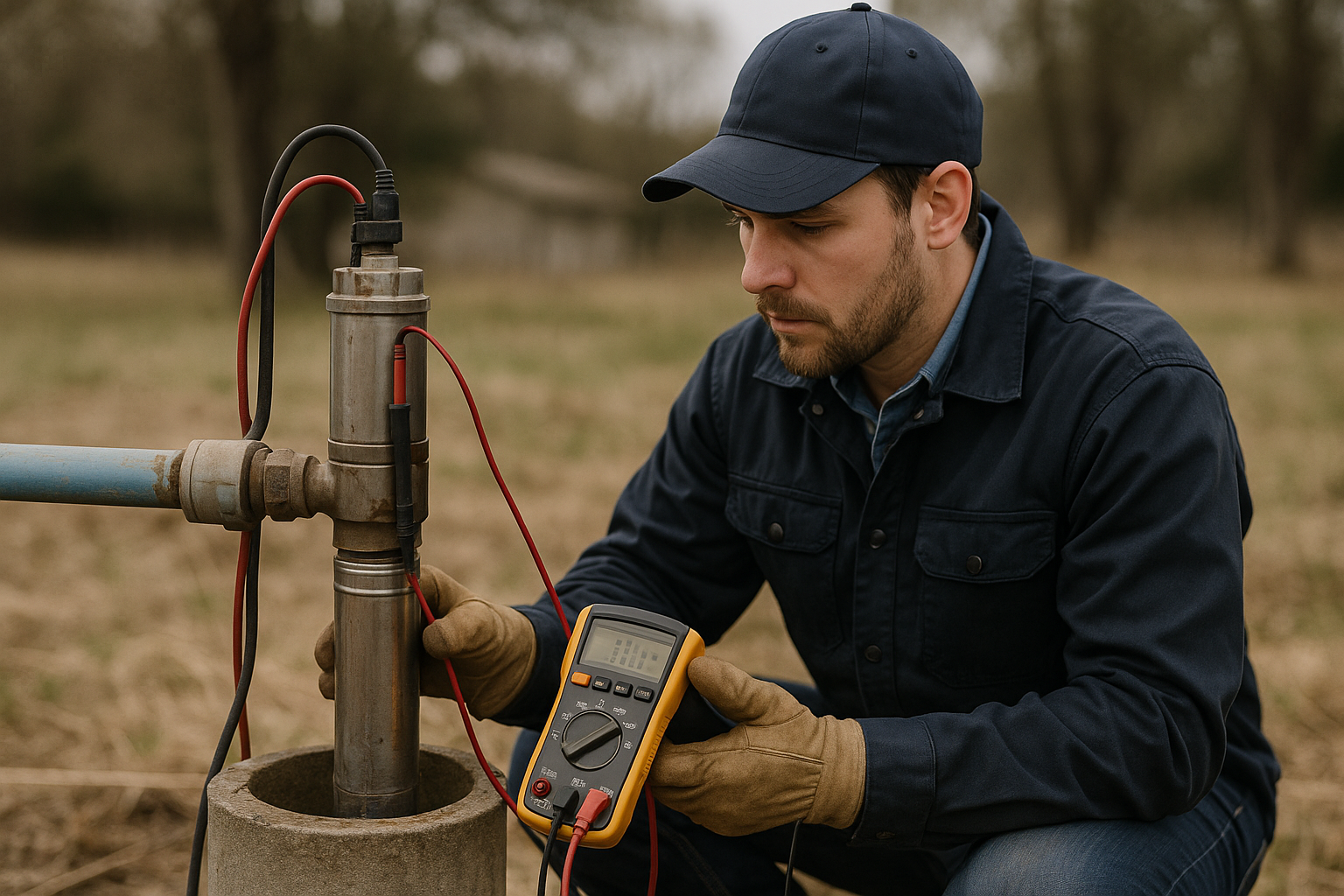
Low Water Pressure From Well: Complete Fix Guide
Diagnose and solve low pressure problems
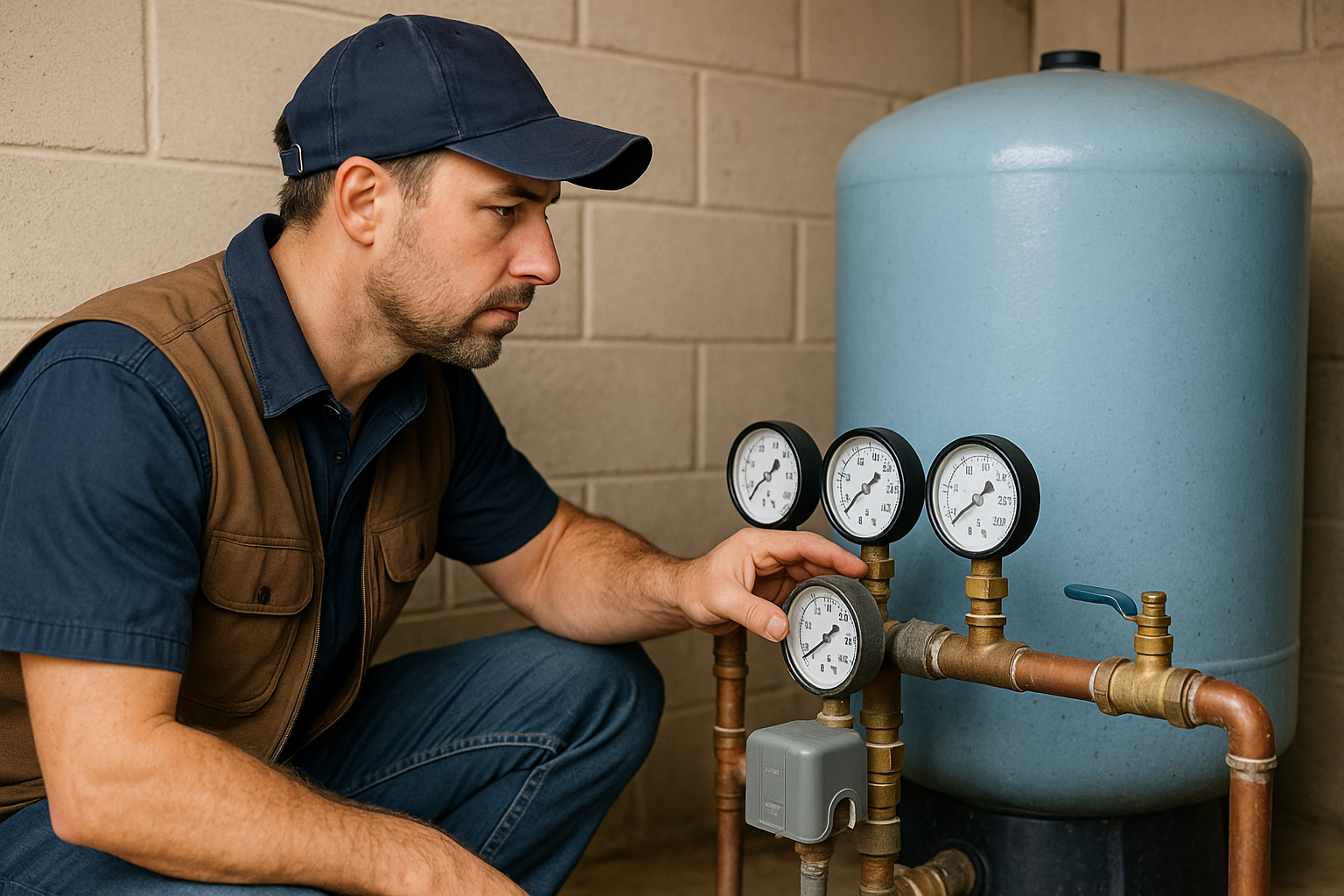
Well Pressure Switch: Settings, Adjustment & Replacement
Everything about pressure switches
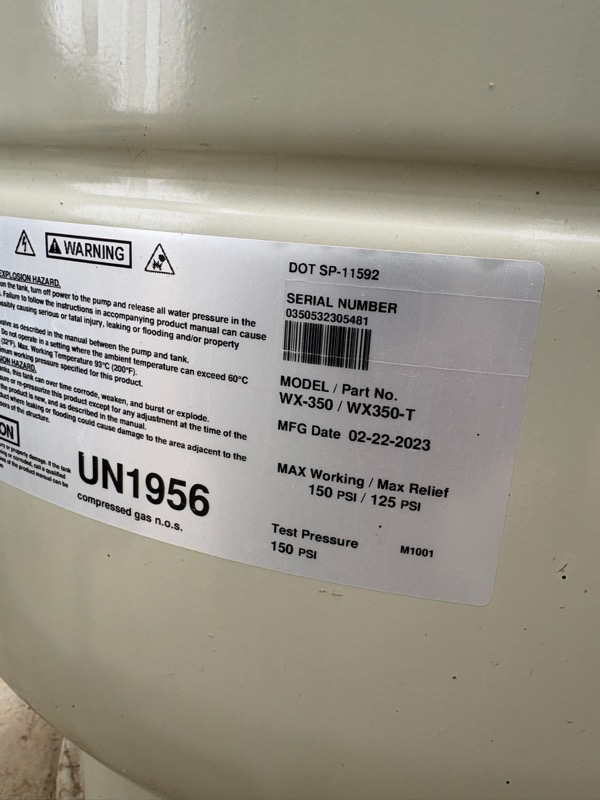
Pressure Tank Maintenance: Complete Guide
Keep your pressure tank working properly
Low Water Pressure Solutions for Oceanside Properties
Oceanside anchors the North County coast of San Diego County, stretching from its harbor and pier inland through the San Luis Rey River valley toward Bonsall and Fallbrook. While the city core runs on municipal water, the rural eastern reaches, riverbottom parcels, and agricultural and ranch properties around Oceanside are frequently served by private wells, and coastal proximity gives those wells a distinctive low-pressure profile. Southern California Well Service has founded in 2020 of San Diego County well experience for diagnosing and solving these problems. If your Oceanside pressure has fallen, call (760) 440-8520 or text (760) 219-5877.
The System That Creates Your Water Pressure
Pressure in an Oceanside well comes from four parts working together. A submersible pump lifts water from the casing. A pressure tank stores it under a compressed-air cushion so taps stay pressurized between pump runs. A pressure switch starts and stops the pump at preset cut-in and cut-out points, often 40/60 PSI. And the well's drawdown and recovery rate sets the limit on how much you can draw before the level falls. Near the coast, water chemistry adds an extra wrinkle, because seawater influence can change how aggressively your water corrodes and scales the components that hold your pressure.
Coastal and Valley Causes of Low Pressure in Oceanside
The San Luis Rey valley and coastal setting create a particular mix of issues:
- Saltwater intrusion near the coast: Wells closer to the shoreline and lower river valley can draw water with elevated salinity, which corrodes pump components and metal fittings faster than ordinary hard water, gradually weakening output.
- Riverbottom sand and sediment: The alluvial soils of the San Luis Rey valley supply fine sand that infiltrates the well, clogging the pump screen and fixtures and throttling flow.
- Hard-water scaling: San Diego County groundwater is mineral-rich, and calcium and magnesium scale builds on impellers, check valves, and aerators, slowly reducing pressure.
- Agricultural drawdown: Avocado, citrus, and nursery operations on Oceanside's rural edge draw heavily, and a shared well can be pumped down faster than it recovers, leaving the home with weak pressure during irrigation.
- Aging tanks and switches: On older ranch parcels, original pressure tanks and switches lose their charge and calibration, producing short-cycling and pressure that swings within a single use.
Checks to Try Before Calling Us
Start at the pressure-tank gauge, looking for a steady 40 to 60 PSI versus a weak or swinging reading. Note whether pressure drops while irrigation runs, which points to drawdown. With the pump breaker off and the tank drained, check the air charge at the tank's top valve with a tire gauge; it should sit about 2 PSI below the cut-in, and a near-zero reading or water at the valve signals a failed bladder. Soak aerators and showerheads in vinegar to clear scale and sand. Watch for any salty taste or new corrosion on fittings, which suggests salinity, and walk the property for damp spots that mark a buried leak.
When to Call a Professional
Reach SCWS at (760) 440-8520 if pressure drops suddenly, the pump grinds or hums, taps sputter air, water turns sandy or salty, you see corrosion on equipment, or basic fixes do not restore flow. We offer same-day emergency service across Oceanside and North County coastal San Diego, and we plan for the specific demands of coastal and agricultural wells.
Realistic Repair Costs in Oceanside
Quotes are upfront and our $125 diagnostic is credited toward the repair. With labor, typical ranges are: pressure switch $150 to $350; pressure tank $600 to $1,500; submersible pump replacement $2,500 to $5,500; sediment filtration for valley sand $300 to $900; and iron, manganese, softening, or reverse osmosis for salinity and minerals $1,500 to $3,500. A constant-pressure or booster system to steady PSI across home and irrigation demand is $2,000 to $4,500. For a declining well, hydrofracturing is $3,000 to $8,000 and a complete new well is $18,000 to $42,000. Decommissioning an unused well to code is $1,500 to $5,000.
Serving Oceanside and North County Coastal
From our Ramona and Anza offices we reach Oceanside and the neighboring San Diego County communities of Vista, Bonsall, Fallbrook, San Luis Rey, and the rural valley and ranch properties inland from the coast. We understand coastal water chemistry, San Luis Rey valley sand, and agricultural demand, and we arrive equipped with corrosion-resistant pumps, sediment filtration, and the treatment systems these wells call for.
Maintaining Strong Pressure on an Oceanside Well
Routine care keeps coastal and valley wells reliable. Check the pressure-tank air charge every few months and confirm it sits just below the pump's cut-in. Clean fixture aerators and showerheads regularly to clear hard-water scale and any fine valley sand. Near the coast, watch for a salty taste or new corrosion on fittings, early signs of salinity that warrant a water test, since saltwater intrusion accelerates wear on pumps and pipes. On agricultural parcels, inspect the long runs to groves and nurseries for damp ground that betrays a leak draining pressure. During drought years, note afternoon pressure dips that suggest a falling water table, and consider a constant-pressure system to steady them. Test water quality annually so rising salinity, mineral, or sediment levels are caught before they scale the pump or clog the well screen. Because San Luis Rey valley soils feed sand into wells, an occasional well-screen servicing keeps output strong. A system audit documenting depth, casing condition, and yield is worthwhile for any Oceanside property balancing household and irrigation demand, because it shows whether one well can serve both reliably or whether storage and boosting would deliver steadier pressure. Our crews understand coastal water chemistry and can build a maintenance plan suited to your specific well.
Why Oceanside Well Owners Rely on SCWS
From the harbor to the rural reaches of the San Luis Rey valley, Oceanside's private wells call for a contractor who understands coastal water chemistry and agricultural demand alike. We have spent since 2020 solving North County pressure problems, and our licensed C-57 crews arrive with the corrosion-resistant pumps, sediment filtration, and treatment systems these wells require. We quote honestly and itemize every line so you know exactly what you are paying for and why, and we prioritize the repair that fixes the underlying cause. Our CSLB #1086994 reflects a simple promise: accurate diagnosis, clear communication, and durable work that holds up against salinity, sand, and heavy irrigation. When you call us about low pressure on your Oceanside well, you reach people who know this coast and this valley and who will restore strong, reliable flow to your home and property.
Frequently Asked Questions About Low Water Pressure in Oceanside
Can being near the coast in Oceanside affect my well water pressure?
Yes. Wells closer to the shoreline and lower San Luis Rey valley can draw water with elevated salinity from seawater influence, which corrodes pump components and fittings faster than ordinary hard water and gradually weakens output. We test for salinity and can add reverse osmosis or other treatment to protect pressure and equipment.
Why is there sand in my water and could it be lowering pressure?
The alluvial soils of the San Luis Rey valley supply fine sand that infiltrates wells, clogging the pump screen, check valves, and fixtures and throttling flow. Sediment filtration, typically $300 to $900, plus servicing the well screen, clears the sand and helps restore steady pressure.
My pressure drops when the avocado or nursery irrigation runs. What is happening?
Heavy agricultural irrigation can pull the well down faster than it recovers, leaving the house with weak pressure during watering. We test drawdown and recovery and often recommend a constant-pressure or booster system, and sometimes a larger tank, so the home holds pressure while crops are watered.
How much does it cost to fix low water pressure on an Oceanside well?
Repairs range from $150 to $350 for a pressure switch and $600 to $1,500 for a pressure tank, up to $2,500 to $5,500 for a new pump. Our $125 diagnostic identifies the real cause and is credited toward the repair, so you pay only for the work your system needs.
Do you offer same-day well service in Oceanside?
Yes. We provide same-day emergency service throughout North County coastal San Diego, including Oceanside, Bonsall, and Fallbrook. If you have lost water or pressure suddenly, call (760) 440-8520 and we will prioritize restoring flow to your property.
How do I know whether my pressure tank has failed?
With the pump off and the system drained, check the air valve on top of the tank with a tire gauge. It should read about 2 PSI below the pump's cut-in setting. A reading near zero, or water spurting from the valve, means the bladder has failed and the tank needs replacement, usually $600 to $1,500.