
Low Water Pressure Solutions in Ocotillo
Dealing with weak water pressure in Ocotillo? Low water pressure can make showers frustrating and appliances ineffective. Our team diagnoses the root cause and restores your water pressure fast.
📋 In This Guide
Need Low Water Pressure Solutions in Ocotillo?
We serve Ocotillo and all of Imperial County. Licensed C-57 contractor (CSLB #1086994), founded 2020.
Call: (760) 440-8520Our Low Water Pressure Solutions Services
- Pressure tank repair and replacement
- Pressure switch adjustment
- Pump upgrades for better pressure
- Constant pressure systems
- Booster pump installation
- Clogged pipe diagnosis
- Well yield testing
- Complete system evaluation
Why Ocotillo Chooses SCWS
✓ Local Expertise
We know Imperial County geology and wells
✓ Fast Response
Same-day service for Ocotillo
✓ Fair Pricing
Honest quotes, no surprises
✓ Quality Work
CSLB #1086994 · founded 2020
Our Locations
Related Articles
Continue learning about well maintenance and troubleshooting
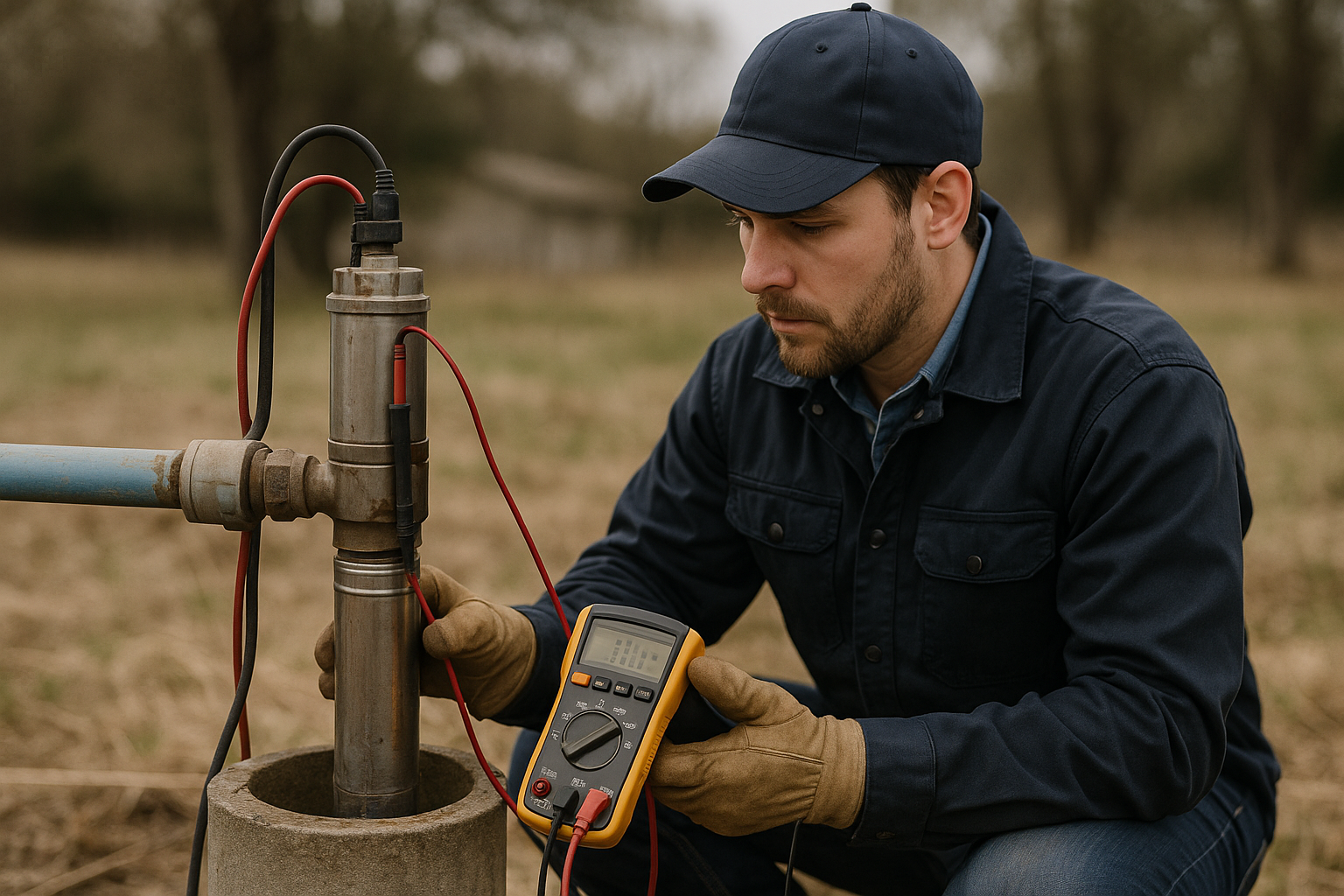
Low Water Pressure From Well: Complete Fix Guide
Diagnose and solve low pressure problems
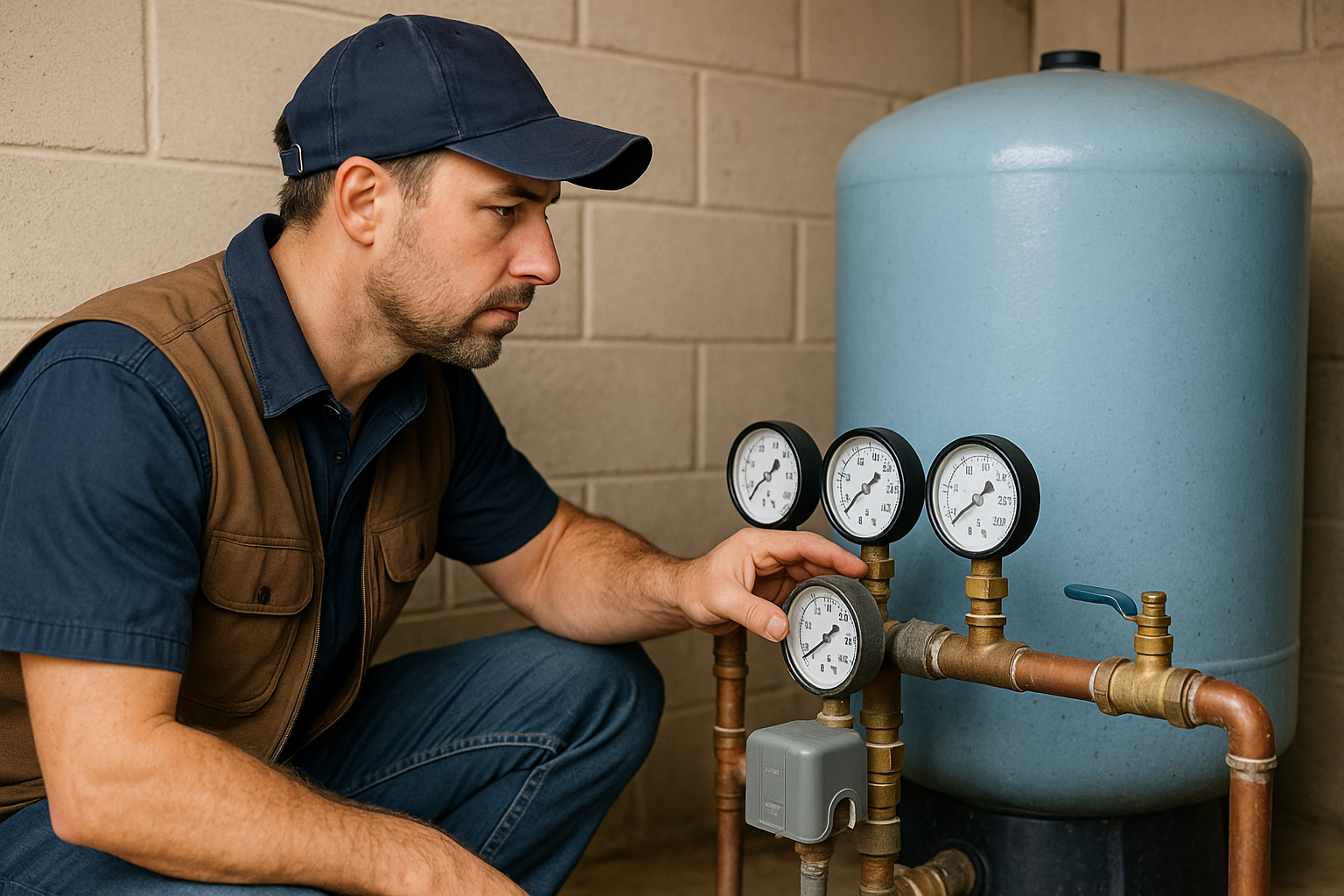
Well Pressure Switch: Settings, Adjustment & Replacement
Everything about pressure switches
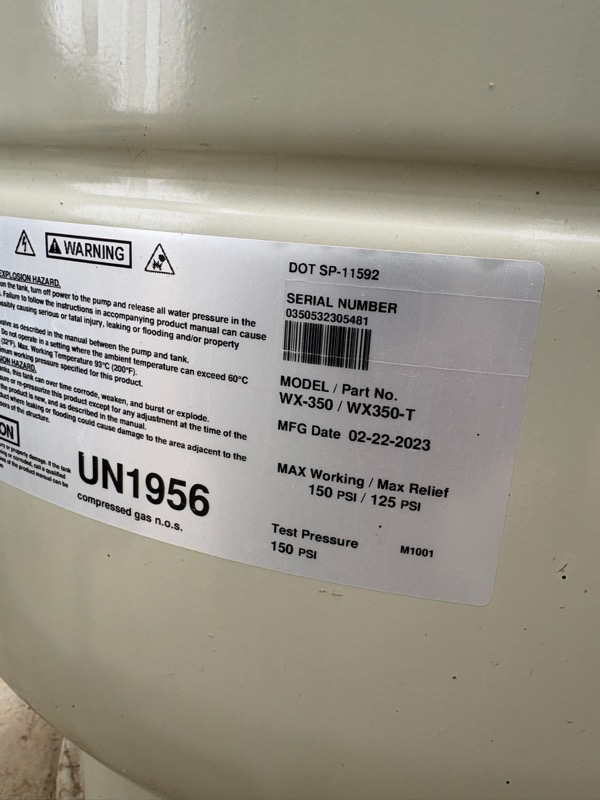
Pressure Tank Maintenance: Complete Guide
Keep your pressure tank working properly
Low Water Pressure on an Ocotillo Well: A Local Owner's Guide
Out in Ocotillo, water pressure is not a luxury — it is daily survival. Tucked into the Colorado Desert of Imperial County along Interstate 8, between Coyote Wells and the Plaster City flats and right at the doorstep of Anza-Borrego Desert State Park, this is some of the most arid country in California. When summer afternoons push past 110°F and the nearest municipal main is many miles away, a private well that suddenly delivers a weak trickle instead of a strong stream becomes an urgent problem. If your showers have gone limp, your irrigation lines barely spit, or your washing machine takes forever to fill, this guide walks you through exactly how a well pressure system works, what tends to go wrong in the Salton Trough, what you can safely check yourself, and when it pays to call a licensed professional.
How a Well Water-Pressure System Actually Works
Unlike a city connection, your Ocotillo home makes its own pressure. Understanding the handful of parts involved makes troubleshooting far less mysterious.
The pump
Most deeper Ocotillo wells use a submersible pump that sits far down in the borehole and pushes water up to the surface. Shallower or older setups sometimes use an above-ground jet pump that draws water up by suction. In our desert, submersibles dominate because water tables here often sit well below the surface in alluvial sand, gravel, and fractured bedrock near the San Jacinto and Elsinore fault zones.
The pressure tank
The pump does not run every time you open a tap. Instead it fills a pressure tank that stores water under a cushion of compressed air. Modern tanks use a rubber bladder or diaphragm separating water from an air charge. That air charge is what hands you instant pressure between pump cycles. The usable water you draw before the pump kicks on again is called drawdown.
The pressure switch
A pressure switch is the brain. It watches tank pressure and turns the pump on at a cut-in point and off at a cut-out point — commonly 40/60 psi (on at 40, off at 60), though 30/50 setups are also common. If those settings drift, or the switch contacts corrode, your whole house feels it.
When all of these parts are healthy, you never think about them. Pressure stays smooth, the pump cycles a few times an hour, and the tank quietly does its job. Trouble starts when one component drifts out of spec — and in a remote desert setting like Ocotillo, a small drift can cascade into a no-water call before you realize anything was wrong.
Why Ocotillo Wells Lose Pressure
The desert is hard on equipment, and Ocotillo's geology and climate create a distinct set of culprits:
- Mineral scale from hard groundwater. Salton Trough groundwater is mineral-rich. Calcium and other scale builds up on pump impellers, inside pipes, and on tank fittings, slowly choking flow.
- Sand and sediment intrusion. Loose alluvial and wind-blown sand works into wells set in sandy desert ground, clogging screens, filters, and impellers.
- Low well yield during drought. With minimal rainfall and high evaporation, the water table can drop seasonally, leaving the pump pulling against a thin supply.
- Heat-stressed components. Sustained 110°F-plus heat ages pressure tanks, bladders, switches, and above-ground wiring faster than in milder climates.
- Waterlogged pressure tank. When the bladder fails or the air charge bleeds off, the pump short-cycles and pressure swings wildly.
- Leaks in long buried runs. Rural Ocotillo properties often have long pipe runs from wellhead to house; a single underground leak quietly drains pressure.
What You Can Safely Check Yourself
Before you call anyone, a few simple checks often reveal the problem — and even when they don't, the information speeds up our visit.
- Read the pressure gauge. Watch the gauge near your pressure tank through a full pump cycle. Note where the pump cuts in and cuts out. If it never reaches the cut-out number, the pump or well supply may be struggling.
- Check the breaker. A tripped breaker or blown fuse on the pump circuit is a common, fixable cause of "no pressure." Reset once; if it trips again, stop and call — that signals an electrical fault.
- Test the tank's air charge. With the pump powered off and tank drained, press a tire gauge on the air valve at the top of the tank. It should read about 2 psi below the cut-in setting (roughly 38 psi for a 40/60 system). Low or zero air means a waterlogged or failed tank.
- Inspect sediment filters. Ocotillo's sandy water clogs filters fast. A discolored or caked cartridge can throttle your whole house — swap it and see if pressure returns.
- Look and listen for leaks. Unexplained wet patches, a pump that runs when no water is being used, or hissing lines point to a leak sapping pressure.
When to Call a Professional
Some symptoms mean it is time to stop guessing. Call us if you have no water at all, a breaker that keeps tripping, grinding or humming from the pump, pressure that collapses whenever two fixtures run at once, visible leaks, or pressure that never recovers after you reduce usage. Pulling a submersible pump, diagnosing well yield, and rewiring pump circuits are jobs for a licensed C-57 well contractor — in Ocotillo's extreme heat, a failed well is a genuine emergency, and we offer same-day response.
Realistic Cost Ranges for Ocotillo Well Pressure Repairs
Every well is different, but here are honest, current Southern California Well Service ranges so you can budget before we ever arrive. Our diagnostic visit is $125, and that fee is credited toward any repair you approve.
- Pressure switch replacement: $150–$350
- Pressure tank replacement: $600–$1,500
- Well pump replacement: $2,500–$5,500
- Sediment filtration system: $300–$900
- Iron/manganese filter or water softener: $1,500–$3,500
- Constant-pressure / booster system: $2,000–$4,500
- New well, turnkey: $18,000–$42,000
- Hydrofracturing to boost yield: $3,000–$8,000
- Well abandonment / decommissioning: $1,500–$5,000
We give you the number before we start the work — no surprises, no upsells.
Keeping Pressure Strong Between Service Calls
A little desert-specific upkeep goes a long way. Check your pressure tank's air charge a couple of times a year with a tire gauge and top it to about 2 psi below cut-in. Change sediment filters on a schedule rather than waiting for flow to fade, because Ocotillo's sandy water clogs them faster than most. Shade or enclose above-ground equipment so the worst afternoon heat and blowing sand don't bake wiring and crack fittings. And if you notice your pump running more often than it used to, log it — rising cycle counts are usually the earliest warning that scale, sand, or a tired bladder is starting to rob your pressure.
Areas We Serve Around Ocotillo
From our offices in Ramona (1077 Main St, Ramona, CA 92065) and Anza (57174 CA-371 (US Hwy 79), Anza, CA 92539), our licensed C-57 crews cover Ocotillo and the surrounding Imperial County desert — including Coyote Wells, Nomirage, Plaster City, and the rural stretches toward the Anza-Borrego boundary and the I-8 corridor. With founded in 2020 of desert well experience, we know how Colorado Desert sand, heat, and hard water behave, and we stock parts built to survive them.
Frequently Asked Questions
Why does my Ocotillo well lose pressure worst in the summer?
Two desert factors stack up in summer. First, the water table can drop during prolonged dry, high-evaporation months, lowering well yield. Second, 110°F-plus heat stresses pumps, tank bladders, and switches. Together they often turn a marginal system into a noticeably weak one from June through September.
Could blowing sand really be the reason my pressure dropped?
Yes. Ocotillo sits in loose alluvial and wind-blown sand, and that sand finds its way into wells, clogging screens, sediment filters, and pump impellers. Sand intrusion is one of the most common pressure-loss causes we see in this corner of Imperial County.
How can I tell if it's my pump or my pressure tank?
Watch the tank gauge. Rapid on-off short-cycling and pressure that swings hard usually point to a waterlogged or failed pressure tank or its air charge. Pressure that climbs slowly or never reaches cut-out, plus a pump that runs constantly, points more toward the pump or low well yield. When in doubt, our $125 diagnostic settles it quickly.
Is the hard water out here actually damaging my system?
It can. Mineral-rich Salton Trough groundwater leaves scale on impellers, pipes, and fittings that gradually restricts flow and shortens equipment life. An iron/manganese filter or softener ($1,500–$3,500) protects the pump and tank you just paid to fix.
My well barely produces. Do I need a whole new well?
Not necessarily. If low yield is the issue, hydrofracturing ($3,000–$8,000) can often open fractures in the surrounding bedrock and boost supply for far less than a new well. A full turnkey well ($18,000–$42,000) is a last resort we only recommend when rehabilitation won't deliver.
Do you really come out to Ocotillo same-day?
For genuine no-water emergencies in the desert heat, yes — same-day response is exactly why we keep crews staged from Ramona and Anza. Call (760) 440-8520 and tell us it's an Ocotillo emergency.
Get Your Ocotillo Water Pressure Back Today
Don't tough out weak pressure in the desert heat. Call Southern California Well Service at (760) 440-8520, text us at (760) 219-5877, or request a free estimate. We're a licensed C-57 contractor with founded in 2020, with 60+ years of family heritage, same-day emergency service for Ocotillo, and a $125 diagnostic that's credited toward your repair.