
Low Water Pressure Solutions in Pala
Dealing with weak water pressure in Pala? Low water pressure can make showers frustrating and appliances ineffective. Our team diagnoses the root cause and restores your water pressure fast.
📋 In This Guide
Need Low Water Pressure Solutions in Pala?
We serve Pala and all of San Diego County. Licensed C-57 contractor (CSLB #1086994), founded 2020.
Call: (760) 440-8520Our Low Water Pressure Solutions Services
- Pressure tank repair and replacement
- Pressure switch adjustment
- Pump upgrades for better pressure
- Constant pressure systems
- Booster pump installation
- Clogged pipe diagnosis
- Well yield testing
- Complete system evaluation
Why Pala Chooses SCWS
✓ Local Expertise
We know San Diego County geology and wells
✓ Fast Response
Same-day service for Pala
✓ Fair Pricing
Honest quotes, no surprises
✓ Quality Work
CSLB #1086994 · founded 2020
Our Locations
Related Articles
Continue learning about well maintenance and troubleshooting
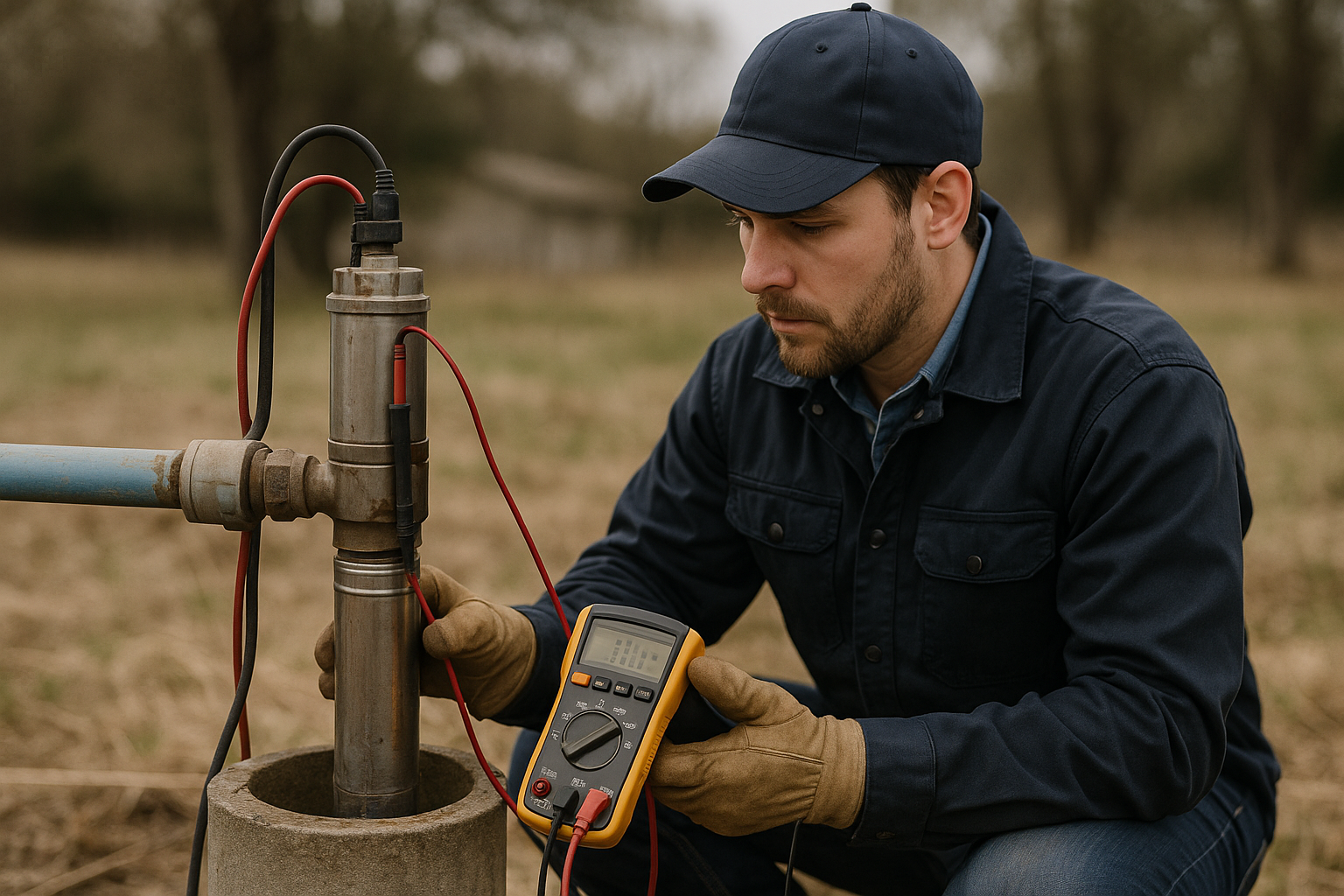
Low Water Pressure From Well: Complete Fix Guide
Diagnose and solve low pressure problems
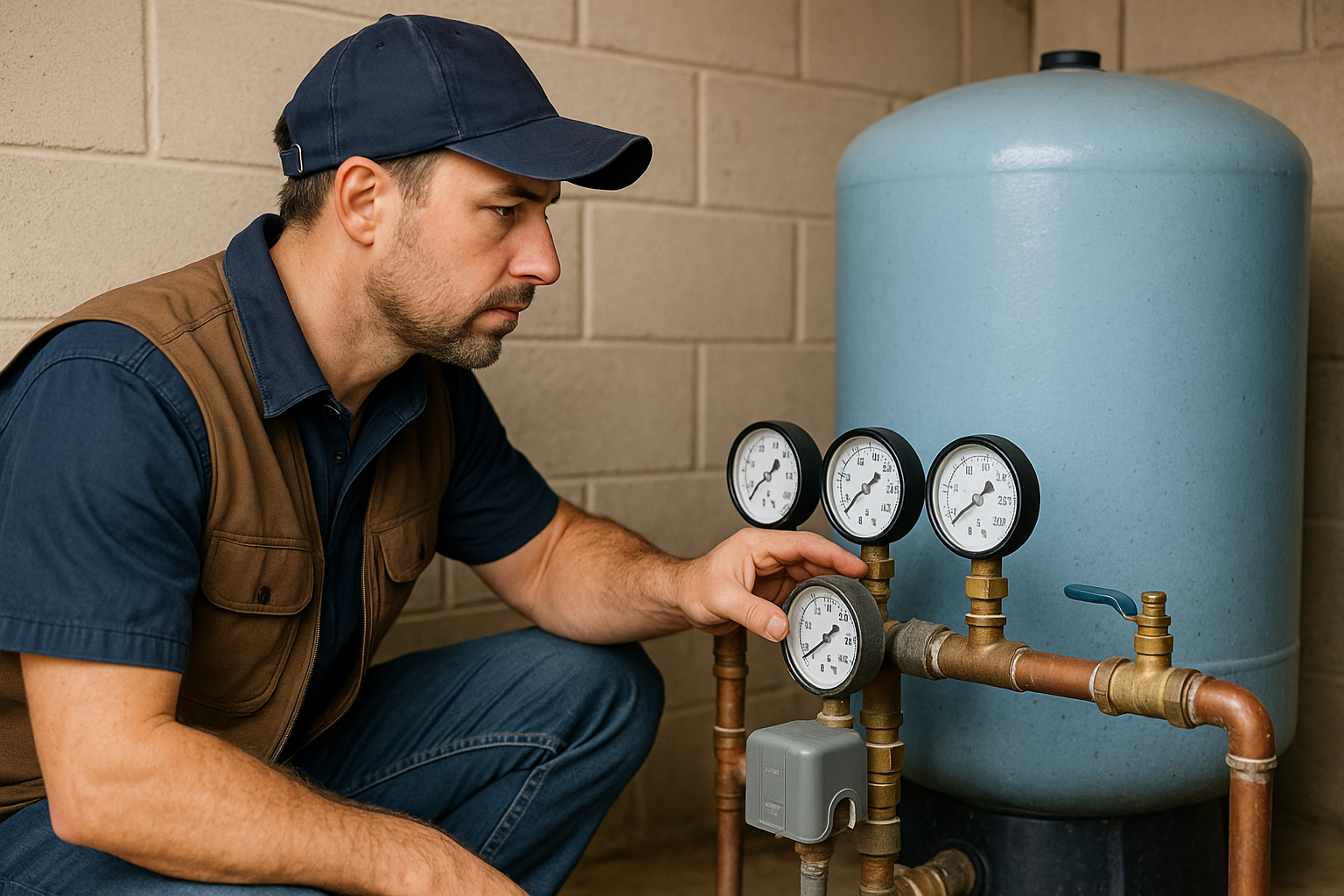
Well Pressure Switch: Settings, Adjustment & Replacement
Everything about pressure switches
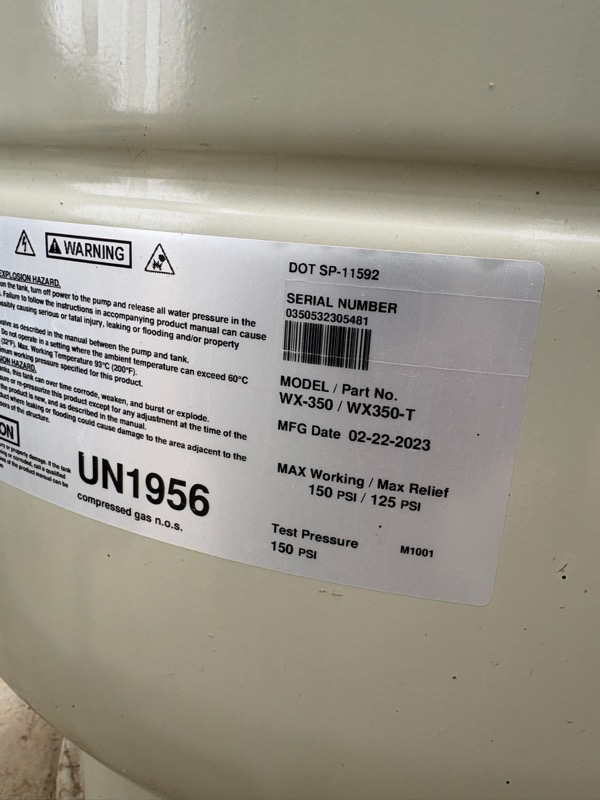
Pressure Tank Maintenance: Complete Guide
Keep your pressure tank working properly
Low Water Pressure Solutions for Pala Well Owners
Pala sits in the rural northern reaches of San Diego County, strung along the San Luis Rey River where the valley floor meets the granite foothills of the Peninsular Ranges. Most homes, the tribal community, and the small farms and groves around Highway 76 and Pala Mission Road rely on private wells rather than a municipal main. When the pressure at your taps starts to fade, it is rarely a single cause; it is usually the local geology, your equipment, and seasonal water-table swings working together. Southern California Well Service has worked since 2020 diagnosing exactly these problems in the Pala and Pauma valleys, and this guide walks you through how your system works, what tends to go wrong here, and what a repair realistically costs.
How a Private Well Pressure System Actually Works
Understanding the four moving parts makes troubleshooting far less mysterious. Your submersible pump sits deep in the well casing and pushes water up to the surface. That water flows into a pressure tank, which holds a cushion of compressed air over a rubber bladder so the pump does not have to run every time you open a faucet. A pressure switch watches the tank and tells the pump when to turn on (the "cut-in," often 40 PSI) and off (the "cut-out," often 60 PSI). Finally, the well itself has a drawdown limit, the water level drops as the pump runs, and if it drops faster than the aquifer can refill, the pump starts sucking air. When any one of these four falls out of balance, you feel it as weak or surging pressure at the shower head.
Why Pala's Geology Creates Pressure Problems
Pala wells fall into two broad families. Shallow wells near the San Luis Rey River draw from alluvial gravels and sand, productive but prone to seasonal level changes and sediment intrusion. Deeper wells punch into decomposed and fractured granite of the batholith, where water lives only in cracks and fissures. According to California well-completion records, Pala has roughly 155 wells on file with depths ranging from about 20 feet near the riverbed to several hundred feet (and a few outliers far deeper) in the surrounding hills. The Pala and Pauma valleys together form the Upper San Luis Rey Valley groundwater subbasin, one of the few San Diego County basins managed under the state's Sustainable Groundwater Management Act, a reminder that water levels here are watched closely and can drop in dry years.
For pressure, this matters in two ways. A fractured-rock well has limited storage, so heavy demand such as filling a stock trough or running irrigation for an avocado grove can outrun the fracture's recharge and cause pressure to sag mid-task. An alluvial well near the river can pull in fine sand that scours pump impellers and clogs screens, slowly choking output over a season or two.
Common Local Causes of Low Pressure in Pala
- Seasonal water-table drop: After a dry winter, the level in a fractured-granite well can fall enough that the pump cycles on a partially recovered column, delivering weak pressure especially in late afternoon when everyone is using water.
- Sediment from alluvial wells: Sand and decomposed-granite grit wear pump impellers and pack into the pressure tank and inline screens, throttling flow.
- Waterlogged pressure tank: A failed bladder lets the air charge escape, so the pump short-cycles and pressure bounces instead of holding steady.
- Drifting pressure switch: Contacts pit and springs weaken over years, dropping the cut-out point so the whole house runs at lower PSI than it should.
- Long, uphill supply lines: Many Pala parcels are large, and a well that is fine at the wellhead can deliver disappointing pressure 600 feet uphill at the house through an undersized or partly clogged line.
What You Can Check Before Calling Us
- Read the gauge. Find the gauge near your pressure tank. A healthy system should swing between roughly 40 and 60 PSI. If it never reaches 50, or the needle jitters rapidly, note what you see.
- Listen to the pump cycle. If the pump clicks on and off every few seconds (short-cycling), suspect a waterlogged tank.
- Tap the tank. The top third should sound hollow; if the whole tank rings solid and full, the air charge is likely gone.
- Check a single fixture. If only one faucet is weak, the problem is local (aerator or valve), not your well. If every fixture is weak, the issue is in the well, pump, or tank.
- Note timing. Pressure that fades only during heavy use or only late in a dry season points toward well yield rather than equipment.
When to Call a Professional
Call us at (760) 440-8520 right away if you have no water at all, if the pump runs constantly without building pressure, if you see sand or cloudy water at the tap, or if you smell or hear the pump straining. These point to pump failure, a dropped water level, or an electrical fault, none of which are safe DIY jobs on a deep submersible installation. You can also text us at (760) 219-5877. We offer same-day emergency response across the Pala, Pauma, and Valley Center backcountry.
Realistic Cost Ranges in Pala
Every system is different, but here are honest 2026 ballpark figures so you can plan. A diagnostic visit is $125, credited toward any repair we perform:
- Pressure switch replacement: $150-$350
- Pressure tank replacement: $600-$1,500
- Submersible pump replacement: $2,500-$5,500 depending on depth and horsepower
- Sediment filtration: $300-$900
- Constant-pressure or booster system: $2,000-$4,500
- Hydrofracturing to improve fractured-rock yield: $3,000-$8,000
- New well, turnkey: $18,000-$42,000
Serving Pala and the North County Backcountry
From our Ramona office at 1077 Main St and our Anza office on US Highway 79, we reach Pala, Pauma Valley, Valley Center, Rincon, and the surrounding groves quickly. We know these granite-and-alluvium wells because we work on them every week, and as a licensed C-57 well contractor we are equipped to pull and reset deep submersible pumps that a general plumber cannot touch.
Protecting Your Pala Well Through Dry Years
The Pala and Pauma valleys have lived through repeated drought cycles, and the Upper San Luis Rey Valley subbasin is monitored under state groundwater law precisely because levels here respond quickly to dry winters. For a well owner, the practical lesson is that a system that performs flawlessly after a wet year can disappoint after a dry one, not because anything broke, but because the water column shortened. A few habits protect you. Stagger heavy uses such as grove irrigation and laundry rather than running them at once, so the well is not asked to deliver its peak flow continuously. Watch your pressure gauge through the seasons and note the date when the cut-in pressure starts arriving slowly; that early warning lets us schedule a yield test before you are caught without water. And consider a storage tank with a booster: by filling a cistern slowly overnight and pressurizing the house from it, you decouple your daily demand from the well's instantaneous yield, which is often the single best upgrade for a fractured-granite property.
We also encourage Pala owners to keep a simple service log. Recording the pump's age, the tank's pre-charge, and the dates of any repairs turns a future emergency call into a fast, informed fix. When you do call us, that history helps our technician arrive with the right pump and tank for your depth and geology, often resolving the problem in a single visit instead of a diagnosis followed by a return trip.
Why Pala Owners Trust Southern California Well Service
We are not a general plumbing outfit that dabbles in wells; we are a licensed C-57 well contractor that has worked the North County backcountry since 2020. That focus matters on a Pala property, where the difference between an alluvial riverside well and a deep granite well changes everything about the right pump, the right tank, and the right diagnosis. Our technicians have pulled pumps from these exact formations, know how the Pala and Pauma basins behave through wet and dry years, and carry the equipment to service deep submersibles safely. With, transparent pricing, and a diagnostic fee that we credit toward your repair, we make it easy to get an honest answer and a lasting fix. Whether you need a quick pressure-switch swap or a full system redesign with storage and a booster, we will lay out your options in plain language and stand behind the work.
Frequently Asked Questions
Why does my Pala well lose pressure in late summer?
In dry years the water table in fractured-granite wells drops, leaving a shorter water column for the pump to draw from. Heavy afternoon demand can outrun the slow recharge of the rock fractures, so pressure sags until the well recovers overnight. A yield test tells us whether the well, the pump, or the tank is the limiting factor.
Is the sand in my water hurting my pump?
Yes. Pala's alluvial wells near the San Luis Rey River can pull fine sand and decomposed-granite grit that abrades pump impellers and packs into the tank and screens. Adding sediment filtration ($300-$900) protects the pump and restores flow.
How deep are wells in Pala?
It varies widely. Shallow alluvial wells near the river can be 20-100 feet, while wells into the granite hills often run a few hundred feet, with some far deeper. Depth affects which pump and what pricing fits your property.
Can you boost pressure to a house far from the well?
Often, yes. If well yield is adequate but the house sits uphill or hundreds of feet away, a booster pump or constant-pressure system ($2,000-$4,500) delivers steady PSI at the fixtures.
Do I need to test my Pala well water?
We recommend periodic testing, especially for shallow wells. While Pala granite generally yields clean water, alluvial wells can carry sediment and minerals worth monitoring.
Do you offer same-day service in Pala?
Yes. From our Ramona and Anza offices we provide same-day emergency response to Pala and the surrounding backcountry for no-water and pressure-loss emergencies.
Restore Your Water Pressure in Pala
Call Southern California Well Service for a free estimate or same-day emergency help. Licensed C-57, founded 2020.
Call (760) 440-8520