
Low Water Pressure Solutions in Palomar Mountain
Dealing with weak water pressure in Palomar Mountain? Low water pressure can make showers frustrating and appliances ineffective. Our team diagnoses the root cause and restores your water pressure fast.
📋 In This Guide
Need Low Water Pressure Solutions in Palomar Mountain?
We serve Palomar Mountain and all of San Diego County. Licensed C-57 contractor (CSLB #1086994), founded 2020.
Call: (760) 440-8520Our Low Water Pressure Solutions Services
- Pressure tank repair and replacement
- Pressure switch adjustment
- Pump upgrades for better pressure
- Constant pressure systems
- Booster pump installation
- Clogged pipe diagnosis
- Well yield testing
- Complete system evaluation
Why Palomar Mountain Chooses SCWS
✓ Local Expertise
We know San Diego County geology and wells
✓ Fast Response
Same-day service for Palomar Mountain
✓ Fair Pricing
Honest quotes, no surprises
✓ Quality Work
CSLB #1086994 · founded 2020
Our Locations
Related Articles
Continue learning about well maintenance and troubleshooting
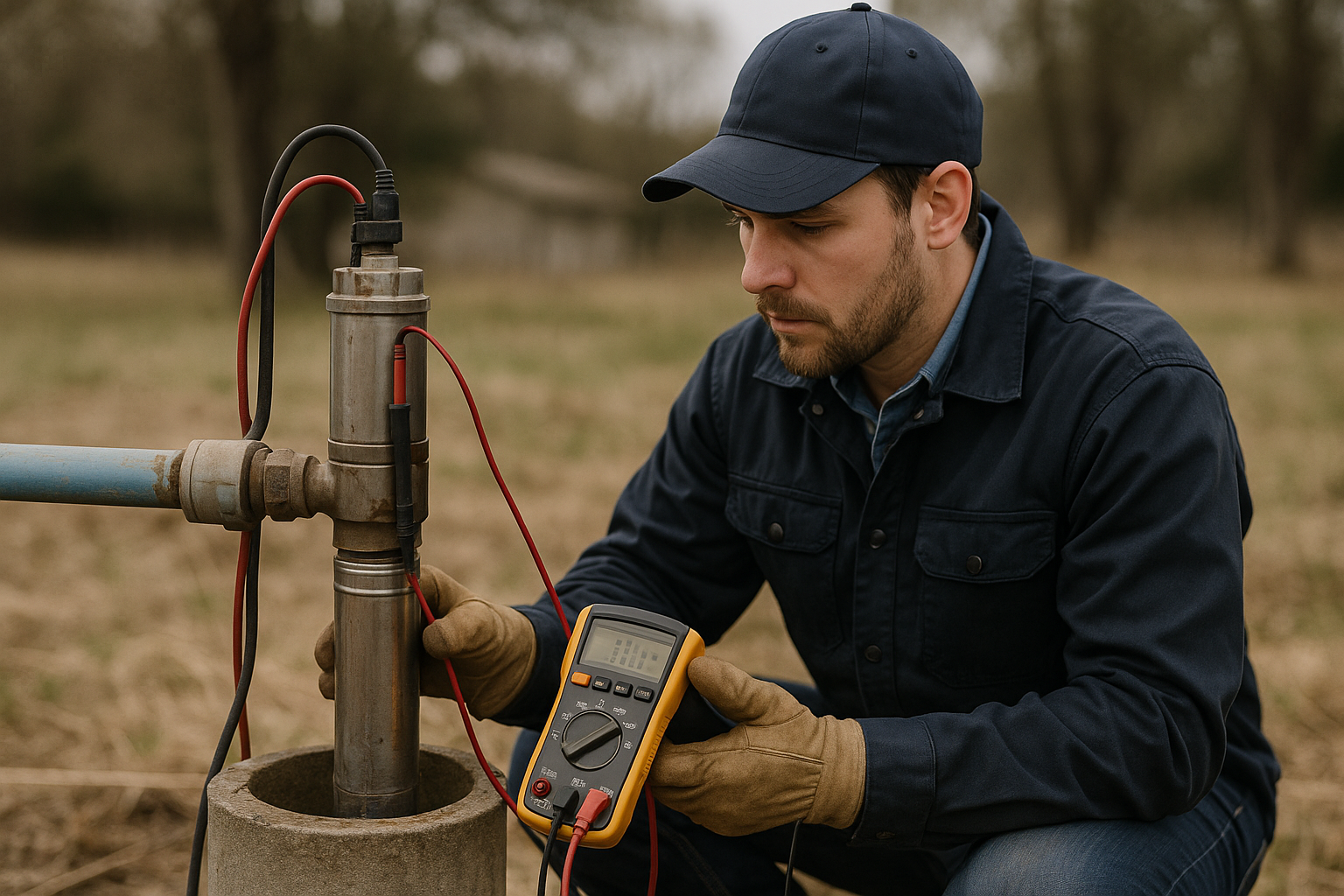
Low Water Pressure From Well: Complete Fix Guide
Diagnose and solve low pressure problems
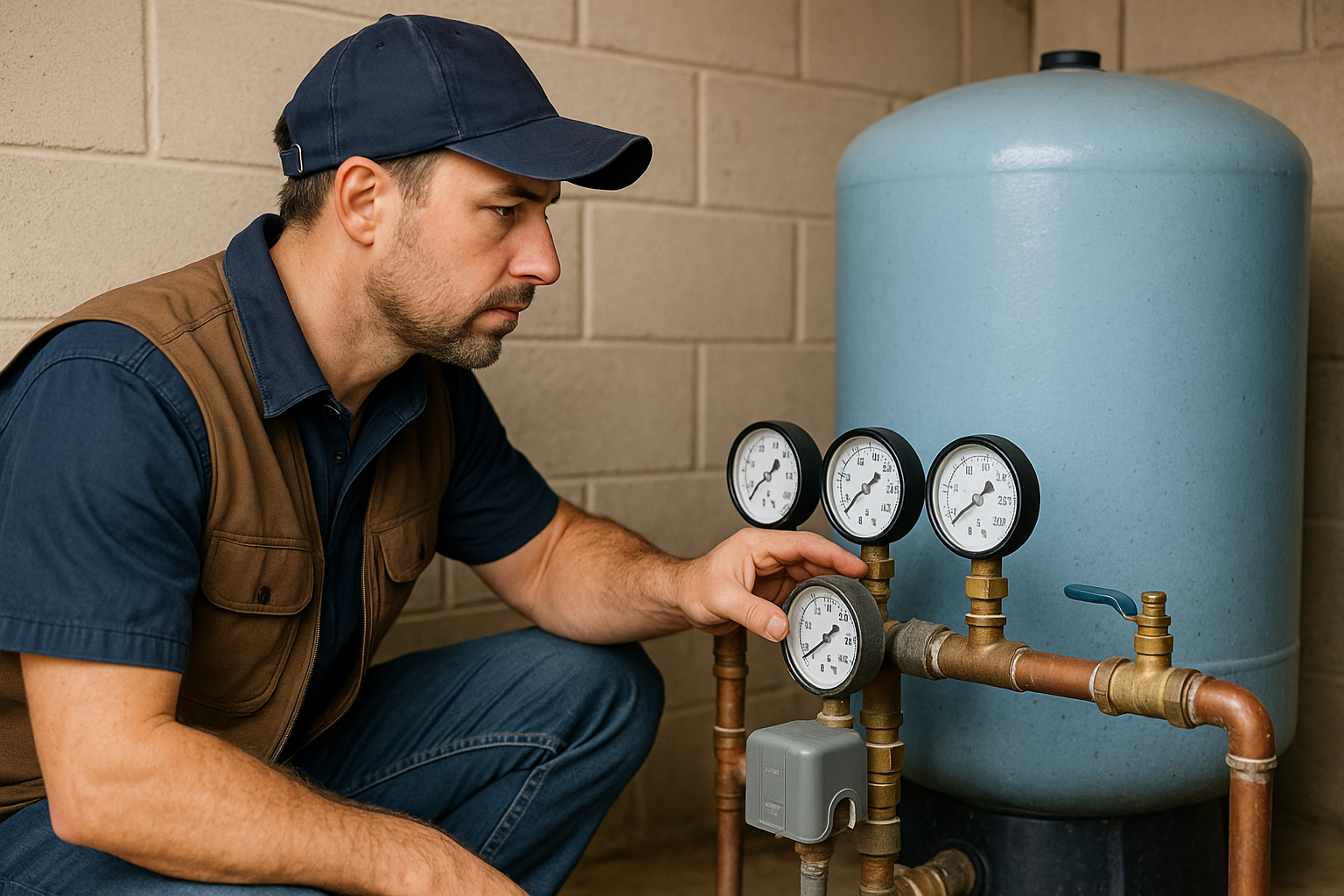
Well Pressure Switch: Settings, Adjustment & Replacement
Everything about pressure switches
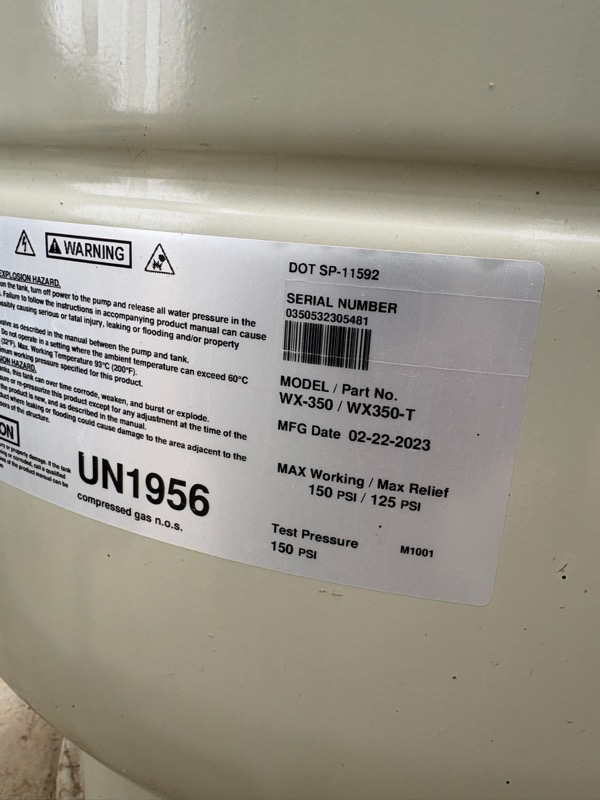
Pressure Tank Maintenance: Complete Guide
Keep your pressure tank working properly
Low Water Pressure Solutions for Palomar Mountain Properties
Palomar Mountain is unlike anywhere else we serve in San Diego County. Rising above 6,100 feet and home to the famous Palomar Observatory, the mountain's cabins, ranches, and estates sit on fractured granite far from any municipal water main. Every property up here, along South Grade Road, Crestline, and the State Park fringe, depends on a private well. The combination of high elevation, deep granite wells, and freezing winters makes low water pressure both common and uniquely tricky to solve. Southern California Well Service has worked these mountain wells since 2020, and this guide explains how your system works, why pressure fades up here, and what it costs to fix.
The Anatomy of Your Mountain Well System
Four components govern your pressure. A submersible pump, often set hundreds of feet down on Palomar, lifts water to the surface. A pressure tank stores a buffer of pressurized water so the pump is not forced to start every time you run a tap. A pressure switch turns the pump on at a low "cut-in" point and off at a high "cut-out" point, typically 40/60 PSI. And the well's own drawdown, how far the water level falls while pumping, limits how hard you can push before the pump runs dry. On a deep granite well, that drawdown can be dramatic, which is why mountain pressure problems so often trace back to the well itself rather than the plumbing.
Why Palomar Mountain Geology Drives Pressure Issues
Palomar is built of granite and decomposed granite of the Peninsular Ranges batholith. Unlike sand or gravel that holds water like a sponge, granite stores water only in fractures and fissures. Drillers must often go deep to intersect enough water-bearing cracks to get a usable flow rate. State well records show roughly 119 wells on the mountain with an average depth near 386 feet and a range from about 20 to over 1,000 feet. Properties above 5,000 feet frequently need wells in the 500-700 foot range to reach reliable fractures.
The good news: Palomar receives substantial rain and occasional snow, giving the fractured-rock aquifer better natural recharge than the deserts below, and granite filters the water so quality is usually excellent. The challenge: fractured-rock wells have limited instantaneous yield. Draw water faster than the fractures can supply it, filling a tank, running a long shower, irrigating, and pressure drops until the well recovers. Lift water from 400-plus feet and the pump works hard the entire time, so a tired or undersized pump shows up as chronic weak pressure.
Local Scenarios That Cause Low Pressure on Palomar
- Deep-set pump wear: A pump lifting water 400-600 feet endures enormous strain. As impellers wear, it can no longer build the PSI it once did, even though it still runs.
- Fracture recharge limits: During heavy use the water level drops faster than the granite refills, so pressure fades mid-task and returns later.
- Winter freeze damage: Exposed above-ground lines, tanks, and switches can freeze at this elevation, cracking fittings and causing leaks that bleed pressure.
- Waterlogged pressure tank: A failed bladder makes the pump short-cycle and the pressure surge instead of holding steady, extra hard on a deep pump.
- Long uphill runs: Mountain parcels are large and steep; pressure adequate at the wellhead can arrive weak at a cabin set far above it.
What to Check Before You Call
- Check the gauge at the pressure tank; it should cycle between about 40 and 60 PSI.
- Watch the pump's behavior: constant running with no recovery suggests the well is struggling to keep up; rapid clicking suggests a tank problem.
- Inspect for freeze leaks around the wellhead, tank, and any exposed pipe after a cold snap.
- Test one faucet vs. all: whole-house weakness points to the well/pump/tank; a single weak tap is a local fixture issue.
- Note the pattern: pressure that only sags during heavy use indicates a yield limit, not a broken part.
When to Bring in a Professional
Pulling a 400-600 foot submersible pump is not a homeowner job; it requires a rig, proper safety gear, and a C-57 license. Call us at (760) 440-8520 or text (760) 219-5877 if you have no water, if the pump runs nonstop, if you see air spitting from the taps, or after freeze damage. We provide emergency response to Palomar Mountain and know how to work safely at elevation and on deep installations.
Cost Ranges for Palomar Mountain Wells
Deep mountain wells sit at the higher end of these 2026 ranges because of the lift involved. Our diagnostic is $125, credited to any repair:
- Pressure switch: $150-$350
- Pressure tank: $600-$1,500
- Deep submersible pump replacement: $2,500-$5,500 (deeper sets trend higher)
- Sediment filtration: $300-$900
- Constant-pressure or booster system: $2,000-$4,500
- Hydrofracturing to improve fractured-rock yield: $3,000-$8,000
- New well, turnkey: $18,000-$42,000
Serving Palomar Mountain and the High Country
From our Ramona and Anza offices we regularly make the climb to Palomar Mountain, Birch Hill, and the surrounding backcountry. We understand deep granite wells, winter freeze risks, and the realities of getting equipment up the grade. As a licensed C-57 contractor with founded in 2020 on these mountains, we restore reliable pressure the first time.
Winterizing and Storage on Palomar Mountain
Elevation defines well ownership on Palomar. Above 5,000 feet, freezing nights are routine in winter, and the most preventable pressure emergencies we see up here come from frozen and cracked above-ground components rather than the deep pump itself. Insulating or heat-taping the pressure tank, switch, and any exposed pipe, and housing them in a well house or insulated enclosure, prevents the slow leaks that bleed pressure and the sudden bursts that leave you without water on the coldest morning of the year. If your property is seasonal, we can show you how to properly drain and protect the surface plumbing before you leave.
Storage is the other mountain strategy worth understanding. Because a fractured-granite well delivers water slowly but steadily, pairing it with a large storage tank and a booster pump is frequently the right answer for a Palomar home. The well fills the tank around the clock at whatever rate the fractures allow, and the booster pulls from that reservoir to give the house strong, constant pressure on demand. This setup also provides a buffer if the pump ever fails, buying you a day or two of water while we make the climb. For estates, fire-protection storage can serve double duty here, a meaningful consideration given the mountain's wildfire exposure. We size these systems to your well's measured yield and your household's real demand, so you are neither starved for pressure nor paying for capacity you will never use.
Why Palomar Mountain Owners Trust Southern California Well Service
Servicing a well at 5,000 feet on fractured granite is not the same as working a valley well, and it is not a job for a general plumber. As a licensed C-57 well contractor since 2020 in the San Diego backcountry, we bring the rig, the experience, and the deep-well know-how that Palomar Mountain properties require. We understand the long, steep access roads, the freeze risks that catch flatland contractors off guard, and the patience a slow-yielding granite well demands. Our CSLB #1086994 is built on showing up where others will not and fixing the problem correctly the first time. We credit our diagnostic fee toward any repair, price our work transparently, and take the time to explain whether a repair, a constant-pressure upgrade, or added storage is the smartest move for your mountain home. When you call, you get a team that already knows how Palomar wells behave.
Frequently Asked Questions
Why is my Palomar Mountain well so deep?
Palomar is fractured granite, which holds water only in cracks. Drillers must reach far enough to intersect enough water-bearing fractures, so wells here average around 386 feet and can exceed 600-700 feet at higher elevations.
My pump runs constantly but pressure is weak; why?
On a deep mountain well this usually means either a worn pump that can no longer build PSI from that depth, or a well whose fractures cannot supply water as fast as you are using it. A yield test and pump performance check tell us which.
Can freezing weather cause low pressure?
Yes. At Palomar's elevation, exposed lines, tanks, and switches can freeze and crack, creating leaks that bleed off pressure. We inspect and insulate vulnerable components after cold snaps.
Is Palomar Mountain well water good quality?
Generally excellent. The granite naturally filters the water, and the mountain's rain and snow recharge the aquifer well. We still recommend periodic testing for peace of mind.
How much does a new pump cost up here?
Because of the deep lift, pump replacement on Palomar typically runs $2,500-$5,500. We always check whether a repair or a constant-pressure upgrade is the better value first.
Do you really service properties this remote?
Yes. We routinely service Palomar Mountain from our Ramona and Anza offices, including emergency calls, and we bring the right rig for deep granite wells.
Restore Your Water Pressure in Palomar Mountain
Call Southern California Well Service for a free estimate or same-day emergency help. Licensed C-57, founded 2020.
Call (760) 440-8520