
Low Water Pressure Solutions in Pauma Valley
Dealing with weak water pressure in Pauma Valley? Low water pressure can make showers frustrating and appliances ineffective. Our team diagnoses the root cause and restores your water pressure fast.
📋 In This Guide
Need Low Water Pressure Solutions in Pauma Valley?
We serve Pauma Valley and all of San Diego County. Licensed C-57 contractor (CSLB #1086994), founded 2020.
Call: (760) 440-8520Our Low Water Pressure Solutions Services
- Pressure tank repair and replacement
- Pressure switch adjustment
- Pump upgrades for better pressure
- Constant pressure systems
- Booster pump installation
- Clogged pipe diagnosis
- Well yield testing
- Complete system evaluation
Why Pauma Valley Chooses SCWS
✓ Local Expertise
We know San Diego County geology and wells
✓ Fast Response
Same-day service for Pauma Valley
✓ Fair Pricing
Honest quotes, no surprises
✓ Quality Work
CSLB #1086994 · founded 2020
Our Locations
Related Articles
Continue learning about well maintenance and troubleshooting
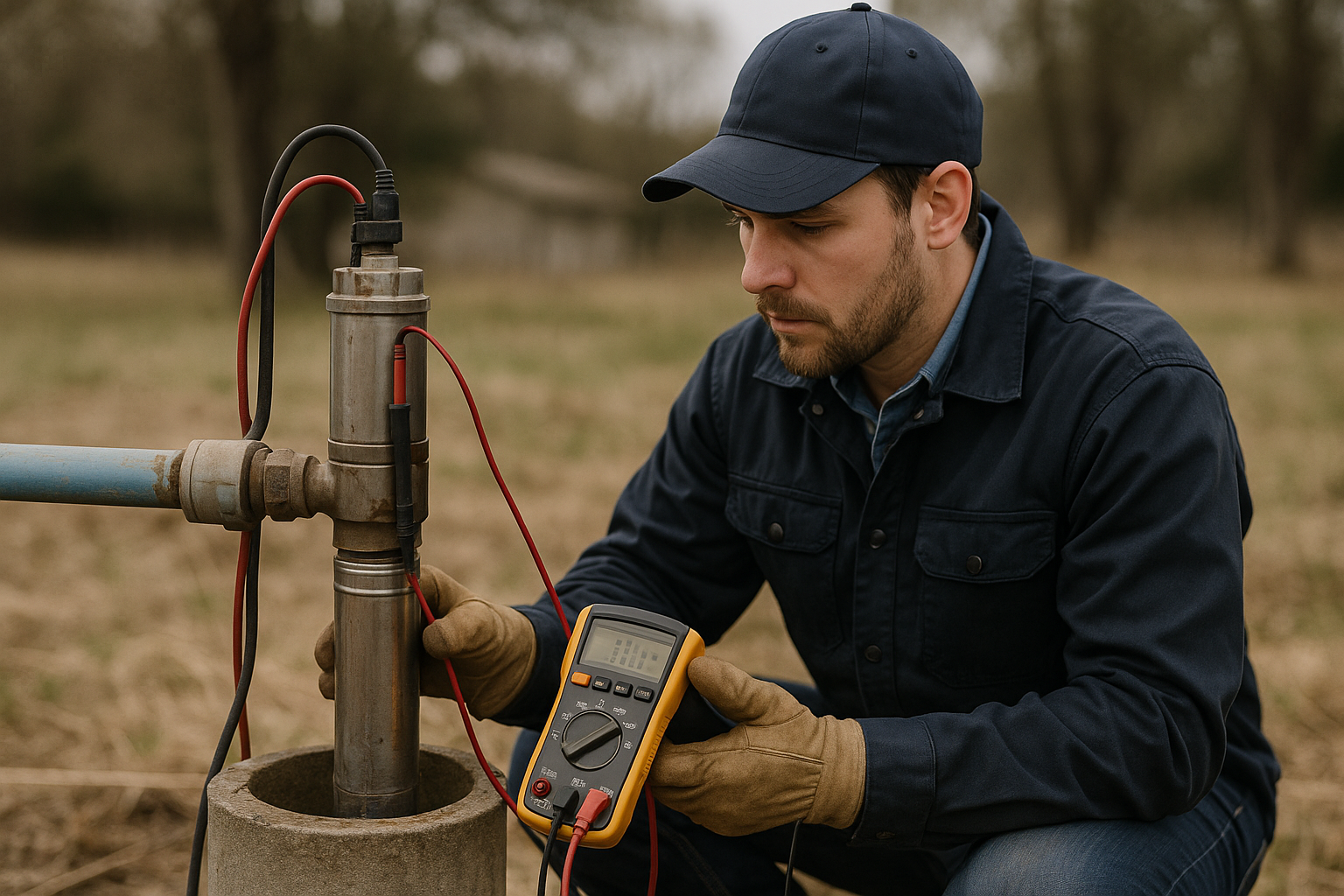
Low Water Pressure From Well: Complete Fix Guide
Diagnose and solve low pressure problems
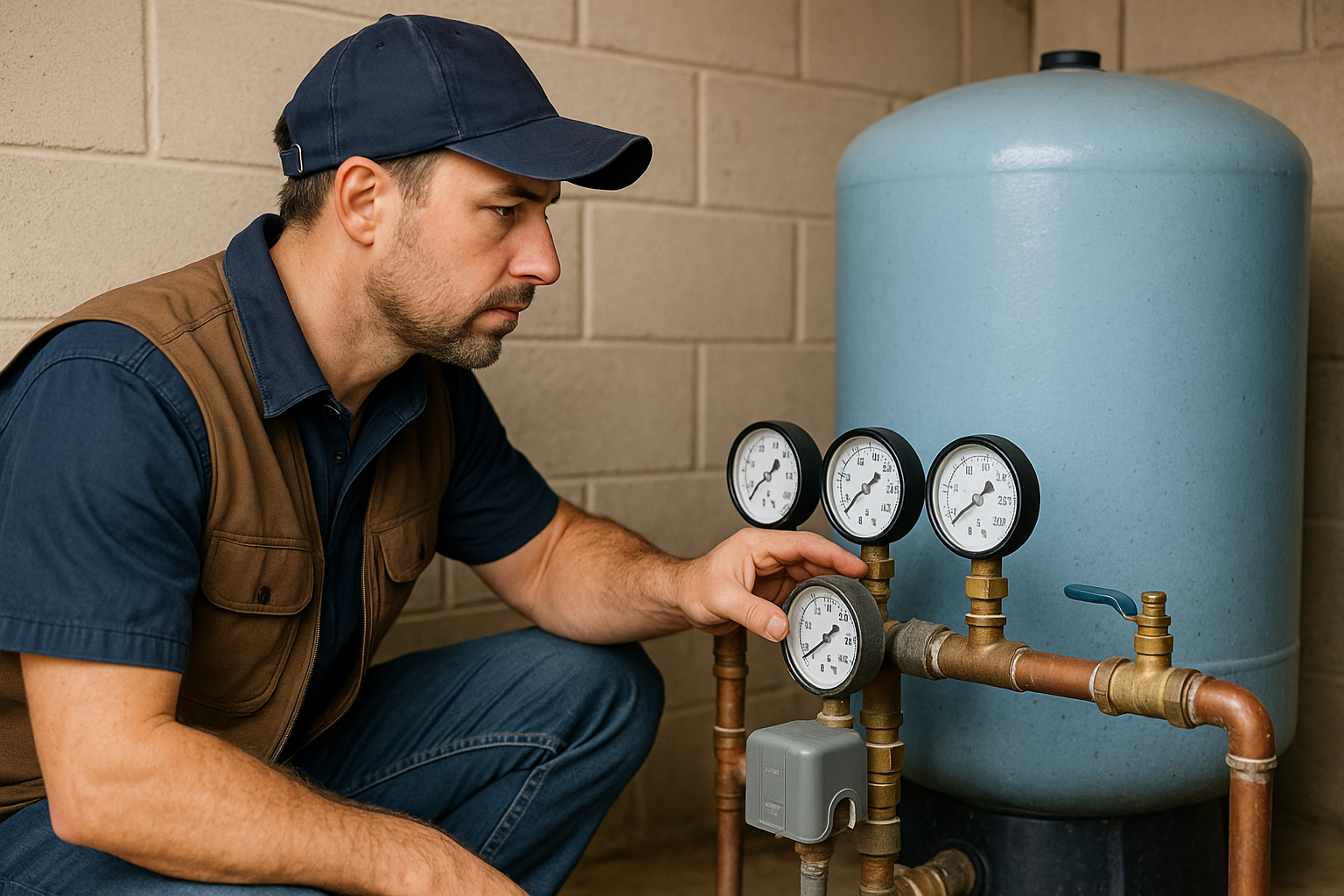
Well Pressure Switch: Settings, Adjustment & Replacement
Everything about pressure switches
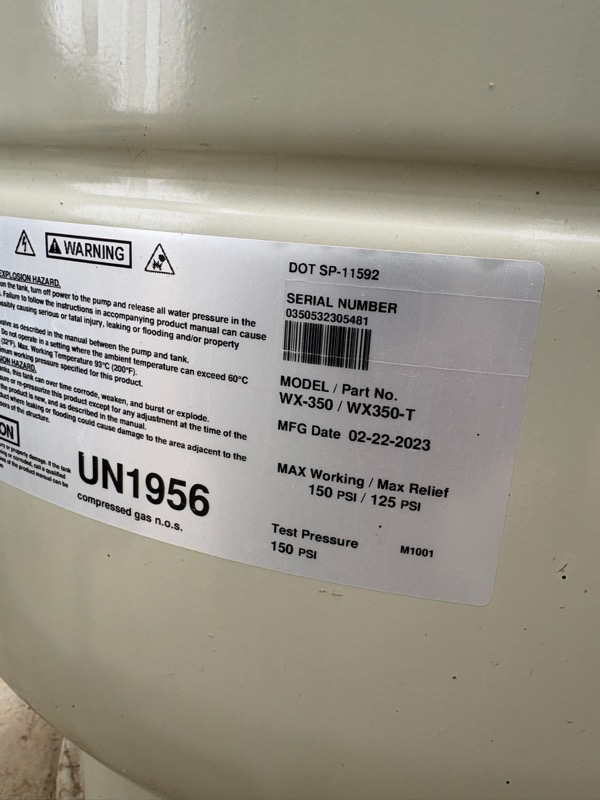
Pressure Tank Maintenance: Complete Guide
Keep your pressure tank working properly
Low Water Pressure in Pauma Valley: A Local Well Owner's Guide
If you own property in Pauma Valley, you already know this corner of northern inland San Diego County runs on well water. Tucked into the broad river valley below Palomar Mountain and threaded by the San Luis Rey River, Pauma Valley sits among the citrus and avocado groves that define this stretch of rural San Diego County. Neighboring Pala, Rincon, Valley Center, and the Pauma reservation lands share the same basic story: large rural parcels, no municipal water mains, and households that depend entirely on a private well and pressure system. When that pressure starts to fade, showers go weak, drip irrigation stutters, and washing machines take forever to fill.
Southern California Well Service has worked since 2020 working on wells exactly like the ones in Pauma Valley. We understand the valley's split personality underground: shallow alluvial aquifers in the river bottom and decomposed-granite or fractured-rock zones up on the slopes. That dual geology shapes almost every low-pressure call we answer here, and it is why a generic plumber rarely gets to the real cause. This guide walks you through how your system works, what tends to go wrong in this specific terrain, what you can safely check yourself, and what it costs to put things right.
How Your Well Water Pressure System Works
Before you can diagnose weak pressure, it helps to understand the four parts that work together every time you open a tap on a Pauma Valley property.
The Well Pump
Most valley homes use a submersible pump set down inside the well casing, often 150 to 500 feet deep depending on whether the well draws from river alluvium or deeper granite fractures. The pump pushes water up to the surface and into your home. Pumps on irrigated grove properties work harder than average because they may run for long stretches feeding both the household and acres of citrus or avocado trees.
The Pressure Tank
Water does not flow straight from the pump to your faucet on demand. Instead it fills a pressure tank, which uses a cushion of compressed air over a rubber bladder to store water under pressure. This lets you draw several gallons without the pump kicking on for every cup of water. A healthy tank is what gives you smooth, steady flow rather than a pulsing trickle.
The Pressure Switch
The pressure switch is the brain of the cycle. Most Pauma Valley systems are set to a 40/60 range, meaning the pump switches on (cut-in) when tank pressure drops to 40 PSI and shuts off (cut-out) when it climbs back to 60 PSI. If that switch drifts, corrodes, or clogs with the fine sediment common in river-valley water, your pressure band collapses and the whole system feels weak or erratic.
Well Drawdown
When the pump runs, the water level inside the casing drops. This is called drawdown. In a strong alluvial well near the river, the level recovers quickly. In a slope well tapping limited granite fractures, heavy use during peak irrigation can pull the water level down faster than it recovers, starving the pump and dropping pressure at the house. Understanding your well's drawdown behavior is central to diagnosing chronic low pressure in this valley.
Common Causes of Low Pressure in Pauma Valley
Pauma Valley's geology and agricultural water demand create a distinct set of pressure problems. After decades of service calls across the valley and the surrounding San Diego County backcountry, these are the causes we see most often.
- Sediment from river alluvium. Wells set in the sandy, gravelly alluvial deposits along the San Luis Rey River constantly draw fine sand and silt. Over time this clogs well screens, fouls foot valves, and packs into pressure tanks and filters, choking flow well before the water reaches your fixtures.
- Heavy irrigation demand. Citrus and avocado groves are thirsty. When grove irrigation and household use run at the same time, a pump sized only for domestic needs simply cannot keep up, and pressure at the house sags during watering cycles.
- Seasonal water-table decline. San Diego County's dry summers and recurring drought years lower the valley water table. Alluvial wells that flowed strongly in spring can drop into drawdown trouble by late summer, especially when groves are pulling hard on the same aquifer.
- Waterlogged or failed pressure tank. Sediment-laden water shortens bladder life. A tank that has lost its air charge causes rapid pump cycling and surging, weak pressure that comes and goes.
- Worn or undersized pump. A pump strained for years by sediment and long irrigation runs loses output. On parcels where the home sits above the wellhead, the pump also fights elevation, accelerating wear.
- Clogged pipes and filters. Long runs of buried line from a wellhead out in the grove to the house can accumulate sediment and mineral scale, narrowing the effective pipe diameter and bleeding off pressure.
What You Can Check Yourself
Before calling a professional, there are a few safe checks any Pauma Valley homeowner can make. None of these require opening the well or touching wiring.
- Read the pressure gauge. Find the gauge near your pressure tank and watch it through a full cycle. It should swing roughly between 40 and 60 PSI. If it sits low, never reaches cut-out, or jumps erratically, note what you see.
- Check whether the problem is whole-house or one fixture. If only one faucet or showerhead is weak, the issue is likely a clogged aerator or fixture screen full of valley sediment, an easy clean or swap. If every tap is weak, the problem is in the well, pump, or tank.
- Tap the pressure tank. Knock on the side of the tank. A healthy tank sounds hollow up top and solid at the bottom. If it sounds full of water all the way up, it may be waterlogged.
- Clean sediment filters. If you have a whole-house sediment filter, check the cartridge. In river-valley wells these clog fast, and a packed filter alone can cripple pressure.
- Note timing. Does pressure drop only when irrigation runs, or only in late summer? That pattern points toward demand or drawdown rather than equipment failure, and it helps us diagnose faster.
When to Call a Professional
Some symptoms mean it is time to stop troubleshooting and call a licensed well contractor. Reach Southern California Well Service at (760) 440-8520 if you experience any of the following.
- No water or a severe pressure drop. This can signal pump failure or a water table that has fallen below the pump intake, both urgent on a property with livestock or groves.
- Pump that runs constantly or short-cycles. Nonstop running or rapid clicking on and off points to a failed pressure tank, a leak, or a pressure switch problem, and it risks burning out the pump.
- Sandy, cloudy, or discolored water. A sudden increase in sediment suggests a damaged well screen or shifting conditions in the alluvial aquifer that need professional assessment.
- Grinding or surging noises. Unusual sounds from the pump or tank often mean mechanical wear or air entering the lines from a low-yielding well.
- Pressure that stays weak after basic checks. If cleaning filters and reading the gauge have not helped, the cause is deeper in the system and needs proper diagnostic equipment.
- Planning to expand irrigation. Before adding grove acreage or new demand, have us confirm your well and pump can sustain pressure under the heavier load.
When you call, we begin with a thorough diagnostic backed by a $125 diagnostic fee that is credited toward any repair we perform. We test pressure, measure well yield and drawdown, inspect the pump and tank, and check water quality for the sediment and minerals typical of valley groundwater, then give you a clear written quote before any work starts.
Realistic Cost Ranges in Pauma Valley
Every well is different, but these are the typical installed price ranges for the repairs and upgrades we perform most often on Pauma Valley properties. Final pricing depends on well depth, parcel layout, and site conditions.
- Pressure switch replacement: $150 to $350. Often the fix when pressure is erratic or the pump will not cycle correctly.
- Pressure tank replacement: $600 to $1,500. Restores steady flow when a tank is waterlogged or its bladder has failed.
- Pump replacement: $2,500 to $5,500. For a worn or undersized pump, including a higher-capacity unit suited to grove irrigation demand.
- Sediment filtration: $300 to $900. Critical in river-alluvium wells to protect pumps, tanks, and fixtures from sand and silt.
- Iron/manganese filter or water softener: $1,500 to $3,500. Addresses mineral content that scales pipes and stains fixtures.
- Constant-pressure or booster system: $2,000 to $4,500. Holds steady PSI despite high demand or elevation, ideal for properties balancing household and grove use.
- New well, turnkey: $18,000 to $42,000. When an old well can no longer keep up, a new drilled well restores reliable supply.
- Well abandonment or decommissioning: $1,500 to $5,000. Proper sealing of an unused well to county standards.
Serving Pauma Valley and the Surrounding Communities
From our offices in Ramona at 1077 Main St, Ramona, CA 92065 and in Anza at 57174 CA-371 (US Hwy 79), Anza, CA 92539, we are well positioned to reach Pauma Valley quickly, often with same-day service for emergencies. We regularly work throughout this part of northern inland San Diego County, including Pala, Rincon, Valley Center, and the groves and ranches along the San Luis Rey River. Because we live and work in this terrain, our technicians recognize valley well patterns on sight, which means faster diagnosis and the right repair the first time. As a licensed C-57 well contractor with, we bring specialized well expertise that goes well beyond general plumbing.
Frequently Asked Questions
Why does my Pauma Valley water pressure drop in late summer?
Late-summer pressure loss is usually tied to the seasonal decline of the water table. As dry months and grove irrigation pull on the same alluvial aquifer, the water level in your well can drop toward the pump intake, reducing how much water the pump can deliver. We can measure your drawdown and recommend solutions ranging from pump adjustment to a constant-pressure system.
My water has gotten sandy. Is that a well problem?
Often, yes. Wells set in the sandy alluvium near the San Luis Rey River naturally draw fine sediment, and a sudden increase can mean a worn or damaged well screen. Beyond being unpleasant, that sand wears out pumps and clogs tanks and fixtures. A sediment filtration system plus a screen inspection usually resolves it.
Can one pump handle both my house and my avocado grove?
It depends on your well's yield and the pump's capacity. Many low-pressure complaints in the valley come from a domestic-sized pump being asked to feed irrigation it was never sized for. We test well yield first, then recommend either a properly sized pump or a separate irrigation arrangement so household pressure stays strong during watering.
What pressure should my system run at?
Most Pauma Valley homes run a 40/60 pressure switch, so you should see the gauge cycle between about 40 and 60 PSI. If it never reaches 60, sits below 40, or swings wildly, something in the pump, tank, or switch needs attention.
How deep are wells in Pauma Valley?
It varies with location. Wells in the river bottom drawing from alluvium can be relatively shallow, while wells up on the granite slopes are often drilled deeper to reach reliable fractures. Typical depths in the area run roughly 150 to 500 feet. Knowing your well's depth and source helps us diagnose pressure issues accurately.
Do you offer emergency service in Pauma Valley?
Yes. We provide same-day emergency service for no-water and severe pressure-loss situations, which matters a great deal on rural parcels with livestock or groves. Call us and we will prioritize getting your water flowing again.
Restore Strong, Reliable Pressure Today
Low water pressure on a Pauma Valley well is almost always solvable once the real cause is identified, whether that is sediment from the river alluvium, a tired pump straining against irrigation demand, or a seasonal drawdown problem. Do not let weak pressure disrupt your home or your groves. Call Southern California Well Service at (760) 440-8520 or text us at (760) 219-5877 for a free estimate or same-day emergency service. Founded in 2020, with 60+ years of family heritage, a $125 diagnostic credited toward your repair, we are ready to get your Pauma Valley well delivering strong, steady water again.