
Low Water Pressure Solutions in Pine Valley
Dealing with weak water pressure in Pine Valley? Low water pressure can make showers frustrating and appliances ineffective. Our team diagnoses the root cause and restores your water pressure fast.
📋 In This Guide
Need Low Water Pressure Solutions in Pine Valley?
We serve Pine Valley and all of San Diego County. Licensed C-57 contractor (CSLB #1086994), founded 2020.
Call: (760) 440-8520Our Low Water Pressure Solutions Services
- Pressure tank repair and replacement
- Pressure switch adjustment
- Pump upgrades for better pressure
- Constant pressure systems
- Booster pump installation
- Clogged pipe diagnosis
- Well yield testing
- Complete system evaluation
Why Pine Valley Chooses SCWS
✓ Local Expertise
We know San Diego County geology and wells
✓ Fast Response
Same-day service for Pine Valley
✓ Fair Pricing
Honest quotes, no surprises
✓ Quality Work
CSLB #1086994 · founded 2020
Our Locations
Related Articles
Continue learning about well maintenance and troubleshooting
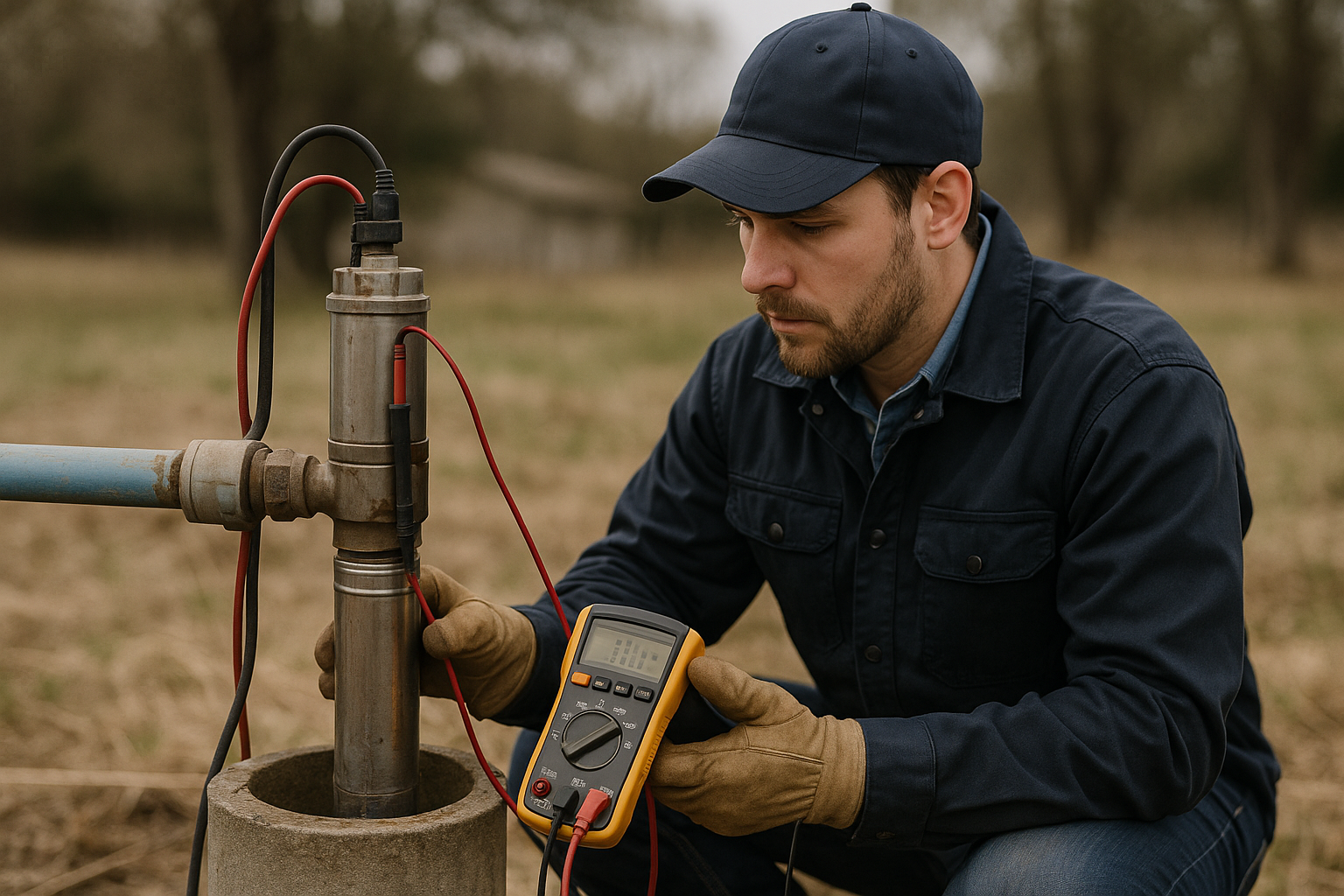
Low Water Pressure From Well: Complete Fix Guide
Diagnose and solve low pressure problems
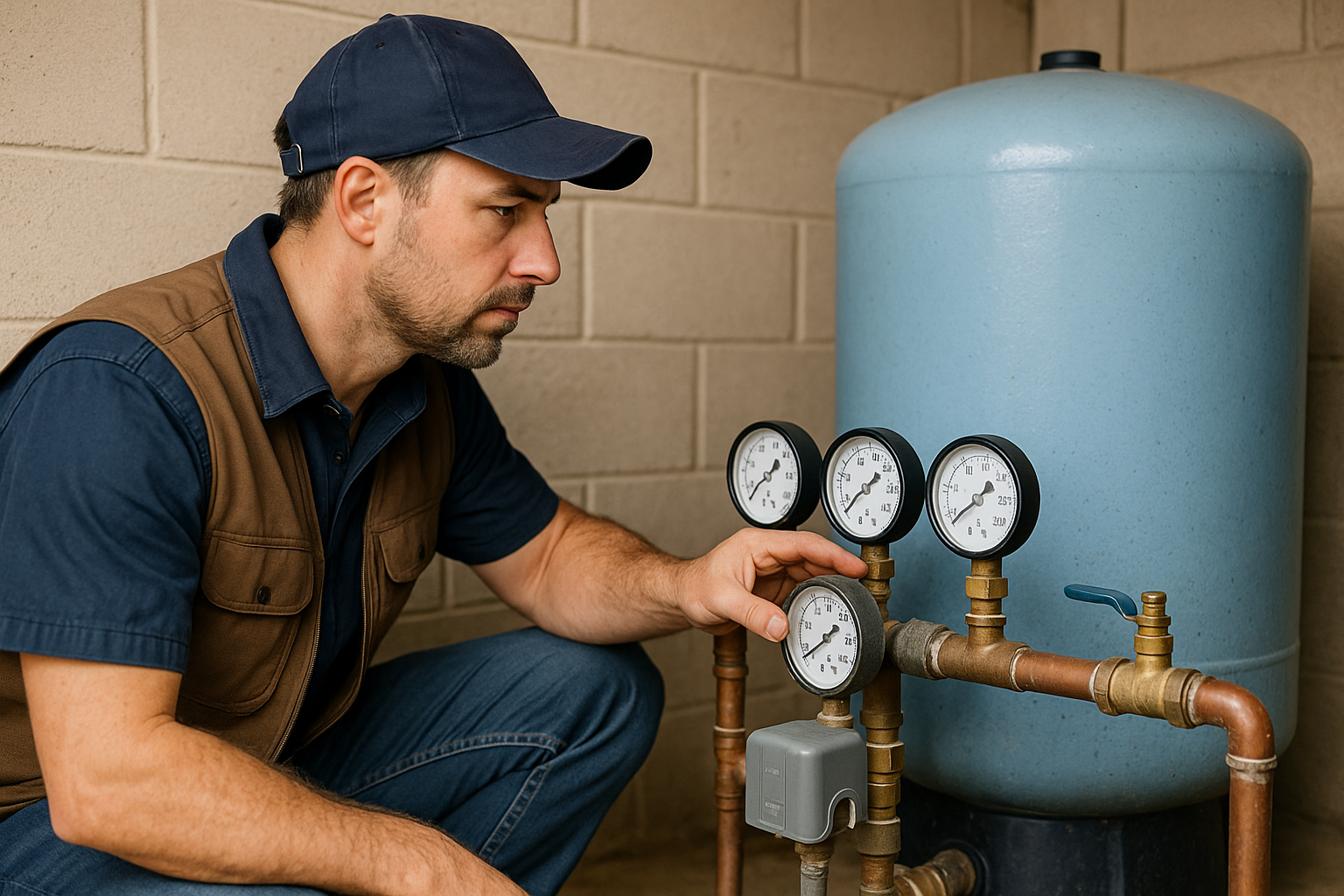
Well Pressure Switch: Settings, Adjustment & Replacement
Everything about pressure switches
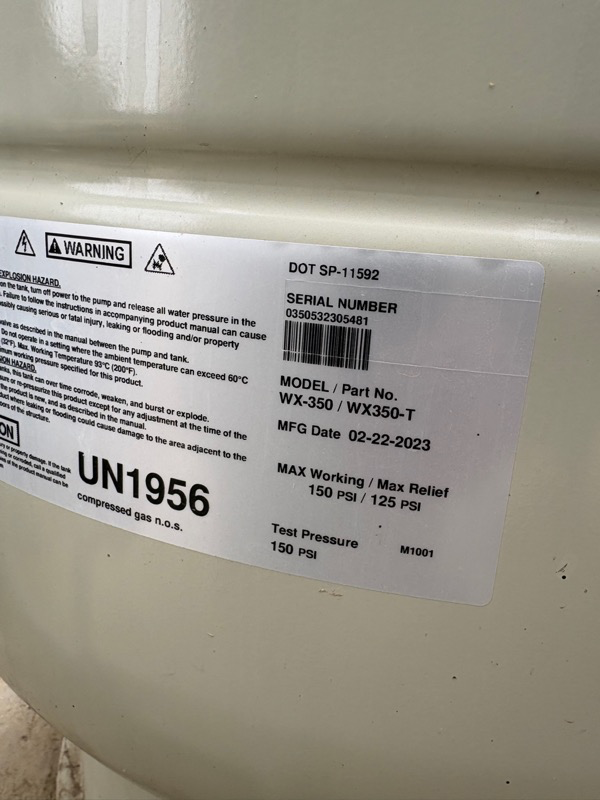
Pressure Tank Maintenance: Complete Guide
Keep your pressure tank working properly
Solving Low Water Pressure on Pine Valley Mountain Wells
Pine Valley sits high in the mountains of eastern San Diego County, strung along the Interstate 8 corridor at roughly 3,700 feet of elevation inside the Cleveland National Forest country. If you own a home here, or in nearby Guatay, Descanso, Alpine, or Campo, your water comes out of the granite beneath your feet rather than a city pipeline. That granite is the heart of both the area's rugged beauty and its toughest well challenge. When water pressure fades on a Pine Valley property, the culprit is frequently tied to the fractured bedrock that mountain wells depend on for every gallon.
Southern California Well Service has spent since 2020 working on exactly these kinds of fractured-rock mountain wells across San Diego County. We know how Pine Valley wells behave through the seasons, why their yield can be unpredictable, and what it takes to coax reliable pressure out of crystalline bedrock. This guide explains how your pressure system works, the low-pressure causes specific to this high-country terrain, the checks you can safely make on your own, and the realistic cost of fixing each problem.
How Your Well Water Pressure System Works
Strong, steady pressure on a mountain well comes from four components working in sequence. Knowing what each one does makes it far easier to understand where weak pressure is coming from.
The Well Pump
Pine Valley wells are typically deep, often drilled 200 to 600 feet to reach productive fractures in the granite, and most use a submersible pump set near the bottom of the casing. The pump lifts water all the way up the borehole and into your home's system. At this elevation and depth, the pump has real work to do, and any drop in the water level it draws from shows up quickly as weak pressure at the tap.
The Pressure Tank
Your pressure tank stores water under pressure using a sealed air charge above a bladder, so the pump does not have to fire every time you run water. The tank is what delivers smooth flow between pump cycles. In Pine Valley's cold, mineral-rich conditions, tanks face two enemies: scale buildup inside from hard water, and a slowly bleeding air charge that leaves the tank waterlogged.
The Pressure Switch
The pressure switch tells the pump when to run. The standard setup is a 40/60 switch: the pump cuts in at 40 PSI as you draw the tank down, and cuts out at 60 PSI once it has refilled. If the switch contacts corrode or the setting drifts, your usable pressure band shrinks and the whole house feels underpowered or surges unpredictably.
Well Drawdown
Drawdown is the drop in water level inside the casing while the pump runs. This is the single most important concept for a fractured-rock well. Granite does not hold water in a big open aquifer; it stores it in cracks and fissures. A low-yield fracture well can be drawn down fast, dropping the water level below the pump intake during a long shower or laundry run, which causes the pressure to collapse until the fractures slowly recharge. Matching your water use to how quickly your well recovers is often the key to consistent pressure up here.
Common Causes of Low Pressure in Pine Valley
The decomposed-granite and fractured-bedrock geology that surrounds Pine Valley drives most of the low-pressure problems we diagnose in the area. These are the causes we encounter most often on mountain wells.
- Low-yield fractured-granite wells. Unlike a sand-and-gravel aquifer, crystalline bedrock yields water only through its cracks. Many Pine Valley wells produce just a few gallons per minute, so any extra demand quickly outpaces what the fractures can supply, and pressure sags.
- Drawdown during normal use. Because the available water is limited, running two fixtures at once or a long irrigation cycle can pull the water level below the pump intake. Pressure plummets, then slowly returns as the bedrock recharges.
- Seasonal recharge swings. Southern California's dry summers and recurring droughts lower the regional water table. A Pine Valley well that runs fine in spring after winter rains can struggle by late summer when the fractures have not been replenished.
- Hard-water scale. Granite groundwater is rich in calcium and magnesium. That hard water scales pump impellers, narrows pipes, and coats the inside of pressure tanks, steadily strangling flow over the years.
- Pressure tank failure. A waterlogged or scaled tank causes short cycling and inconsistent pressure, and the harsh mountain temperature swings add wear to exposed tank components.
- Worn pumps and electrical issues. Deep mountain wells are hard on pumps, and the remote stretch of the I-8 corridor sees power fluctuations that can leave a pump underperforming, directly cutting pressure.
What You Can Check Yourself
A few safe checks can help you understand your low-pressure problem before a technician arrives. None involve opening the well or handling wiring.
- Watch the pressure gauge. Locate the gauge at your pressure tank and observe a full cycle. On a 40/60 system the needle should travel between roughly 40 and 60 PSI. If it never reaches 60, or drops and stays low while water runs, that points toward a drawdown or pump-supply issue.
- Test one fixture versus the whole house. If only one tap is weak, suspect a scaled aerator or fixture screen, common with hard mountain water and easy to clean. If every fixture is weak, the problem is upstream in the well, pump, or tank.
- Time how long pressure lasts. Run water steadily and note whether pressure holds or fades after a few minutes. Pressure that fades during sustained use is a classic sign of a low-yield well being drawn down faster than it recovers.
- Listen to the pump cycle. Rapid on-off clicking suggests a waterlogged tank or a switch problem. A pump that runs and runs without building pressure may be fighting a dropped water level.
- Check for hard-water signs. White scale on fixtures, reduced flow that worsens over time, and crusty buildup around fittings all point toward mineral scaling that can be quietly choking your system.
When to Call a Professional
Certain symptoms call for a licensed well contractor rather than further do-it-yourself effort. Contact Southern California Well Service at (760) 440-8520 if you notice any of these.
- No water or barely a trickle. This can mean a failed pump or a water table that has dropped below the pump intake, both critical in a remote mountain community where you cannot fall back on a city main.
- Pump running constantly. Nonstop operation usually signals a pressure tank failure, a leak, or a well that cannot keep up with demand, and it puts the pump at risk of burnout.
- Grinding, rattling, or surging noises. These often mean mineral damage to the pump or air entering the lines from a low-yielding fracture well.
- Visible leaks or wet spots. Damp ground near the wellhead or along buried lines can indicate a casing breach or a line break, a real concern where ground shifts in mountainous terrain.
- Sudden water-quality changes. New staining, cloudiness, or odor may reflect changes in the fractures feeding your well and should be tested promptly.
- Pressure that stays weak after basic checks. If cleaning fixtures and reading the gauge have not helped, the cause is deeper and needs professional diagnostics.
When you call, we run a complete diagnostic backed by a $125 diagnostic fee that we credit toward any repair. We measure pressure, evaluate well yield and drawdown, inspect the pump and tank, and test the water for the hardness and scale typical of granite groundwater, then provide a transparent written quote before any work begins.
Realistic Cost Ranges in Pine Valley
Every mountain well is unique, but these are the typical installed price ranges for the work we perform most often on Pine Valley properties. Final cost depends on well depth, yield, access, and site conditions.
- Pressure switch replacement: $150 to $350. A common fix when pressure is erratic or the pump will not cycle properly.
- Pressure tank replacement: $600 to $1,500. Restores steady pressure when a tank is waterlogged or scaled.
- Pump replacement: $2,500 to $5,500. For a worn or undersized pump, including a unit better matched to a deep mountain well.
- Sediment filtration: $300 to $900. Handles decomposed-granite grit that clogs pipes and filters.
- Iron/manganese filter or water softener: $1,500 to $3,500. Tames the hard, mineral-heavy granite groundwater that scales the whole system.
- Constant-pressure or booster system: $2,000 to $4,500. Holds steady PSI despite the fluctuating supply of a fractured aquifer or a long uphill run to the house.
- Hydrofracturing (hydrofracking): $3,000 to $8,000. A specialized treatment that uses high-pressure water to open and clear fractures in the bedrock, often dramatically improving the yield of a low-producing granite well, one of the most effective options for Pine Valley's fractured-rock wells.
- New well, turnkey: $18,000 to $42,000. When an existing well can no longer produce, a new drilled well restores reliable supply.
- Well abandonment or decommissioning: $1,500 to $5,000. Proper sealing of an unused well to county standards.
Serving Pine Valley and the Surrounding Mountain Communities
From our offices in Ramona at 1077 Main St, Ramona, CA 92065 and in Anza at 57174 CA-371 (US Hwy 79), Anza, CA 92539, we are positioned to reach Pine Valley faster than most providers based off the mountain, often with same-day emergency response. We routinely service wells throughout the eastern San Diego County high country, including Guatay, Descanso, Alpine, and Campo. Because we work in fractured-rock terrain every week, our technicians understand how decomposed granite and crystalline bedrock behave, which means quicker diagnosis and the right recommendation the first time. As a licensed C-57 well contractor with, we offer specialized well expertise, including hydrofracturing for low-yield bedrock wells, that goes far beyond standard plumbing.
Frequently Asked Questions
Why does my Pine Valley pressure fade during a long shower?
That is the signature of a low-yield fractured-granite well being drawn down. Your well's cracks supply only so many gallons per minute, so sustained use pulls the water level toward the pump intake and pressure drops until the bedrock recharges. We can measure your yield and drawdown and recommend storage, pump, or hydrofracturing solutions to fix it.
What is hydrofracturing and would it help my well?
Hydrofracturing, or hydrofracking, injects water at high pressure into your well to widen existing fractures and open new ones in the surrounding granite. For a low-producing Pine Valley bedrock well, it can substantially increase yield and restore reliable pressure, often at a fraction of the cost of drilling a new well. It is one of the most useful tools we have for mountain fractured-rock wells.
Why is my Pine Valley water so hard?
The granite and crystalline rock that holds your water is rich in calcium and magnesium, which dissolve into the groundwater and make it hard. Beyond spotty dishes, that hardness scales pumps, pipes, and pressure tanks, slowly reducing flow. A softener or descaling system protects your equipment and keeps pressure up.
What pressure should my system run at?
Most Pine Valley homes use a 40/60 pressure switch, so the gauge should cycle between about 40 and 60 PSI. If it never reaches 60, sits below 40, or surges erratically, the pump, tank, or switch needs attention.
How deep are wells in Pine Valley?
Mountain wells here are usually drilled deep to reach productive fractures, commonly 200 to 600 feet. Depth alone does not guarantee good yield, though, because output depends on how many water-bearing cracks the borehole intersects. That is why drawdown testing matters more than depth for diagnosing pressure problems.
Do you provide emergency service this high in the mountains?
Yes. We offer same-day emergency service to Pine Valley and the surrounding communities for no-water and severe pressure-loss situations, which is critical where there is no municipal backup. Call us and we will prioritize restoring your supply.
Get Your Mountain Well Flowing Strong Again
Low water pressure on a Pine Valley well usually traces back to the fractured granite your water comes from, whether that means a low-yield well being drawn down, seasonal recharge falling short, or hard-water scale strangling your equipment. The good news is that nearly all of it is fixable, from a simple pressure switch up to hydrofracturing that revives a tired bedrock well. Do not let weak pressure disrupt your mountain home. Call Southern California Well Service at (760) 440-8520 or text us at (760) 219-5877 for a free estimate or same-day service. Founded in 2020, with 60+ years of family heritage, a $125 diagnostic credited toward your repair, we are ready to keep your Pine Valley water flowing strong.