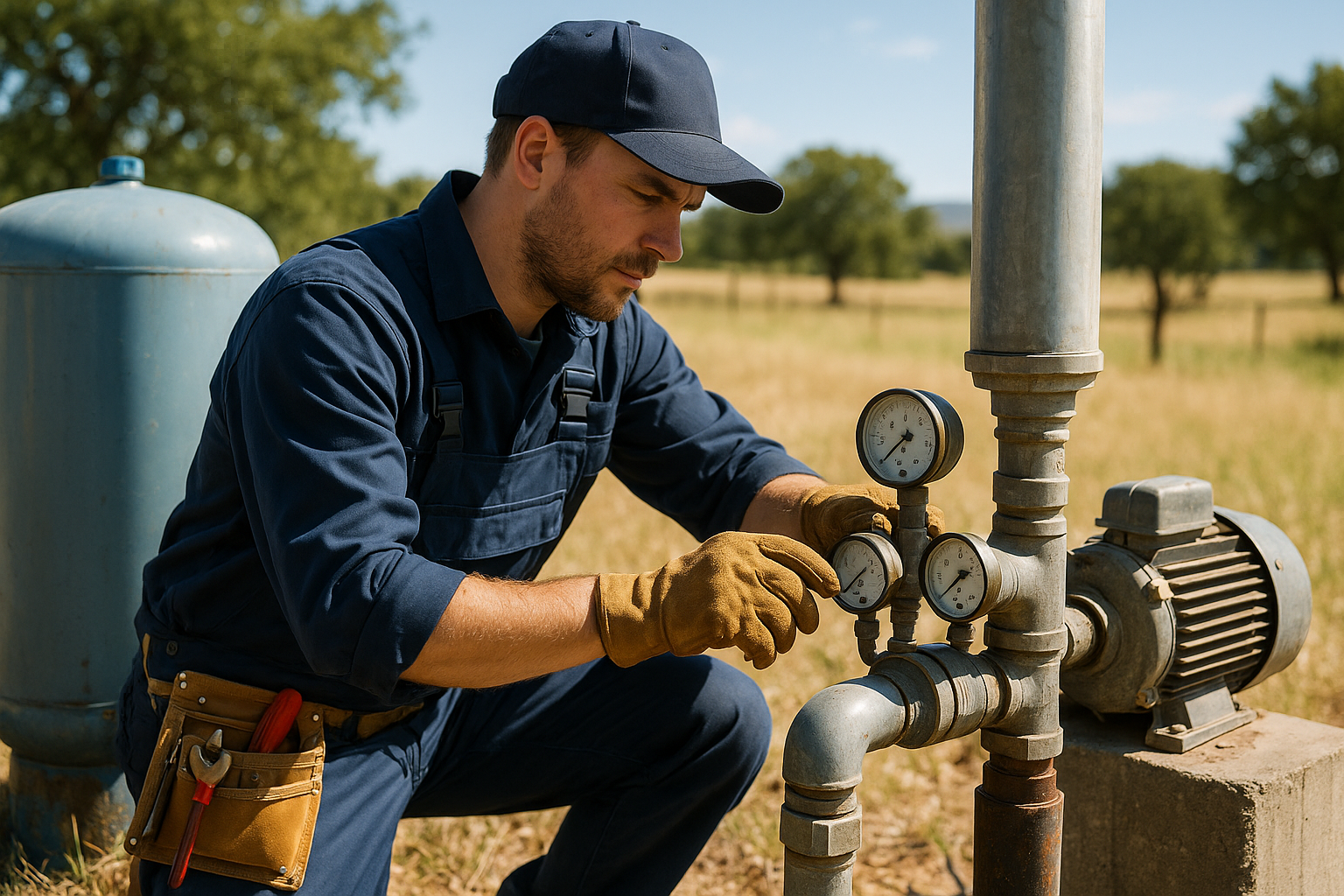
San Diego County's mountain communities — Julian, Palomar Mountain, Mount Laguna, Pine Valley, and Cuyamaca — present unique challenges for well owners. Granite geology, freezing temperatures, and remote locations require specialized knowledge and equipment.
At Southern California Well Service, we've been drilling and servicing mountain wells for over two decades. Here's what property owners in these areas need to know.
Mountain Well Specialists
We have the equipment and experience for high-elevation drilling and service. From Julian to Palomar, we know these mountains.
📞 Call (760) 440-8520
Request ConsultationMountain Communities We Serve
- Julian — 4,200 ft elevation, historic gold mining area
- Palomar Mountain — 5,500 ft elevation, heavily forested
- Mount Laguna — 6,000 ft elevation, alpine conditions
- Pine Valley — 3,900 ft elevation, I-8 corridor
- Cuyamaca — 4,500 ft elevation, state park area
- Descanso — 3,600 ft elevation, transition zone
Geology: Drilling in Granite
San Diego's mountains are primarily Peninsular Range batholith — massive granite formations that present specific drilling challenges:
Fractured Rock Aquifers
Unlike valley wells that tap into sand/gravel aquifers, mountain wells depend on fracture zones in the granite:
- Water flows through cracks and fractures in otherwise solid rock
- Yield is unpredictable — depends on hitting good fracture systems
- Neighboring properties can have vastly different results
- Some areas have extensive fracturing; others are "tight"
Drilling Method
Mountain drilling typically uses air rotary methods:
- Compressed air blows cuttings out of the hole
- Can see water production in real-time
- Effective in hard rock formations
- Slower than mud rotary but necessary for granite
Typical Depths
| Area | Typical Depth Range | Average |
|---|---|---|
| Julian | 200-500 feet | 350 feet |
| Palomar Mountain | 250-600 feet | 400 feet |
| Mount Laguna | 300-700 feet | 450 feet |
| Pine Valley | 200-450 feet | 300 feet |
Expected Yields
Mountain well yields are typically lower than valley wells:
- Good yield: 10-20 GPM (excellent for mountain conditions)
- Adequate: 5-10 GPM (typical, workable with storage)
- Marginal: 2-5 GPM (needs storage tank system)
- Poor: Under 2 GPM (may need to drill deeper or relocate)
Freeze Protection: Critical for Mountain Wells
Unlike coastal San Diego, mountain areas regularly experience freezing temperatures:
What Freezes
- Pressure tanks: If in unheated space
- Above-ground pipes: Supply lines, hose bibs
- Wellhead: Exposed fittings and gauges
- Treatment equipment: Filters, softeners in garages
The well water itself doesn't freeze — underground temperatures stay above freezing. The problem is above-ground components.
Protection Methods
Insulated Well House
- Encloses pressure tank and equipment
- May include small heater for extreme cold
- Cost: $500-$2,000 depending on size
Heat Tape
- Electric heating cable wrapped on pipes
- Thermostatically controlled
- Essential for exposed pipes
- Cost: $50-$200 per run
Pipe Insulation
- Foam or fiberglass wrap
- Used with heat tape, not instead of
- UV-resistant for outdoor use
Frost-Free Hydrants
- Valve is below frost line
- Drains when turned off
- Essential for outdoor water access
- Cost: $150-$400 installed
Pitless Adapters
- Allows pipe to exit well below frost line
- No above-ground exposure at wellhead
- Standard in cold climates
Access Challenges
Mountain drilling requires getting heavy equipment to remote locations:
Road Considerations
- Drill rig weight: 40,000-60,000 lbs
- Road width needed: 10-12 feet minimum
- Grade limitations: Most rigs handle 15-20% grades
- Turnaround space: Needed at drill site
Site Preparation
- Clear trees/brush from drill site (20x30 ft minimum)
- Level pad for rig stability
- Water source for drilling (we bring water truck if needed)
- Power for support equipment (generator usually provided)
Seasonal Timing
Best drilling season for mountains: April through November
- Winter snow/ice makes access difficult
- Frozen ground complicates surface work
- Spring can be muddy (wait for roads to dry)
- Fall is often ideal — dry roads, mild weather
Cost Factors for Mountain Wells
Expect 10-30% higher costs than valley drilling:
| Component | Valley Cost | Mountain Cost |
|---|---|---|
| Drilling (per foot) | $40-$60 | $50-$80 |
| Average well depth | 250 feet | 400 feet |
| Pump system | $3,000-$5,000 | $4,000-$6,000 |
| Freeze protection | $0 | $500-$2,000 |
| Total typical | $20,000-$35,000 | $30,000-$55,000 |
Water Quality in Mountain Wells
Mountain groundwater is generally excellent quality:
Typical Characteristics
- Low TDS: Often 100-300 ppm (very fresh)
- Low hardness: Granite doesn't add much calcium/magnesium
- Neutral pH: Usually 6.5-7.5
- Low iron: Less common than valley areas
Potential Issues
- Radon: Granite can contain radon — test if concerned
- Uranium: Natural in some granite — rare but worth testing
- Bacteria: After heavy rain or snowmelt — test annually
Emergency Service in Mountains
Mountain locations create service challenges:
- Response time: Allow extra time for travel
- Winter access: May need to wait for road clearing
- Keep backup water: Especially important in remote areas
- Generator: Strongly recommended for pump operation during power outages
Mountain Property Well Service
From Julian to Palomar Mountain, we've drilled and serviced wells throughout San Diego's mountain communities. We understand the terrain, the geology, and the special requirements.
- ✅ Air rotary drilling for granite
- ✅ Freeze protection systems
- ✅ Equipment for difficult access
- ✅ Year-round emergency service
📞 Call (760) 440-8520
Request Consultation