By SCWS Team
February 9, 2026 · 14 min read
Negotiating Home Price When Well Problems Are Discovered (2026 Guide)
📋 In This Guide
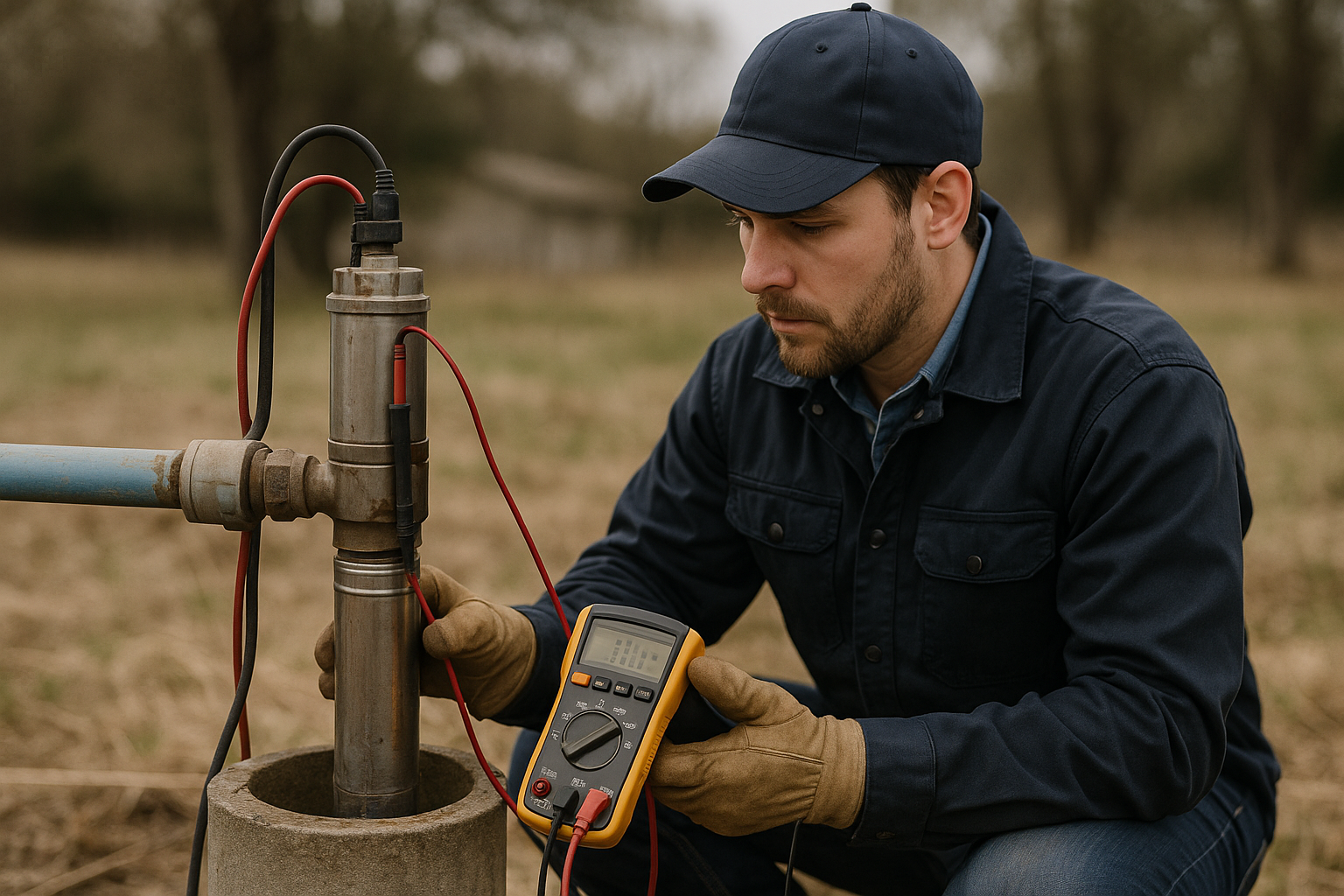
The well inspection just came back, and there are problems. Maybe the water quality failed, the pump is on its last legs, or the flow rate is concerning. Now what? Understanding what issues cost to fix—and how to negotiate effectively—can save you thousands of dollars or help you avoid a property that's not worth the trouble.
Well problems discovered during inspection are actually common in Southern California real estate transactions. The key is knowing which issues are minor, which are serious, and how to leverage this information to negotiate a fair price. This guide gives you the strategies and cost data you need to negotiate confidently.
Understanding Your Negotiating Position
Before diving into specific issues and costs, understand the dynamics at play. Your leverage in negotiation depends on several factors.
Your Advantages as a Buyer
- You found it first: If you walk away, the next buyer will likely discover the same issues
- Disclosure requirements: In California, sellers must now disclose known defects—the seller can't just "unknow" what your inspection revealed
- Lender requirements: FHA/VA loans require certain well standards; problems may limit the buyer pool
- Time pressure: Sellers typically want to close; starting over with a new buyer is costly
- Documentation: You have professional inspection reports quantifying the problems
Factors That Weaken Your Position
- Hot market: In a seller's market, they may have backup offers
- Cash buyers: Investors may not require well inspections
- Below-market price: If the property was already priced accounting for well concerns
- "As-is" contracts: Some contracts limit your negotiating options (though you can still walk away)
Common Well Problems and Repair Costs
Knowing what repairs actually cost in Southern California gives you the data needed for informed negotiation. Here's what to expect for common issues.
Water Quality Issues
Water Quality Problem Costs
| Problem | Solution | Cost Range |
|---|---|---|
| Bacterial contamination | Shock chlorination | $200-$500 |
| Persistent bacteria | UV treatment system | $1,500-$3,000 |
| High nitrates | Reverse osmosis system | $1,500-$4,000 |
| Arsenic | Whole-house treatment | $3,000-$8,000 |
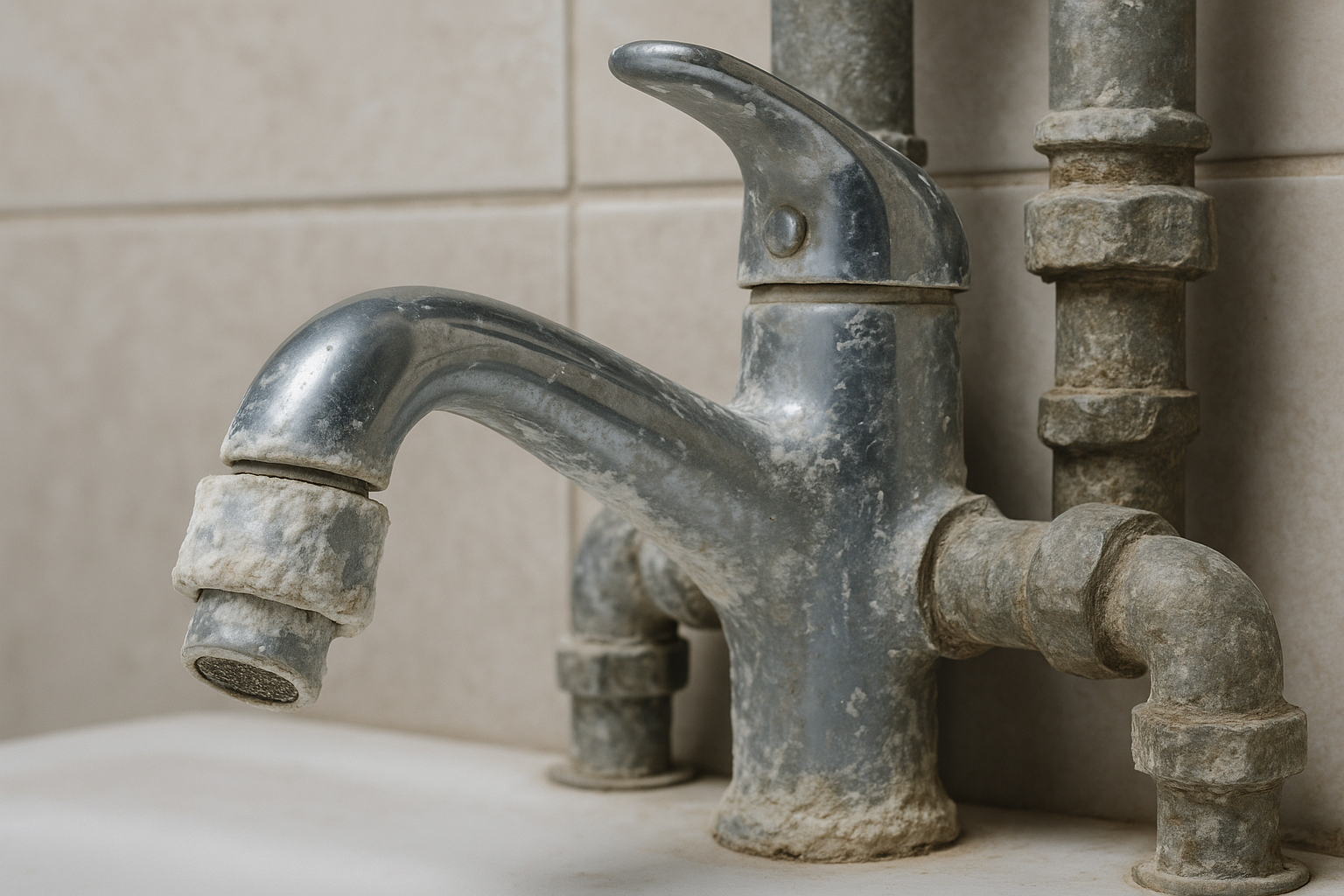
| Hard water | Water softener | $1,500-$4,000 |
| High iron/manganese | Iron filter system | $2,000-$5,000 |
| Sulfur smell | Aeration + filtration | $2,500-$6,000 |
Equipment Issues
Equipment Replacement Costs
| Issue | Solution | Cost Range |
|---|---|---|
| Aging pump (10-15+ years) | Pump replacement | $1,500-$4,000 (shallow) $3,000-$8,000 (deep) |
| Failed pump | Emergency replacement | $2,000-$6,000+ |
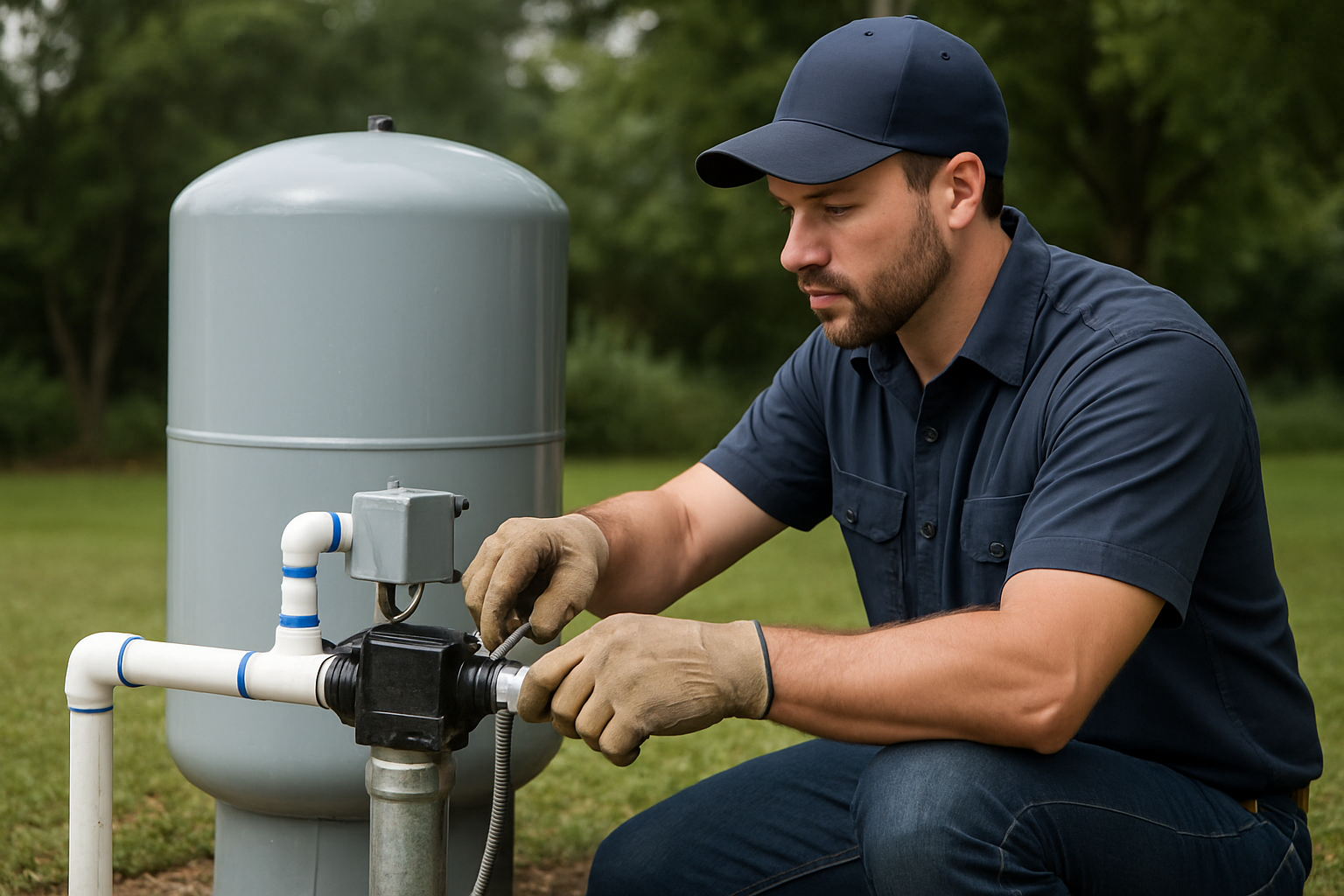
| Waterlogged pressure tank | Tank replacement | $800-$2,500 |
| Faulty pressure switch | Switch replacement | $150-$400 |
| Control box issues | Control box replacement | $200-$600 |
| Damaged wellhead/cap | Wellhead repair | $300-$1,000 |
Major Well Issues
Major Problem Costs
| Issue | Solution | Cost Range |
|---|---|---|
| Low yield (1-3 GPM) | Storage tank system | $5,000-$15,000 |
| Low yield (under 1 GPM) | Hydrofracturing or new well | $8,000-$50,000+ |
| Damaged casing | Casing repair/liner | $5,000-$15,000 |
| Sand in water | Screen repair + filtration | $3,000-$10,000 |
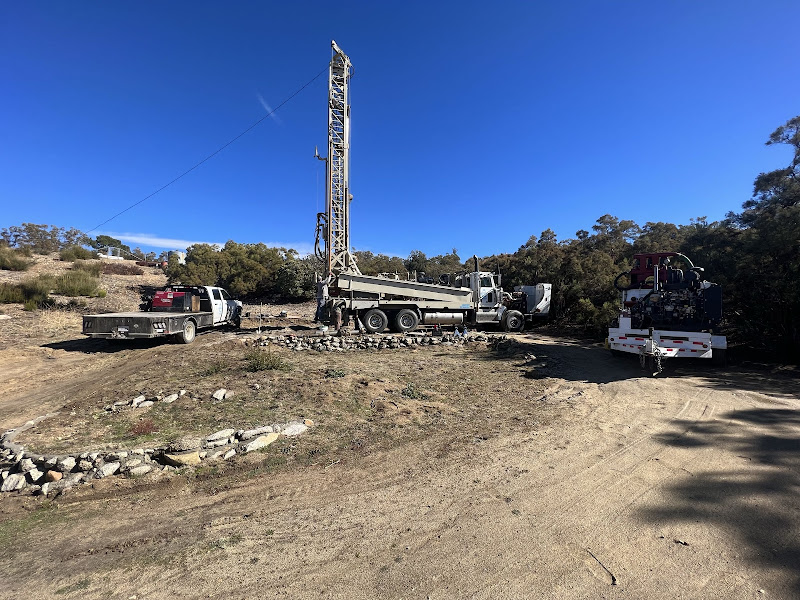
| Well too shallow | Deepen or new well | $10,000-$50,000+ |
💡 Negotiation Tip
When requesting credits, add 10-20% above estimated repair costs to account for contractor availability, permit fees, and unexpected complications. A $3,000 pump replacement quote should translate to a $3,500-$3,600 credit request.
Negotiation Strategies by Issue Type
Different problems call for different negotiation approaches. Here's how to handle various scenarios.
Minor Issues: Small Credits or Seller Repairs
For problems costing under $1,000 to fix:
- Examples: Pressure switch, wellhead cap, shock chlorination
- Approach: Request credit or ask seller to complete repairs before closing
- Strategy: These are reasonable asks that most sellers will accommodate
- Tip: Group with other inspection items rather than making a separate request
Moderate Issues: Credit Preferred
For problems in the $1,000-$10,000 range:
- Examples: Pump replacement, treatment systems, pressure tank
- Approach: Request price reduction or closing cost credit
- Why credit is better:
- You choose the contractor and quality level
- You're not stuck with a rushed pre-closing repair
- You can get warranty directly in your name
- Documentation: Provide 2-3 written estimates from licensed contractors
Major Issues: Significant Price Reduction
For problems costing $10,000+:
- Examples: Low yield requiring storage system, well rehabilitation, new well needed
- Approach: Formal request for amendment to purchase price
- Strategy: Calculate full repair cost plus inconvenience/risk premium
- Be prepared to walk: If seller won't negotiate adequately, you may need to cancel

Crafting Your Request
How you frame your request matters. Here's a template for effective negotiation.
Elements of a Strong Request
Sample Request Language
"Based on the well inspection conducted on [date] by [company], we've identified the following issues that require attention:
1. [Issue]: The inspection revealed [specific finding]. Per the attached estimate from [contractor], repair/replacement cost is $[amount].
2. [Issue]: [Details and cost]
We are requesting a price reduction of $[total amount] to account for these necessary repairs. Alternatively, we would accept a credit of $[amount] at closing. This amount reflects the documented repair costs plus a reasonable contingency for the inconvenience and risk of completing these repairs after purchase.
Attached please find: (1) Well inspection report, (2) Water quality test results, (3) Contractor estimates for repairs."
Supporting Documentation
Always include:
- Professional inspection report: Licensed contractor's findings
- Water quality test results: Lab reports showing any failures
- Written repair estimates: At least 2 quotes from licensed contractors
- Photos: Visual documentation of visible issues
- Equipment age documentation: Data plates, service records showing age
When to Walk Away
Some well problems are deal-breakers. Knowing when to cancel saves you from expensive mistakes.
Red Flags That May Warrant Cancellation
⚠️ Consider Walking Away If:
- Well yield under 1 GPM: The well essentially doesn't produce enough water for a household. New well cost: $25,000-$50,000+
- Persistent contamination: Bacteria that returns after treatment suggests ongoing contamination source
- Septic setback violations: Well too close to septic system is a code violation and ongoing contamination risk
- Unpermitted well: May require abandonment and new well drilling
- Total repair costs exceed 10-15% of purchase price: You're essentially paying for a different property than advertised
- Seller refuses any negotiation: Unwillingness to address documented problems suggests other issues
Exercising Your Contingency
If you're within your inspection contingency period:
- Review your contract's cancellation provisions carefully
- Provide written notice per contract requirements
- Document your reason (inspection findings)
- Request return of your earnest money deposit
- Consider consulting a real estate attorney if seller disputes
What If the Seller Refuses?
Sellers may push back on your requests. Here's how to handle resistance.
Common Seller Responses
"The well has always worked fine for us"
Response: The inspection findings are documented facts, not opinions. Point to specific test results and professional observations. Their experience doesn't change the current condition.
"We'll give you a credit but not that much"
Response: Be prepared to negotiate on the amount, but start higher than your minimum acceptable number. The documented repair costs are your anchor—any amount below that is you accepting risk.
"The property is sold as-is"
Response: "As-is" means they won't make repairs, but it doesn't eliminate your right to cancel during the contingency period. The choice becomes: accept the property with known issues or cancel.
"We have other interested buyers"
Response: Those buyers will discover the same issues during their inspections. A cash investor might proceed, but they'll also demand a discount. Don't let bluffing push you into a bad deal.
Compromise Options
- Split the difference: Agree to share repair costs
- Escrow holdback: Funds held in escrow until repairs completed
- Home warranty: Seller purchases well/septic warranty (though coverage is often limited)
- Seller completes repairs: With your contractor verification before close
Getting Accurate Repair Estimates
Your negotiation is only as strong as your documentation. Here's how to get solid estimates.
Tips for Obtaining Estimates
- Get 2-3 quotes: Shows you've done due diligence; use the middle number
- Request itemized breakdown: Parts, labor, permits, materials
- Ask for written estimates: On company letterhead, signed and dated
- Include contingencies: Ask contractors about potential complications
- Verify licensing: Estimates from licensed contractors carry more weight
What to Tell Contractors
Be upfront that you need the estimate for negotiation purposes. Contractors deal with this regularly during real estate transactions. Provide:
- Copy of the inspection report
- Water quality test results
- Property address
- Any well records available
- Timeline—you're in escrow with deadlines
Frequently Asked Questions
How much should I ask off for well problems?
Request the full estimated repair cost plus 10-20% for contingencies and inconvenience. For a failed pump needing replacement ($2,500-$5,000), request $3,000-$6,000. For water quality issues requiring treatment systems ($2,000-$8,000), request $2,500-$10,000. For major issues like low yield requiring a new well ($25,000-$50,000+), the reduction should reflect the full cost or you may need to walk away.
Should I ask the seller to fix well problems or reduce price?
For simple issues (shock chlorination, pressure tank replacement), either approach works. For major issues, a price reduction is usually better because you control the repair quality and contractor choice. Sellers often choose the cheapest fix, which may not be the best solution. A credit also gives you flexibility to address issues properly after closing.
Can I back out of a home purchase due to well problems?
Yes, if you're within your inspection contingency period, you can typically back out for any reason including well problems. Most purchase contracts allow buyers to cancel based on unsatisfactory inspection results. If the seller won't negotiate adequately on serious well issues, walking away is often the wisest choice. Always have a real estate attorney review your specific contract terms.
What well problems are deal breakers?
Potential deal breakers include: well yield under 1 GPM (unusable for household), persistent bacterial contamination that won't resolve, well location violating setback requirements from septic, unpermitted well that can't be legalized, arsenic or other serious contamination requiring expensive ongoing treatment, or when total repair costs exceed 10-15% of purchase price.
How do I get repair estimates for negotiation?
Get written estimates from 2-3 licensed well contractors for any needed repairs. Ask for itemized quotes that break down parts, labor, and permits. These written estimates provide documentation to support your negotiation requests. A professional well inspection report with cost estimates is also valuable for negotiations.
Final Thoughts
Discovering well problems during an inspection isn't necessarily the end of your home purchase—it's an opportunity to negotiate a fair price that reflects the property's true condition. Armed with professional documentation, accurate cost estimates, and a clear understanding of your options, you can negotiate confidently.
Remember: sellers are generally motivated to close. Documented problems that you've discovered will also be discovered by the next buyer. A reasonable negotiation request based on actual repair costs is usually accepted. And if it's not? You've protected yourself from buying a property that would have cost you far more than you bargained for.
Need a Well Inspection or Repair Estimate?
We provide comprehensive well inspections and detailed written estimates that support your real estate negotiations. Our reports are designed to clearly document issues and costs for buyers, sellers, and their agents throughout San Diego and Riverside Counties.