
Pressure Tank Service in Aguanga Valley
Southern California Well Service provides professional pressure tank repair, replacement, and installation to Aguanga Valley and the surrounding rural Riverside County communities. With our Anza office just minutes away, we're the closest licensed well service contractor to Aguanga Valley — and with over 30 years of experience and a 4.9-star Google rating, we're the most trusted.
📋 In This Guide
Need Pressure Tank Service in Aguanga Valley?
We serve Aguanga Valley (92536) and all of southwestern Riverside County from our nearby Anza office. Licensed C-57 contractor with 24/7 emergency service available — we can be at your property fast when you need us most.
Call: (760) 440-8520Understanding Your Pressure Tank
In Aguanga Valley, virtually every property depends on a private well for its water supply. There's no municipal water system out here — your well is your lifeline. And the pressure tank is the component that makes that well system work smoothly for daily living.
Maintaining consistent water pressure. Without a pressure tank, your water pressure would surge when the pump kicks on and drop to nothing when it cycles off. The tank uses a pressurized air bladder to deliver steady pressure — typically between 40 and 60 PSI — so you get reliable flow at every faucet, shower, and hose bib. For Aguanga Valley properties that may be running long pipe runs from a distant wellhead to the house, that consistent pressure is essential.
Reducing pump cycling. Every time your well pump starts, it draws a significant electrical surge — roughly 3 to 5 times its running amperage. A properly sized pressure tank stores enough water so the pump doesn't need to kick on every time someone washes their hands. Instead of cycling 50+ times per hour, a good tank reduces that to 5-10 cycles per hour, dramatically extending pump life. In rural areas like Aguanga Valley where a pump replacement means pulling hundreds of feet of pipe from a deep well, protecting that pump is worth real money.
Protecting against water hammer. When you close a faucet quickly, the momentum of moving water creates a pressure spike called water hammer — that loud banging in the pipes. Your pressure tank absorbs those pressure spikes, protecting your pipes, fittings, and fixtures from damage over time.
A failed pressure tank in Aguanga Valley doesn't just mean inconvenience — it means accelerated wear on a submersible pump that could cost $3,000 to $8,000 to replace (more for deep wells with long pump settings). Catching pressure tank problems early saves real money and prevents emergency situations where you're without water on a remote property.
Signs Your Pressure Tank Is Failing
Pressure tanks degrade gradually, and recognizing the warning signs early can save you from losing water at the worst possible time. Here's what Aguanga Valley homeowners should watch for:
🔴 Pump Short Cycling
If you can hear your well pump turning on and off every few seconds — or every time a faucet opens — the tank has lost its air charge. The pump is doing all the work the tank should handle, and it's burning out fast. In Aguanga Valley's hot summers, where electrical components already run warm, short cycling can kill a pump in months rather than its typical 10-15 year lifespan. If you hear rapid clicking from your pressure switch, call us immediately.
🟡 Fluctuating Water Pressure
If your shower pressure surges and drops rhythmically, or you notice pressure changes when someone else turns on water, the tank's bladder may be compromised. A healthy tank delivers smooth, consistent pressure between pump cycles. Rhythmic fluctuation means the air and water chambers are no longer properly separated.
🟡 Waterlogged Tank
Tap on the side of your pressure tank from top to bottom. A healthy tank sounds hollow (air-filled) in the upper portion and solid (water-filled) in the lower portion. If the entire tank sounds full of water all the way up, the bladder has ruptured or the air charge has leaked out completely. The tank is now just an expensive pipe fitting providing no benefit to your system.
🟡 Visible Rust or Corrosion
Exterior rust on the tank shell, corrosion around fittings, or mineral deposits at connection points all indicate the tank is nearing end of life. Aguanga Valley well water often contains elevated iron and minerals from the local decomposed granite formations, which accelerate corrosion on steel tanks and plumbing connections.
🟠 Water Spitting from the Air Valve
The Schrader valve on top of your pressure tank (looks like a tire valve) should only release air when pressed. If water sprays out when you depress the valve, the internal bladder has failed. This is not repairable — the tank needs replacement, and continuing to run the system will damage your pump.
If you notice any of these symptoms, don't wait. We offer same-day diagnostics in Aguanga Valley from our nearby Anza office — call (760) 440-8520 and we'll assess your system quickly.
Aguanga Valley Well System Challenges
Aguanga Valley's remote, rural character creates specific challenges for well systems and pressure tanks that homeowners in more suburban areas don't face. Understanding these factors helps explain why equipment choices and maintenance practices matter more out here.
Deep Wells and Decomposed Granite
Aguanga Valley sits in the Cahuilla Mountain foothills where the geology is primarily decomposed granite (DG) over the Peninsular Ranges batholith. Wells in this area commonly range from 200 to 600 feet deep, with some properties requiring wells over 800 feet to reach reliable water-producing fracture zones. The deeper your well, the more expensive the pump, the longer the pull time for service, and the more critical it becomes to have a properly functioning pressure tank reducing pump cycles. A $5,000-$8,000 deep-well pump replacement is a strong incentive to maintain a $1,500 pressure tank.
Low-Yield Wells
Many Aguanga Valley wells produce at modest flow rates — 2 to 8 gallons per minute is common, and some wells produce as little as 1 GPM during dry years. Low-yield wells place unique demands on pressure tanks because the system must balance limited inflow with household demand. In these configurations, a larger pressure tank (or dual tanks) acts as a buffer, allowing the pump to fill the tank slowly while the household draws from stored water. Without adequate storage, a low-yield well owner will experience pressure drops during peak usage times — morning showers, evening irrigation, laundry — as the pump can't keep up with simultaneous demand.
Extreme Summer Heat
Summer temperatures in Aguanga Valley regularly exceed 100°F, and equipment exposed to direct sunlight can reach surface temperatures of 140°F or higher. The butyl rubber bladders in most pressure tanks are rated for continuous operation up to about 120°F — meaning outdoor tanks without shade protection are routinely exceeding the manufacturer's thermal limits during the hottest months. This accelerates bladder degradation and shortens tank life. We strongly recommend either indoor installation, shade structures, or insulated tank covers for Aguanga Valley properties.
Power Reliability
Rural Aguanga Valley properties are more susceptible to power outages from SCE grid issues, wildfire-related public safety power shutoffs (PSPS events), and storm damage to overhead lines. When the power goes out, your well pump stops — and the only water available is what's stored in your pressure tank. A properly sized tank provides 10-20 minutes of light household use during an outage, buying you time to start a generator. Properties with backup generators should have a tank large enough to prevent short cycling even under generator power, which may have slightly different voltage characteristics than grid power.
Agricultural and Livestock Demand
Many Aguanga Valley properties aren't just residential — they support horses, cattle, goats, chickens, or small-scale agriculture. Livestock water demand is significant and often occurs in bursts (filling troughs, running misters in summer). A standard residential pressure tank won't handle the combined household and agricultural load. We frequently install dual-tank configurations or large-capacity commercial-grade tanks on Aguanga Valley ranches to handle the higher daily volume without destroying the well pump through excessive cycling.
Pressure Tank Types We Install
The right pressure tank for your Aguanga Valley property depends on your well's flow rate, property use (residential vs. agricultural), and installation conditions. Here's what we recommend:
Well-X-Trol (Amtrol) — Our Top Recommendation
Well-X-Trol tanks are the industry standard for residential well systems. Their heavy-duty butyl rubber bladder is replaceable on larger models, and the controlled-action design provides consistent drawdown throughout the entire pressure range. We've installed hundreds of Well-X-Trol tanks across the Anza/Aguanga area and regularly see them last 12-15+ years with proper maintenance.
- Available in 20 to 119 gallon capacities
- Replaceable bladder on models 44 gallons and up
- Heavy-gauge steel shell with baked enamel finish
- Stainless steel system connection on most models
- 5-year manufacturer warranty (7-year on select models)
Flexcon Industries
Flexcon tanks compete directly with Well-X-Trol on quality and often come in at a slightly lower price point. Their polypropylene-lined interior resists corrosion better than bare steel — a real advantage in areas like Aguanga Valley where well water carries elevated minerals from the decomposed granite formations.
- Polypropylene-lined interior resists corrosion
- Available in 14 to 120 gallon capacities
- Deep-drawn steel construction (fewer welds = fewer failure points)
- Excellent value for mineral-heavy water applications
Wellmate (Pentair) — Fiberglass Composite
For outdoor installations exposed to Aguanga Valley's intense sun and heat, Wellmate's fiberglass composite tanks are worth the premium. The fiberglass shell will never rust and handles UV exposure better than painted steel. They weigh roughly half what a comparable steel tank weighs, which matters for installations on elevated platforms or in locations with limited equipment access — common on rural hillside properties.
- Fiberglass composite shell — zero corrosion, UV-resistant
- 50% lighter than equivalent steel tanks
- Ideal for outdoor and exposed installations
- Available up to 120 gallons
- Higher upfront cost, longer expected lifespan
Pressure Tank Sizing for Rural Aguanga Valley Properties
Sizing a pressure tank for an Aguanga Valley property requires considering factors that don't apply to typical suburban installations — low-yield wells, livestock water needs, irrigation demand, and power backup scenarios. Here's our sizing guide:
| Property Type | Well Yield | Minimum Tank | Recommended |
|---|---|---|---|
| Residential only, 1-2 bath | 5+ GPM | 30 gallon | 44-62 gallon |
| Residential, 3+ bath | 10+ GPM | 62 gallon | 86-119 gallon |
| Low-yield well (<5 GPM) | 1-5 GPM | 86 gallon | 119 gallon or dual tanks |
| Ranch with livestock | 10+ GPM | 86 gallon | Dual 86-119 gallon tanks |
| Agricultural/irrigation-heavy | 15+ GPM | 119 gallon | Dual tanks + storage tank |
Important for low-yield wells: If your well produces less than 5 GPM, a standard pressure tank alone may not be enough. We often recommend pairing a large pressure tank with an above-ground storage tank (500-2,500 gallons) and a booster pump. The well fills the storage tank slowly over time, and the booster pump delivers water to the house at full pressure. This configuration lets you live comfortably on a 2 GPM well that would otherwise leave you without water during peak usage.
Every Aguanga Valley property is different, and we've seen everything from 1 GPM wells on 5-acre parcels to 30 GPM wells on ranches. We'll assess your specific situation — well yield, household size, animals, irrigation — and recommend the right configuration. No overselling, no guessing.
Maintenance Tips for Aguanga Valley Well Owners
Regular maintenance extends your pressure tank's lifespan and prevents costly surprises. These checks are especially important in Aguanga Valley's demanding environment.
✅ Check Air Pressure Quarterly
With the pump off and the tank drained, use a tire pressure gauge on the Schrader valve. The air pressure should be 2 PSI below your pressure switch's cut-in setting (typically 38 PSI for a 40/60 system). In Aguanga Valley's hot summers, thermal expansion can raise the pre-charge above optimal — check more frequently from June through September.
✅ Shade or Insulate Outdoor Tanks
Many Aguanga Valley tanks are installed outdoors near the wellhead. Direct sun exposure in 100°F+ heat accelerates bladder degradation. Build a simple shade structure, install a purpose-built tank cover, or consider relocating the tank to a covered area. This single step can add years to your tank's life.
✅ Listen for Pump Cycling Monthly
Stand near your pressure tank and listen. Turn on a single faucet at moderate flow. The pump should start once and run steadily for a minute or more before shutting off. If it's cycling every 10-30 seconds, you have a lost air charge, a bad bladder, or a waterlogged tank. Don't ignore rapid cycling — it's actively destroying your pump.
✅ Inspect for Corrosion and Critter Damage
Check the base of the tank, plumbing connections, and electrical wiring annually. In rural Aguanga Valley, rodents can chew on wiring insulation near the pressure switch, and ground-nesting insects may build in electrical boxes. Corrosion at the tank base — especially where it sits on a concrete pad that holds moisture — is the most common structural failure point.
✅ Test Pressure Switch Operation
Watch your pressure gauge during a pump cycle — it should cut in at the low setting (usually 40 PSI) and cut out at the high setting (usually 60 PSI). If the switch isn't hitting those marks consistently, or if you notice burnt contact points, the switch needs attention. Ant infestations inside the pressure switch housing are surprisingly common in rural areas and cause erratic operation.
Our Pressure Tank Services
🔧 Pressure Tank Diagnostics
We test air charge, bladder integrity, drawdown volume, and pressure switch operation. Many times a simple air charge adjustment solves the problem without replacing anything — saving you hundreds of dollars.
🔄 Tank Replacement
Full replacement service — draining the old tank, disconnecting plumbing, installing the new unit, setting the correct pre-charge, and verifying system operation. We stock common sizes on our Anza trucks for same-day resolution.
📐 Custom Sizing & Dual-Tank Systems
For ranches, low-yield wells, and properties with high demand, we design and install multi-tank configurations including parallel pressure tanks, storage tank + booster pump systems, and dedicated irrigation tank setups.
⚡ 24/7 Emergency Service
No water is an emergency — especially on a rural property with livestock depending on your well. Call us any time, day or night. Our Anza office is the closest licensed well contractor to Aguanga Valley.
🔬 Water Quality Testing
We test your well water for hardness, iron, TDS, pH, and bacteria — all of which affect pressure tank longevity. If treatment is needed, we'll recommend the right solution for your specific water chemistry.
🛡️ Full Well System Inspections
Every pressure tank visit includes a check of the pressure switch, wiring, plumbing connections, and a pump performance assessment. We look at the whole system so related issues get caught early.
Pressure Tank Replacement Cost
Here's what Aguanga Valley property owners can expect for common pressure tank services:
| Service | Typical Cost Range |
|---|---|
| Diagnostics & air charge adjustment | $150 – $250 |
| 20-44 gallon tank replacement (installed) | $800 – $1,400 |
| 62-86 gallon tank replacement (installed) | $1,200 – $2,000 |
| 119 gallon tank replacement (installed) | $1,800 – $2,800 |
| Dual-tank system installation | $2,500 – $4,500 |
| Pressure switch replacement (add-on) | $150 – $300 |
We provide upfront pricing before any work begins. If diagnostics reveal a simple fix rather than a full replacement, we'll tell you — we'd rather earn your trust with an honest repair than sell equipment you don't need. That's how we've built a 4.9-star reputation in this community.
Service Area
Our Anza office at 57174 US Highway 79 makes us the closest licensed well contractor to Aguanga Valley. We also serve these surrounding communities:
We install Well-X-Trol (Amtrol) and Flexcon pressure tanks — industry-leading bladder tanks that outlast standard diaphragm models. Proper sizing with a quality tank can double your pump's lifespan.
Frequently Asked Questions
What size pressure tank do I need?
For most residential wells, we recommend a minimum 30-gallon pressure tank. Homes with higher water demand or multiple bathrooms benefit from 50-85 gallon tanks. Proper sizing reduces pump cycling and extends pump life.
How do I know if my pressure tank is failing?
Signs of a failing pressure tank include: pump short cycling (turning on and off frequently), waterlogged tank (heavy when you tap it), fluctuating water pressure, and the tank feeling uniformly heavy rather than having an air-filled top section.
How long do pressure tanks last?
Quality pressure tanks typically last 10-15 years. Bladder-type tanks (like Well-X-Trol) tend to last longer than diaphragm tanks. Annual pressure checks can extend tank life significantly.
Related Articles
Continue learning about well maintenance and troubleshooting
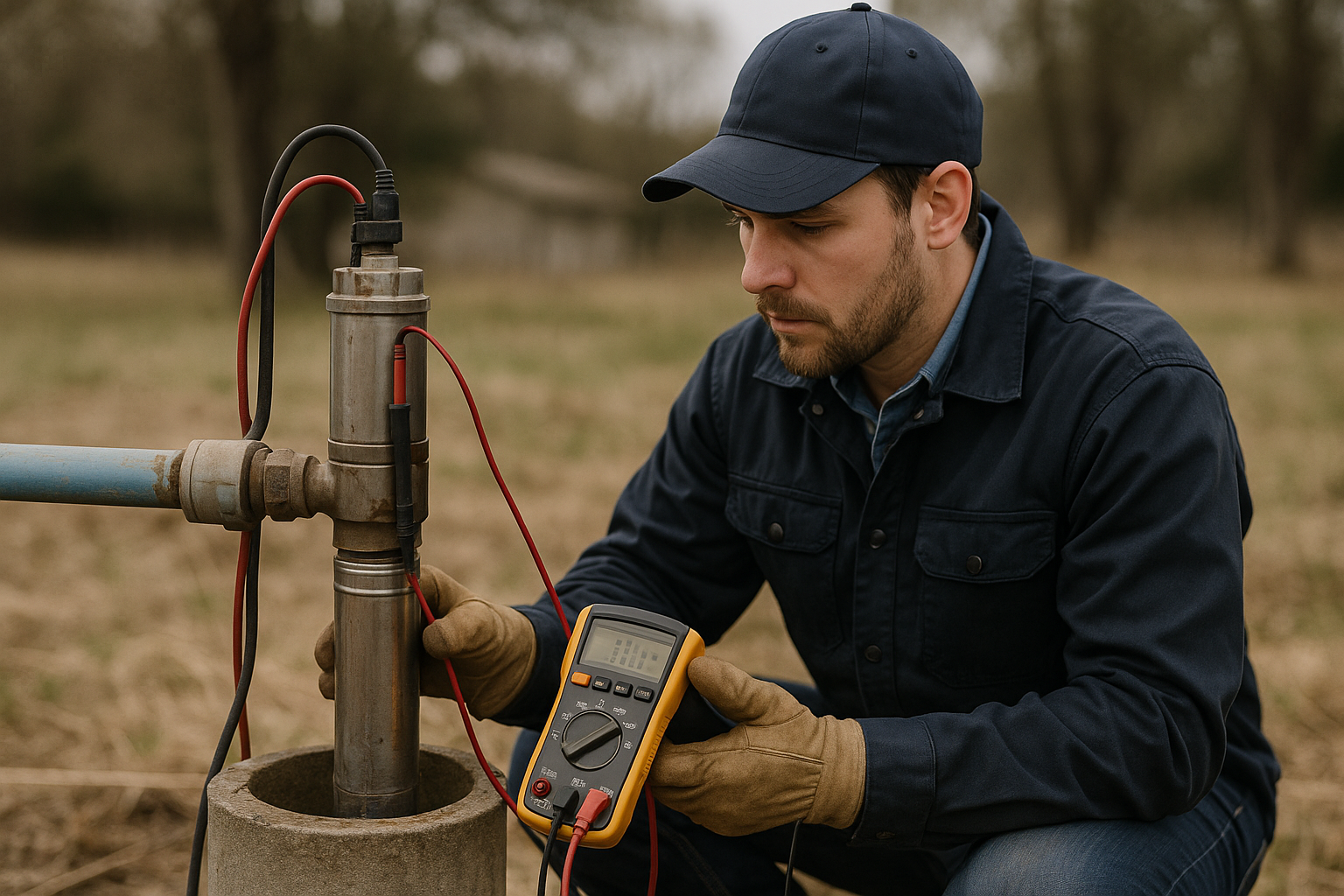
Low Water Pressure From Well: Complete Fix Guide
Diagnose and solve low pressure problems
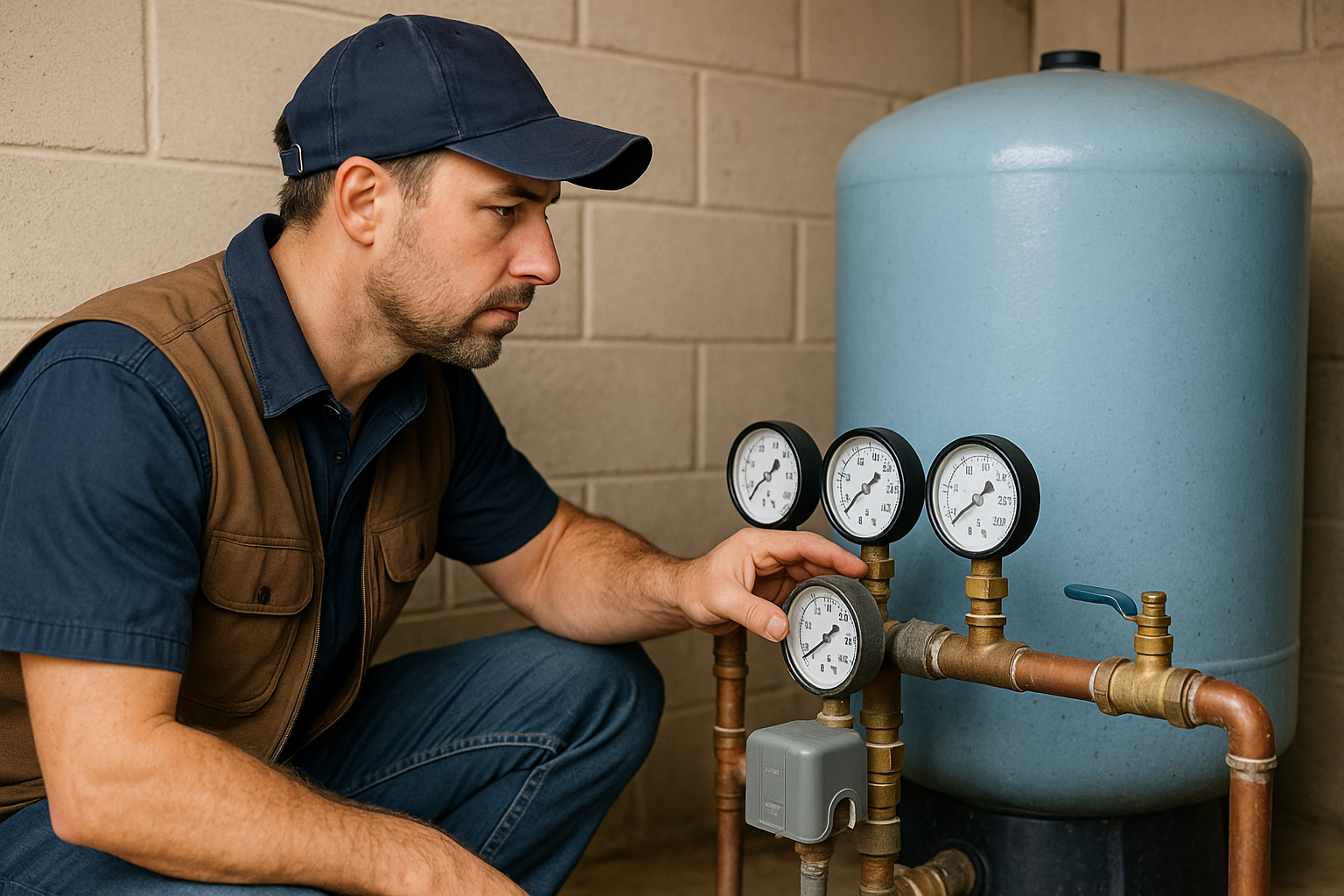
Well Pressure Switch: Settings, Adjustment & Replacement
Everything about pressure switches
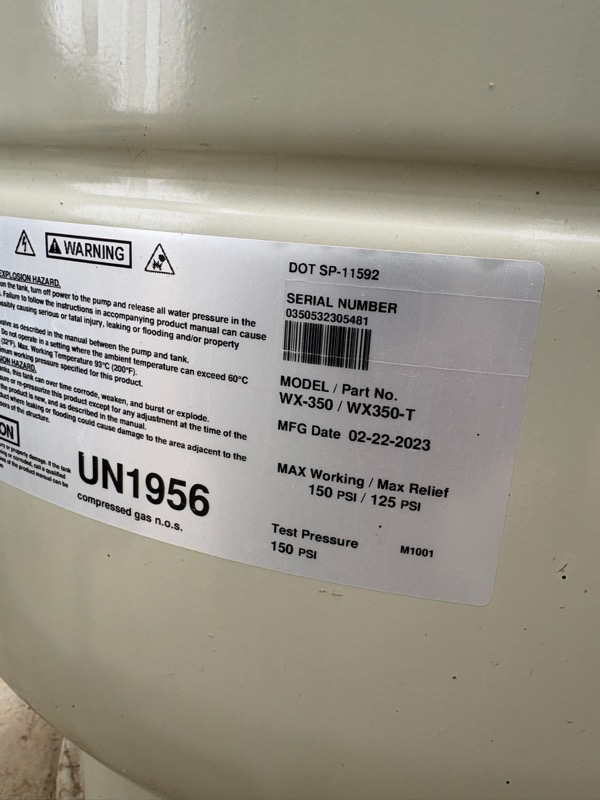
Pressure Tank Maintenance: Complete Guide
Keep your pressure tank working properly