
Pressure Tank Service in Grantville
Southern California Well Service provides professional pressure tank repair, replacement, and installation to Grantville and surrounding San Diego communities. With over 60 years of family experience and a 4.9-star Google rating, we're the trusted choice for Grantville well owners dealing with pressure tank problems.
📋 In This Guide
- Need Pressure Tank Service in Grantville?
- How Your Pressure Tank Works
- Signs Your Pressure Tank Is Failing
- Well Challenges Specific to Grantville
- Our Pressure Tank Services
- Pressure Tank Sizing Guide
- Pressure Tank Replacement Cost
- Why Grantville Residents Choose SCWS
- Pressure Tank Maintenance Tips
- Service Area
- Frequently Asked Questions
Need Pressure Tank Service in Grantville?
We serve Grantville (92120) and all of San Diego County. Licensed C-57 contractor with 24/7 emergency service available. If your pump is short cycling or your water pressure is inconsistent, call us for a same-day diagnosis.
Call: (760) 440-8520How Your Pressure Tank Works
Your pressure tank is one of the most critical components in your well system — and the one most homeowners understand least. It acts as a buffer between your well pump and your household plumbing, storing pressurized water so the pump doesn't need to start every time someone opens a faucet, flushes a toilet, or runs the washing machine.
Inside a modern bladder-type pressure tank, a heavy-duty rubber bladder separates the water from a pre-charged air pocket. When the pump fills the tank, water enters the bladder and compresses the air pocket above it, building pressure. When you open a faucet, the compressed air pushes water out of the bladder and into your plumbing. The pump stays off until tank pressure drops to the cut-in setting — typically 30 PSI for a standard 30/50 system — then the pump kicks back on to refill the tank.
This on-off cycle is called the pump duty cycle, and keeping it controlled is critical to your pump's longevity. A properly sized pressure tank keeps pump starts to a minimum — ideally 6 to 8 cycles per hour during peak demand. Without a functioning pressure tank, your pump would start and stop with every glass of water, every toilet flush, every sprinkler head. That rapid cycling — called short cycling — destroys pump motors, stresses electrical connections, damages pipe fittings, and drives your electric bill up significantly.
Many properties in Grantville and the surrounding Mission Gorge corridor have well systems that have been in operation for decades. We regularly encounter older galvanized steel tanks, undersized diaphragm models, and equipment dating back to the original construction era. While these tanks may still hold water, they're often operating well below design capacity and putting unnecessary strain on the well pump — leading to premature pump failure that costs thousands more than a timely tank replacement would have.
Signs Your Pressure Tank Is Failing
Pressure tanks almost never fail all at once. Instead, they degrade gradually over months or even years, and homeowners often adjust to the worsening performance without recognizing there's a problem until the pump burns out or water stops flowing entirely. Here are the warning signs we see most often when servicing pressure tanks in the Grantville area:
- Pump short cycling: Your pump turns on and off every few seconds or kicks on every time any faucet is opened. This is the number one indicator of a waterlogged pressure tank. The bladder has ruptured, the air charge has leaked out, or the tank has otherwise lost its ability to store pressurized water. Short cycling is devastating to pump motors — it can reduce a pump's lifespan from 15 years down to 2 or 3 years.
- Fluctuating water pressure: Pressure spikes briefly when the pump kicks on, then drops off rapidly before the pump restarts. You may notice this as a pulsing sensation in the shower or water that surges strong for a moment then weakens.
- Waterlogged tank: Tap on the side of your pressure tank from top to bottom. A healthy tank sounds hollow near the top (where the air pocket is) and solid near the bottom (where water sits). If the entire tank sounds solid and feels uniformly heavy, it's waterlogged — the air cushion is gone and the tank isn't providing the pressure buffer your pump needs.
- Visible rust or corrosion: Grantville's inland valley location means warm summers and occasional high-humidity conditions that accelerate external corrosion, especially on tanks installed outdoors or in unenclosed wellhouses. Look for rust at the tank base, around pipe connections, and near the Schrader valve on top.
- Water leaking from the tank body: Any water dripping from the tank shell itself — not from pipe connections or fittings — means the tank has corroded through and needs immediate replacement. Do not attempt to patch, weld, or repair a leaking tank body.
- Air spurting from faucets: If you get bursts of air mixed with water when you turn on a tap, the bladder inside the tank has likely ruptured, allowing the air charge to mix directly with the water instead of staying separated on the other side of the bladder membrane.
- Pump running for long periods without building pressure: If your pump runs continuously or for very long stretches without the pressure gauge climbing to the cut-off point, the tank may have a ruptured bladder or severe air charge loss. The pump is trying to fill a tank that can't maintain pressure, and it will eventually overheat or burn out.
Well Challenges Specific to Grantville
Grantville is a well-established San Diego neighborhood located along the Mission Gorge corridor, bordered by Allied Gardens, Del Cerro, and the San Diego River valley. While much of Grantville has transitioned to municipal water, there are still properties — particularly older homes, small farms, and commercial sites along the eastern edges — that rely on private well systems. The local geology and conditions create specific challenges for well equipment and pressure tank performance.
Hard water and mineral content: Groundwater in the Grantville and Mission Gorge area tends to be moderately to highly mineralized, with elevated levels of calcium, magnesium, and sometimes iron. These minerals cause scale buildup inside pressure tanks over time, reducing effective capacity and coating the rubber bladder. Mineral deposits stiffen the bladder material, making it less flexible and more prone to cracking. We recommend Grantville well owners with hard water consider a water softener or conditioner upstream of the pressure tank, or at minimum plan on more frequent tank inspections than the standard annual schedule.
San Diego River basin geology: Grantville sits along the San Diego River floodplain and adjacent alluvial terraces. Wells in this area draw from alluvial aquifer deposits that can vary significantly in yield and water quality over short distances. The alluvial material is relatively permeable, which generally means decent well flow rates, but it also means the groundwater can carry more dissolved minerals and sediment than wells drilled into solid bedrock. Fine sediment in the water can accumulate in the bottom of pressure tanks over the years, reducing effective volume and potentially clogging the bladder intake.
Summer heat and temperature extremes: Grantville sits in an inland valley that regularly sees temperatures in the mid-90s to low 100s during summer months, significantly hotter than coastal San Diego. Pressure tanks installed outdoors or in uninsulated enclosures are subjected to daily temperature swings that stress the rubber bladder and cause the air charge pressure to fluctuate. A tank that reads correct air pressure at 70°F in the morning may be significantly over-pressured by 3 PM on a hot August day. Over the years, these thermal cycles fatigue the bladder material and reduce tank lifespan.
Mixed-use properties and variable demand: The Grantville area includes a mix of residential properties, small commercial operations, and some remaining agricultural parcels. Properties with dual-use water demands — household use plus irrigation, landscape maintenance, or light commercial processes — put higher stress on pressure tanks than standard residential use alone. We frequently see undersized tanks on Grantville properties that were originally equipped for a single-family home but now serve expanded needs.
Aging infrastructure: Much of Grantville's housing stock dates to the 1950s through 1970s, and some well systems haven't been significantly upgraded since original construction. We encounter galvanized steel piping, original-era diaphragm tanks (or even air-over-water tanks with no bladder at all), corroded pressure switches, and aging wellheads. When we replace a pressure tank in Grantville, we always inspect the surrounding components and recommend any upgrades that would prevent the next failure or safety issue.
Our Pressure Tank Services in Grantville
- Pressure tank inspection and diagnosis: We check the tank's air charge, test for waterlogging, inspect for corrosion, and verify pressure switch settings and operation. Takes about 30 minutes and tells you exactly what condition your system is in. This is the best starting point if you suspect a problem but aren't sure whether the tank needs repair or replacement.
- Air charge adjustment: If your tank is structurally sound but the air charge has drifted from its target setting, we adjust it to the correct pressure — typically 2 PSI below the cut-in pressure (28 PSI for a standard 30/50 system). This simple service can immediately restore proper pump cycling and costs a fraction of a full replacement.
- Pressure tank replacement: When a tank has failed or reached the end of its useful life, we replace it with a new Well-X-Trol (Amtrol) or Flexcon bladder-type tank, properly sized for your household demand and well pump capacity. We handle everything: disconnection, removal of the old tank, installation, pressure testing, and disposal.
- Pressure switch replacement and adjustment: Tank issues and pressure switch problems often go hand-in-hand. A corroded or worn switch can cause the same symptoms as a failing tank — short cycling, erratic pressure, pump not shutting off. We diagnose both components together and replace the switch when needed. A $150 switch replacement can prevent a $3,000 pump burnout.
- Complete system upgrades: For older Grantville properties with undersized tanks, galvanized piping, and aging components, we can upgrade your entire pressure system — new tank, new switch, new brass or stainless steel fittings, and proper piping for decades of reliable service.
- Emergency 24/7 service: Lost water pressure on a weekend, holiday, or in the middle of the night? We offer round-the-clock emergency service for Grantville and all of San Diego County. No-water emergencies are always our top priority.
Pressure Tank Sizing Guide for Grantville Homes
One of the most common problems we see — not just in Grantville but throughout San Diego County — is undersized pressure tanks. A tank that's too small for your household's actual water demand causes excessive pump cycling, which shortens pump life, wastes energy, and creates the frustrating pressure fluctuations that make showers inconsistent and irrigation unreliable.
The goal is to keep pump cycling to no more than 6 to 8 starts per hour during peak demand. Here's our general sizing guidance for Grantville-area properties:
- 1-2 bathroom homes: 30 to 50 gallon tank minimum. A 44-gallon Well-X-Trol WX-203 is our standard recommendation for smaller Grantville homes and fits most existing installation spaces.
- 3-4 bathroom homes: 50 to 85 gallon tank. The WX-250 (62 gallon) or WX-302 (86 gallon) handles the higher demand of larger households with multiple bathrooms and appliances running simultaneously.
- Properties with landscape irrigation: Many Grantville properties have established landscaping, fruit trees, or garden beds that require irrigation from the well system. Running irrigation and household water off a small residential tank is one of the most common causes of premature pump failure we see. These properties need 85+ gallon tanks, or a dedicated second tank for the irrigation circuit.
- Mixed-use or commercial properties: Small commercial operations, workshop buildings, or properties with guest houses or ADUs need higher capacity. We typically recommend 85 to 120 gallon tanks or parallel tank configurations for these applications.
It's important to understand that a pressure tank's rated size isn't the same as its usable drawdown capacity. A 50-gallon tank on a 30/50 pressure system actually delivers only about 14 to 16 gallons of water between pump cycles. That's why seemingly "large" tanks are necessary even for modest households. We calculate the exact drawdown requirement based on your pump's GPM rating and your actual peak water usage to ensure proper sizing.
Pressure Tank Replacement Cost in Grantville
The cost of pressure tank replacement depends on tank size, installation complexity, site accessibility, and whether additional components need attention. Here's what Grantville-area property owners can typically expect:
- Standard residential replacement (30-50 gallon): Typically $800 to $1,500 installed, including the tank, fittings, and labor.
- Larger tank upgrade (50-85 gallon): $1,200 to $2,200 installed. Upgrading to a larger tank when replacing a failed unit is almost always worth the additional cost — the price difference is modest compared to the pump protection and performance improvement a bigger tank delivers.
- Tank plus pressure switch replacement: Add $150 to $300 if the pressure switch needs replacing at the same time. We recommend doing both together if the switch shows any signs of corrosion, pitting, or erratic operation.
- Piping and fitting upgrades: If the existing piping around the tank is corroded galvanized steel — common in older Grantville homes from the 1950s-1970s — budget an additional $200 to $500 for new brass or stainless steel fittings and updated piping in the immediate tank area.
We provide written estimates before starting any work, and our pricing is all-inclusive — no hidden fees for travel, disposal of the old tank, or miscellaneous charges. If we discover additional issues during the job, we explain what we found and get your approval before proceeding with any additional work.
Why Grantville Residents Choose SCWS
✓ San Diego County Expertise
We know the local geology, water quality, and well system challenges specific to Grantville and the Mission Gorge corridor
✓ Fast Response
Same-day service available. 24/7 emergency calls answered. No-water situations are always our top priority.
✓ Transparent Pricing
Written estimates before work begins. No surprise charges, no hidden fees, no pressure to buy services you don't need.
✓ Quality Parts
We install Well-X-Trol and Flexcon tanks — the industry's best bladder tanks, built to last and backed by manufacturer warranties.
Pressure Tank Maintenance Tips for Grantville Well Owners
Routine maintenance extends the life of your pressure tank and protects your pump from the damage caused by undetected tank failure. Here's what we recommend for Grantville-area well owners:
- Check air charge every 6 months: Turn off the pump and drain the tank completely by opening a faucet until water stops flowing. Then check the air pressure at the Schrader valve on top using a standard tire gauge. It should read 2 PSI below your cut-in pressure (28 PSI for a 30/50 system). Add air with a bicycle pump or small compressor if needed. Never check air pressure with the tank full of water — you'll get a false, misleadingly high reading.
- Listen for short cycling: Stand near your pressure tank and run water in the house. If you hear the pump clicking on and off more than once per minute, or see the pressure gauge rapidly bouncing instead of steadily declining, your tank likely needs professional service.
- Inspect for corrosion seasonally: Check all pipe connections, the tank base, and the Schrader valve area for rust, mineral buildup, or moisture. Grantville's warm inland climate and mineralized water accelerate corrosion, particularly during the hotter months.
- Protect outdoor tanks from direct sun: If your pressure tank is installed outdoors or in an open wellhouse, consider adding shade cloth, a UV-resistant cover, or a simple roof structure. Reducing daily temperature swings extends bladder life and keeps the air charge more stable year-round. This is especially important in Grantville's inland valley, where summer afternoon temperatures can push well over 100°F.
- Test water quality annually: Grantville's alluvial groundwater can carry minerals and sediment that affect tank performance over time. Annual water testing helps you catch changes in hardness, iron content, or pH that might warrant a treatment system to protect your well equipment.
- Schedule annual professional inspection: A trained technician can catch problems you'd miss — subtle signs of bladder degradation, pressure switch wear, electrical anomalies, or early-stage corrosion. Annual inspections are especially important for tanks over 8 years old and for systems with hard or high-mineral water.
Service Area
We proudly serve Grantville and all surrounding San Diego communities. Our service area for pressure tank work includes Allied Gardens, Del Cerro, San Carlos, La Mesa, College Area, Rolando, Navajo, Lake Murray, and all neighborhoods throughout the Mission Gorge corridor and greater San Diego County. Our Ramona office dispatches crews throughout the region, and we always prioritize no-water emergencies.
We install Well-X-Trol (Amtrol) and Flexcon pressure tanks — industry-leading bladder tanks that outlast standard diaphragm models. Proper sizing with a quality tank can double your pump's lifespan and dramatically improve water pressure consistency throughout your home.
Frequently Asked Questions
What size pressure tank do I need for my Grantville home?
For most residential wells in Grantville, we recommend a minimum 30-gallon pressure tank. Homes with higher water demand, multiple bathrooms, or irrigation systems benefit from 50-85 gallon tanks. Proper sizing reduces pump cycling and extends pump life by years. We calculate the exact size based on your pump's GPM rating and your household's peak water usage.
How do I know if my pressure tank is failing?
The most common signs of a failing pressure tank include pump short cycling (turning on and off every few seconds), waterlogged tank (sounds solid when you tap it from top to bottom), fluctuating water pressure, air spurting from faucets, and the pump running for extended periods without building adequate pressure. If you notice any of these symptoms, call us for a diagnosis before the pump is damaged.
How long do pressure tanks last in San Diego's climate?
Quality bladder-type pressure tanks like Well-X-Trol typically last 10-15 years in San Diego's climate. Tanks installed outdoors without shade protection may have shorter lifespans due to heat exposure. Regular air charge checks (every 6 months) and annual professional inspections can significantly extend tank life. Lower-quality diaphragm tanks may only last 5-8 years.
How much does pressure tank replacement cost in Grantville?
Standard residential pressure tank replacement in Grantville typically costs $800 to $1,500 for a 30-50 gallon tank installed. Larger 50-85 gallon upgrades run $1,200 to $2,200. These prices include the tank, fittings, labor, and old tank disposal. We provide written estimates before starting any work — no hidden fees or surprise charges.
Related Articles
Continue learning about well maintenance and troubleshooting
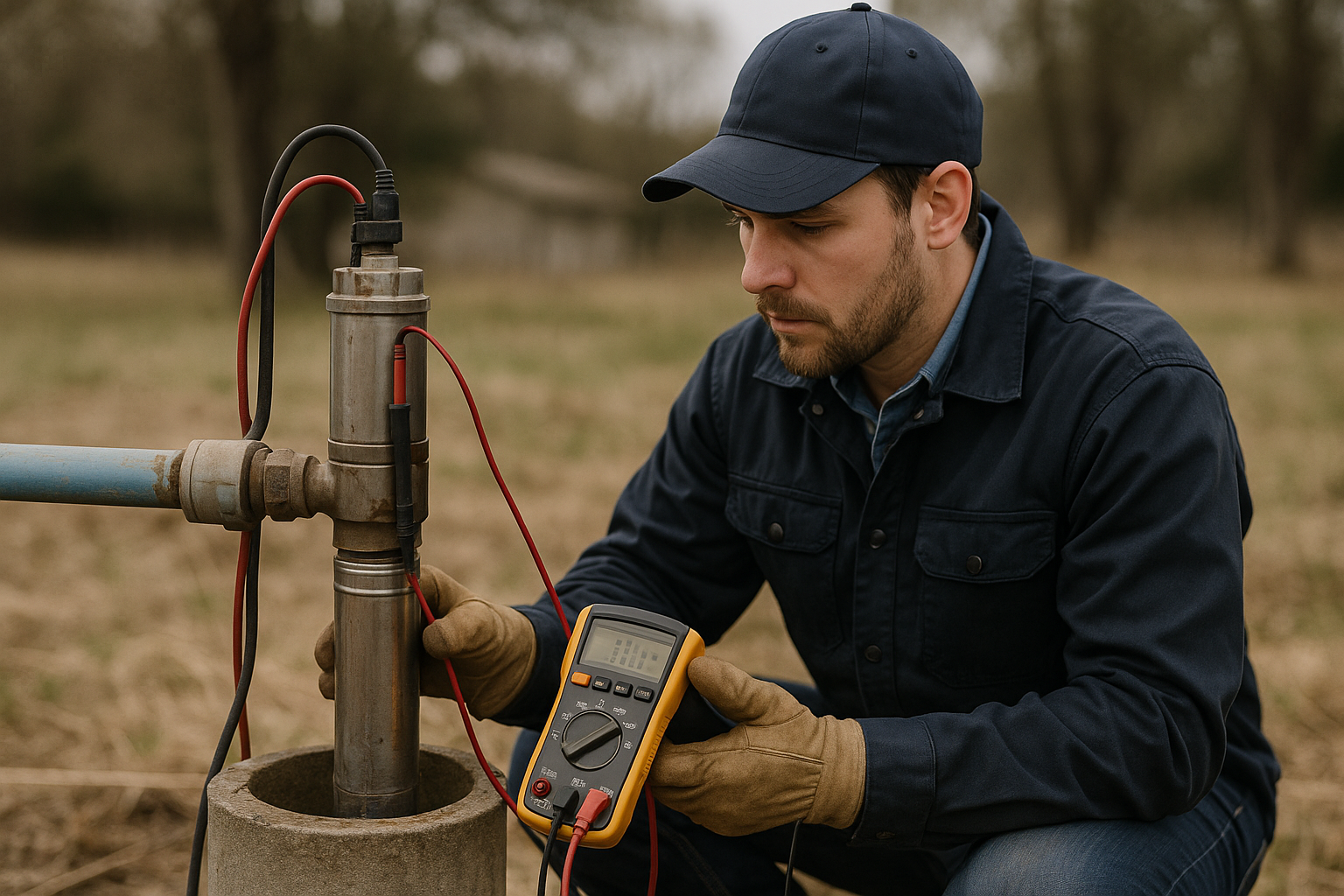
Low Water Pressure From Well: Complete Fix Guide
Diagnose and solve low pressure problems
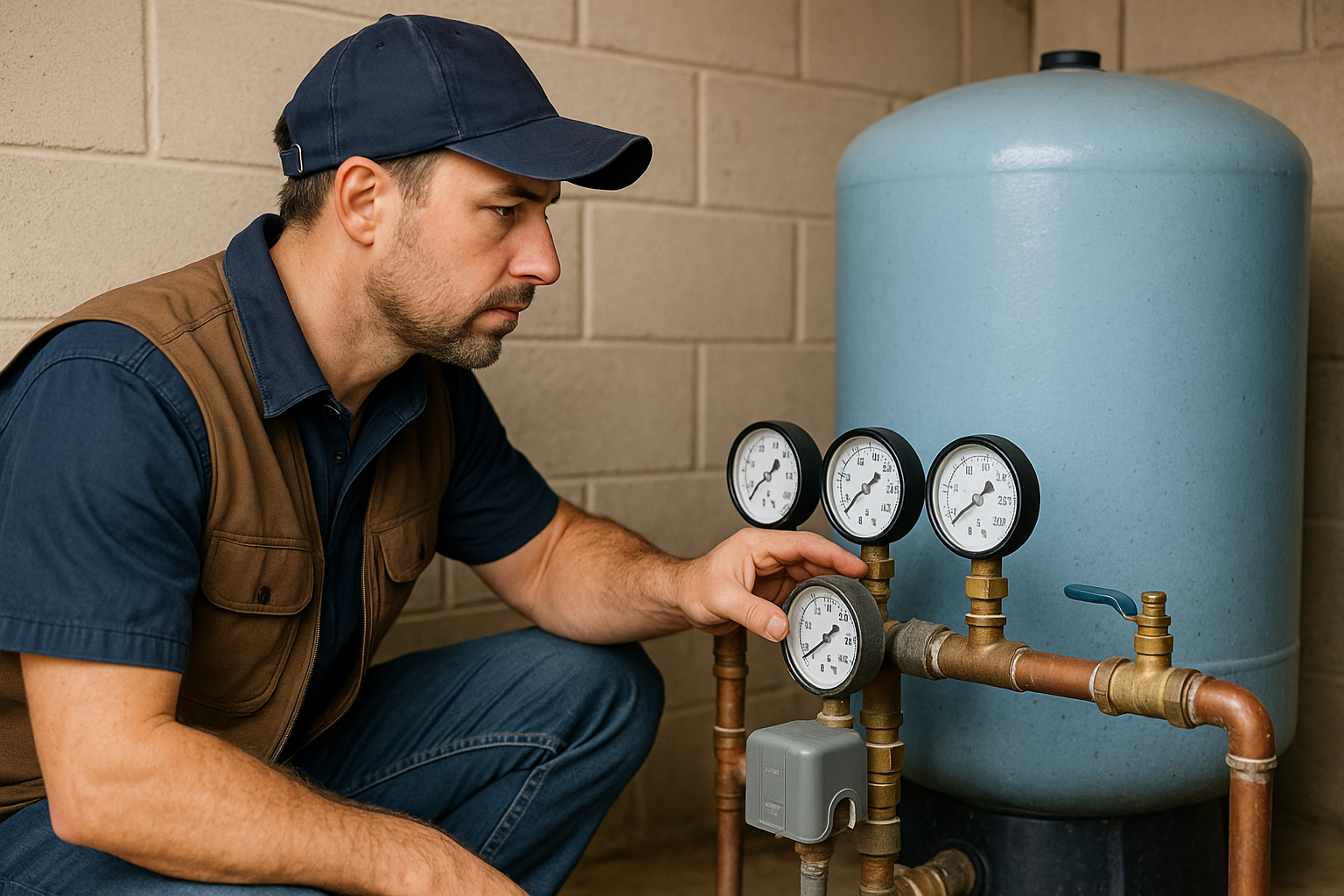
Well Pressure Switch: Settings, Adjustment & Replacement
Everything about pressure switches
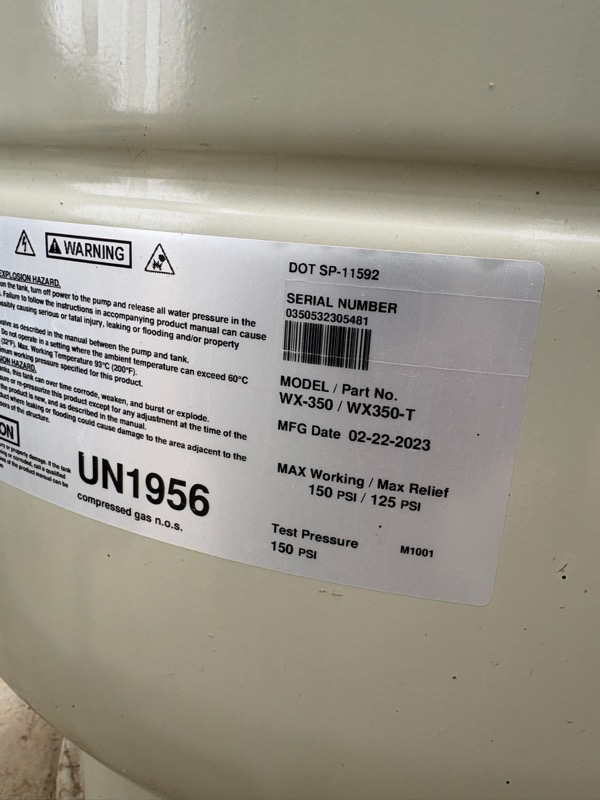
Pressure Tank Maintenance: Complete Guide
Keep your pressure tank working properly