
Pressure Tank Service in Green Acres, California
Southern California Well Service provides expert pressure tank repair, replacement, and installation services to Green Acres and surrounding Riverside County communities. With over 30 years of experience serving the San Jacinto Valley and a 4.9-star Google rating, we're the trusted choice for Green Acres well owners facing pressure tank problems.
📋 In This Guide
- Need Pressure Tank Service in Green Acres?
- Understanding Your Well's Pressure Tank
- Signs Your Pressure Tank Is Failing
- Types of Pressure Tanks We Install
- Pressure Tank Sizing for Green Acres Homes
- Green Acres Water Conditions & Considerations
- Pressure Tank Maintenance Tips
- Our Pressure Tank Services
- Pressure Tank Replacement Cost Guide
- Why Green Acres Residents Choose SCWS
- Service Area
- Frequently Asked Questions
Need Pressure Tank Service in Green Acres?
We serve Green Acres (92543) and all of Riverside County. Licensed C-57 contractor with 24/7 emergency service available. Whether your pump is short-cycling, you're experiencing pressure fluctuations, or your tank is waterlogged, we can diagnose and fix the problem—often the same day.
Call: (760) 440-8520Understanding Your Well's Pressure Tank
Your pressure tank is one of the most critical components in your well water system. It serves multiple essential functions that directly impact your water quality, pump longevity, and daily convenience. Understanding how this crucial piece of equipment works helps you recognize problems early and make informed decisions about maintenance and replacement.
How Pressure Tanks Work
A pressure tank stores water under pressure, using compressed air to push water through your pipes when you open a faucet. The tank contains either a bladder or diaphragm that separates the air charge from the water. When your well pump fills the tank, it compresses this air cushion. When you use water, the compressed air pushes water out of the tank and through your plumbing.
The typical residential pressure tank maintains pressure between 30 and 50 PSI (or 40-60 PSI in some configurations). Your pressure switch monitors this and signals the pump to turn on when pressure drops to the cut-in point and off when it reaches the cut-out point. This cycle—called "pump cycling"—should happen gradually, not rapidly.
Why Pressure Tanks Matter
Without a properly functioning pressure tank, your well pump would cycle on and off every time someone opened a faucet. This rapid cycling—called "short cycling"—causes several serious problems:
- Premature pump failure: Electric motors aren't designed for constant starting and stopping. Each startup draws significant electrical current, generating heat and wear on motor windings, bearings, and seals. Short cycling can reduce pump life from 15+ years to just 3-5 years.
- Higher electricity bills: Startup current can be 3-5 times normal running current. Frequent cycling dramatically increases energy consumption.
- Pressure fluctuations: You'll notice water pressure surging and dropping, making showers uncomfortable and potentially damaging appliances.
- Water hammer: Rapid pressure changes can cause pipes to bang and vibrate, potentially loosening connections and causing leaks.
Signs Your Pressure Tank Is Failing
Recognizing the early warning signs of pressure tank problems can save you money and prevent emergency situations. Here's what Green Acres homeowners should watch for:
⚠️ Critical Warning Signs
- Pump short cycling: If you hear your pump clicking on and off every few seconds or minutes when water is running, your tank is likely waterlogged
- No air cushion: When you tap the tank, it should sound hollow at the top (air) and solid at the bottom (water). If it sounds solid throughout, the bladder has failed
- Visible rust or corrosion: External rust often indicates internal problems, especially around fittings and welds
- Water spurting from air valve: If water comes out when you check the air pressure, the bladder has ruptured
Other Common Symptoms
- Fluctuating water pressure: Pressure that surges and drops, especially in showers
- Low pressure at fixtures: Consistently weak water flow throughout the house
- Air sputtering from faucets: Bursts of air mixed with water, especially after the pump cycles
- The tank feels uniformly heavy: A properly charged tank should feel lighter at the top where the air cushion is
- Visible bulging or deformation: Any physical changes to the tank shape indicate serious problems
- Increased electricity bills: More frequent pump cycling means higher energy costs
Types of Pressure Tanks We Install
At Southern California Well Service, we install high-quality bladder-type pressure tanks from industry-leading manufacturers. These tanks outperform older diaphragm and air-over-water designs in durability, efficiency, and maintenance requirements.
Well-X-Trol (Amtrol)
Well-X-Trol tanks are the industry standard for residential well systems. Their heavy-duty butyl bladder provides exceptional durability and resistance to chlorine, making them ideal for Green Acres homes that use chlorination for water treatment. These tanks feature:
- Controlled-action butyl bladder that won't stretch or lose shape
- Stainless steel system connection for corrosion resistance
- Deep-drawn steel shell with durable PermaGlas coating
- Industry-leading 7-year warranty
- Sizes from 14 to 119 gallons for any application
Flexcon Industries
Flexcon tanks offer excellent value with performance that rivals premium brands. Their replaceable bladder design means you can service the tank rather than replacing it entirely in some cases. Features include:
- Field-replaceable bladder on most models
- Epoxy-lined steel shell for corrosion protection
- 100% factory testing before shipment
- Competitive pricing without sacrificing quality
- 5-year warranty on most residential models
💡 Why We Recommend Bladder Tanks
Bladder tanks completely separate the air charge from the water, preventing air absorption that plagues older designs. This means more consistent pressure, longer service life, and no need for air volume controls or frequent recharging. For Green Acres' hard water conditions, bladder tanks are the clear choice.
Pressure Tank Sizing for Green Acres Homes
Proper tank sizing is critical for system performance and pump longevity. An undersized tank causes excessive pump cycling, while an oversized tank costs more than necessary. Here's how we determine the right size for your Green Acres home:
Factors That Affect Tank Size
- Pump flow rate (GPM): Higher-capacity pumps need larger tanks to prevent short cycling
- Number of bathrooms: More fixtures mean higher simultaneous demand
- Irrigation requirements: Landscape watering and agricultural uses require larger drawdown capacity
- Number of occupants: More people generally means higher water consumption
- Pressure switch settings: Wider pressure differentials allow more drawdown from the same tank
General Sizing Recommendations
| Home Size | Minimum Tank Size | Recommended |
|---|---|---|
| 1-2 bathroom home | 20 gallons | 30-40 gallons |
| 3-4 bathroom home | 30 gallons | 50-85 gallons |
| Large home with irrigation | 50 gallons | 85-119 gallons |
| Agricultural/commercial | 85 gallons | 119+ gallons or multiple tanks |
Important note: The "gallon" rating on pressure tanks refers to total volume, not drawdown capacity. A 30-gallon tank typically provides about 8-10 gallons of usable water between pump cycles. We factor this into our sizing calculations to ensure adequate performance.
Green Acres Water Conditions & Considerations
Green Acres sits in the San Jacinto Valley, where local groundwater conditions present specific challenges for pressure tanks and well systems. Understanding these factors helps you make informed decisions about equipment and maintenance.
Local Water Quality Factors
- Hard water: The San Jacinto Valley has moderately hard to hard groundwater, with calcium and magnesium levels that can cause scale buildup in tanks and plumbing
- Iron content: Some Green Acres wells produce water with elevated iron levels, which can stain fixtures and affect tank components over time
- Mineral deposits: High mineral content can accumulate in pressure tanks, reducing effective capacity and potentially damaging bladders
- Variable depth wells: Wells in the area range from 150 to 400+ feet, affecting pump sizing and pressure tank requirements
Climate Considerations
Green Acres' inland Southern California climate affects pressure tank performance and longevity:
- Summer heat: Temperatures regularly exceed 100°F in summer. Tanks installed outdoors or in uninsulated pump houses can experience thermal stress that shortens bladder life
- Temperature swings: The significant day-to-night temperature variation causes expansion and contraction that stresses tank components
- UV exposure: Tanks or fittings exposed to direct sunlight can degrade faster than shaded installations
- Seasonal demand changes: Summer irrigation dramatically increases water usage, putting additional strain on pressure systems
☀️ Heat Protection Tips for Green Acres
We recommend installing pressure tanks in shaded, ventilated locations whenever possible. A simple shade structure or insulated pump house can add years to your tank's lifespan. During our service calls, we assess your tank's installation environment and make recommendations to maximize equipment life in our hot climate.
Pressure Tank Maintenance Tips
Regular maintenance extends pressure tank life and helps catch problems before they become emergencies. Here's what Green Acres homeowners can do to protect their investment:
Monthly Checks
- Listen to pump cycling: Note how often your pump turns on during normal water use. Increased frequency indicates potential problems
- Check for leaks: Inspect visible fittings, valves, and the tank base for moisture or mineral deposits indicating small leaks
- Monitor water pressure: Significant changes in pressure performance warrant investigation
Annual Maintenance
- Check air pressure: With the pump off and tank drained to zero PSI water pressure, check air pressure through the Schrader valve (usually on top). It should be 2 PSI below your cut-in pressure (e.g., 28 PSI for a 30/50 system)
- Inspect the pressure switch: Look for corrosion, insect nests, or mineral buildup that could affect operation
- Test the pressure relief valve: If your system has one, verify it operates correctly
- Visual inspection: Check for rust, bulging, or physical damage to the tank
What NOT to Do
- Don't over-pressurize the air charge: Excessive air pressure damages bladders and reduces usable water capacity
- Don't ignore short cycling: Continuing to use a waterlogged tank will burn out your pump
- Don't paint the tank: Some paints can trap moisture and accelerate rust
- Don't hit or strike the tank: Physical impacts can damage the bladder or welds
Our Pressure Tank Services in Green Acres
- Pressure tank diagnosis: We identify whether your tank, switch, pump, or other components are causing problems
- Tank replacement: Professional removal of old tanks and installation of properly-sized new equipment
- Tank repair: When possible, we repair rather than replace—including air charge adjustments and fitting repairs
- Pressure switch replacement: Often the switch fails before the tank does
- System upgrades: Upsizing tanks, adding constant pressure systems, or improving overall performance
- Emergency service: 24/7 availability for no-water situations
- Preventive maintenance: Annual checkups to extend equipment life
✓ Fast Response
Same-day service available for Green Acres emergencies. We understand that no water is no joke.
✓ Upfront Pricing
We provide written estimates before starting work. No surprises, no hidden fees.
✓ Quality Parts
We install Well-X-Trol and Flexcon tanks—not cheap imports that fail in our climate.
✓ Licensed & Insured
California C-57 contractor license #1086994. Fully insured for your protection.
Pressure Tank Replacement Cost Guide
Pressure tank replacement costs depend on tank size, installation complexity, and any additional work needed. Here's what Green Acres homeowners can expect:
| Service | Typical Cost Range |
|---|---|
| 20-30 gallon tank replacement | $800 - $1,200 |
| 40-50 gallon tank replacement | $1,000 - $1,600 |
| 85+ gallon tank replacement | $1,500 - $2,500 |
| Pressure switch replacement | $200 - $350 |
| Tank + switch combo | $900 - $2,200 |
| Air charge adjustment only | $95 - $150 (service call) |
Factors that affect cost: Difficult access, tank location (basement vs. outdoors), additional plumbing modifications, disposal of old equipment, and whether pressure switch or other components need replacement.
Why Green Acres Residents Choose SCWS
✓ Local Experience
We know Riverside County geology, water conditions, and the specific challenges Green Acres wells face.
✓ 30+ Years in Business
We've been serving San Diego and Riverside County well owners since the 1990s.
✓ 4.9-Star Rating
Hundreds of verified Google reviews from satisfied customers throughout the region.
✓ Family Owned
Not a franchise or corporate chain. Local ownership means personal accountability.
Service Area
We proudly serve Green Acres and all surrounding Riverside County communities, including Hemet, San Jacinto, Valle Vista, East Hemet, and the entire San Jacinto Valley. Our team responds quickly throughout the region from our offices in Ramona and Anza.
Frequently Asked Questions
What size pressure tank do I need for my Green Acres home?
For most Green Acres residential wells, we recommend a minimum 30-gallon pressure tank. Homes with higher water demand, multiple bathrooms, or irrigation needs benefit from 50-85 gallon tanks. Proper sizing reduces pump cycling and extends pump life significantly. We can assess your specific situation during a service call.
How do I know if my pressure tank is failing?
Signs of a failing pressure tank include: pump short cycling (turning on and off frequently), waterlogged tank (heavy when you tap it), fluctuating water pressure, and the tank feeling uniformly heavy rather than having an air-filled top section. In Green Acres' hot climate, tank failures can accelerate due to thermal stress on bladders.
How long do pressure tanks last in Riverside County?
Quality pressure tanks typically last 10-15 years. Bladder-type tanks (like Well-X-Trol) tend to last longer than older diaphragm designs. Annual pressure checks and keeping the tank protected from direct sun in Green Acres' desert climate can extend tank life significantly.
What causes a pressure tank to become waterlogged?
A waterlogged tank occurs when the bladder or diaphragm fails, allowing water to fill the air chamber. This can happen due to age, manufacturing defects, chlorine degradation, or excessive pressure cycling. In Green Acres' mineral-rich water conditions, bladder degradation can accelerate if water quality isn't managed properly.
How much does pressure tank replacement cost in Green Acres?
Pressure tank replacement in Green Acres typically costs $800-$2,500 depending on tank size and installation complexity. A basic 30-gallon tank runs $800-$1,200, while larger 85-gallon tanks cost $1,500-$2,500. We provide free estimates with transparent pricing and no hidden fees.
Can I replace my pressure tank myself?
While it's technically possible, we don't recommend DIY pressure tank replacement. Improper installation can cause electrical hazards, flooding, or pump damage. Professional installation ensures proper sizing, correct air charge, secure connections, and safe electrical work. Plus, our work is warranted.
Related Articles
Continue learning about well maintenance and troubleshooting
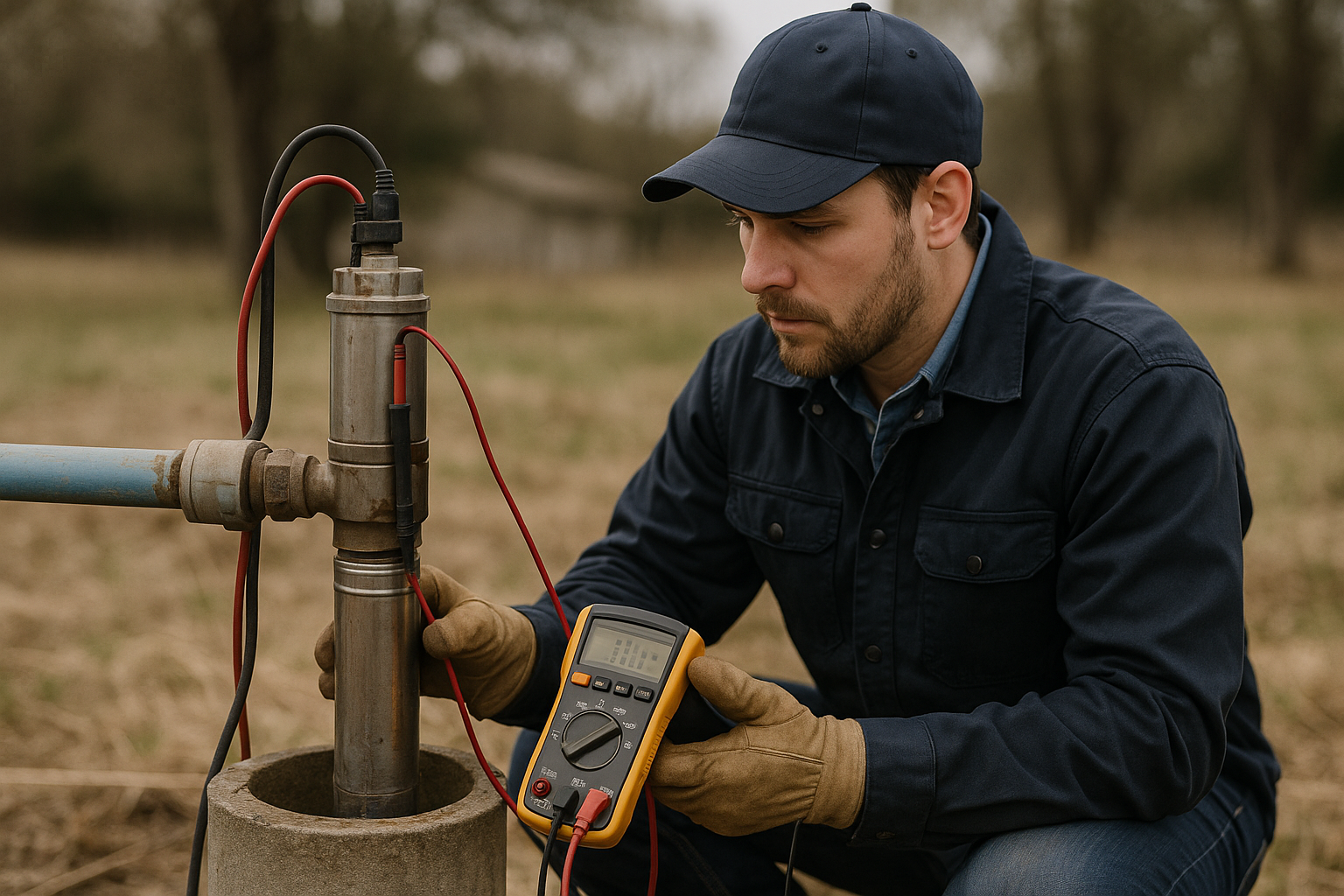
Low Water Pressure From Well: Complete Fix Guide
Diagnose and solve low pressure problems
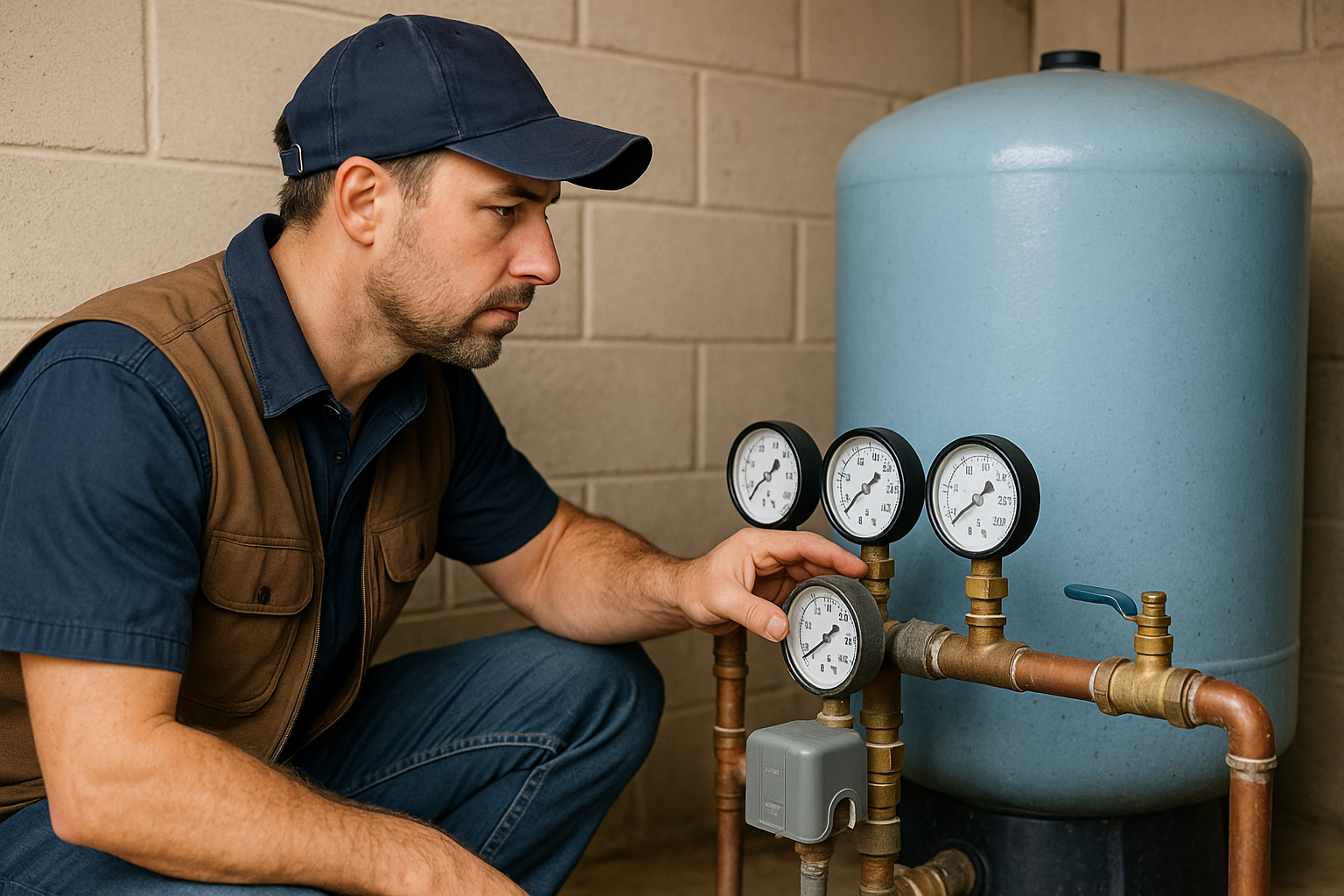
Well Pressure Switch: Settings, Adjustment & Replacement
Everything about pressure switches
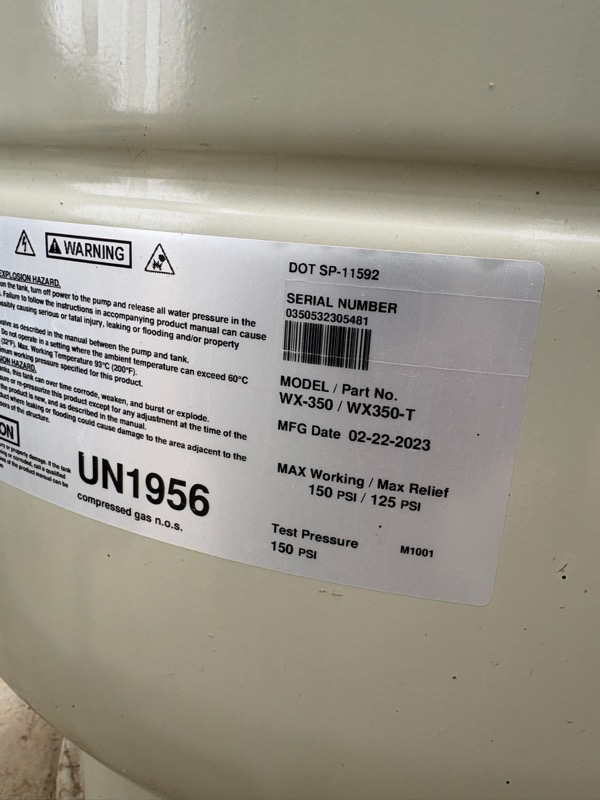
Pressure Tank Maintenance: Complete Guide
Keep your pressure tank working properly