
Pressure Tank Service in Linda Vista
Southern California Well Service provides professional pressure tank repair, replacement, and installation to Linda Vista and surrounding San Diego communities. With over 30 years of experience and a 4.9-star Google rating, we're the trusted choice for well owners throughout the 92111 zip code and greater La Mesa area.
📋 In This Guide
- Need Pressure Tank Service Near Linda Vista?
- Understanding Your Pressure Tank
- Signs Your Pressure Tank Is Failing
- Linda Vista Area: Why Local Well Expertise Matters
- Pressure Tank Types We Install
- Pressure Tank Sizing for Linda Vista Properties
- Pressure Tank Maintenance Tips
- Our Pressure Tank Services
- Pressure Tank Cost Guide
- Service Area
- Frequently Asked Questions
Need Pressure Tank Service Near Linda Vista?
We serve Linda Vista (92111), Clairemont, Serra Mesa, College Area, and all of San Diego County. Licensed C-57 contractor with 24/7 emergency service available.
Call: (760) 440-8520Understanding Your Pressure Tank
Your pressure tank is one of the most critical components in a private well system — yet most homeowners don't think about it until something goes wrong. The pressure tank sits between your well pump and your household plumbing, serving three essential functions that keep water flowing reliably every time you turn on a faucet.
Storing pressurized water for immediate use. When you open a faucet, water comes from the pressure tank first — not directly from the well pump. A properly sized tank holds enough pressurized water to handle short draws like hand washing, filling a pot, or flushing a toilet without the pump needing to kick on at all. This gives you instant water pressure without any delay.
Reducing pump cycling to extend pump life. Every time your well pump starts, the motor draws a surge of electrical current that generates heat and mechanical stress. Without a pressure tank (or with a waterlogged one), the pump would turn on and off constantly — sometimes dozens of times per hour. This "short cycling" is the number one killer of well pumps. A healthy pressure tank creates a buffer so the pump runs for longer stretches with adequate rest periods in between, dramatically extending pump lifespan.
Maintaining consistent water pressure throughout your home. The tank uses a pre-charged air bladder (or diaphragm) to keep water pressurized between pump cycles. Most residential systems operate between 30 and 50 PSI — the pump kicks on at the low end and shuts off at the high end. When the tank is functioning correctly, you barely notice the transitions. When it's failing, you'll feel pressure surges and drops throughout the house.
Inside a modern bladder-type pressure tank, a heavy-duty rubber bladder separates the water from a pre-charged air cushion. As the pump fills the tank, water enters the bladder and compresses the air on the other side. When you open a faucet, the compressed air pushes water out through the plumbing. This design prevents the air and water from mixing — which is why bladder tanks last significantly longer than older galvanized or diaphragm-style tanks.
Signs Your Pressure Tank Is Failing
Pressure tank problems tend to develop gradually, then seem to happen all at once. Here are the warning signs Linda Vista homeowners should watch for — catching these early can save you from a pump burnout that costs 5-10 times more than a simple tank replacement.
🔴 Pump Short Cycling
If you hear your well pump clicking on and off every few seconds or minutes — especially when running a single faucet — your pressure tank has likely lost its air charge or the bladder has ruptured. This is the most urgent symptom because short cycling can burn out a submersible pump motor in weeks.
Quick test: Run a garden hose at full flow and listen for the pump. If the pump cycles more than 6 times per hour, something is wrong. If it cycles every 30 seconds or less, call us immediately.
🟡 Fluctuating Water Pressure
You notice pressure surging and dropping while showering or running the kitchen sink. The water alternates between strong and weak flow in a rhythmic pattern. This happens because the tank no longer has an adequate air cushion to maintain steady pressure between pump cycles. The pressure switch keeps triggering the pump, but there's no buffer to smooth things out.
🟡 Waterlogged Tank
A healthy pressure tank should feel lighter at the top (air side) and heavier at the bottom (water side). If the entire tank feels uniformly heavy when you knock on it, the bladder has likely failed and the tank is full of water with no air cushion remaining.
The knock test: Tap on the side of the tank from top to bottom. You should hear a hollow ring at the top transitioning to a dull thud lower down. If it's a dull thud all the way up — the tank is waterlogged.
🟡 Visible Rust or Mineral Deposits
Rust, corrosion, or white mineral buildup on the tank exterior — especially around fittings and the base — indicates the tank is deteriorating. While surface rust doesn't always mean the tank has failed internally, it tells you the tank is nearing end of life. Heavy corrosion around welded seams or the base is a safety concern — corroded tanks can rupture under pressure.
🟠 Water from the Air Valve
If you press the Schrader valve (air valve) on top of the tank and water comes out instead of air, the bladder has ruptured. This is a definitive sign — the tank needs to be replaced. There's no way to repair a ruptured bladder in the field.
Linda Vista Area: Why Local Well Expertise Matters
Linda Vista is a well-established residential neighborhood in central San Diego — the Linda Vista neighborhood in central San Diego — where most homes connect to City of San Diego water. However, some older properties — particularly along the canyon rims and in the less-developed areas near Tecolote Canyon — still maintain private wells, especially on larger lots on larger lots and older properties along the canyon edges that still rely on private wells. These wells face unique challenges that make local expertise essential.
Varied Geology and Well Depths
The Linda Vista area sits on the Linda Vista Formation — a mix of marine terrace deposits and older alluvium typical of central San Diego's mesa geography. Well depths vary considerably — some properties tap into shallow alluvial aquifers at 100-200 feet while others need to reach 400+ feet through hard rock. Deeper wells with submersible pumps put more demand on pressure tanks because the pump delivers water at higher pressure with longer run cycles. We size and select tanks based on your specific well depth, pump capacity, and household demand.
Hard Water and Mineral Content
San Diego County is known for hard water, and private wells in the Linda Vista area are no exception. High levels of calcium and magnesium can accelerate mineral buildup inside pressure tanks and on plumbing connections. This buildup restricts flow, reduces effective tank capacity, and can cause premature bladder deterioration. When we install a new pressure tank, we evaluate your water chemistry and recommend appropriate treatment if mineral levels are damaging your equipment.
Temperature Extremes and Outdoor Installations
Summer temperatures in the inland San Diego valleys regularly hit 95-105°F. Pressure tanks installed outdoors or in uninsulated pump houses take a beating from UV exposure and thermal cycling. High heat accelerates rubber bladder degradation and can cause the air charge to fluctuate, leading to inconsistent pressure. We recommend UV-rated tank jackets for outdoor installations and verify air charge at every service visit.
Urban Area Well Compliance
Properties with private wells in the Linda Vista area must comply with City of San Diego setback requirements and well maintenance regulations from the City of San Diego's Development Services Department and County DEH. Most Linda Vista properties connect to municipal sewer, but some canyon-edge properties still use septic systems with specific setback requirements for wells and pressure equipment. We ensure all installations meet current code.
Pressure Tank Types We Install
We exclusively install bladder-type pressure tanks from the two leading manufacturers. Bladder tanks outperform older diaphragm and galvanized air-over-water designs in every metric: longevity, consistency, and maintenance requirements.
Well-X-Trol (Amtrol)
The Well-X-Trol is the industry standard for residential pressure tanks and the brand we install most often. Amtrol pioneered the replaceable bladder design, and their tanks are built with heavy-gauge steel shells and butyl rubber bladders rated for potable water contact. Key features include a controlled-action bladder that eliminates air-water contact, a stainless steel system connection for corrosion resistance, and a Schrader-type air valve for easy pressure checks.
Best for: Most residential wells in the Linda Vista area. Available in sizes from 14 to 119 gallons.
Flexcon (Flexcon Industries)
Flexcon tanks are our go-to for larger installations and properties with higher demand. They use a heavy-duty polypropylene liner and butyl bladder combination that resists mineral buildup better than standard designs — a real advantage in San Diego's hard water. Their FL series tanks also feature a larger connection port that reduces flow restriction at high draw rates.
Best for: Homes with multiple bathrooms, irrigation systems, or wells with high mineral content. Available in sizes from 22 to 119 gallons.
Pressure Tank Sizing for Linda Vista Properties
Proper tank sizing prevents two problems: short cycling (tank too small) and wasted space/money (tank too big). Here's what we recommend based on typical Linda Vista area properties:
| Property Type | Pump GPM | Recommended Tank | Drawdown (gal) |
|---|---|---|---|
| 1-2 Bedroom Home | 5-10 GPM | 30-gallon (WX-202) | ~9 gallons |
| 3-4 Bedroom Home | 10-15 GPM | 50-gallon (WX-203) | ~14 gallons |
| Large Home + Irrigation | 15-25 GPM | 85-gallon (WX-205) | ~25 gallons |
| Estate / Multi-Unit | 25+ GPM | 119-gallon (WX-350) | ~36 gallons |
Drawdown is the usable water between the pump cut-in and cut-out pressures — it's the actual amount of water you get before the pump turns on. A 50-gallon tank doesn't hold 50 gallons of usable water; the drawdown on a 30/50 PSI system is closer to 14 gallons. We calculate exact drawdown based on your pressure switch settings and pre-charge to ensure optimal performance.
Pressure Tank Maintenance Tips
A little preventive maintenance goes a long way toward getting the full 10-15 year lifespan from your pressure tank. Here's what we recommend for Linda Vista area homeowners:
✅ Check Air Pressure Twice a Year
Use a standard tire pressure gauge on the Schrader valve at the top of the tank. The air pre-charge should be 2 PSI below your cut-in pressure (so 28 PSI for a 30/50 system). Important: Always check with the pump off and no water pressure in the system — open a faucet to drain pressure first. Checking with the system pressurized gives a false reading.
✅ Inspect for Corrosion Annually
Walk around the tank and look for rust, particularly at the base and around welded seams. Check the fittings and connections for any signs of weeping or mineral buildup. If the tank sits on concrete, look for moisture underneath — a wet base often indicates a slow leak from internal corrosion. Catching corrosion early lets you plan a replacement on your schedule rather than dealing with an emergency failure.
✅ Listen for Short Cycling
Spend 10 minutes near your pressure tank while someone else uses water in the house. Count how often the pump kicks on. Normal operation means the pump runs for 1-2 minutes then rests for several minutes. If you hear constant clicking — the pump turning on every 15-30 seconds — your tank needs attention immediately.
✅ Protect Outdoor Tanks from Heat and Sun
San Diego summers are brutal on outdoor equipment. If your pressure tank is exposed to direct sunlight, consider adding a UV-rated tank blanket or building a simple shade structure. Heat degrades rubber bladders faster and causes air pressure to fluctuate with temperature. A shaded tank with stable temperature will outlast an exposed one by years.
Our Pressure Tank Services
🔍 Diagnostics & Testing
We start every service call with a thorough system evaluation. This includes checking tank air pre-charge, testing the pressure switch, measuring pump performance (flow rate and amp draw), and inspecting all fittings and connections. We use the diagnostic data to determine whether your tank needs a simple recharge, a repair, or a full replacement.
Typical time: 30-45 minutes
🔧 Repair & Recharge
If your tank still has a good bladder but has lost its air charge, we can often restore it in a single visit. We drain the tank, set the pre-charge to the correct PSI for your pressure switch settings, check for air leaks, and verify proper cycling before we leave. We also replace corroded fittings and tighten connections as needed.
Typical time: 1-2 hours
🔄 Tank Replacement
When a tank has a ruptured bladder, heavy corrosion, or is simply past its lifespan, replacement is the smart move. We disconnect the old tank, install the new one with fresh fittings and Teflon tape on all threaded connections, set the air pre-charge, verify pressure switch operation, and test the entire system under load before leaving.
Typical time: 2-3 hours
📐 System Design
For new well installations, remodels, or properties upgrading from municipal water, we design complete pressure systems from scratch. This includes pump selection, tank sizing, pressure switch configuration, piping layout, and integration with any water treatment equipment. We size everything based on your actual water usage patterns — not just rules of thumb.
Typical time: On-site evaluation + follow-up proposal
Pressure Tank Cost Guide
Pressure tank costs depend on tank size, brand, and installation complexity. Here are typical ranges for the Linda Vista area (including professional installation):
| Service | Typical Cost |
|---|---|
| Diagnostic visit + air recharge | $150 – $300 |
| 30-gallon tank replacement (installed) | $800 – $1,200 |
| 50-gallon tank replacement (installed) | $1,000 – $1,500 |
| 85-gallon tank replacement (installed) | $1,400 – $2,000 |
| Full system design + installation | $2,500 – $5,000+ |
These are estimates — your actual cost depends on accessibility, piping modifications needed, and whether we're replacing like-for-like or upsizing. We always provide an upfront quote before starting work. No surprises.
Service Area
We serve Linda Vista and all surrounding communities in San Diego County. Our Ramona office is approximately 40 minutes from Linda Vista, and we have technicians throughout the county for fast response times.
Nearby communities we serve: Clairemont, Kearny Mesa, Serra Mesa, Mission Valley, Tierrasanta, Old Town, Bay Park, Morena, and all of central San Diego.
Frequently Asked Questions
What size pressure tank do I need for my Linda Vista area home?
For most 3-4 bedroom homes, we recommend a 50-gallon bladder tank (like the Well-X-Trol WX-203). This provides roughly 14 gallons of drawdown on a standard 30/50 pressure system — enough to handle typical household demand without excessive pump cycling. Homes with irrigation systems or multiple bathrooms running simultaneously may benefit from an 85-gallon tank.
How do I know if my pressure tank is failing?
The most common signs are pump short cycling (turning on and off every few seconds), fluctuating water pressure, a waterlogged tank (feels heavy all the way up when you tap on it), and water spraying from the air valve. If you notice any of these symptoms, call us for a diagnostic — catching a bad tank early prevents the much more expensive problem of a burned-out pump motor.
How long do pressure tanks last?
Quality bladder-type tanks (Well-X-Trol or Flexcon) typically last 10-15 years with proper maintenance. The main factor is water quality — hard water with high mineral content can shorten bladder life. Annual inspections and biannual air pressure checks are the best way to maximize your tank's lifespan. We've seen well-maintained tanks last 18-20 years in some cases.
Can I check my pressure tank's air charge myself?
Yes — turn off the pump at the breaker, open a faucet to drain the system pressure to zero, then use a standard tire gauge on the Schrader valve at the top of the tank. The reading should be 2 PSI below your pressure switch cut-in setting (28 PSI for a 30/50 system). If it reads significantly lower, you can add air with a bicycle pump or small compressor. If it reads zero or water comes out the valve, the bladder has failed and the tank needs replacement.
How quickly can you respond to the Linda Vista area?
We typically reach the Linda Vista area within 45-60 minutes for emergency calls. For scheduled service, we offer morning and afternoon appointment windows. Same-day service is available most days — call us at (760) 440-8520 to check availability.
My well water is very hard. Does that affect my pressure tank?
Absolutely. Hard water deposits calcium and magnesium scale on everything they touch, including the inside of your pressure tank and the bladder itself. Over time, mineral buildup reduces effective tank capacity and can cause the bladder to deteriorate prematurely. If your water hardness exceeds 15 grains per gallon (common in eastern San Diego County), we recommend a water softener upstream of the pressure tank to protect your equipment and extend its life.
We install Well-X-Trol (Amtrol) and Flexcon pressure tanks — industry-leading bladder tanks that outlast standard diaphragm models. Proper sizing with a quality tank can double your pump's lifespan.
Related Articles
Continue learning about well maintenance and troubleshooting
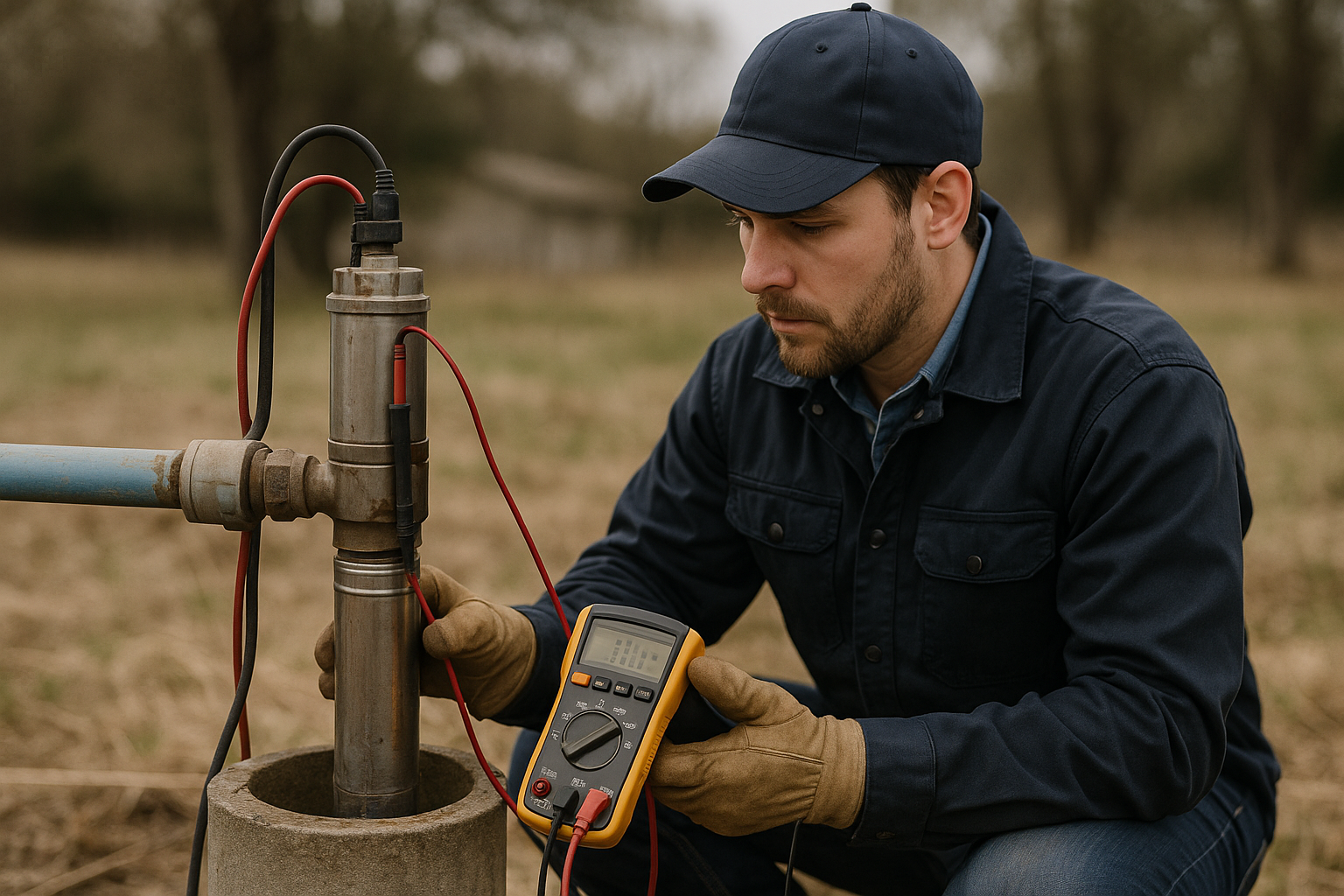
Low Water Pressure From Well: Complete Fix Guide
Diagnose and solve low pressure problems
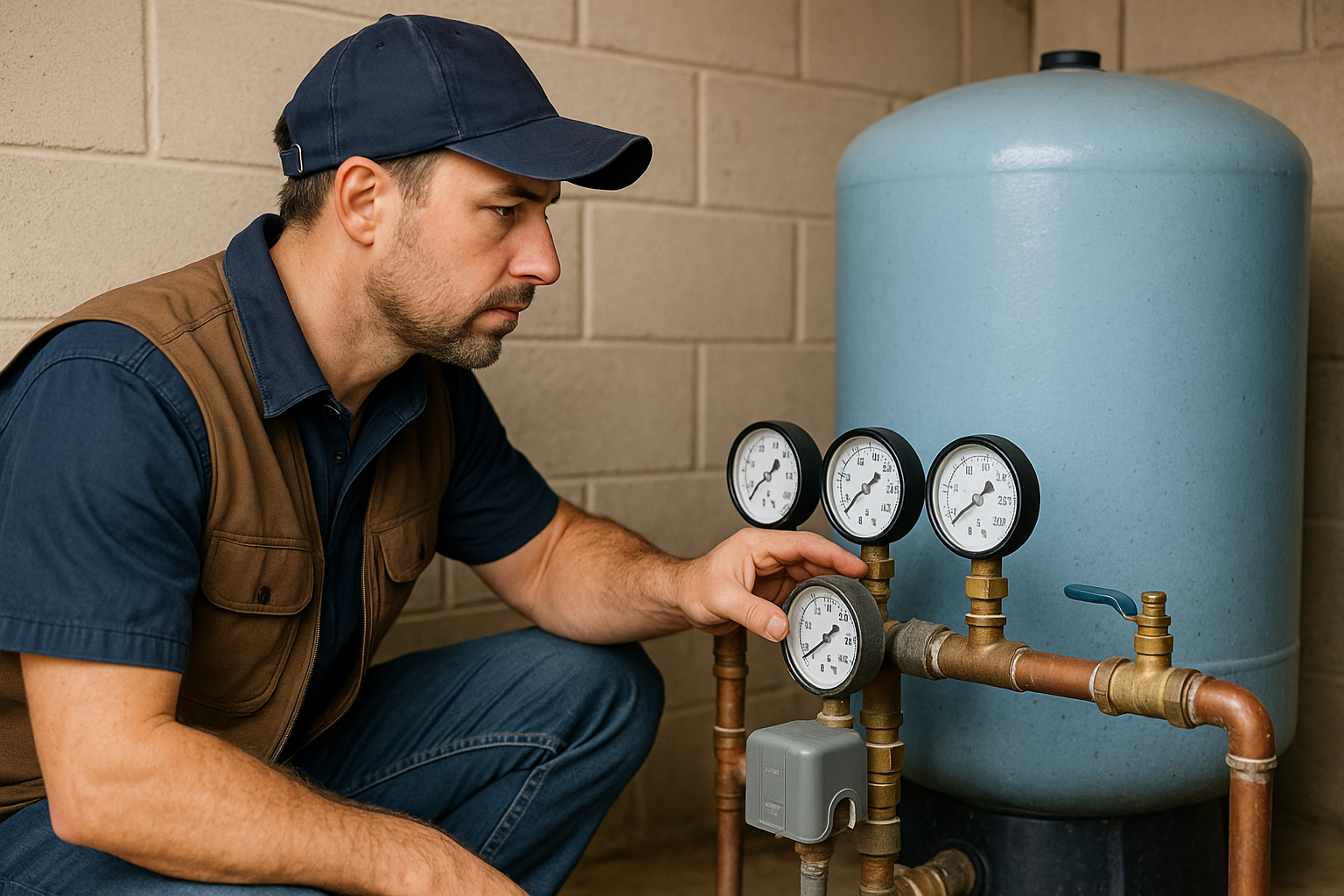
Well Pressure Switch: Settings, Adjustment & Replacement
Everything about pressure switches
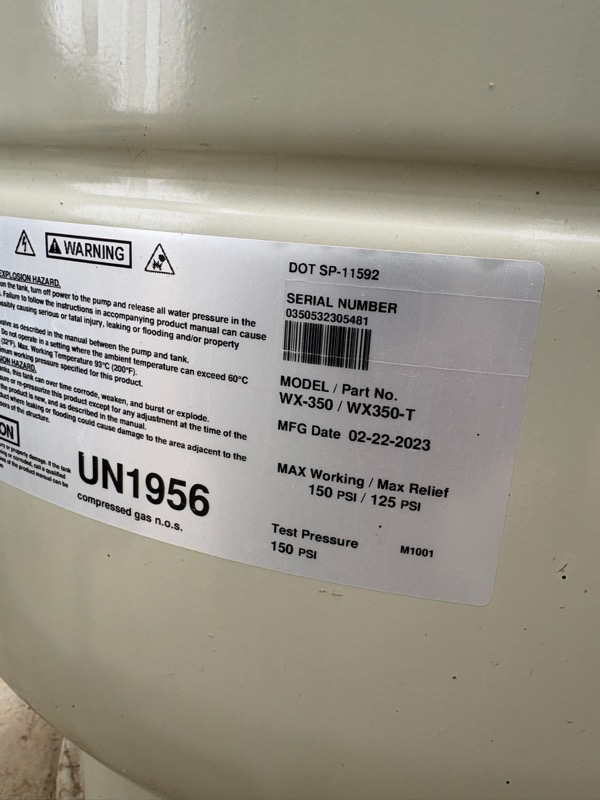
Pressure Tank Maintenance: Complete Guide
Keep your pressure tank working properly