
Ranch & Agricultural Well Services in East Hemet
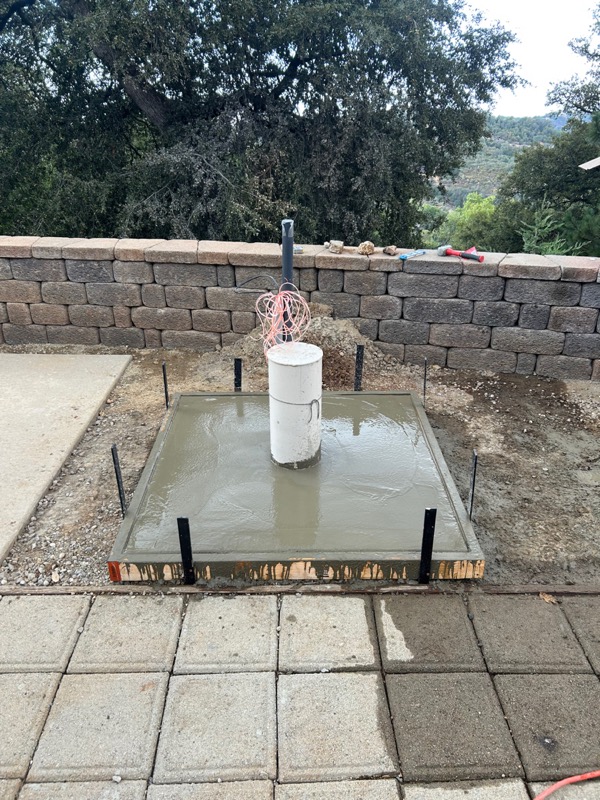
Running a ranch or farm in East Hemet? Your water supply is the lifeblood of your operation. Southern California Well Service provides complete well services for Riverside County agricultural properties.
📋 In This Guide
- Agricultural Well Applications
- High-Volume Well Drilling
- Irrigation System Integration
- Agricultural Well Maintenance
- Related Articles
Agricultural Well Applications
- Stock watering: Cattle, horses, goats, sheep
- Crop irrigation: Orchards, vineyards, row crops
- Domestic supply: Ranch house and worker housing
- Processing: Dairy, meat processing facilities
- Fire protection: Emergency water supply
High-Volume Well Drilling
Agricultural operations need serious water production. We drill and equip wells capable of:
- 50-500+ GPM production
- Large diameter casings for high-capacity pumps
- Deep wells reaching productive aquifer zones
- Multiple well systems for redundancy
Irrigation System Integration
We work with your irrigation needs:
- Variable frequency drives for efficiency
- Pressure systems for drip or sprinkler irrigation
- Storage and distribution tanks
- Booster pump systems
Agricultural Well Maintenance
Keep your agricultural well running at peak efficiency with regular maintenance:
- Annual pump inspection
- Flow rate testing
- Water quality monitoring
- Preventive repairs before failure
Need Help With Your Well in East Hemet?
Our expert technicians serve East Hemet and all of Riverside County with professional well services.
Related Articles
Continue learning about well maintenance and troubleshooting

Signs Your Well Pump Is Failing
Catch pump problems early before you lose water completely.
Low Water Pressure From Well
Diagnose and fix pressure problems before they get worse.
Well Maintenance Guide
Keep your well running smoothly with regular maintenance.
Our Locations
1077 Main St, Ramona, CA 92065
57174 US Highway 79, Anza, CA 92539
East Hemet Ranch Well Geology and Depth Characteristics
East Hemet sits in the San Jacinto Valley of Riverside County, with unique hydrogeology that differs from neighboring San Diego County regions. Understanding local aquifer conditions helps ranch owners make informed decisions about drilling, pump selection, and water management.
San Jacinto Valley Aquifer System
East Hemet's groundwater comes from two primary geological formations:
- Alluvial valley deposits (150-400 feet): Unconsolidated sand, gravel, and clay deposited by the San Jacinto River. These sedimentary layers provide moderate to high yields for agricultural use.
- Fractured bedrock (400-800+ feet): Beneath the alluvium, Peninsular Ranges granitic rock provides secondary production through fracture zones. Deeper wells targeting bedrock can yield 10-50 GPM depending on fracture density.
Typical Ranch Well Depths in East Hemet
| Property Type | Typical Depth | Expected Yield |
|---|---|---|
| Small ranch (5-10 acres) | 200-350 ft | 15-30 GPM |
| Medium ranch (10-40 acres) | 300-500 ft | 30-75 GPM |
| Large agricultural operation (40+ acres) | 400-800+ ft | 50-150+ GPM |
East Hemet wells typically target the alluvial aquifer between 200-400 feet for cost-effective production. Larger operations may drill deeper into fractured bedrock for higher yields or drill multiple wells for redundancy.
Complete Ranch Well Services for East Hemet
We provide full-service agricultural well solutions for Riverside County ranches, from initial drilling to ongoing maintenance.
High-Volume Agricultural Well Drilling
Ranch operations need serious water production. Our drilling services include:
- Large-diameter casings: 8"-12" steel or PVC casing to accommodate high-capacity submersible pumps
- Dual-zone completion: Screen placement in multiple productive zones for maximum yield
- Aquifer testing: 24-72 hour pump tests to verify sustainable yield before final pump installation
- Riverside County permitting: We handle all DEH permit applications and well construction standards compliance
Cost range: $20,000-$45,000 depending on depth, diameter, geology, and pump equipment. Deep bedrock wells (600-800ft) may exceed $50,000.
Stock Watering Systems
Reliable water for livestock is critical. We design and install systems for:
- Cattle operations: High-volume distribution to multiple troughs, often 5-15 GPM continuous during peak season
- Horse ranches: Pressure systems delivering 3-8 GPM to paddocks and stalls
- Goats, sheep, and small livestock: Lower-volume systems with frost-free troughs
- Backup systems: Storage tanks (500-5,000 gallons) to maintain supply during pump service or power outages
We install Franklin Electric, Grundfos, Sta-Rite, and Goulds submersible pumps rated for continuous agricultural duty cycles. Typical stock watering installations cost $8,000-$18,000 including pump, tank, distribution plumbing, and controls.
Irrigation System Integration
Crops, orchards, and pasture irrigation require reliable pressure and flow. We work with your irrigation needs:
- Variable frequency drives (VFDs): Energy-efficient pump control that adjusts speed based on demand, saving 20-40% on electricity costs
- Drip irrigation integration: Precision systems for orchards and vineyards requiring 1.5-3 HP pumps delivering 20-50 GPM at 40-60 PSI
- Sprinkler systems: Higher-volume pumps (3-10 HP, 50-150 GPM) for pasture or field irrigation
- Booster pump systems: Secondary pumps to increase pressure for elevated fields or distant irrigation zones
- Storage and distribution: Above-ground or buried tanks (2,000-20,000 gallons) to buffer supply and reduce pump cycling
Irrigation pump installations typically cost $6,000-$20,000 depending on horsepower, controls, and distribution infrastructure. VFD systems add $1,500-$3,500 but pay for themselves through energy savings within 3-7 years.
Dual-Purpose Systems (Domestic + Agricultural)
Many East Hemet ranches need both household water and agricultural supply. We design split systems with:
- Dedicated domestic pressure tank and filtration
- Separate agricultural distribution for stock/irrigation
- Backflow prevention to protect potable supply
- Optional water treatment for hard water or iron staining common in the San Jacinto Valley
Fire Protection Systems
Rural Riverside County properties benefit from fire protection wells. We install:
- High-volume pumps: 10-20 HP systems capable of 100-250 GPM for fire suppression
- Storage tanks: 2,500-10,000 gallon tanks for immediate water availability
- Dedicated fire hydrants: Quick-connect fittings for firefighting equipment
Fire protection systems cost $12,000-$35,000 depending on pump size and storage capacity. Some insurance providers offer discounts for properties with fire wells.
Agricultural Well Maintenance for East Hemet Ranches
Agricultural wells work harder than domestic systems. Preventive maintenance extends equipment life and prevents costly mid-season failures.
Annual Pump Inspection and Testing
We recommend annual inspections before irrigation season (March-April) including:
- Flow rate testing to verify pump performance hasn't degraded
- Electrical testing (amp draw, voltage, insulation resistance)
- Control system inspection (pressure switches, relays, VFD diagnostics)
- Check valve and foot valve testing to prevent backflow damage
Cost: $350-$650 for comprehensive inspection.
Water Quality Monitoring
East Hemet's alluvial aquifer can experience seasonal water quality changes. We offer:
- Annual bacteria testing (total coliform, E. coli)
- Mineral analysis for hardness, iron, manganese, and TDS
- pH and corrosivity testing if you're experiencing equipment degradation
Lab testing costs $75-$250 depending on analysis scope. Address water quality issues early to protect pumps, irrigation equipment, and livestock health.
Preventive Repairs Before Failure
Agricultural pumps often show warning signs before total failure:
- Flow rate decline (10-20%): Worn impellers or screen clogging
- Increased amp draw: Bearing wear or motor stress
- Sediment or sand in water: Screen damage or aquifer collapse
- Intermittent tripping: Electrical issues or overheating
Addressing these early costs $800-$2,500. Waiting until total failure can double that cost and leave you without water during peak season.
Equipment Brands We Install and Service
We install and service leading agricultural pump brands:
- Franklin Electric: Industry-standard submersible motors, excellent warranty support, 1-25 HP
- Grundfos: Premium efficiency, advanced controls, ideal for VFD systems
- Sta-Rite: Proven reliability for stock watering and irrigation, competitive pricing
- Goulds: Heavy-duty pumps for high-demand agricultural applications
We match equipment to your specific needs — soil type, crop requirements, livestock count, and budget.
Cost Guide for East Hemet Ranch Wells
| Service | Typical Cost Range |
|---|---|
| New agricultural well (200-400ft) | $20,000-$35,000 |
| Deep bedrock well (600-800ft) | $40,000-$65,000 |
| Stock watering system | $8,000-$18,000 |
| Irrigation pump installation | $6,000-$20,000 |
| VFD system upgrade | $1,500-$3,500 |
| Fire protection system | $12,000-$35,000 |
| Pump replacement (1-5 HP) | $3,500-$8,500 |
| Annual maintenance inspection | $350-$650 |
Riverside County Permits and Regulations
Agricultural wells in East Hemet require:
- Well construction permit: Riverside County Department of Environmental Health (DEH) issues permits after site review. Plan review takes 2-4 weeks.
- Water well standards compliance: Casing depth, annular seal, wellhead completion must meet Bulletin 74-90 standards.
- Setback requirements: Wells must be ≥50 feet from septic systems, ≥100 feet from animal confinement areas, ≥25 feet from property lines.
We handle all permit applications and coordinate inspections. Permit fees are typically $600-$1,200 depending on well depth and proximity to sensitive areas.
FAQ: Ranch Wells in East Hemet
How deep are ranch wells in East Hemet?
Most ranch wells in East Hemet are drilled 200-400 feet into the San Jacinto Valley alluvial aquifer. Larger operations may drill 400-800 feet into fractured bedrock for higher yields. Depth depends on your water needs, property geology, and budget.
How much does it cost to drill a ranch well in East Hemet?
Agricultural wells cost $20,000-$35,000 for typical 200-400 foot depths with pump and pressure system. Deep wells (600-800ft) targeting bedrock can cost $40,000-$65,000. High-volume irrigation systems add $6,000-$20,000 depending on pump size and controls.
What GPM do I need for my ranch?
Stock watering for horses/cattle typically needs 5-15 GPM. Drip irrigation for orchards requires 20-50 GPM. Sprinkler irrigation for pasture or row crops needs 50-150+ GPM. We assess your livestock count, acreage, and crop type to size the system correctly.
Can one well handle both domestic and agricultural use?
Yes, with proper system design. We install dual-purpose systems with separate domestic and agricultural distribution, backflow prevention, and optional water treatment. A single high-capacity well can supply both needs if the aquifer yields enough water.
Do I need a VFD for my irrigation pump?
Variable frequency drives save 20-40% on electricity costs by adjusting pump speed to match demand. For irrigation systems running ≥1000 hours/year, VFDs typically pay for themselves in 3-7 years. They also reduce water hammer, extend equipment life, and allow precise pressure control.
How often should agricultural wells be serviced?
Annual inspections before irrigation season (March-April) catch problems early. Flow testing, electrical diagnostics, and control system checks cost $350-$650 and prevent mid-season failures. Wells under heavy use (5,000+ hours/year) may benefit from biannual service.
What are the most common ranch well problems in East Hemet?
Sand intrusion from alluvial aquifer stress, hard water mineral buildup (common in San Jacinto Valley), pump failures from continuous duty cycles, pressure tank waterlogging, and seasonal water quality changes. Most issues are preventable with annual maintenance.
Can you add a fire protection system to an existing well?
If your existing well has sufficient yield (100+ GPM), we can add a dedicated fire pump, storage tank, and hydrants. If yield is marginal, drilling a separate fire well may be more cost-effective. We assess current well capacity and recommend the best approach.
Do ranch wells in East Hemet need water treatment?
Many East Hemet wells have hard water (calcium/magnesium), iron staining, or manganese. Stock watering can tolerate harder water than household use. Irrigation systems benefit from sediment filtration to protect drip emitters. We test water quality and recommend treatment only when necessary.
How long does a ranch well pump last in East Hemet?
Agricultural pumps running 2,000-5,000 hours/year typically last 10-18 years with proper maintenance. Continuous-duty systems or wells with sand intrusion may see shorter lifespans (7-12 years). Annual inspections and addressing warning signs early extends pump life significantly.