
Ranch & Agricultural Well Services in French Valley
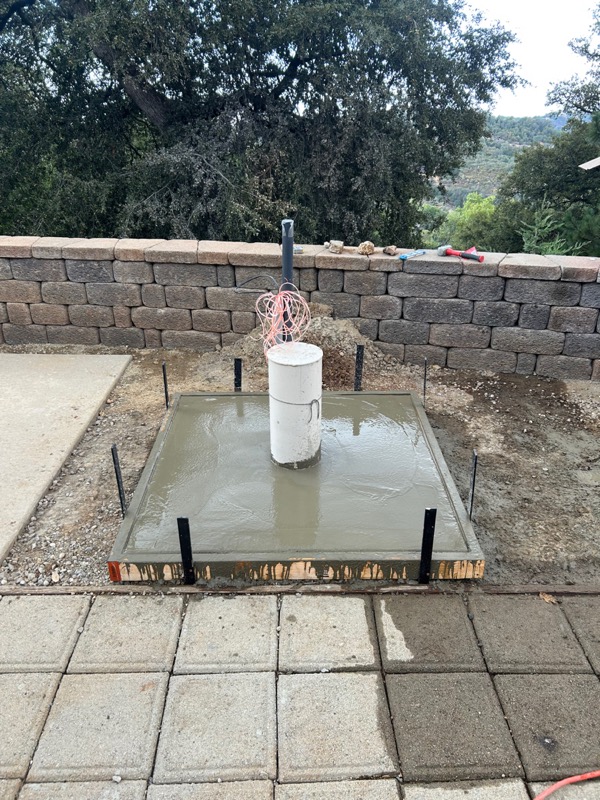
Running a ranch or farm in French Valley? Your water supply is the lifeblood of your operation. Southern California Well Service provides complete well services for Riverside County agricultural properties.
📋 In This Guide
- Agricultural Well Applications
- High-Volume Well Drilling
- Irrigation System Integration
- Agricultural Well Maintenance
- Related Articles
Agricultural Well Applications
- Stock watering: Cattle, horses, goats, sheep
- Crop irrigation: Orchards, vineyards, row crops
- Domestic supply: Ranch house and worker housing
- Processing: Dairy, meat processing facilities
- Fire protection: Emergency water supply
High-Volume Well Drilling
Agricultural operations need serious water production. We drill and equip wells capable of:
- 50-500+ GPM production
- Large diameter casings for high-capacity pumps
- Deep wells reaching productive aquifer zones
- Multiple well systems for redundancy
Irrigation System Integration
We work with your irrigation needs:
- Variable frequency drives for efficiency
- Pressure systems for drip or sprinkler irrigation
- Storage and distribution tanks
- Booster pump systems
Agricultural Well Maintenance
Keep your agricultural well running at peak efficiency with regular maintenance:
- Annual pump inspection
- Flow rate testing
- Water quality monitoring
- Preventive repairs before failure
Need Help With Your Well in French Valley?
Our expert technicians serve French Valley and all of Riverside County with professional well services.
Related Articles
Continue learning about well maintenance and troubleshooting
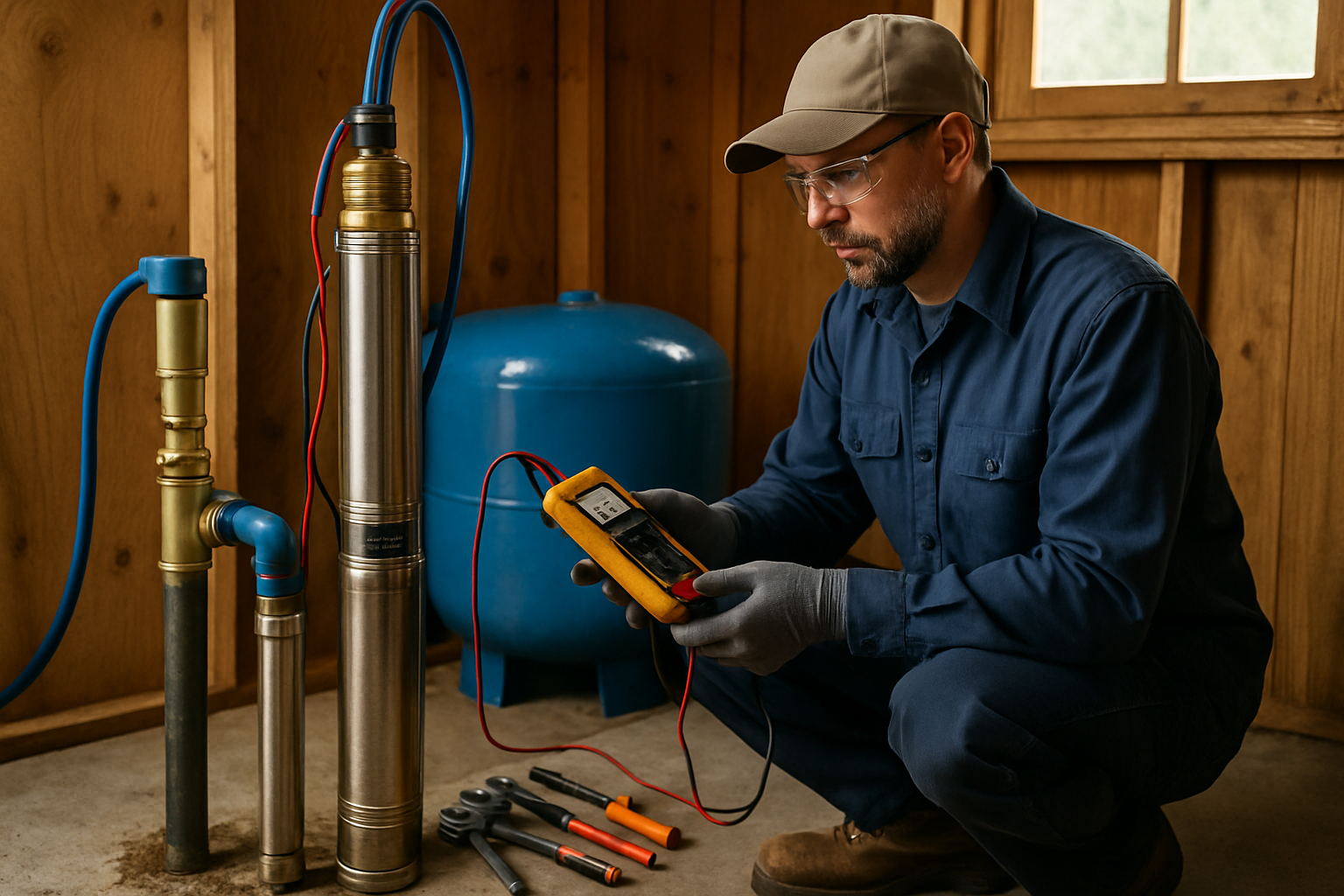
Signs Your Well Pump Is Failing
Catch pump problems early before you lose water completely.
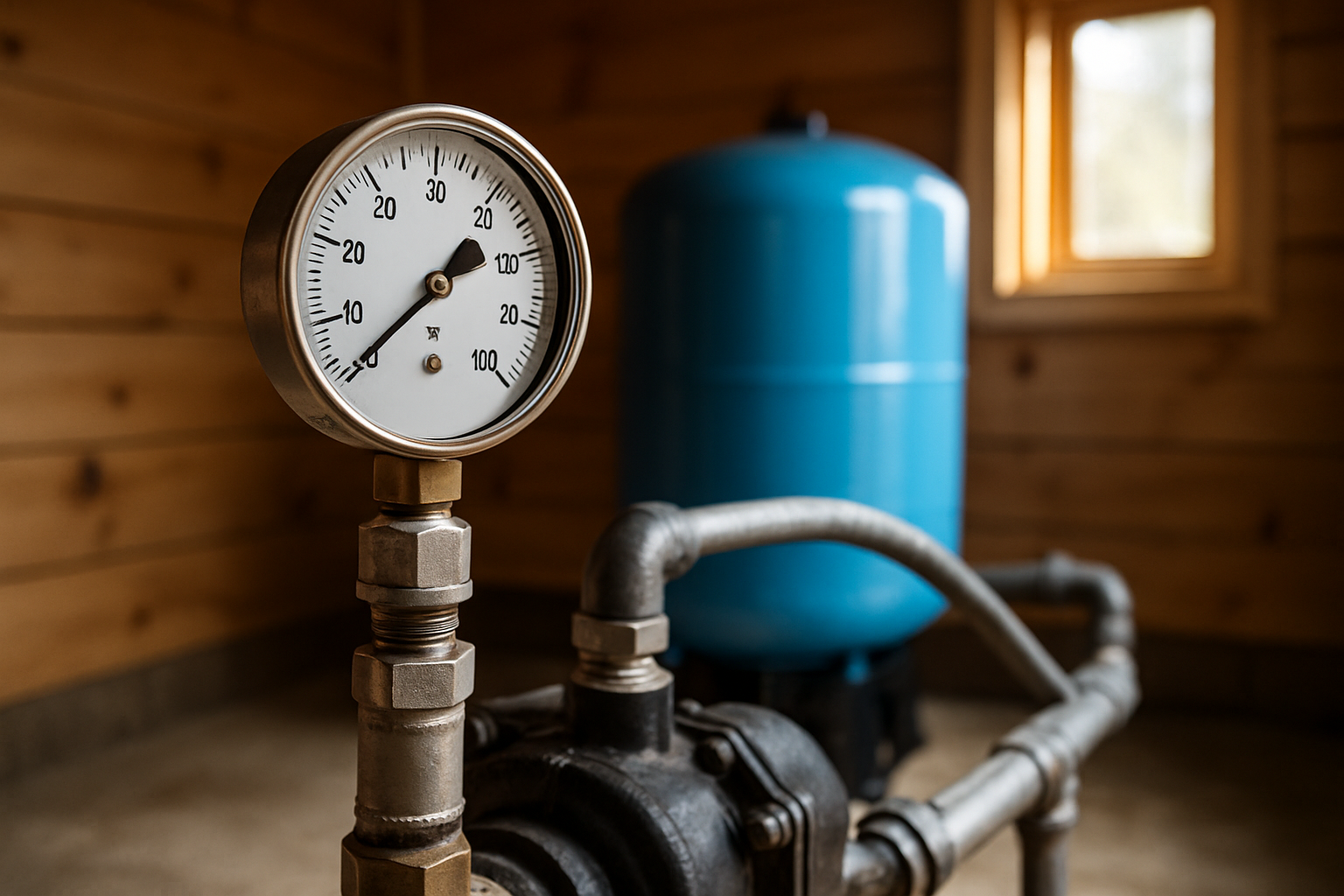
Low Water Pressure From Well
Diagnose and fix pressure problems before they get worse.
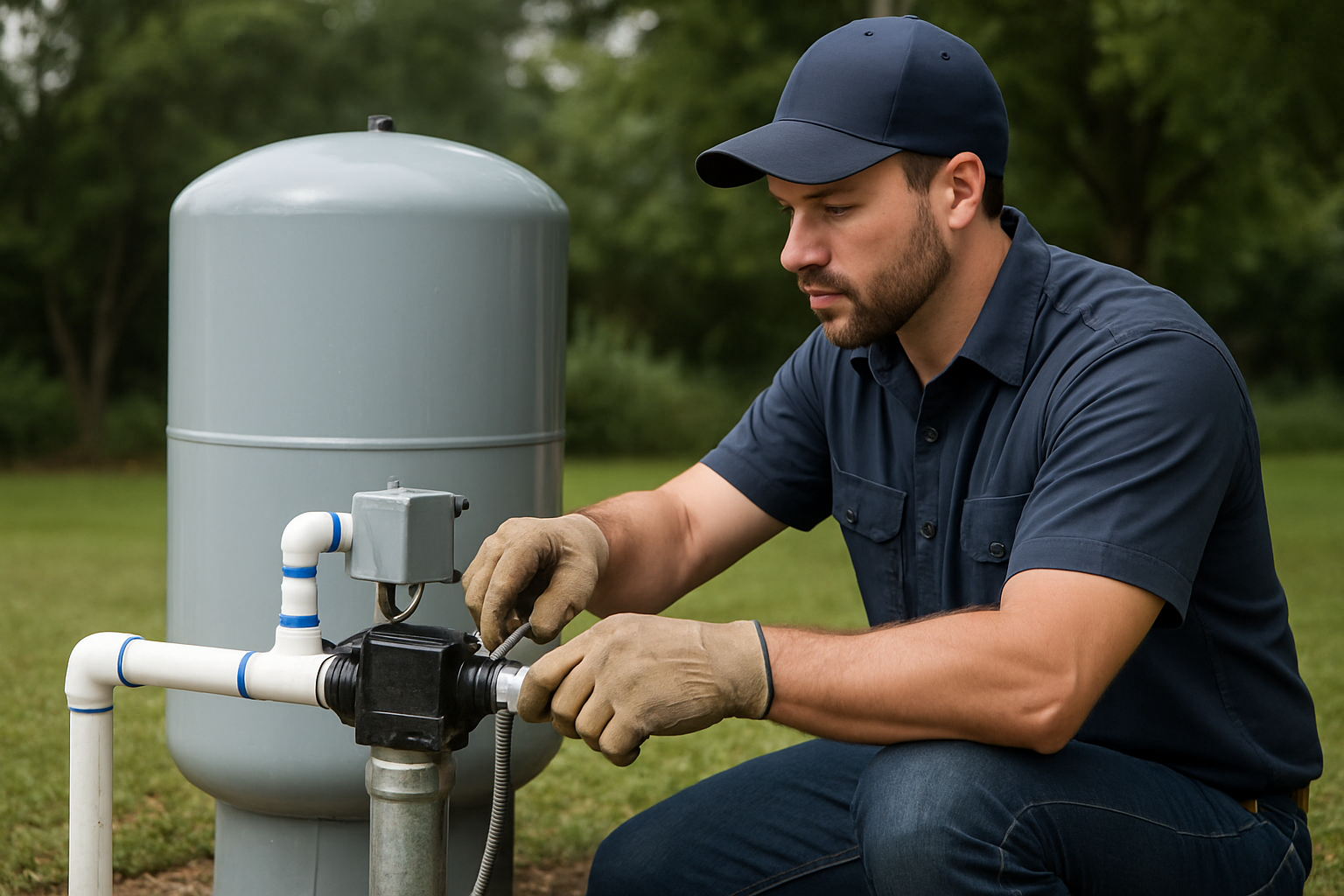
Well Maintenance Guide
Keep your well running smoothly with regular maintenance.
Our Locations
1077 Main St, Ramona, CA 92065
57174 US Highway 79, Anza, CA 92539
Ranch Water in French Valley: Building a Well System That Keeps Pace With Horses, Vineyards, and Drought
French Valley sits in a pocket of southwest Riverside County, tucked between Murrieta, Temecula, and Winchester just a few miles northeast of the Temecula Valley wine country and immediately around French Valley Airport. It is one of the last genuinely semi-rural corners of the region, where large lots, horse ranches, fenced pastures, and small vineyards still define the landscape. The De Portola Wine Trail and the surrounding hill country pull vineyard and equestrian acreage right up to the edge of town, and many property owners here have deliberately chosen the space, privacy, and grazing room that a ranch parcel offers over a tract lot in the valley below.
That rural character comes with a hard requirement: dependable water, often a great deal of it, and frequently from a private well rather than a metered municipal connection. A horse property with pasture, a hobby vineyard, a working cattle operation, and a household all draw from the same source, and the demand swings wildly between a cool morning in March and a 100-degree afternoon in August. At Southern California Well Service, a licensed C-57 contractor with more than 30 years drilling, equipping, and servicing wells across Riverside, San Diego, and San Bernardino counties, we design French Valley ranch systems around those realities. This guide walks through how a property's water demand stacks up, how to size and build a system that handles peak and reserve, and what it takes to keep that system reliable through drought.
A French Valley Ranch's Water Demands
The first step is honest accounting. A ranch is not a house with a hose; it is several competing demands layered on top of each other, and each one peaks at a different time. Underestimating any of them is how owners end up with a well that runs dry by mid-afternoon in July.
Livestock is the steady baseline. A horse typically drinks on the order of 10 to 12 gallons per day, and considerably more in summer heat or when in heavy work. Cattle drink substantially more, commonly in the range of 20 to 30 gallons per head per day, again rising sharply with temperature and lactation. Multiply that across a string of horses or a herd and add troughs, wash racks, and cooling, and livestock alone can represent a large, non-negotiable daily draw that cannot simply be skipped on a hot day.
Pasture and vineyard or crop irrigation is usually the largest and most seasonal demand. Irrigated pasture, hay ground, and even a modest hillside vineyard near the wine country can dwarf every other use during the dry months. Vineyards in particular need carefully timed water through the growing season, and pasture greened through a Riverside County summer is thirsty. This is the demand that defines your peak.
Household use, while real, is often the smallest slice on a working ranch, but it carries the highest expectation for reliable pressure and quality at the tap.
Fire and defensible-space reserve rounds out the picture. In this brushy, fire-prone part of Riverside County, a stored reserve dedicated to wetting down defensible space or supplying responding crews is not a luxury. We do not invent a single site total here, because every parcel differs in acreage, stock count, and planting. The point is to add these demands up honestly for your property and then design backward from the worst day of the year, not the average one.
Designing a Ranch Water System
Few French Valley wells produce a torrent on demand. Many are perfectly good wells with modest, steady yields, and the secret to making a modest well serve a heavy ranch load is storage. Rather than asking the well and pump to meet your peak instantaneous demand, a well-designed ranch system lets the well fill a storage tank steadily around the clock while a separate booster system delivers pressure and volume to the property when you need it.
A typical ranch layout has four parts working together:
- The well and submersible pump, sized to the well's sustainable yield rather than its short-term maximum, filling storage at a pace the aquifer can support.
- Storage, commonly in the range of 2,500 to 10,000 gallons or more, buffering a modest-yield well so that pasture irrigation, livestock, and household demand can all spike simultaneously without overdrawing the well.
- A booster pump, often with a constant-pressure (VFD) controller, drawing from storage to deliver steady pressure to barns, troughs, irrigation zones, and the house regardless of how many demands open at once.
- A dedicated fire and defensible-space reserve, frequently with fire-department-compatible fittings so responding crews can connect, kept full and separate from daily draw.
This architecture is the single most important decision on a ranch property. It is what turns a 15- or 20-gallon-per-minute well into a system that behaves like a much larger one, and it is why a storage-and-booster package, often in the $3,000 to $8,000 range depending on tank size and controls, is money well spent. A turnkey new ranch or agricultural well, by contrast, runs from roughly $25,000 to $60,000 and up depending on depth, geology, and equipment, and a pump replacement typically falls between $2,500 and $8,000.
Water Quality for Livestock and Vineyards
Quantity is only half the equation. Around French Valley, groundwater drawn from the alluvial valley floor and from the surrounding fractured-rock hills carries different mineral signatures, and what is acceptable for one use may be a problem for another.
Hardness from dissolved calcium and magnesium is common and tends to scale up pipes, troughs, drip emitters, and booster equipment over time. Total dissolved solids and salinity deserve particular attention on vineyard and crop ground; grapevines and many crops are sensitive to salt accumulation in the root zone, and high-TDS irrigation water can quietly degrade a vineyard's soil over seasons. Iron and manganese can stain, clog drip irrigation, and foul equipment. And on parcels near agricultural activity, nitrates are worth testing for, since elevated nitrate is a livestock and drinking-water concern.
The right move is always to test before you treat. A water analysis tells us what your specific well is delivering, and from there we can recommend targeted treatment, whether that is softening for hardness, filtration for iron and manganese, or other conditioning matched to how the water will actually be used across the ranch.
Drought Resilience, Reliability, and Backup
Southern California cycles through extended dry periods, and Riverside County groundwater feels it. Water tables in the Temecula and Murrieta valley area fluctuate meaningfully between wet and dry seasons, and sustained drought combined with regional pumping can pull levels down further. Wells in this area should be drilled and equipped with that fluctuation in mind, deep enough and set correctly so they keep producing through the dry years rather than only the wet ones.
Reliability on a ranch is also about redundancy. When a single well and pump are the only thing between your livestock and an empty trough, a failure becomes an emergency. Generous storage is itself a form of redundancy, buying you a day or more of supply if the pump goes down. Backup power, typically a properly sized generator or transfer setup, keeps water flowing through the grid outages that accompany fire weather and heat waves. And basic monitoring of water level, pressure, and pump cycling lets us catch a developing problem before it strands you.
There is a financial angle too. A reliable private well is a powerful hedge against the cost of metered water. For a ranch irrigating pasture or vineyard, buying that volume from a meter is expensive, and a well that offsets irrigation demand can pay for itself in a way that is impossible on a small lot. In French Valley, where parcels are large and irrigation loads are heavy, that math strongly favors investing in a well system that can carry the load year after year.
Maintenance and Common Ranch Well Issues in French Valley
Ranch wells work harder than residential ones, and they wear accordingly. The issues we see most often around French Valley include:
- Scaling from hard water building up inside pipes, pressure tanks, booster pumps, and irrigation emitters, gradually choking flow.
- Sediment, especially in wells set in alluvial sands and gravels, which can wear pumps and cloud water if the well or pump is not properly configured.
- Heavy pump cycling, where a pump short-cycles against fluctuating demand and wears out prematurely. This is exactly the wear a storage-and-booster design is meant to eliminate.
- Declining yield, sometimes seasonal with drought and sometimes a sign of a fouling screen or a falling water table that needs the pump reset deeper.
- Aging casing and equipment on older ranch wells, where decades of service eventually call for rehabilitation, a new pump, or in some cases a replacement well.
Regular service, periodic water testing, and a diagnostic when something changes are far cheaper than an emergency on a hot afternoon with thirsty stock. Our diagnostic visit is $125, credited toward the work if you move forward.
When to Call Southern California Well Service
Call us when your pressure drops or fluctuates, when the well struggles to keep up with summer irrigation, when water turns cloudy, gritty, or stained, when you hear a pump cycling on and off rapidly, or when production has fallen off compared with prior years. Call us also when you are planning ahead: adding stock, putting in a vineyard, expanding irrigated pasture, or building out fire reserve. We hold a C-57 license, carry a 4.9-star rating, and offer same-day emergency service, because on a ranch a water failure cannot wait.
Serving French Valley and Southwest Riverside County
Southern California Well Service works throughout French Valley and the surrounding communities of Murrieta, Temecula, Winchester, Wildomar, and Menifee, along with the wider Riverside, San Diego, and San Bernardino county region. We operate from two offices: our Ramona location at 1077 Main St, Ramona, CA 92065, and our Anza location at 57174 US Hwy 79, Anza, CA 92539. Anza is a reasonable run to French Valley by way of Highway 79 and 371, which keeps our crews close when a ranch needs a fast response. Reach us by phone at (760) 440-8520 or by text at (619) 259-0410.
Frequently Asked Questions
Do I need a permit to drill a well in Riverside County?
Yes. Well construction in Riverside County requires permitting through the county, and the work must be done by a licensed C-57 contractor. As a licensed driller, we handle the permitting process and make sure your ranch well is built to code, which protects both your investment and the aquifer.
How deep will a well in French Valley need to be?
It depends on where your parcel sits. Properties on the alluvial valley floor often reach adequate water at relatively shallow depths, while parcels up in the surrounding fractured-rock hills toward wine country frequently need to go significantly deeper to intersect productive fractures. We evaluate your specific location before estimating depth rather than quoting a number blind.
What does a ranch well cost?
A turnkey new ranch or agricultural well generally runs from about $25,000 to $60,000 and up depending on depth, geology, and equipment. A storage-and-booster package typically falls in the $3,000 to $8,000 range, and a pump replacement between $2,500 and $8,000. A $125 diagnostic, credited toward the work, is the right place to start.
Can a well actually support vineyard or pasture irrigation?
Yes, and storage is the key. Even a modest-yield well can carry heavy irrigation when it fills a properly sized storage tank around the clock and a booster system delivers volume on demand. This design is exactly how French Valley ranches and vineyards make a steady well meet a peaky irrigation load.
Should I test my well water?
Absolutely. Testing reveals hardness, TDS and salinity, iron and manganese, nitrates, and other factors that affect livestock, household use, and vineyard health. We recommend testing before installing any treatment so the solution is matched to what your well actually delivers.
How fast can you respond to an emergency?
We offer same-day emergency service. When a ranch loses water with stock to keep watered, that is a priority, and our Anza office is positioned close to French Valley by Highway 79 and 371 to keep response times short.
Keep Your French Valley Ranch Watered Year-Round
Whether you are planning a new ranch well, sizing storage for a growing herd or vineyard, or troubleshooting a system that no longer keeps up with summer, Southern California Well Service has the licensed experience to design and build it right. Call us today at (760) 440-8520 or send a text to (619) 259-0410 to schedule a diagnostic and put a reliable, drought-ready water system to work on your French Valley property.