
Ranch & Agricultural Well Services in Garner Valley
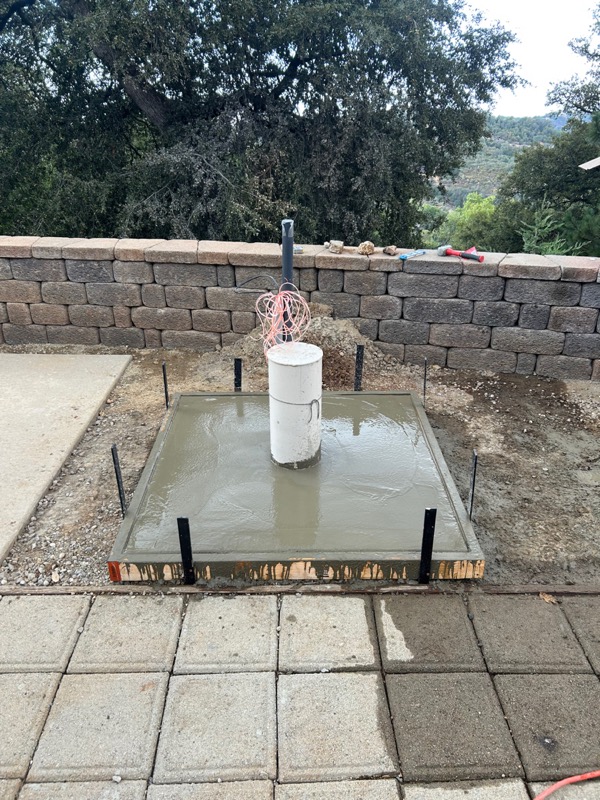
Running a ranch or farm in Garner Valley? Your water supply is the lifeblood of your operation. Southern California Well Service provides complete well services for Riverside County agricultural properties.
📋 In This Guide
- Agricultural Well Applications
- High-Volume Well Drilling
- Irrigation System Integration
- Agricultural Well Maintenance
- Related Articles
Agricultural Well Applications
- Stock watering: Cattle, horses, goats, sheep
- Crop irrigation: Orchards, vineyards, row crops
- Domestic supply: Ranch house and worker housing
- Processing: Dairy, meat processing facilities
- Fire protection: Emergency water supply
High-Volume Well Drilling
Agricultural operations need serious water production. We drill and equip wells capable of:
- 50-500+ GPM production
- Large diameter casings for high-capacity pumps
- Deep wells reaching productive aquifer zones
- Multiple well systems for redundancy
Irrigation System Integration
We work with your irrigation needs:
- Variable frequency drives for efficiency
- Pressure systems for drip or sprinkler irrigation
- Storage and distribution tanks
- Booster pump systems
Agricultural Well Maintenance
Keep your agricultural well running at peak efficiency with regular maintenance:
- Annual pump inspection
- Flow rate testing
- Water quality monitoring
- Preventive repairs before failure
Need Help With Your Well in Garner Valley?
Our expert technicians serve Garner Valley and all of Riverside County with professional well services.
Related Articles
Continue learning about well maintenance and troubleshooting

Signs Your Well Pump Is Failing
Catch pump problems early before you lose water completely.
Low Water Pressure From Well
Diagnose and fix pressure problems before they get worse.
Well Maintenance Guide
Keep your well running smoothly with regular maintenance.
Our Locations
1077 Main St, Ramona, CA 92065
57174 US Highway 79, Anza, CA 92539
Garner Valley Geology and Well Depths
Garner Valley sits at approximately 4,500 feet elevation in the Peninsular Ranges, surrounded by Thomas Mountain, Cahuilla Mountain, and the San Jacinto Range. The local geology consists primarily of fractured granite and metamorphic rock, with limited alluvial deposits in the valley floor.
Expected Well Depths by Location
| Location | Typical Depth | Geology | Notes |
|---|---|---|---|
| Valley floor | 150-300 ft | Alluvial over granite | Shallow aquifer possible |
| Hillside properties | 300-500 ft | Fractured granite | Most common in area |
| Mountain slopes | 400-600 ft | Crystalline bedrock | Lower yields common |
Water quality characteristics: Garner Valley wells typically produce moderately hard water (5-15 grains) with occasional iron staining in fractured granite zones. Seasonal fluctuations are common — water levels drop during dry periods and recover after winter precipitation.
Ranch Well Applications in Garner Valley
Agricultural properties in Garner Valley — primarily cattle ranches, horse properties, and small-scale farming operations — require reliable well systems tailored to their specific needs.
Stock Watering Systems
Livestock operations need consistent water delivery, often to multiple pasture areas across large properties.
Typical requirements:
- Cattle operations: 10-15 gallons per head daily — a 50-head herd needs 500-750 GPD
- Horse boarding facilities: 8-10 gallons per horse daily, more during summer heat
- Mixed livestock: Combined systems with distribution tanks and float valves
System components we install:
- 1.5-3 HP submersible pumps for moderate to high volume
- Storage tanks (500-2,500 gallons) for consistent supply
- Distribution lines to multiple troughs or pastures
- Float valves and pressure switches for automatic operation
- Backup power compatibility (generator hookup) for extended outages
Irrigation and Crop Production
While Garner Valley's climate limits large-scale agriculture, many properties irrigate pasture, hay fields, orchards, or vegetable gardens.
Variable Frequency Drive (VFD) systems: Modern ranch wells often use VFDs to maintain constant pressure while adjusting pump speed to match demand. This provides:
- Lower energy costs (pump only runs as fast as needed)
- Extended pump lifespan (reduced cycling wear)
- Consistent pressure for drip or sprinkler irrigation
- Smooth startup/shutdown (reduces water hammer)
Drip irrigation integration: For orchards, vineyards, or gardens, we can tie your well system into low-pressure drip lines with filtration and pressure regulation.
Dual-Purpose Systems: Domestic + Ranch Use
Most Garner Valley properties use a single well for both the main residence and agricultural operations. We design these systems with:
- Adequate capacity for peak demand (ranch house morning showers + stock watering)
- Separate pressure zones if needed (higher pressure for house, lower for pastures)
- Filtration and softening for household use only
- Emergency shutoff valves to isolate sections during repairs
Fire Protection and Emergency Water Supply
In Garner Valley's wildfire-prone environment, a dedicated fire suppression water supply can protect your property and meet insurance requirements.
Options we install:
- 2,500-10,000 gallon storage tanks with fire department connections
- High-volume pumps (50+ GPM) for fire hoses or sprinkler systems
- Hydrant access points around buildings and structures
- Backup power systems (generator or solar-powered pumps)
High-Volume Well Drilling for Agricultural Use
Ranch operations often require wells with significantly higher production capacity than residential systems.
Drilling Process and Costs
Turnkey ranch well installation in Garner Valley typically includes:
- Site evaluation and geology assessment
- Riverside County well permit (required for all new wells)
- Drilling 6" or 8" diameter bore to productive aquifer
- Steel casing installation and cementing
- Pump and control system
- Pressure tank and distribution plumbing
Cost range for complete agricultural well systems:
| System Type | Depth Range | Estimated Cost | Typical Flow Rate |
|---|---|---|---|
| Basic stock watering well | 200-350 ft | $22,000-$35,000 | 10-20 GPM |
| Standard ranch well | 300-450 ft | $30,000-$45,000 | 15-30 GPM |
| High-capacity agricultural well | 400-600 ft | $40,000-$65,000 | 30-50+ GPM |
Costs include drilling, casing, pump, tank, controls, and standard installation. Rocky terrain, deeper wells, or complex surface plumbing may increase costs.
Large-Diameter Wells for High Volume
For operations requiring 50+ GPM production — such as large cattle ranches, commercial boarding facilities, or irrigation-heavy farms — we drill larger-diameter wells (8" or 10" casing) to accommodate high-capacity pumps.
Benefits:
- Support for 3-5+ HP pumps without excessive drawdown
- Better aquifer connection (more screen exposure)
- Redundancy for future pump upgrades
- Lower friction losses at high flow rates
Pump Selection and Equipment for Ranch Wells
Choosing the right pump and equipment is critical for long-term reliability in agricultural settings where downtime can impact livestock welfare or crop health.
Top Submersible Pump Brands for Agricultural Use
Franklin Electric: Industry standard for agricultural wells. Their 3-wire motors (with external control boxes) are easier to service than 2-wire designs. We stock Franklin pumps and parts locally for fast repairs.
Grundfos: Premium European pumps known for efficiency and longevity. Their SQFlex solar-compatible models are ideal for remote ranch applications with no grid power.
Goulds: Reliable American-made pumps with excellent support. Their agricultural series handles sand and grit better than residential models.
Sta-Rite: Cost-effective option for budget-conscious ranch owners. Not as durable as Franklin or Grundfos but serviceable for moderate-duty applications.
Control Systems and Automation
Variable Frequency Drives (VFDs): For ranch wells with varying demand — such as morning peak use for stock watering followed by low daytime demand — VFDs adjust pump speed to maintain constant pressure without cycling on/off repeatedly.
Benefits for agricultural operations:
- Energy savings of 20-40% vs. traditional pressure switch systems
- Consistent pressure for irrigation or multiple stock tanks
- Reduced mechanical stress extends pump life 30-50%
- Soft starts prevent electrical surges in rural areas with weak power grids
Cost: VFD systems add $1,200-$2,500 to installation but typically pay back in 3-5 years through energy savings and avoided pump replacements.
Storage Tank Systems
Many ranch operations benefit from large storage tanks (500-2,500 gallons) to buffer well production and provide reserve capacity during peak demand or power outages.
System design:
- Well pump fills storage tank automatically via float switch
- Booster pump delivers water from tank to distribution system
- Gravity-fed systems work on sloped properties without booster pumps
- Backup generator powers booster pump during grid outages
Water Treatment for Ranch Wells
Garner Valley wells often produce hard water with iron or manganese staining. Treatment systems protect plumbing, appliances, and livestock health.
Water Softeners
Hardness over 10 grains per gallon (common in Garner Valley) can damage water heaters, irrigation emitters, and stock tank valves.
Agricultural softener sizing: Unlike residential softeners, ranch systems must handle high flow rates and extended regeneration cycles. We install commercial-grade units rated for continuous operation.
Cost: $1,800-$4,500 installed depending on capacity and regeneration frequency.
Iron and Manganese Filters
Fractured granite aquifers in Garner Valley sometimes carry dissolved iron or manganese, causing red/brown staining on fixtures, troughs, and irrigation equipment.
Treatment options:
- Sediment filters: $300-$800 for whole-house cartridge systems (requires regular filter replacement)
- Oxidizing filters: $2,200-$4,500 for backwashing systems that remove iron/manganese chemically
- Chemical injection (chlorination): $1,500-$3,000 for continuous dosing systems
UV Disinfection for Stock Watering
Wells near septic systems or surface water drainage may require UV treatment to eliminate bacteria and ensure safe livestock consumption.
Cost: $900-$1,800 installed, with annual bulb replacement ($80-$150).
Agricultural Well Maintenance Schedule
Ranch wells work harder than residential wells — they run longer hours, handle higher volumes, and often operate in dirty or dusty environments. Preventive maintenance prevents expensive downtime.
Annual Inspection (Recommended)
- Flow rate test: Measure GPM output to detect declining production
- Static and pumping water levels: Track aquifer health and drawdown
- Amp draw test: Check for motor wear or pump binding
- Pressure switch calibration: Ensure proper cut-in/cut-out settings
- Tank bladder inspection: Test for waterlogging or bladder failure
- Control box/VFD diagnostics: Check for loose connections, corrosion, or error codes
Cost: $225-$350 for comprehensive inspection with written report.
3-Year Maintenance Tasks
- Well camera inspection to check casing integrity and screen condition
- Water quality testing (bacteria, hardness, iron, manganese, TDS)
- Pump pull and inspection if flow rate has declined >20%
Emergency Preparedness
Keep on hand:
- Backup pressure switch ($40-$80)
- Spare control box fuses or breakers
- Generator hookup for critical stock watering during outages
- Contact info for emergency well service (our 24/7 number: 760-440-8520)
Riverside County Permits and Regulations
All new well drilling in Garner Valley requires permits from Riverside County Environmental Health.
Permit Requirements
- Well construction permit: Required before drilling begins (we handle this as part of our service)
- Setback distances: 50 feet from septic systems, 100 feet from leach fields, 150 feet from sewage disposal areas
- Water quality testing: Required within 30 days of well completion (bacteria and nitrates)
- Completion report: Driller must file report with county within 30 days
Permit cost: $500-$800 depending on well depth and location. We include permit coordination in our turnkey pricing.
Groundwater Management
Garner Valley is not currently part of a SGMA (Sustainable Groundwater Management Act) basin, so agricultural wells face minimal extraction restrictions. However, during severe droughts, monitoring may be required.
Frequently Asked Questions
How much does a ranch well cost in Garner Valley?
Complete turnkey installation ranges from $22,000 for a basic stock watering well (200-300 ft) to $65,000+ for a high-capacity agricultural well (500+ ft, 50 GPM). Costs depend on depth, geology, pump size, and distribution system complexity.
What well depth is needed for a Garner Valley ranch?
Valley floor properties typically find water at 150-300 feet in alluvial deposits. Hillside and mountain properties usually require 300-600 feet to reach productive fractured granite aquifers. We can assess your specific property with a site visit.
Can a single well handle both domestic and livestock use?
Yes, most Garner Valley ranches use one well for all purposes. We size the pump and storage system to handle peak demand — typically morning household use plus stock watering. Separate pressure zones can provide higher pressure for the house and lower pressure for pasture troughs.
How much water does livestock need daily?
Cattle: 10-15 gallons per head. Horses: 8-10 gallons. Sheep/goats: 1-2 gallons. A 50-head cattle operation needs 500-750 gallons daily, plus household use (200-400 GPD for a family). Total well capacity should exceed peak demand by 20-30%.
Should I install a VFD for my ranch well?
If your operation has varying water demand — morning peaks, midday lows — a VFD provides energy savings (20-40%) and extends pump life. For steady, constant-flow operations (continuous irrigation), a traditional pressure switch system may suffice. We'll recommend the best option based on your usage pattern.
What are common well problems in Garner Valley?
Hard water mineral buildup (pump and valve scaling), iron staining on troughs and fixtures, declining yields during drought, pressure tank waterlogging, and electrical issues from rural power fluctuations. Annual maintenance catches most problems before they cause downtime.
How long does it take to drill a ranch well?
Site prep, drilling, casing installation, and pump setup typically take 3-5 days for standard-depth wells (250-400 ft). Deeper wells (500+ ft) or rocky terrain may require 5-7 days. We provide realistic timelines after site assessment.
Do I need a separate well for fire protection?
Not necessarily. Many ranches install large storage tanks (2,500-10,000 gallons) filled by the primary well with fire department connections for emergency use. This provides fire protection without the cost of drilling a second well. We can design systems that meet CalFire and insurance requirements.
Can I use solar power for my ranch well?
Yes. Grundfos SQFlex pumps are designed for off-grid solar operation. For properties without grid power or seeking energy independence, we install solar-powered well systems with battery backup for nighttime or cloudy-day operation. Initial cost is higher but eliminates electric bills.
What maintenance does a ranch well need?
Annual flow testing, amp draw checks, pressure calibration, and tank inspection. Water quality testing every 2-3 years. Camera inspection every 5-7 years. High-volume agricultural wells work harder than residential wells and benefit from proactive maintenance to avoid costly emergency repairs during critical operations.