
Ranch & Agricultural Well Services in Home Gardens
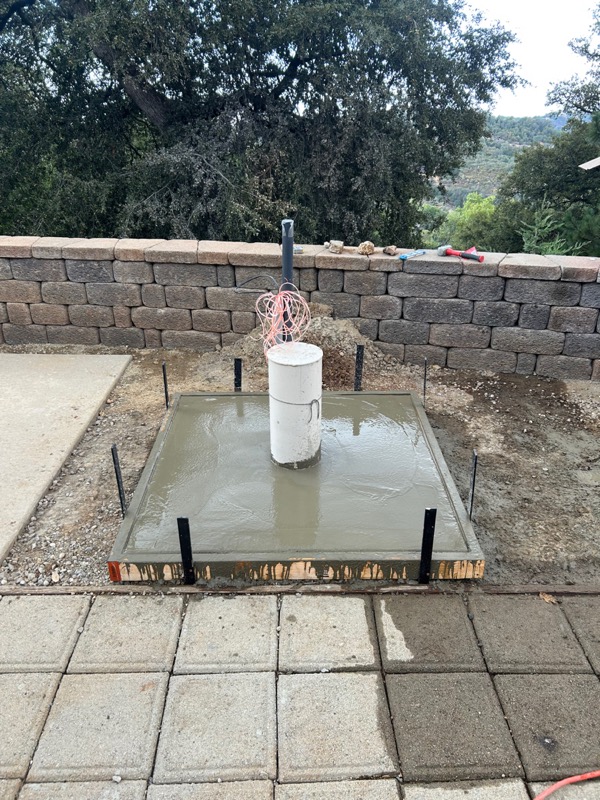
Running a ranch or farm in Home Gardens? Your water supply is the lifeblood of your operation. Southern California Well Service provides complete well services for Riverside County agricultural properties.
📋 In This Guide
- Agricultural Well Applications
- High-Volume Well Drilling
- Irrigation System Integration
- Agricultural Well Maintenance
- Related Articles
Agricultural Well Applications
- Stock watering: Cattle, horses, goats, sheep
- Crop irrigation: Orchards, vineyards, row crops
- Domestic supply: Ranch house and worker housing
- Processing: Dairy, meat processing facilities
- Fire protection: Emergency water supply
High-Volume Well Drilling
Agricultural operations need serious water production. We drill and equip wells capable of:
- 50-500+ GPM production
- Large diameter casings for high-capacity pumps
- Deep wells reaching productive aquifer zones
- Multiple well systems for redundancy
Irrigation System Integration
We work with your irrigation needs:
- Variable frequency drives for efficiency
- Pressure systems for drip or sprinkler irrigation
- Storage and distribution tanks
- Booster pump systems
Agricultural Well Maintenance
Keep your agricultural well running at peak efficiency with regular maintenance:
- Annual pump inspection
- Flow rate testing
- Water quality monitoring
- Preventive repairs before failure
Need Help With Your Well in Home Gardens?
Our expert technicians serve Home Gardens and all of Riverside County with professional well services.
Related Articles
Continue learning about well maintenance and troubleshooting

Signs Your Well Pump Is Failing
Catch pump problems early before you lose water completely.
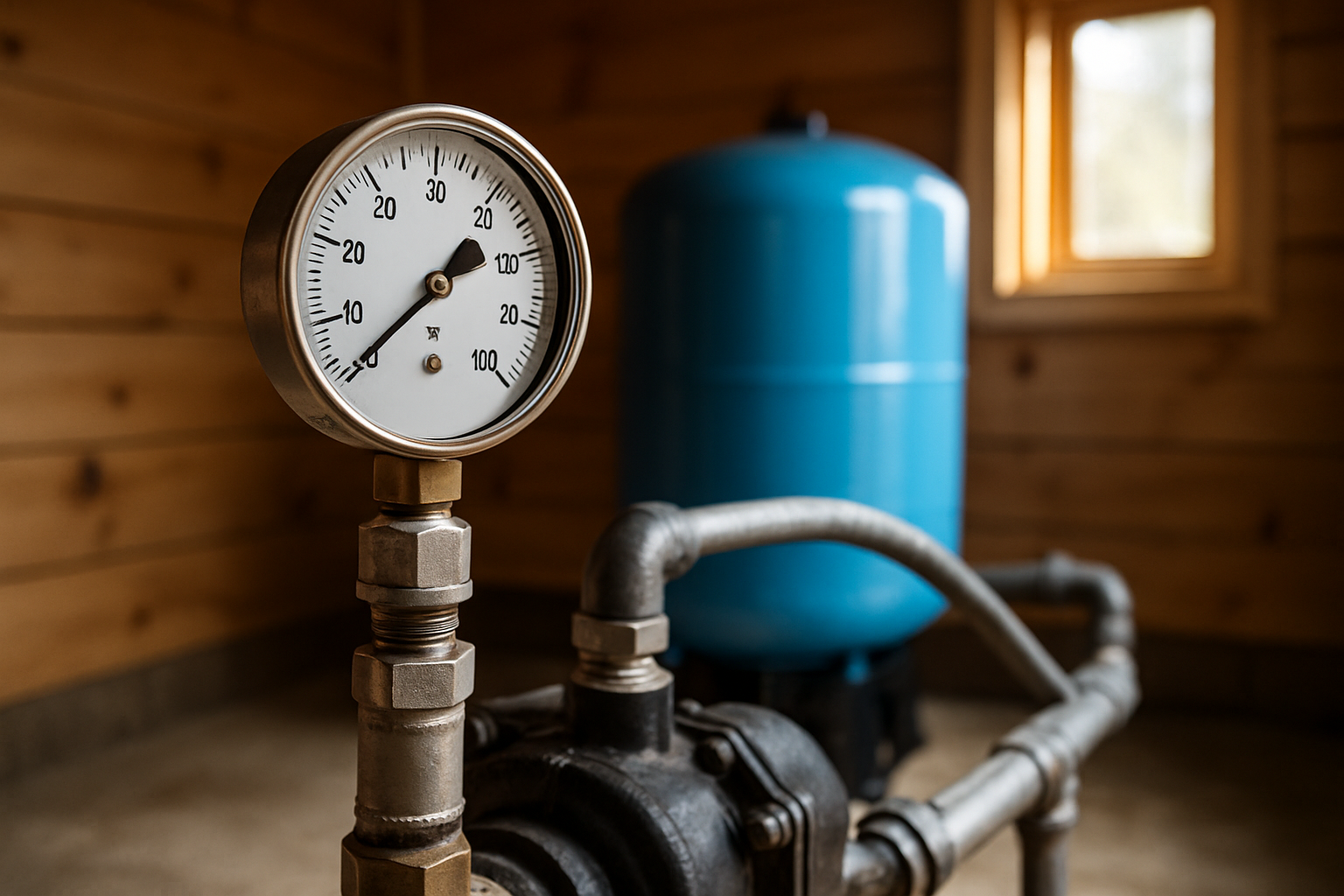
Low Water Pressure From Well
Diagnose and fix pressure problems before they get worse.

Well Maintenance Guide
Keep your well running smoothly with regular maintenance.
Our Locations
1077 Main St, Ramona, CA 92065
57174 US Highway 79, Anza, CA 92539
Home Gardens Geology & Ranch Well Requirements
Home Gardens is an unincorporated community in western Riverside County, located between Corona and Riverside along I-215. The local geology determines everything about your ranch well system — depth, yield, cost, and water quality.
Rialto-Colton Basin (Primary Aquifer)
Home Gardens sits on the southern edge of the Rialto-Colton Basin, a broad alluvial plain filled with sand, gravel, and clay deposits from the Santa Ana River and historic alluvial fans. Ranch wells in this zone typically encounter:
- Well depth: 150-350 feet to reach productive water-bearing gravel layers
- Yield: 10-40 GPM typical; higher yields near the paleo-channels (ancient river courses)
- Casing: 6-inch standard for residential/small ranch; 8-inch for high-capacity agricultural wells
- Cost: $18,000-$32,000 turnkey (drilling, casing, pump, pressure tank, electrical)
Water Table & Recharge
The Rialto-Colton Basin benefits from Santa Ana River recharge and managed aquifer recharge projects. However, Home Gardens is downstream from intensive agricultural and urban pumping in Corona and Norco, which affects:
- Static water level: Typically 80-180 feet below surface (varies with seasonal recharge)
- Drawdown: Wells may experience 20-50 feet of drawdown during pumping
- Drought sensitivity: Water levels can drop 30-60 feet during multi-year droughts
Groundwater Basin Management
Home Gardens draws from the Chino Groundwater Basin (specifically the Riverside-Arlington Subbasin), which is managed under California's Sustainable Groundwater Management Act (SGMA). For ranch well owners, this means:
- Riverside County requires well permits for new construction
- Agricultural wells (stock watering, irrigation) may qualify for streamlined permitting
- Monitoring wells are installed throughout the basin to track water levels and quality
- Future groundwater allocations may be implemented if basin sustainability is threatened
Ranch & Agricultural Well Applications in Home Gardens
Stock Watering Systems for Cattle, Horses, & Small Livestock
Home Gardens ranches keep horses, cattle, goats, sheep, and backyard poultry. Stock watering demands:
- Horses: 10-15 gallons/day per adult horse (more in summer heat)
- Cattle: 12-20 gallons/day per head
- Goats/sheep: 2-5 gallons/day per animal
- Poultry: 0.25-0.5 gallons/day per bird (chickens, ducks, turkeys)
Well sizing example: A small ranch with 10 horses + 5 cattle + 20 goats = 350 gallons/day minimum. A 10 GPM well can meet this demand with 35 minutes of pumping, allowing for trough distribution and storage tank refills.
We install complete stock watering systems:
- Atmospheric storage tanks: 500-2,500 gallons polyethylene or steel, with float valves for automatic refill
- Trough distribution: Gravity-fed or pressure-fed lines to pasture troughs
- Frost protection: Insulated lines and heated troughs (rare in Riverside County but useful during occasional freezes)
- Backup power: Generator transfer switches for well pump operation during power outages
Irrigation for Pasture, Hay Fields, & Small Orchards
Home Gardens properties grow irrigated pasture for livestock, hay fields, and small citrus/avocado orchards. Irrigation well requirements:
- Drip irrigation (orchard): 30-50 PSI, 5-15 GPM for 1-5 acres
- Sprinkler irrigation (pasture): 50-70 PSI, 15-30 GPM for rotating heads or traveling guns
- Flood irrigation (hay fields): Low pressure, high volume (20-50 GPM for efficient field flooding)
We integrate ranch wells with irrigation infrastructure:
- Variable Frequency Drives (VFDs): Adjust pump speed to match irrigation zone demand, reducing electricity costs 20-40%
- Booster pumps: If your well produces good GPM but low pressure, a booster pump (1-3 HP centrifugal) can meet irrigation PSI requirements without drilling a new well
- Filtration: Sand separators (50-100 micron) protect sprinkler nozzles and drip emitters from clogging
- Storage tanks: 1,000-5,000 gallon tanks buffer peak demand, allowing smaller wells to serve larger irrigation systems by refilling overnight
Domestic Water Supply for Ranch Homes & Guest Houses
Most Home Gardens ranches need domestic water for the main residence, guest cottages, or worker housing. Domestic water demand:
- Single-family home: 3-5 GPM minimum (prevents pressure drops when multiple fixtures run)
- Multiple dwellings: 5-10 GPM to serve 2-3 structures simultaneously
We design dual-purpose wells that handle both domestic and agricultural needs:
- Pressure tanks: 60-120 gallon tanks smooth domestic water delivery and reduce pump cycling
- Water treatment: Softeners for hard water, sediment filters, UV sterilization if bacteria are detected
- Zone valving: Separate domestic and irrigation lines with priority valving to ensure house water during peak irrigation demand
Fire Protection & Emergency Water Storage
Riverside County is fire-prone, and Home Gardens is in a Wildland-Urban Interface (WUI) zone. A well-supplied fire protection system can save your property:
- Fire suppression tanks: 2,500-10,000 gallon aboveground or underground tanks filled and maintained by well pump
- Fire hydrants: Dry or wet systems with fire department connections (rural fire departments bring engines but rely on property water sources)
- High-flow capability: Fire protection requires 50-100+ GPM sustained flow; we can drill high-capacity wells or install booster pump systems
High-Volume Well Drilling for Home Gardens Ranches
Agricultural operations need more than a standard residential well. We drill and equip high-volume ranch wells designed for heavy daily use:
- 30-100 GPM production: Typical for irrigation and large stock watering systems
- 6-inch or 8-inch casing: Larger diameter accommodates high-horsepower pumps (2-10 HP) for sustained flow
- Multiple screen zones: We drill deep enough to intersect multiple water-bearing gravel layers, improving yield and drought resilience
- Redundancy planning: Some ranches install two wells (one primary, one backup) to avoid total water loss if a pump fails during critical times (calving, irrigation season)
Ranch Well Drilling Process in Home Gardens
- Site evaluation: We visit your property, assess topography, discuss water needs, and recommend well location (near demand points, uphill of septic systems, accessible for future maintenance)
- Permit application: We handle Riverside County Environmental Health well permit paperwork (site map, intended use, estimated depth)
- Drilling: Rotary drilling or air hammer to target depth (typically 200-350 feet in Home Gardens)
- Well completion: Steel casing, cement grout seal, sanitary well cap per county code
- Pump & system installation: Submersible pump (Franklin, Grundfos, Goulds, or Sta-Rite), pressure tank or storage tank, control panel, pressure switch
- Testing: Flow rate test (GPM at working pressure), static/pumping water level measurement, water quality sample (we can coordinate lab testing)
- County inspection: Final sign-off from Riverside County Environmental Health
Irrigation System Integration & Efficiency
Variable Frequency Drives (VFDs) for Energy Savings
VFD pump controllers adjust motor speed in real-time to match irrigation demand. Benefits for ranch wells:
- 20-40% energy savings compared to fixed-speed pumps cycling on/off
- Constant pressure: No spikes or drops when irrigation zones open/close
- Soft starts: Gradual ramp-up reduces wear on motor, impellers, and electrical components
We install Franklin Electric SubDrive and Grundfos CU301 VFD systems — the two most reliable brands for agricultural submersible pumps.
Pressure Boosting & Storage Tank Systems
If your well produces good volume but low pressure, we can install:
- Booster pumps: Surface-mounted centrifugal or multi-stage pumps (1-3 HP) that increase PSI for irrigation without drilling a new well
- Storage tanks: 1,000-5,000 gallon polyethylene, steel, or concrete tanks that buffer peak demand. Well refills tank overnight; irrigation draws from storage during the day
- Elevated tanks: If site topography allows, uphill storage tanks use gravity for free pressure (every 2.31 feet of elevation = 1 PSI)
Water Quality & Treatment for Home Gardens Ranch Wells
Common Water Quality Issues
Home Gardens groundwater is generally good, but localized conditions cause problems:
- Hard water (high calcium/magnesium): 15-25 grains per gallon typical; causes scale buildup in pipes, pump impellers, irrigation emitters
- Iron & manganese: Reddish-brown staining in livestock troughs, irrigation lines, sinks; metallic taste
- Total Dissolved Solids (TDS): 300-600 ppm typical; higher TDS can affect crop health and livestock palatability
- Nitrate contamination: Localized nitrate from historic dairy operations, septic systems, or fertilizer runoff (EPA limit: 10 mg/L)
Treatment Solutions
- Water softeners: Ion exchange systems remove calcium/magnesium, protecting pumps and irrigation systems; sizes range from 1.5-3 cubic foot resin tanks for ranch use
- Iron filters: Catalytic media (Birm, Filox, Greensand) oxidizes and filters iron/manganese before it stains fixtures or clogs emitters
- Sediment filters: Whole-house or irrigation-line filters (5-50 micron) remove sand, silt, and particulate matter
- Reverse osmosis (RO): Point-of-use systems for drinking water if TDS or nitrate levels are elevated
Agricultural Well Maintenance & Preventive Service
Ranch wells work harder than residential wells — they pump more hours per day, handle larger volumes, and often run continuously during irrigation season. Preventive maintenance prevents expensive breakdowns.
Annual Well & Pump Inspection
We recommend yearly service visits that include:
- Pump performance test: Measure GPM flow rate, PSI output, voltage/amperage draw (high amperage indicates worn impellers or motor issues)
- Tank inspection: Verify air charge in pressure tank (should be 2 PSI below cut-in pressure), check bladder integrity, test pressure switch calibration
- Electrical system check: Inspect control box, capacitors, relays, wiring for corrosion or heat damage
- Water quality sample: Visual check for sediment, odor, color changes; lab test every 2-3 years for bacteria, nitrate, TDS
Flow Rate Testing & Well Yield Monitoring
We measure your well's recovery rate — how fast it refills after sustained pumping. Declining recovery over time may indicate:
- Well screen clogging (iron bacteria, mineral encrustation)
- Aquifer depletion (regional water table drop from drought or over-pumping)
- Pump wear (impeller erosion reducing efficiency)
Early detection allows corrective action (well rehabilitation, pump replacement, or drilling a deeper well) before you lose water completely.
Pre-Season Irrigation Checks
Before irrigation season starts, we recommend:
- Full-load flow test (run system 2-4 hours, monitor pressure/flow stability)
- Filter cleaning or replacement
- Valve operation check (zone valves, backflow preventers)
- VFD parameter review (adjust ramp times, pressure setpoints if needed)
Emergency Repair Service
When your ranch well fails, you need help now — not next week. We offer:
- Same-day emergency dispatch to Home Gardens (from Ramona or Anza offices, typically 45-60 minute response time)
- 24/7 phone support: (760) 440-8520
- Truck stock: Common submersible pumps (1/2 HP to 5 HP), pressure tanks, control boxes, switches, capacitors on board for immediate repairs
- Temporary water solutions: If we can't fix your well immediately, we can provide referrals for water hauling or portable pump rentals
Riverside County Permits & Regulations for Ranch Wells
All new wells in Home Gardens require Riverside County Environmental Health permits:
- Permit application: Submit before drilling; includes property map, proposed well location, intended use, estimated depth
- Agricultural exemptions: Wells used solely for stock watering or irrigation may qualify for streamlined permitting (check with county)
- Setback requirements: Minimum 50 feet from septic tanks, 100 feet from leach fields, 10 feet from property lines
- Well completion report: Driller submits final well log (depth, casing, grout, static water level, yield) to county within 30 days of completion
- Water quality testing: Initial bacteria test required for domestic use; ongoing testing recommended annually
We handle all permit paperwork and county coordination as part of our drilling service.
Cost Guide for Home Gardens Ranch Wells
| Service | Cost Range | Notes |
|---|---|---|
| New well (200-350 ft, alluvial) | $18,000-$32,000 | Includes 6" casing, pump, tank, electrical |
| High-capacity well (8" casing, 5+ HP pump) | $28,000-$45,000 | For large irrigation systems |
| Pump replacement (2-5 HP agricultural) | $2,800-$6,500 | Franklin/Grundfos/Goulds/Sta-Rite |
| VFD controller installation | $1,800-$3,200 | Franklin SubDrive or Grundfos CU301 |
| Booster pump system (irrigation) | $2,200-$5,000 | Centrifugal or multi-stage, 1-3 HP |
| Storage tank (1,000-5,000 gal) | $800-$4,500 | Polyethylene or steel; installed |
| Water softener (ranch-size) | $1,200-$2,800 | High-flow units for livestock/irrigation |
| Emergency pump repair (off-hours) | $350-$650 trip + parts | After-hours or weekend service |
Why Home Gardens Ranchers Choose Southern California Well Service
- Agricultural experience: We've drilled and serviced ranch wells for decades — we understand stock watering, irrigation, and dual-purpose systems
- Riverside County licensed: C-57 Water Well Drilling Contractor (#1086994)
- Local offices: Ramona and Anza locations mean faster service to Home Gardens (typically 45-60 minute response)
- Full-service capability: Drilling, pump repair, water treatment, electrical, storage tanks — we handle everything in-house
- Fair pricing: No high-pressure sales tactics, no unnecessary upsells. We give honest assessments and competitive bids
- Emergency availability: When your ranch well fails, we respond same-day
Frequently Asked Questions — Home Gardens Ranch Wells
How deep are ranch wells in Home Gardens?
Typical depth is 200-350 feet to reach productive gravel layers in the Rialto-Colton Basin alluvium. Wells near the Santa Ana River corridor may hit water at 150-250 feet; properties farther from the river may require 300-400 feet.
What GPM do I need for a 10-acre ranch with horses and irrigation?
Depends on your specific use. A typical 10-acre ranch with 15 horses + 5 acres of irrigated pasture might need 20-30 GPM. We calculate your actual demand based on livestock count, irrigated acreage, crop type, and domestic use.
Can one well handle both domestic water and irrigation?
Yes, if the well produces enough GPM. A 15-20 GPM well can typically serve a ranch home and small irrigation system. We design dual-purpose systems with pressure tanks for domestic smoothness and direct pumping or storage tanks for irrigation.
Do I need a permit to drill a ranch well in Home Gardens?
Yes. Riverside County Environmental Health requires a well construction permit. We handle the application process, including site maps and intended use documentation. Agricultural wells may qualify for expedited permitting.
How much does it cost to drill a new irrigation well in Home Gardens?
Expect $20,000-$35,000 turnkey for a complete system (drilling, casing, high-capacity pump, storage tank or VFD controls, electrical). Deeper wells or larger pump systems increase cost.
What's the best pump brand for ranch irrigation wells?
Franklin Electric, Grundfos, Goulds, and Sta-Rite are the top choices for agricultural submersible pumps. All four brands offer 2-10 HP models designed for continuous duty and harsh water conditions (sand, minerals). We stock and service all four.
How often should I service my ranch well?
Annual inspection is recommended, with pre-season checks before irrigation starts. High-use wells (running daily for irrigation) benefit from twice-yearly service to catch wear early and prevent breakdowns during critical times.
Can you install a generator connection for my ranch well?
Yes. We install manual or automatic transfer switches so your well can run on a portable or standby generator during power outages. Critical for ranches that depend on well water for livestock.
What if my well runs dry during a drought?
We can deepen the existing well (if geologically feasible), drill a new well in a better location, or install a storage tank system to buffer short-term water shortages. We also offer flow rate testing to assess current capacity vs. demand.
Is the water in Home Gardens safe for livestock?
Generally yes. Rialto-Colton Basin groundwater is good quality, though localized hard water, iron, and nitrate can occur. We recommend initial water quality testing (bacteria, nitrate, TDS, hardness) and ongoing annual testing to monitor changes.