
Ranch & Agricultural Well Services in Mead Valley
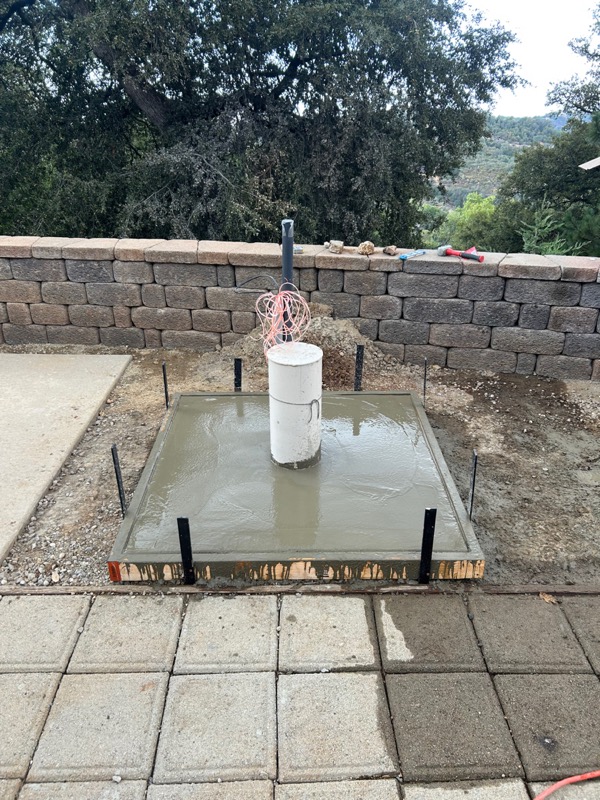
Running a ranch or farm in Mead Valley? Your water supply is the lifeblood of your operation. Southern California Well Service provides complete well services for Riverside County agricultural properties.
📋 In This Guide
- Agricultural Well Applications
- High-Volume Well Drilling
- Irrigation System Integration
- Agricultural Well Maintenance
- Related Articles
Agricultural Well Applications
- Stock watering: Cattle, horses, goats, sheep
- Crop irrigation: Orchards, vineyards, row crops
- Domestic supply: Ranch house and worker housing
- Processing: Dairy, meat processing facilities
- Fire protection: Emergency water supply
High-Volume Well Drilling
Agricultural operations need serious water production. We drill and equip wells capable of:
- 50-500+ GPM production
- Large diameter casings for high-capacity pumps
- Deep wells reaching productive aquifer zones
- Multiple well systems for redundancy
Irrigation System Integration
We work with your irrigation needs:
- Variable frequency drives for efficiency
- Pressure systems for drip or sprinkler irrigation
- Storage and distribution tanks
- Booster pump systems
Agricultural Well Maintenance
Keep your agricultural well running at peak efficiency with regular maintenance:
- Annual pump inspection
- Flow rate testing
- Water quality monitoring
- Preventive repairs before failure
Need Help With Your Well in Mead Valley?
Our expert technicians serve Mead Valley and all of Riverside County with professional well services.
Related Articles
Continue learning about well maintenance and troubleshooting

Signs Your Well Pump Is Failing
Catch pump problems early before you lose water completely.
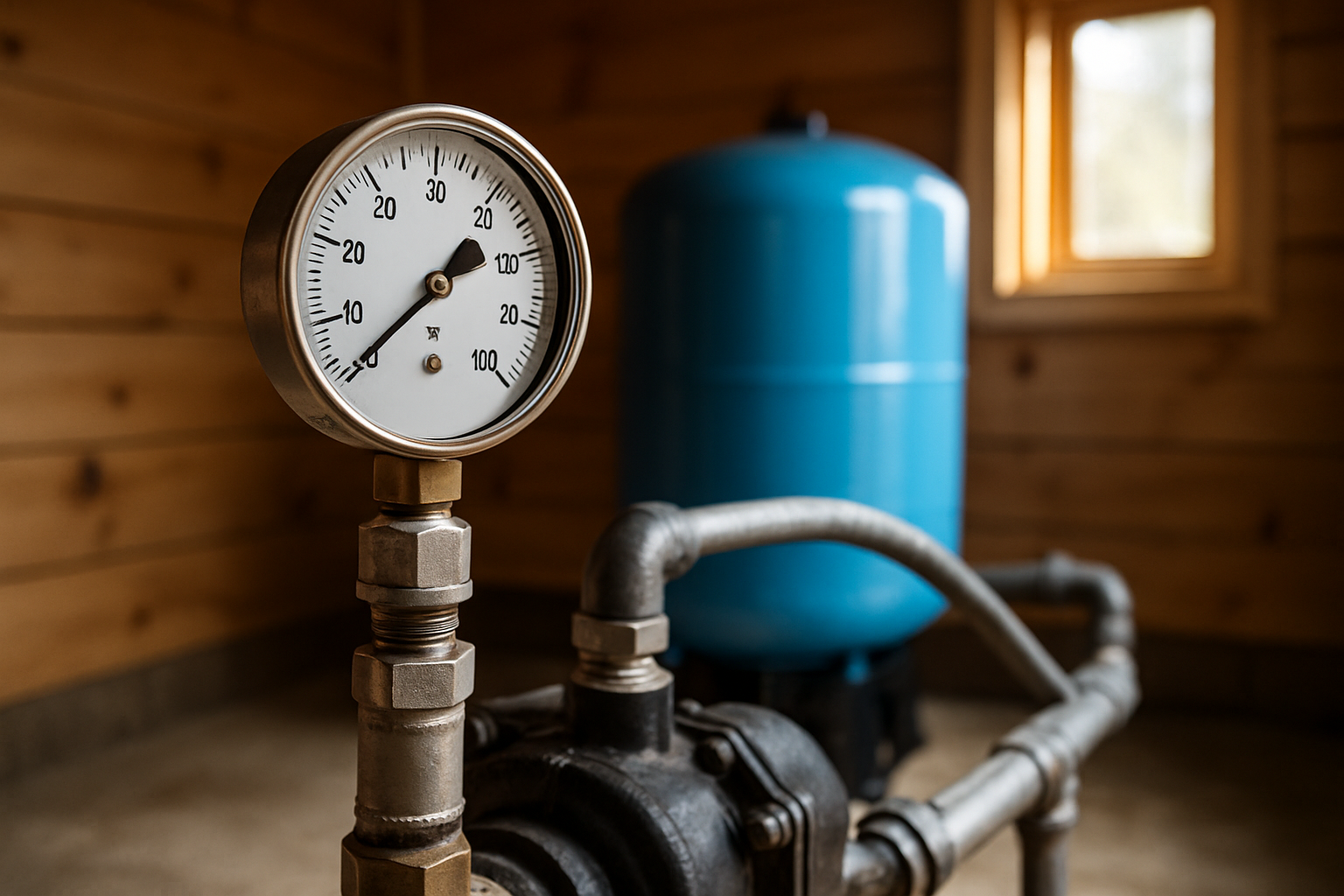
Low Water Pressure From Well
Diagnose and fix pressure problems before they get worse.
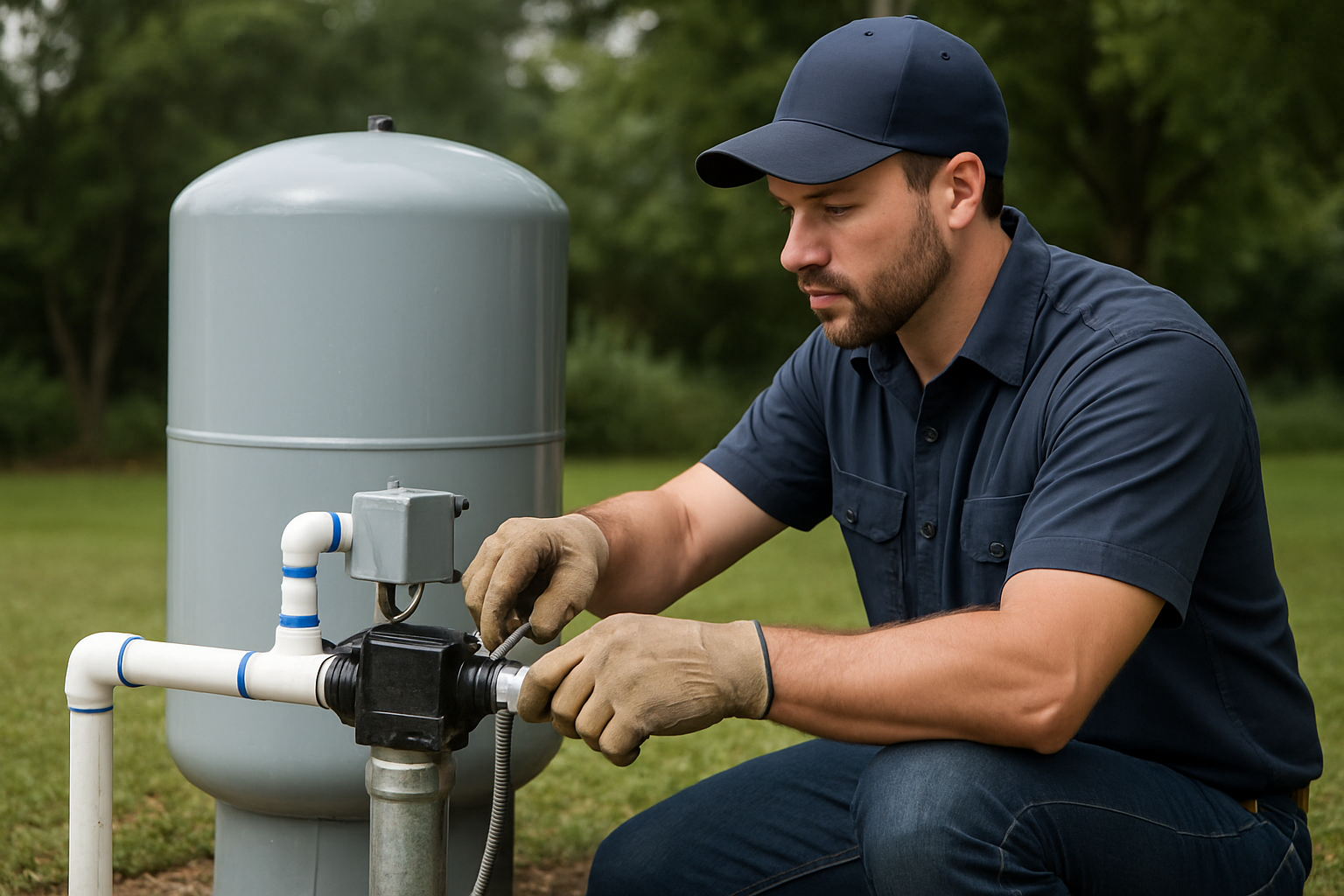
Well Maintenance Guide
Keep your well running smoothly with regular maintenance.
Our Locations
1077 Main St, Ramona, CA 92065
57174 US Highway 79, Anza, CA 92539
Water on a Mead Valley Ranch Starts Underground
Drive the dirt-shouldered roads of Mead Valley and the pattern is unmistakable: half-acre and multi-acre parcels strung along the foothills west of Perris, horse corrals and pipe fencing, a tractor parked beside a hay barn, a few head of cattle or a string of goats grazing the dry-season slopes. This unincorporated stretch of northwestern Riverside County sits between Perris and Corona, tucked against the Gavilan Hills and within sight of Lake Mathews, and it has always been ranch and equestrian country. Out here, away from the dense municipal grid, a great many of these properties run on their own private wells. Your water does not arrive from a city main; it comes up out of the ground beneath your own land, and the reliability of your entire operation rides on that well.
That makes a Mead Valley ranch well very different from a small residential well in town. A house needs water for sinks, showers, and a little landscaping. A ranch needs water for all of that plus livestock that drink every single day, pasture and crops that demand thousands of gallons during the irrigation season, and a fire reserve for the dry brush-covered hills that surround the valley. Demand is higher, it is far more variable, and the consequences of running dry are measured in stressed animals and dead crops, not just an inconvenient afternoon. At Southern California Well Service, we have spent more than 30 years drilling, equipping, and servicing exactly these kinds of properties across Riverside County, and the design priorities for a working ranch are genuinely their own discipline.
A Mead Valley Ranch's Water Demands
Before you can size a well, a pump, or a storage tank, you have to be honest about how much water the property actually consumes on its hardest day. On a ranch, that total is the sum of several very different uses, each with its own rhythm.
Livestock is the demand that never takes a day off. A horse typically drinks on the order of 10 to 12 gallons a day, and considerably more in the heat of a Mead Valley summer or when a mare is in foal. A beef or dairy cow can easily run 20 to 30 gallons a day, again climbing when temperatures spike. Goats, sheep, chickens, and other stock add their share. Multiply by the number of head you keep and the daily livestock draw alone can rival or exceed the household.
Pasture and crop irrigation is the heavyweight. Keeping pasture green, watering an orchard, or running drip and sprinkler lines over even a modest planted acreage consumes large volumes during the long, dry irrigation months, and it tends to land in concentrated bursts rather than a steady trickle. This is usually the single biggest swing in a ranch's water profile.
Household use covers the home itself, plus the barn sink, wash racks, and outdoor spigots. Fire and defensible-space reserve rounds it out. With the brush-covered Gavilan Hills nearby and a long fire season, many ranch owners want stored water on hand that a fire department can draw from, and that they can use to wet down structures and clear zones. We will not guess at a single gallons-per-day number for your property, because honest sizing means walking your operation, counting your animals, measuring your irrigated acreage, and adding a realistic peak-day cushion on top.
Designing a Ranch Water System
The key insight for ranch design is that the well does not have to meet your peak demand by itself. A well in the alluvial soils or fractured granite around Mead Valley produces water at whatever steady rate the formation allows. Storage is what bridges the gap between that steady production and your spiky, all-at-once demand.
A well-engineered ranch system usually has four parts working together:
- The well and submersible pump, sized to recover and refill storage over the course of a day, rather than to satisfy your busiest hour on its own.
- Bulk storage, commonly a tank in the 2,500 to 10,000-plus gallon range. A modest-yield well that pumps patiently into a large tank can comfortably support irrigation cycles, herd watering, and household use that the well could never deliver all at once. Storage is the great equalizer for ranch properties.
- A booster pump or constant-pressure (VFD) system that draws from storage and delivers strong, steady pressure to the house, the barns, the troughs, and the irrigation zones, even when several are running at the same time.
- A dedicated fire reserve within or alongside that storage, ideally plumbed with fittings compatible with the local fire department so crews can connect quickly if they ever need to.
Designed this way, a Mead Valley ranch turns a steady, modest well into a high-capacity water system. The well fills the tank; the tank and booster handle the demand. It is the most reliable, most cost-effective architecture we know for rural properties with big, uneven needs.
Water Quality for Livestock and Irrigation
On a ranch, water quality is not just a comfort issue; it affects animal health, crop yield, and the lifespan of your equipment. Groundwater in this part of Riverside County, drawn from a mix of alluvial sediments and weathered granitic bedrock, can carry several things worth testing for.
- Hardness from dissolved calcium and magnesium is common and scales up pipes, pumps, water heaters, and drip emitters over time.
- Total dissolved solids and salinity matter enormously for irrigation. High salinity stresses sensitive crops and can build up in the soil, and very high levels can affect livestock as well.
- Iron and manganese stain fixtures and troughs, foul filters, and clog emitters and screens.
- Nitrates deserve particular attention near agricultural land and older septic systems, because elevated nitrate is a genuine health concern for both people and young livestock.
The right answer is to test first and treat to purpose. Water that is perfectly fine for flood-irrigating pasture may need softening or filtration before it reaches the house, and water destined for sensitive crops or breeding stock may warrant its own treatment. We help ranch owners interpret their results and match treatment to each use rather than over-building one system for the whole property.
Drought Resilience, Reliability, and Backup
Southern California's recurring droughts are a permanent design factor, not a rare event. During extended dry stretches, regional water tables can decline, and a well that has produced faithfully for years may see its yield drop or its static water level fall. On a ranch, that risk is multiplied because the animals still need to drink and the season still demands irrigation.
Resilience comes from a few deliberate choices. Generous storage means that even if the well slows, you are buffered for days rather than hours. Redundancy, where the budget allows, can mean a second well or the ability to haul and store water without re-plumbing the whole property. Backup power is essential out here: when the grid goes down in a wind event or a fire, a generator with an automatic or manual transfer switch keeps the submersible pump running so your stock water and fire reserve never go dry. And simple monitoring, from a tank float alarm to a low-pressure or low-water-level sensor, turns a silent failure into an early warning before your troughs run empty.
Maintenance and Common Ranch Well Issues in Mead Valley
Ranch wells work harder than residential ones, and they show it. The most common problems we are called out to address on Mead Valley properties include:
- Scaling and mineral buildup from hard local water, which gradually chokes pumps, pressure tanks, and irrigation lines.
- Sediment and sand, especially in wells set in alluvial material or where a screen is aging, which wears pump components and clouds the water.
- Heavy pump cycling and premature wear, because constant on-off demand from troughs, irrigation valves, and the house is hard on motors. Proper storage and a constant-pressure setup dramatically reduce this stress.
- Declining yield over time, whether from drought, drawdown, or a fouled screen, which often shows up first as the tank no longer keeping up during irrigation.
- Aging casing and wiring on older wells, which can let in sediment, allow surface contamination, or simply fail.
A periodic inspection, a flow test, and water sampling catch most of these issues while they are still inexpensive fixes rather than emergencies during the hottest week of the year.
When to Call Southern California Well Service
It is time to call when your tank stops keeping up during irrigation, when pressure at the barn or the house has fallen off, when you see sand or discoloration, when the pump is short-cycling or running constantly, or when you are simply planning a new operation and need a well and system sized correctly from the start. We are a licensed C-57 well contractor with more than 30 years of experience and a 4.9-star reputation, and we offer same-day emergency service because a ranch with thirsty animals cannot wait. A full diagnostic visit is $125, credited toward the work if you move forward. For planning purposes, a new turnkey ranch or agricultural well typically runs in the $25,000 to $60,000-plus range depending on depth and yield, a storage-and-booster package generally falls between $3,000 and $8,000, and a pump replacement commonly runs $2,500 to $8,000.
Serving Mead Valley and Rural Riverside County
Southern California Well Service works throughout Mead Valley and the surrounding rural communities, including Perris, the Gavilan Hills, the Lake Mathews area, Good Hope, and Lakeview, as well as ranch and horse properties across San Diego, Riverside, and San Bernardino counties. We operate from two offices that keep us close to this region: 1077 Main St, Ramona, CA 92065, and 57174 US Hwy 79, Anza, CA 92539. Whether your parcel sits on deep alluvial soil down in the valley or on fractured granite up toward the hills, we know how wells in this terrain behave and how to keep yours producing.
Frequently Asked Questions
Do I need a permit to drill a well in Mead Valley?
Yes. As an unincorporated area, Mead Valley falls under Riverside County, and a new well requires a county well permit and must meet county construction standards. We handle the permitting process as part of our turnkey service so the paperwork and inspections are done correctly.
How deep will my ranch well need to be?
It depends on local geology and the water table at your specific parcel. Wells in Mead Valley's alluvial valleys can behave very differently from wells drilled into the fractured granitic rock near the Gavilan Hills. We evaluate your site, nearby well records, and conditions before estimating depth rather than quoting a one-size-fits-all number.
What does a ranch well cost?
A new turnkey ranch or agricultural well generally runs $25,000 to $60,000 or more depending on depth, yield, and equipment. Storage and booster packages typically fall between $3,000 and $8,000, and pump replacements commonly run $2,500 to $8,000. We provide a clear estimate after assessing your property.
My well's yield seems low for my animals and pasture. Can I still make it work?
Very often, yes. A modest-yield well paired with the right storage tank and a booster or constant-pressure system can support far more demand than the well could deliver on its own. The tank fills steadily and your system draws from it on demand. For many Mead Valley ranches, adding storage is the most cost-effective fix.
Should I test my water, and for what?
Yes, especially on a ranch. We recommend testing for hardness, total dissolved solids and salinity, iron and manganese, and nitrates, the last being particularly important near agricultural land and older septic systems. Results let us match treatment to each use, from livestock and irrigation to household water.
How fast can you respond in an emergency?
We offer same-day emergency service. If your pump fails, your tank runs dry, or you lose pressure with animals depending on the water, call us right away and we will get to you as quickly as possible.
Keep Your Mead Valley Ranch Running
Your land, your livestock, and your livelihood depend on a well that performs on the hottest, busiest day of the year. Whether you are drilling a new ranch well, adding storage and a fire reserve, replacing a tired pump, or simply want a professional to look over a system you have run for years, Southern California Well Service is ready to help. Call us at (760) 440-8520 or send a text to (619) 259-0410 to schedule your diagnostic and keep the water flowing across your Mead Valley property.