
Ranch & Agricultural Well Services in Mountain Center
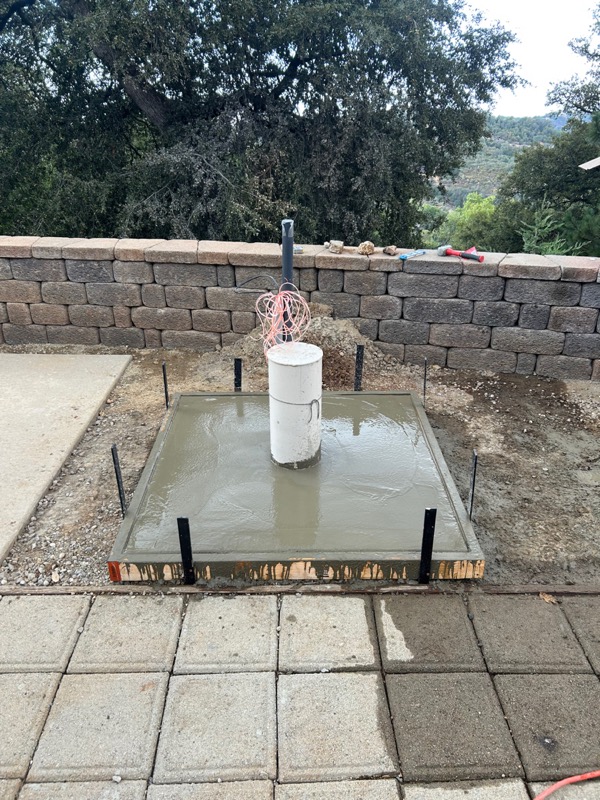
Running a ranch or farm in Mountain Center? Your water supply is the lifeblood of your operation. Southern California Well Service provides complete well services for Riverside County agricultural properties.
📋 In This Guide
- Agricultural Well Applications
- High-Volume Well Drilling
- Irrigation System Integration
- Agricultural Well Maintenance
- Related Articles
Agricultural Well Applications
- Stock watering: Cattle, horses, goats, sheep
- Crop irrigation: Orchards, vineyards, row crops
- Domestic supply: Ranch house and worker housing
- Processing: Dairy, meat processing facilities
- Fire protection: Emergency water supply
High-Volume Well Drilling
Agricultural operations need serious water production. We drill and equip wells capable of:
- 50-500+ GPM production
- Large diameter casings for high-capacity pumps
- Deep wells reaching productive aquifer zones
- Multiple well systems for redundancy
Irrigation System Integration
We work with your irrigation needs:
- Variable frequency drives for efficiency
- Pressure systems for drip or sprinkler irrigation
- Storage and distribution tanks
- Booster pump systems
Agricultural Well Maintenance
Keep your agricultural well running at peak efficiency with regular maintenance:
- Annual pump inspection
- Flow rate testing
- Water quality monitoring
- Preventive repairs before failure
Need Help With Your Well in Mountain Center?
Our expert technicians serve Mountain Center and all of Riverside County with professional well services.
Related Articles
Continue learning about well maintenance and troubleshooting

Signs Your Well Pump Is Failing
Catch pump problems early before you lose water completely.
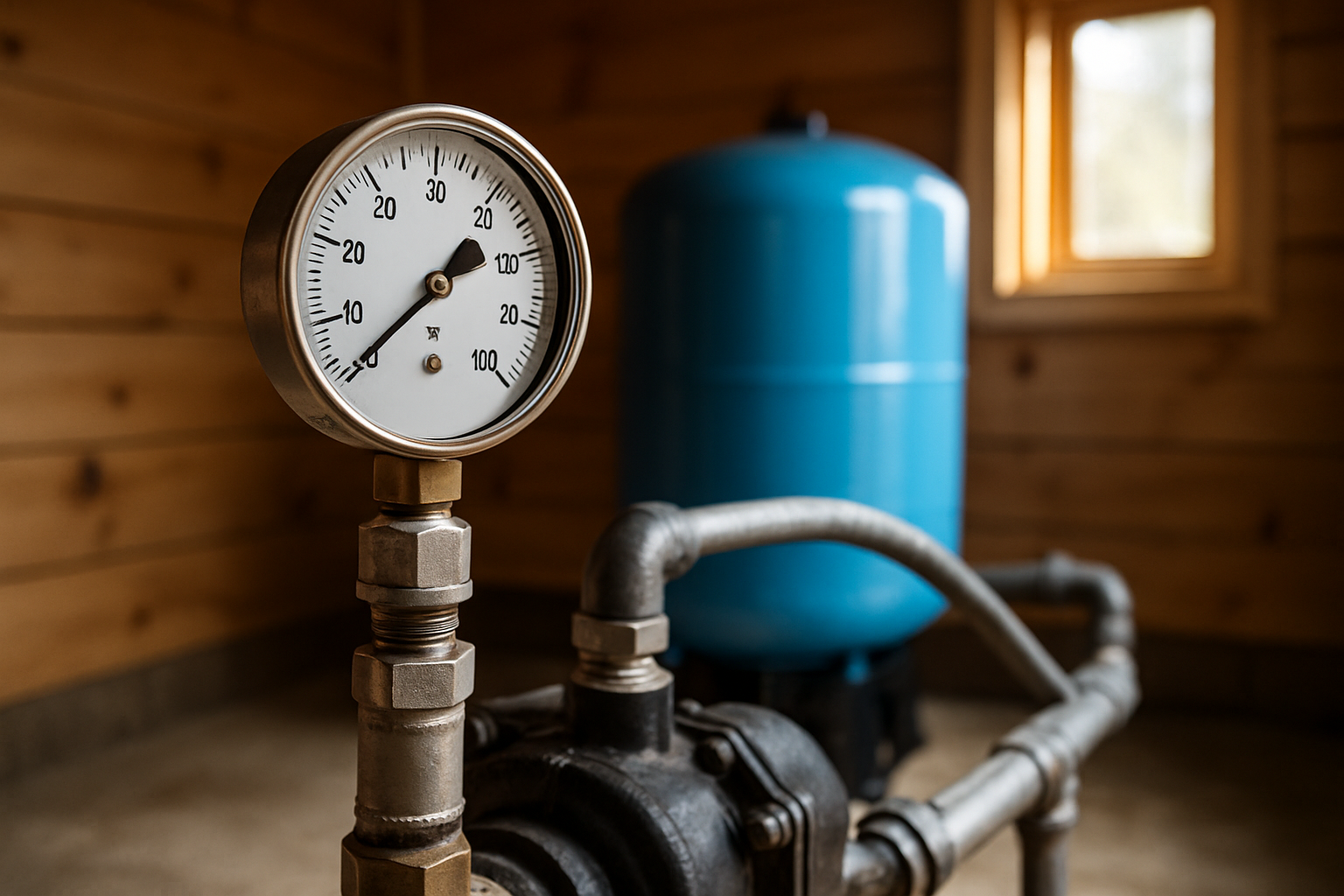
Low Water Pressure From Well
Diagnose and fix pressure problems before they get worse.

Well Maintenance Guide
Keep your well running smoothly with regular maintenance.
Our Locations
1077 Main St, Ramona, CA 92065
57174 US Highway 79, Anza, CA 92539
Water Independence at the Junction of Highways 74 and 243
Mountain Center sits at roughly 4,500 feet in the San Jacinto Mountains, right at the junction of Highways 74 and 243, where the road forks toward Idyllwild and Pine Cove to the north and drops down into Garner Valley and the Anza Valley to the south. This is ranch and horse country in the truest sense. Garner Valley is a long meadow basin framed by the San Jacinto peaks and Thomas Mountain, where cattle have grazed since the 1860s and where today some of the most beautiful equestrian properties in Southern California stretch out along Highway 74. There is no municipal water main running up these ridges. If you own acreage here, your water comes from your own well, and the reliability of that well is the difference between a working ranch and a stranded one.
Owning a large rural mountain property out here is different from owning a home down the hill in Hemet. You are managing horses, sometimes cattle, a household, a little pasture or meadow irrigation, and a defensible-space fire reserve, all on a single well that draws from fractured granite. Yields up here are often modest and unpredictable, winter brings snow and power outages, and access can be slow when a road washes out or a storm rolls through. That is exactly why ranch water systems in Mountain Center are built around storage and redundancy rather than raw well output. Southern California Well Service has been designing and maintaining wells across these mountains for more than 30 years, and our Anza office sits just down Highway 371 and 74, only a short drive from Garner Valley.
A Mountain Center Ranch's Water Demands
The first step in any ranch water system is being honest about how much water the property actually moves on its heaviest day, not its average day. Mountain ranches have demand that is both high and unusually varied, and it spikes at the worst possible times: hot summer afternoons, and fire season.
Livestock
Horses are the heart of Garner Valley, and a horse typically drinks somewhere in the range of 10 to 12 gallons per day, more in summer heat or when in heavy work. A property with a barn full of horses, a foaling stall, and turnout adds up quickly, and that is before wash racks, troughs, and arena dust control. If you also run cattle on the meadow, each animal adds its own steady draw. Livestock demand is non-negotiable. Animals need water every single day, which is why a ranch well can never be sized to just barely keep up.
Household and Limited Irrigation
The ranch house itself uses water much like any home, but mountain properties often add guest quarters, a caretaker's unit, or a second residence. Irrigation up here is usually limited and intentional. Most owners water a modest meadow, a few trees, or a kitchen garden rather than sprawling lawns, both because of drought and because the granite-derived soils and short growing season reward restraint. Still, even limited irrigation concentrates demand into the same dry months when your well is working hardest.
Fire and Defensible-Space Reserve
This is the demand category that flatlanders forget and mountain ranchers never do. Mountain Center, Garner Valley, and the surrounding San Jacinto forest are high fire-hazard country, and the Cranston Fire and others have made that painfully clear. A serious ranch water system should hold a dedicated reserve that a fire crew, or you, can draw on when the power is out and the well pump is dead. That means stored water that is not counted toward daily livestock and household use, ideally with fittings a fire department can connect to. When a fire is moving up the canyon, the water already sitting in your tanks is the water you have. There is no time to wait on a well to recover.
Designing a Mountain Ranch Water System
A well-built Mountain Center ranch system is not just a well and a pump. It is four coordinated parts: the well, large storage, pressurized delivery, and a dedicated fire reserve.
The reason storage is essential here comes straight out of the geology. Wells in Garner Valley and the San Jacinto Mountains draw from decomposed granite over hard fractured bedrock, and water lives in the fractures rather than in a generous sand aquifer. Many mountain wells are low-yield, producing only a few gallons per minute even when they hold plenty of water over a full day. A low-yield well simply cannot meet a peak afternoon demand directly. The solution is to let the well work patiently around the clock, filling a large storage tank, and then draw your ranch's peak flow out of that tank. For most ranch properties, storage in the range of 2,500 to 10,000 gallons or more makes the difference between a system that keeps up and one that runs dry every August.
From storage, a booster pump with a constant-pressure variable-frequency drive (VFD) delivers steady, strong pressure to the house, barn, hydrants, and irrigation, regardless of how far the buildings are spread across the acreage. On top of daily storage, we strongly recommend a dedicated fire reserve, sized so that critical gallons are always held back and never touched by routine use, plumbed with fire-department-compatible fittings. A storage-and-booster package commonly runs in the $3,000 to $8,000 range depending on tank size and pump configuration, and it is the single most cost-effective upgrade most mountain ranches can make.
Water Quality in the San Jacinto Mountains
Water drawn from granite bedrock in these mountains is frequently good quality and often relatively soft, which is one of the quiet advantages of mountain wells over the harder water found in some valley basins. But granite-country water is variable from one fracture system to the next, and "usually good" is not the same as "tested and known."
The most common issues we see on Mountain Center and Garner Valley ranches are iron and manganese, which can stain fixtures and discolor water, and sediment, which is a natural consequence of pulling water through fractured and decomposed rock. We recommend testing any ranch well, and any newly purchased property, for the standard panel including bacteria, nitrates, iron, manganese, and general mineral content. Once we know what is actually in the water, treatment is straightforward: sediment filtration to protect pumps and plumbing, iron and manganese filtration where needed, and disinfection if bacteria are present. Livestock are tolerant of more than people are, but horses perform best on clean, consistent water, and protecting your pump and pressure equipment from sediment pays for itself.
Wildfire Resilience, Drought and Backup Power
Three mountain realities drive the design of every ranch system we build up here: fire, drought, and power loss. They are connected, because the moment you need water most is often the moment the grid goes down.
A dedicated fire reserve, as described above, is the foundation. But a reserve is only useful if you can move it, and a standard submersible pump stops the instant the power fails. That is why backup power is not optional on a serious mountain ranch. Outages are common in the San Jacinto Mountains, from winter storms, from high-wind public-safety shutoffs, and from the same fires you are preparing for. A properly sized generator, ideally with an automatic transfer switch, keeps the well and booster running so you can fight fire, water animals, and keep the household livable when Highway 74 power is down for hours or days.
Drought resilience comes from the same storage strategy that handles low yield. A ranch that stores water well rides out the seasonal dips in static water level that the San Jacinto basins experience in dry years. Winter brings its own threat: freeze. At 4,500 feet, exposed pipe, pressure tanks, and tank fittings must be insulated, heat-traced, or buried below frost depth, because a single hard freeze can split a line and drain your reserve overnight. We also recommend remote monitoring on larger ranches, so you know your tank level and pump status from your phone, before a problem becomes an empty trough.
Maintenance and Common Mountain Well Issues in Mountain Center
Fractured-rock wells in this terrain have a predictable set of issues, and most of them are manageable when you stay ahead of them.
- Sediment from fractured granite: the same rock that holds your water sheds fine sand and grit, which wears pumps and clogs filters and aerators. Sediment screening and periodic filter service are routine here.
- Declining yield: mountain wells can lose production over time as fractures silt up or static water levels drop in drought years. Often this is recoverable through well rehabilitation rather than drilling a new well.
- Freeze damage: winter splits in exposed lines and tanks are one of the most common spring service calls in the high country.
- Pump wear: deep granite wells run pumps hard, and a low-yield well that cycles often wears equipment faster. Constant-pressure systems and proper storage reduce this strain.
- Remote access: long driveways, gates, and forest roads mean problems are easy to miss until they are severe. Annual inspections and monitoring catch the small failures before they strand the ranch.
A yearly checkup on a ranch system, covering well performance, pump amperage, pressure controls, storage, and freeze protection, is the cheapest insurance you can buy at this elevation.
When to Call Southern California Well Service
Call us when you are buying or selling a Mountain Center or Garner Valley property and need the well and system evaluated honestly before money changes hands. Call when your pressure is dropping, your tank is not refilling, your water has turned cloudy or started staining, or your pump is short-cycling. Call when you are planning a new barn, adding horses, or expanding the meadow and need to know whether your current system can carry the load. And call the moment something fails, because we offer same-day emergency service and understand that on a working ranch, a dead well is an emergency the animals cannot wait out.
Our diagnostic visit is $125, credited toward any work we perform, so you get a real professional assessment of what is happening underground without guessing. We are licensed C-57 well contractors with more than 30 years in these mountains and a 4.9-star reputation built on honest work.
Serving Mountain Center, Garner Valley and the San Jacinto Mountains
Southern California Well Service works throughout the San Jacinto Mountains and the surrounding high country, including Mountain Center, Garner Valley, Idyllwild, Pine Cove, and Anza, as well as the communities down the hill toward Hemet and across San Diego, Riverside, and San Bernardino counties. We operate two offices: one in Ramona at 1077 Main St, Ramona, CA 92065, and one in Anza at 57174 US Hwy 79, Anza, CA 92539. For Mountain Center and Garner Valley owners, that Anza office is a real advantage. It sits just down Highway 371 and 74, so we are local to your area rather than dispatching from hours away, which matters enormously when winter weather or fire closes roads and you need a crew that knows these mountains.
Frequently Asked Questions
Do I need a permit to drill a well in Riverside County?
Yes. New wells and many well modifications in Riverside County require permitting through the county's environmental health and groundwater authorities, and the work must be performed by a licensed C-57 contractor. We handle the permitting process as part of our turnkey ranch projects so it is done correctly the first time.
How deep are wells in Garner Valley, and is drilling in granite a problem?
Depths vary considerably with location and proximity to fracture zones. Many Garner Valley wells fall in the moderate range, while properties higher in the San Jacinto Mountains near Idyllwild and Pine Cove can require deeper drilling into hard granite. Drilling fractured granite is routine for us, but it is specialized work, which is exactly why low-yield mountain wells are paired with storage rather than expecting raw output to meet peak demand.
What does a new ranch well system cost?
A complete turnkey ranch or agricultural well typically runs from $25,000 to $60,000 or more depending on depth, geology, and system complexity. Pumps generally fall in the $2,500 to $8,000 range, and a storage-and-booster package commonly runs $3,000 to $8,000. We give firm quotes after evaluating your specific property rather than quoting blind.
How much fire reserve should a mountain ranch hold?
Enough to be useful when the power and the well are both down, held back from daily use and plumbed with fire-department-compatible fittings. The right number depends on your acreage, structures, and local fire requirements, which we assess on site. The principle is simple: stored water you have set aside is the water you will actually have when a fire reaches your gate.
How do I protect my well system from winter freeze at this elevation?
Exposed pipe, pressure tanks, and tank fittings should be insulated, heat-traced, or buried below frost depth, and outdoor hydrants should be frost-proof. We can retrofit freeze protection on existing systems and design it into new ones so a single cold snap does not split a line and drain your reserve.
Can you respond to emergencies up in the mountains?
Yes. We offer same-day emergency service, and our Anza office puts a crew close to Mountain Center and Garner Valley. We understand mountain access, winter conditions, and the urgency of a ranch that has lost water with animals on the property.
Get Your Mountain Center Ranch Water Secured
Whether you are planning a new well, upgrading storage and fire reserve, troubleshooting a failing pump, or evaluating a Garner Valley property before you buy, Southern California Well Service has the local experience to do it right. Call us today at (760) 440-8520 or send a text to (619) 259-0410 to schedule your diagnostic visit. Let us help you build a water system as dependable as the mountains your ranch calls home.