
Ranch & Agricultural Well Services in Pauma Valley
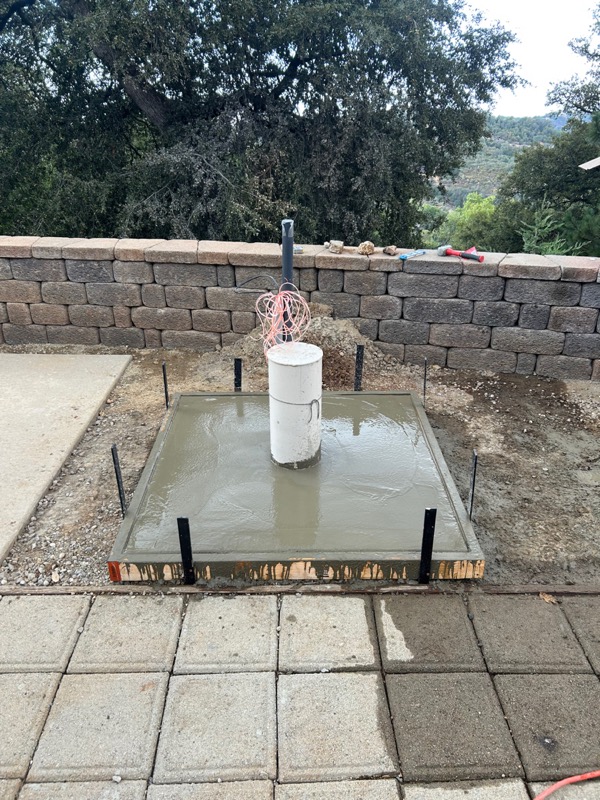
Running a ranch or farm in Pauma Valley? Your water supply is the lifeblood of your operation. Southern California Well Service provides complete well services for San Diego County agricultural properties.
📋 In This Guide
- Agricultural Well Applications
- High-Volume Well Drilling
- Irrigation System Integration
- Agricultural Well Maintenance
- Related Articles
Agricultural Well Applications
- Stock watering: Cattle, horses, goats, sheep
- Crop irrigation: Orchards, vineyards, row crops
- Domestic supply: Ranch house and worker housing
- Processing: Dairy, meat processing facilities
- Fire protection: Emergency water supply
High-Volume Well Drilling
Agricultural operations need serious water production. We drill and equip wells capable of:
- 50-500+ GPM production
- Large diameter casings for high-capacity pumps
- Deep wells reaching productive aquifer zones
- Multiple well systems for redundancy
Irrigation System Integration
We work with your irrigation needs:
- Variable frequency drives for efficiency
- Pressure systems for drip or sprinkler irrigation
- Storage and distribution tanks
- Booster pump systems
Agricultural Well Maintenance
Keep your agricultural well running at peak efficiency with regular maintenance:
- Annual pump inspection
- Flow rate testing
- Water quality monitoring
- Preventive repairs before failure
Need Help With Your Well in Pauma Valley?
Our expert technicians serve Pauma Valley and all of San Diego County with professional well services.
Related Articles
Continue learning about well maintenance and troubleshooting
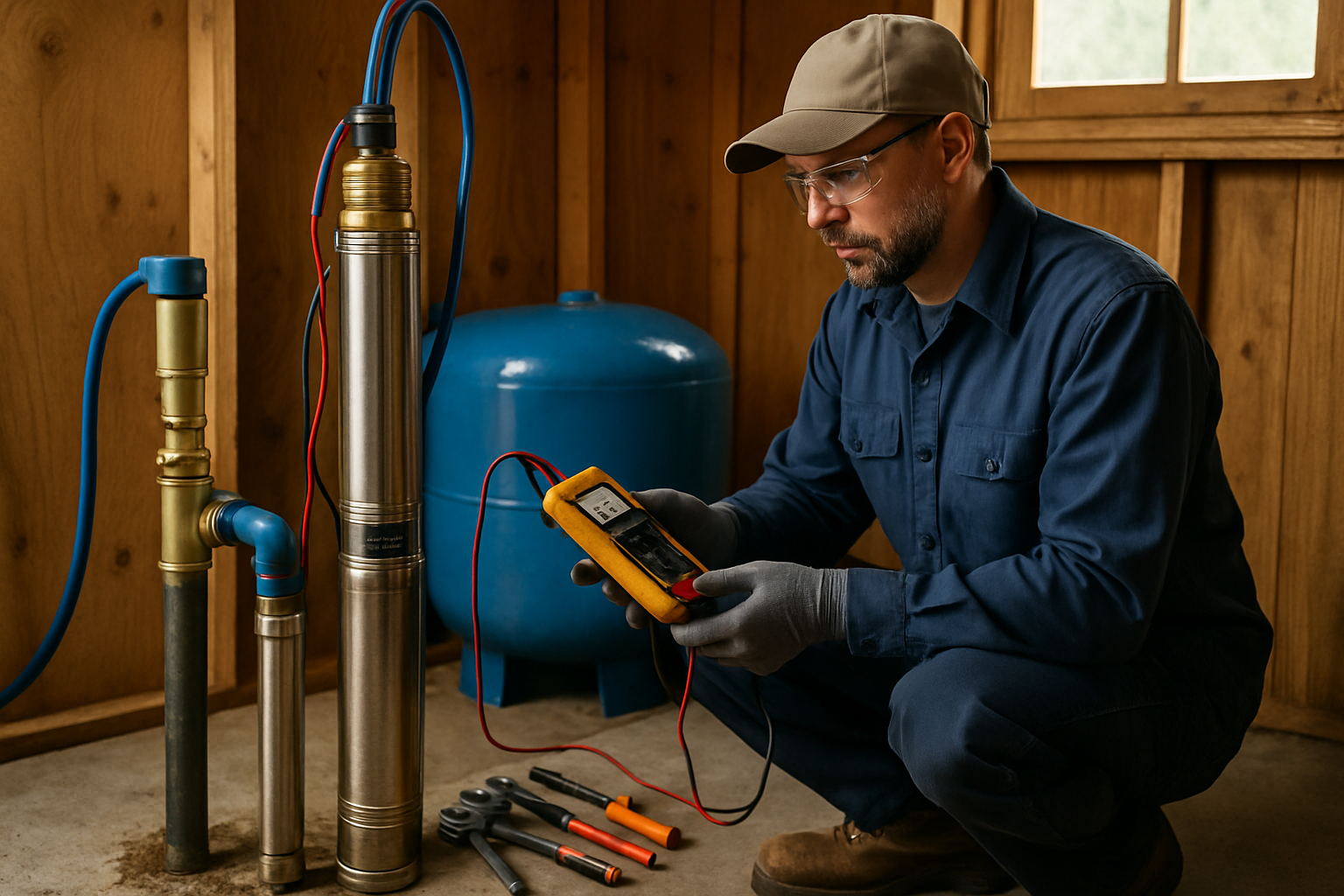
Signs Your Well Pump Is Failing
Catch pump problems early before you lose water completely.
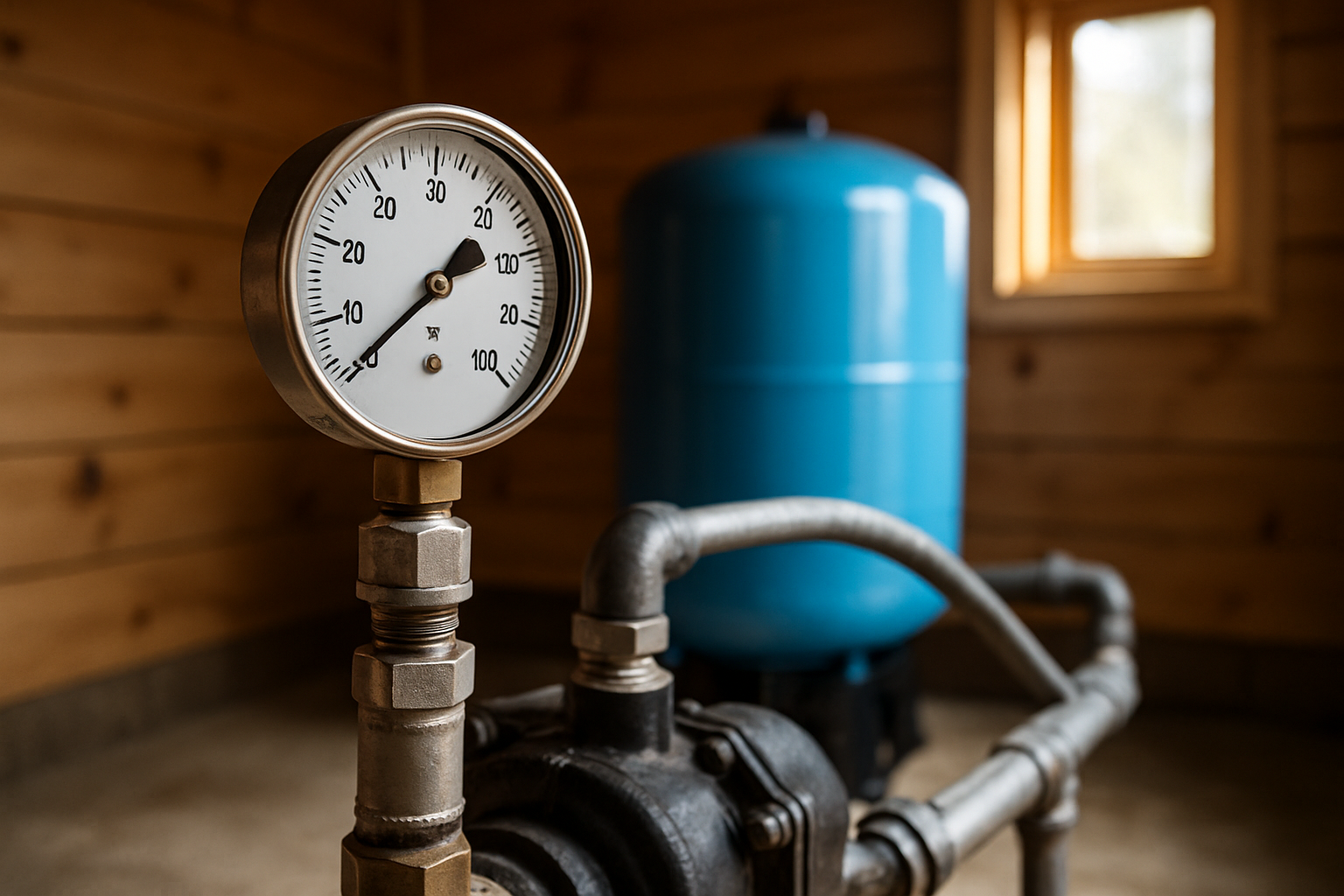
Low Water Pressure From Well
Diagnose and fix pressure problems before they get worse.
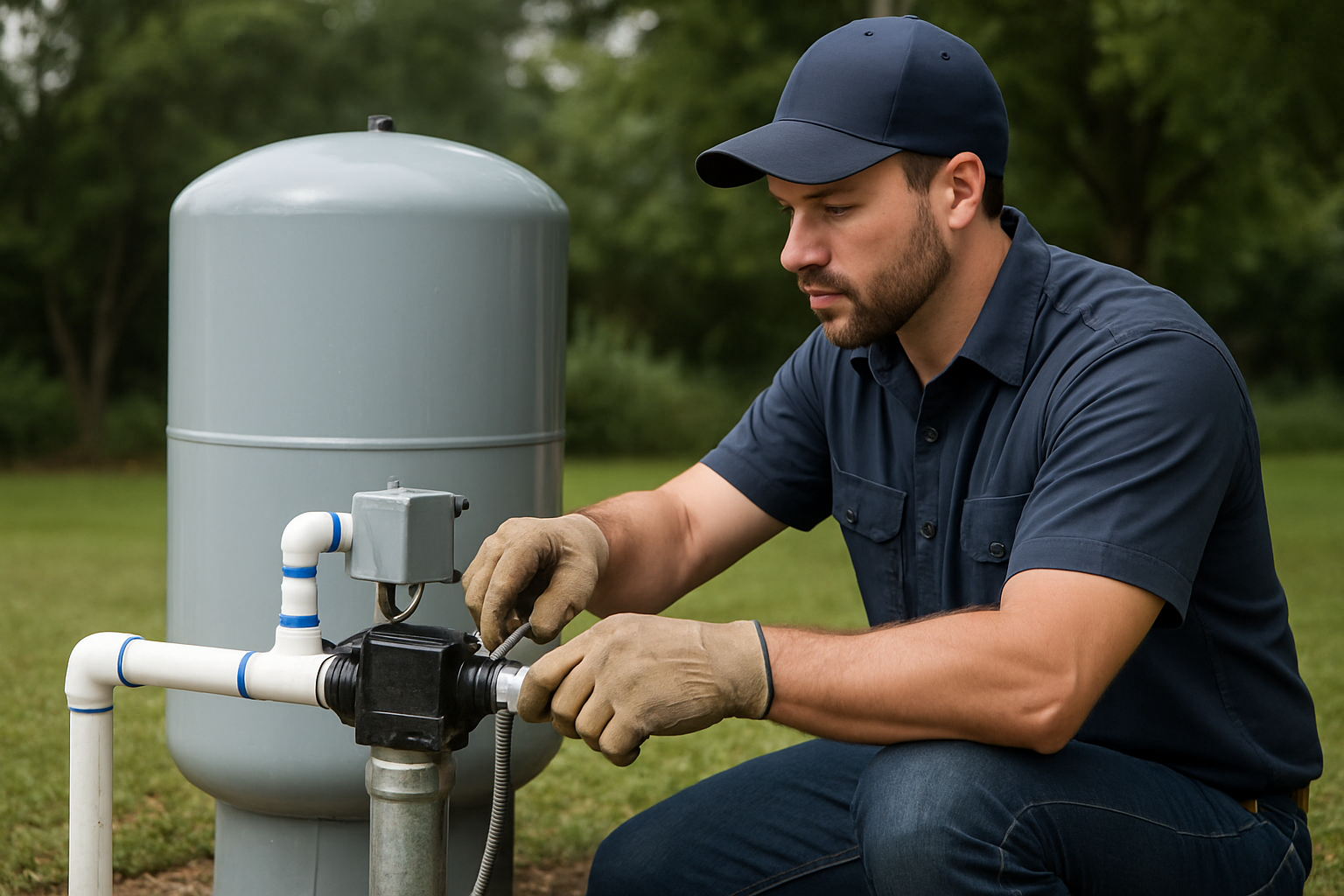
Well Maintenance Guide
Keep your well running smoothly with regular maintenance.
Our Locations
1077 Main St, Ramona, CA 92065
57174 US Highway 79, Anza, CA 92539
Ranch Well Service Solutions for Pauma Valley Properties
Tucked between Valley Center and the foothills of Palomar Mountain, Pauma Valley is one of San Diego County's great agricultural pockets, a sweep of citrus and avocado groves following the San Luis Rey River as it descends from the backcountry toward the coast. The valley's name comes from the Luiseño word for "place where there is water," and that legacy still defines life here. Generations of growers, ranchers, and rural families have built their livelihoods on the Pauma Groundwater Basin, the alluvial aquifer beneath the river valley that fed the region long before any water district existed. Today, oranges, lemons, avocados, and olives blanket the valley floor, framed by the granitic hills that rise on either side toward Palomar and the Pala and Rincon reservations.
For a ranch or grove property in Pauma Valley, a dependable private well is not a convenience but the backbone of the operation. Imported and district-delivered water in North County's rural backcountry is expensive, and the cost only climbs during dry years. A well drilled into the productive alluvium along the San Luis Rey River can supply the heavy, varied demand of livestock, irrigated groves, household use, and fire reserve at a fraction of the long-term cost. Southern California Well Service has spent more than 30 years drilling, equipping, and maintaining wells across exactly this kind of terrain, and our Ramona office sits just a short drive from the valley. Below is what every Pauma Valley ranch and grove owner should understand about building and protecting a water system that can carry the load.
A Pauma Valley Ranch's Water Demands
The defining feature of water demand in Pauma Valley is irrigation. Citrus and avocado groves are thirsty, and they dominate the budget on most properties here. As a rough rule, mature avocados and citrus in this climate can require on the order of three to four acre-feet of water per acre per year, with peak summer demand running heaviest. Even a modest grove of a few acres translates into thousands of gallons per day during the warm months, and that demand does not pause. A grove cannot simply wait out a low-yield week the way a household can.
Layered on top of grove and pasture irrigation are the other classic ranch demands. Livestock add steady, non-negotiable draw: a single horse typically drinks roughly 8 to 12 gallons a day, more in summer heat, and cattle commonly need 15 to 30 gallons a day per head, with nursing cows and hot weather pushing the high end. Multiply that across a herd or a string of horses and the daily total grows quickly. Household use for the residence, guest quarters, and outbuildings adds its own baseline. Finally, in a county that takes wildfire seriously, a fire and defensible-space reserve is essential. Many backcountry properties keep dedicated stored water that a fire crew can draw from, and that reserve has to be sized into the system from the start rather than bolted on later.
We never quote a single magic number for a property, because the right system depends on your grove acreage, herd size, and household. What matters is designing around realistic peak demand and a sensible reserve, not just an average day.
Designing a Ranch & Grove Water System
A well alone rarely satisfies a ranch and grove property. The smarter approach is a system: well, storage, and a pressurized delivery setup working together. The well and its pump are sized to produce a reliable flow over the course of a day, while large storage tanks bank that water so it is available all at once when irrigation valves open or a herd comes to water. This buffering is what lets a moderate-yield well comfortably serve a high-peak operation. Instead of forcing the well to meet instantaneous peak demand, it fills storage steadily and the storage handles the surge.
From storage, a booster pump pushes water out to the groves, pasture, troughs, and house at usable pressure. For properties with long irrigation runs and varying demand, we frequently recommend a constant-pressure system driven by a variable frequency drive (VFD), which holds steady pressure as zones cycle on and off and reduces the hard start-stop wear that plagues ranch pumps during irrigation season. We also build in a fire reserve sized to your property and, where appropriate, fit storage tanks with the standard fire-department connections so crews can hook up quickly. A turnkey new ranch or agricultural well typically runs from about $25,000 to $60,000 or more depending on depth and equipment, with storage and booster packages generally in the $3,000 to $8,000 range and pumps from roughly $2,500 to $8,000.
Water Quality for Citrus, Avocados & Livestock
Water quality is not a side issue in Pauma Valley; for avocado and citrus it can be the difference between a healthy grove and chronic decline. Avocados in particular are notoriously sensitive to salinity, especially chloride and sodium. Excess chloride accumulates in the leaves and produces the tip and margin burn growers dread, and citrus, while somewhat tougher, suffers the same way at higher concentrations. Because of this, testing for chloride, sodium, and total dissolved solids (TDS) is one of the first things we recommend for any grove well in the valley.
Beyond salinity, alluvial and granitic groundwater in this area can carry hardness, iron, and manganese, which scale irrigation lines, clog emitters, and stain. Nitrates are also a real concern near long-farmed and fertilized ground, and they matter for both drinking water and livestock. The good news is that almost every one of these issues is manageable once you know what you are dealing with. Depending on your test results, treatment may range from filtration and iron or manganese removal to blending strategies and, where salinity is high, more targeted treatment to protect salt-sensitive trees. We start with a proper water analysis and design treatment around your actual numbers rather than guessing.
Drought Resilience, Reliability & Backup
The Pauma Groundwater Basin is productive, but it is not immune to drought. In extended dry years, recharge from the San Luis Rey River drops, water tables decline, and shallow or marginal wells can lose yield right when irrigation demand peaks. Building drought resilience into your system protects both your trees and your investment. That starts with adequate storage, which carries you through short interruptions and lets you irrigate on a schedule even if the well's instantaneous output dips.
Reliability also means redundancy. For a working grove or ranch, a single point of failure is a serious risk, so we plan for backup, whether that is a properly sized backup generator to keep pumping during the power outages common in the backcountry, a secondary pump, or monitoring that flags a falling water level or a struggling pump before it fails outright. Above all, a well-built private well is itself a hedge. With district and imported water costs continuing to climb across North County, a reliable well on your own property gives you control over both your supply and your operating costs for decades.
Maintenance & Common Ranch Well Issues in Pauma Valley
Ranch and grove wells work hard, and a few issues turn up again and again in this valley. The alluvial formations along the river, while excellent producers, can carry fine sediment that wears pumps and accumulates in tanks and lines. The mineral content of local groundwater leads to scaling that gradually restricts pipes, fittings, and emitters. During irrigation season, pumps that cycle heavily, switching on and off dozens of times a day, suffer accelerated wear, which is one reason constant-pressure systems pay off on grove properties.
Over time, owners may also notice declining yield, which can stem from drought, from a dropping water table, or from a well screen fouling with mineral buildup. Older properties sometimes have aging casing that has corroded or cracked, allowing sediment intrusion or compromising the well. Regular inspection, periodic water testing, and attention to pump performance catch most of these problems early, when they are far cheaper to fix than after a mid-summer failure. A $125 diagnostic visit, credited toward any resulting work, is often the most cost-effective call a grower can make.
When to Call Southern California Well Service
Some warning signs should never wait. Call us if you see a sudden drop in pressure or yield, air spitting from your lines, sand or sediment in the water, a pump that short-cycles or runs constantly, or a noticeable change in taste, color, or odor. For a grove or ranch, any of these can quickly cascade into stressed trees, thirsty livestock, or a complete loss of supply. We offer same-day emergency service, hold a California C-57 contractor's license, carry more than 30 years of backcountry experience, and maintain a 4.9-star reputation across the region. Whether you need a new well drilled, a pump or storage upgrade, water treatment for your groves, or an honest diagnosis, reach us by phone at (760) 440-8520 or by text at (619) 259-0410.
Serving Pauma Valley & Backcountry Ranches
Southern California Well Service is a true backcountry well company, and Pauma Valley is right in our service area. We work throughout the surrounding region, including Valley Center, Pala, Rincon, the Palomar Mountain foothills, Ramona, and Escondido, as well as the wider rural reaches of San Diego, Riverside, and San Bernardino counties. Our Ramona office at 1077 Main St, Ramona, CA 92065 is a short drive from the valley, and we also operate out of Anza at 57174 US Hwy 79, Anza, CA 92539. That local footprint means we know the terrain, the alluvial aquifer along the San Luis Rey River, and the granitic hills that surround it, and we can get to your property quickly when it counts.
Frequently Asked Questions
Do I need a permit to drill a well in Pauma Valley?
Yes. The San Diego County Department of Environmental Health (DEH) regulates the construction, modification, and destruction of water wells and requires a permit before drilling begins. We handle the permitting process routinely and will manage it as part of your project so your well meets all county standards.
How deep are wells in the Pauma Valley?
It varies with location. Wells set into the alluvial aquifer on the valley floor along the San Luis Rey River often reach water at shallower depths and tend to be strong producers, while properties up in the surrounding granitic hills may require deeper drilling into fractured rock. We evaluate your specific parcel before estimating depth, and we never quote a depth sight-unseen.
How much does a ranch or grove well cost?
A turnkey new agricultural or ranch well generally runs from about $25,000 to $60,000 or more, depending on depth, geology, and the equipment package. Storage and booster setups typically add $3,000 to $8,000, and pumps range from roughly $2,500 to $8,000. We provide a clear estimate after assessing your property and water needs.
Can a single well support irrigation for my groves?
Often, yes, when the system is designed correctly. The key is pairing the well with adequate storage and a properly sized booster or constant-pressure system so the well can fill storage steadily while the tanks handle peak irrigation demand. We size the whole system around your grove acreage and peak demand, not just the well's raw output.
Should I test my well water before irrigating avocados and citrus?
Absolutely. Because avocados and citrus are sensitive to chloride, sodium, and overall salinity, testing for those along with TDS, hardness, iron, manganese, and nitrates is essential before you rely on a well for grove irrigation. The results guide any treatment needed to protect your trees and your yields.
How fast can you respond in an emergency?
We offer same-day emergency service, and our Ramona office is close to Pauma Valley, so we can typically reach valley properties quickly. If your livestock or groves are at risk because of a failed pump or lost pressure, call (760) 440-8520 right away.
Protect Your Pauma Valley Ranch's Water Supply
Your groves, your livestock, and your family depend on a water system built to handle real peak demand and to keep producing through dry years. Whether you are planning a new agricultural well, expanding storage, upgrading to a constant-pressure system, or troubleshooting declining yield, Southern California Well Service brings 30-plus years of backcountry experience, a C-57 license, and a 4.9-star track record to every Pauma Valley project. Call us today at (760) 440-8520 or send a text to (619) 259-0410 to schedule your $125 diagnostic, credited toward your work, and put a dependable, locally built water system to work for your ranch.