
Ranch & Agricultural Well Services in Pedley
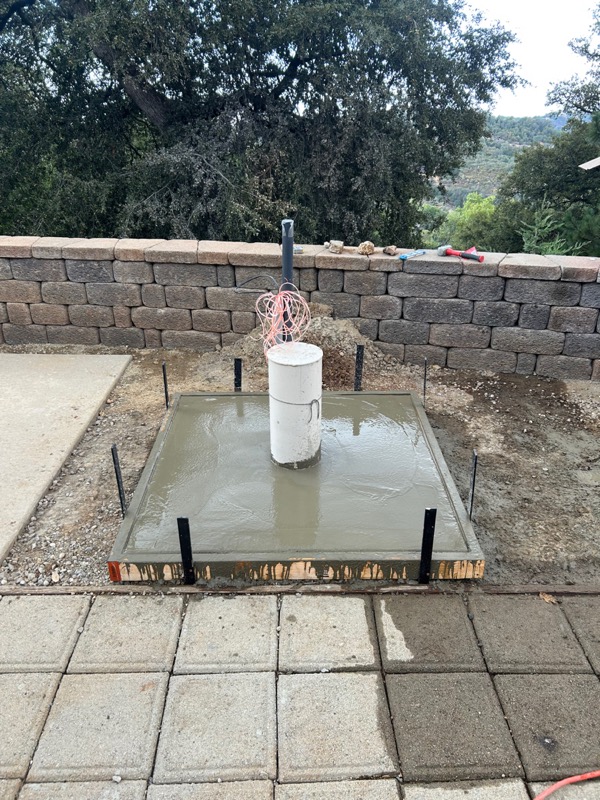
Running a ranch or farm in Pedley? Your water supply is the lifeblood of your operation. Southern California Well Service provides complete well services for Riverside County agricultural properties.
📋 In This Guide
- Agricultural Well Applications
- High-Volume Well Drilling
- Irrigation System Integration
- Agricultural Well Maintenance
- Related Articles
Agricultural Well Applications
- Stock watering: Cattle, horses, goats, sheep
- Crop irrigation: Orchards, vineyards, row crops
- Domestic supply: Ranch house and worker housing
- Processing: Dairy, meat processing facilities
- Fire protection: Emergency water supply
High-Volume Well Drilling
Agricultural operations need serious water production. We drill and equip wells capable of:
- 50-500+ GPM production
- Large diameter casings for high-capacity pumps
- Deep wells reaching productive aquifer zones
- Multiple well systems for redundancy
Irrigation System Integration
We work with your irrigation needs:
- Variable frequency drives for efficiency
- Pressure systems for drip or sprinkler irrigation
- Storage and distribution tanks
- Booster pump systems
Agricultural Well Maintenance
Keep your agricultural well running at peak efficiency with regular maintenance:
- Annual pump inspection
- Flow rate testing
- Water quality monitoring
- Preventive repairs before failure
Need Help With Your Well in Pedley?
Our expert technicians serve Pedley and all of Riverside County with professional well services.
Related Articles
Continue learning about well maintenance and troubleshooting

Signs Your Well Pump Is Failing
Catch pump problems early before you lose water completely.
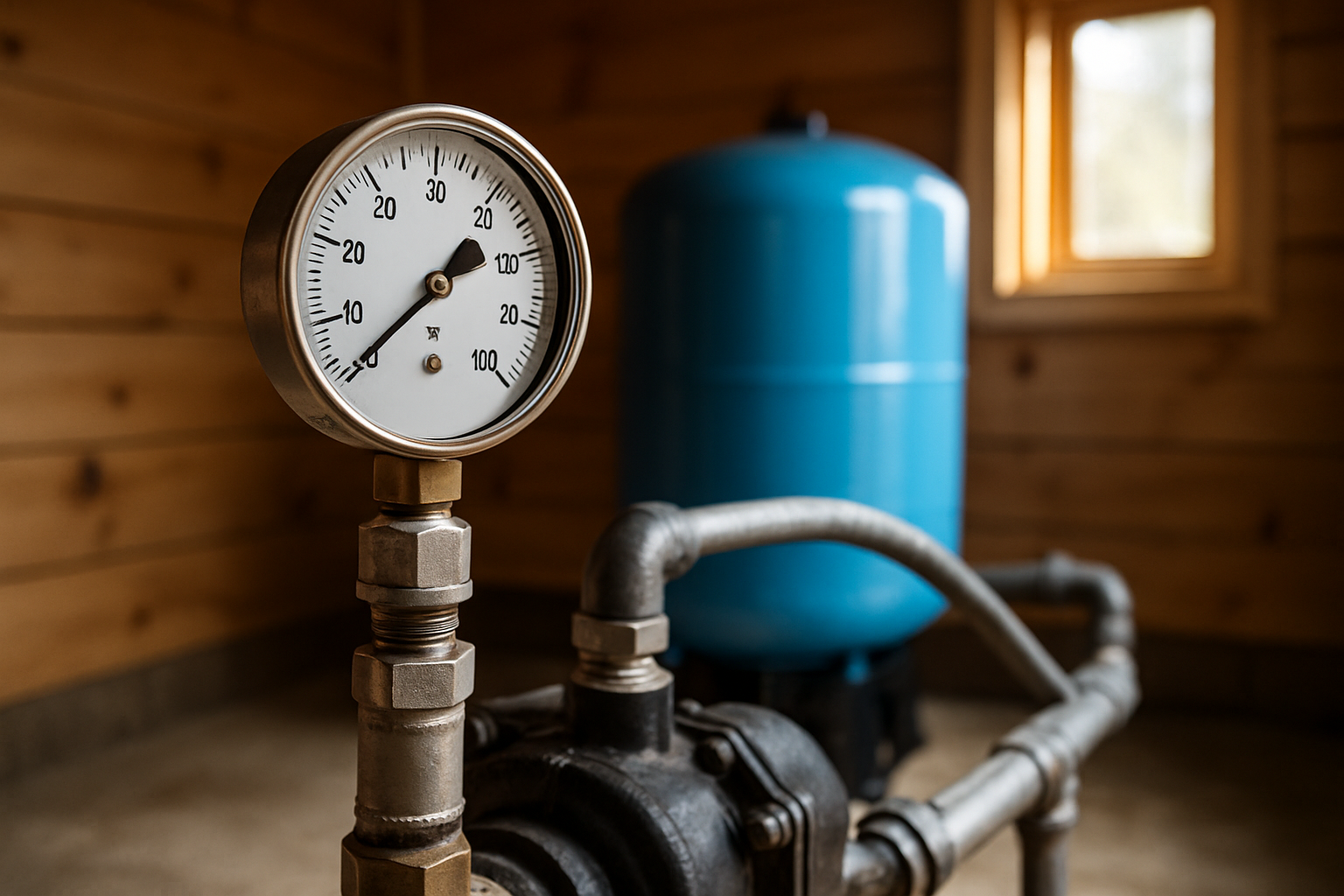
Low Water Pressure From Well
Diagnose and fix pressure problems before they get worse.
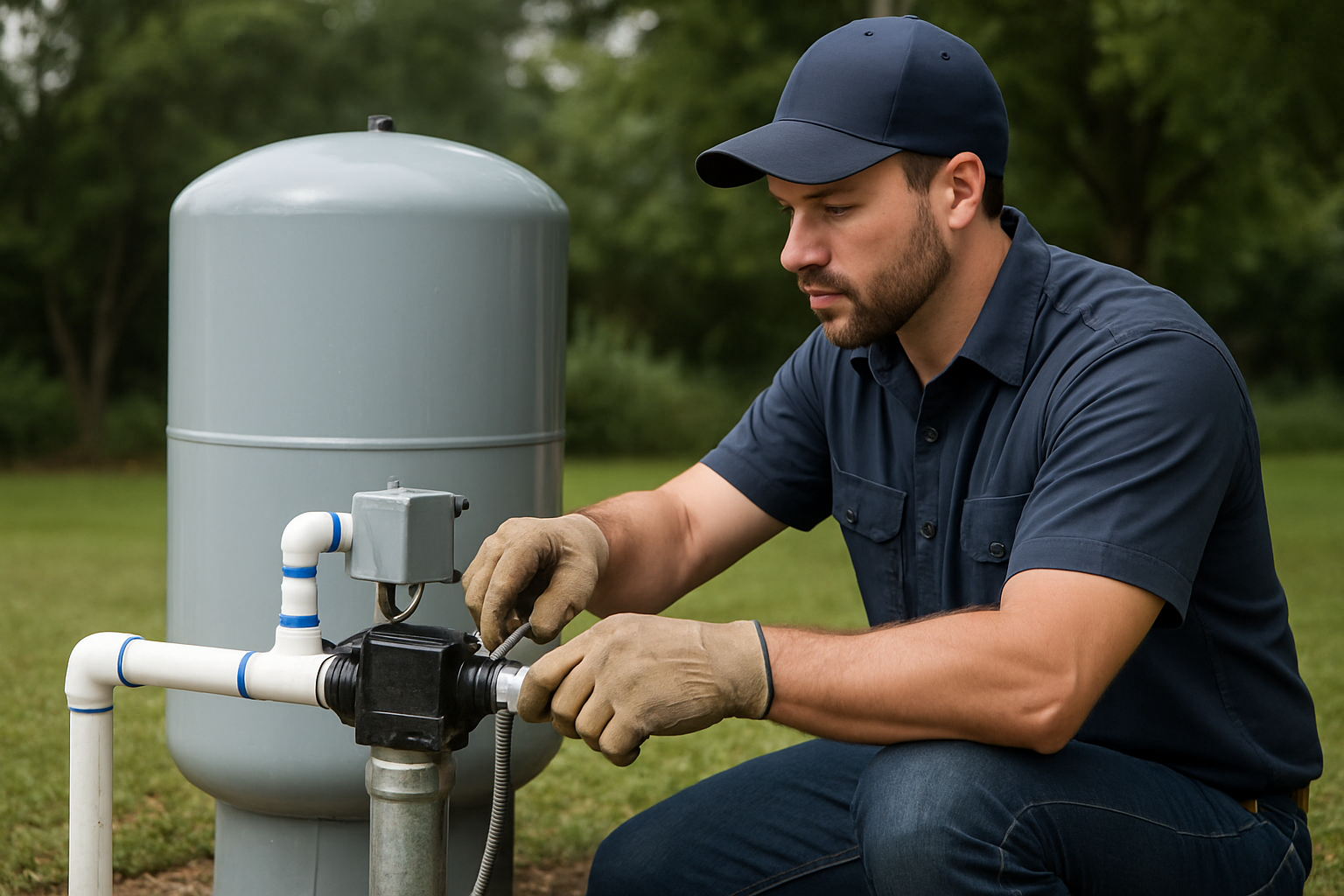
Well Maintenance Guide
Keep your well running smoothly with regular maintenance.
Our Locations
1077 Main St, Ramona, CA 92065
57174 US Highway 79, Anza, CA 92539
In the heart of Jurupa Valley, tucked along the Santa Ana River bottom between Mira Loma and Rubidoux, Pedley has held onto something most of inland Riverside County has paved over: room to keep animals. For generations this stretch of the river corridor has been a patchwork of ranch homes on large lots, horse properties, and the remnants of the dairy and citrus country that once defined the Mira Loma area. Drive the back streets off Limonite or Pedley Road and you still find arenas, pasture, tack rooms, and water troughs lined up along fence rails. A ranch in Pedley is not a hobby parcel with a koi pond. It is a working property, and working properties run on water.
For owners of these large rural and equestrian parcels, a private well is one of the most valuable pieces of infrastructure on the land. The Santa Ana River laid down deep alluvial deposits of sand and gravel beneath this part of Jurupa Valley, and those deposits make up the relatively productive Riverside-Arlington groundwater basin. Compared with many backcountry parts of Southern California, Pedley sits over a comparatively generous aquifer. That geology, combined with steadily climbing municipal and irrigation water rates, is exactly why so many ranch owners here choose to put their own water under their own control. At Southern California Well Service, we have spent more than 30 years drilling, equipping, and servicing wells across Riverside, San Bernardino, and San Diego counties, and we understand what it takes to keep a horse property watered through a hot Jurupa Valley summer.
A Pedley Ranch's Water Demands Are High and Highly Variable
The first thing that separates a ranch well from a typical residential well is the sheer breadth of demand. A house on a quarter-acre needs water for sinks, showers, and a small yard. A Pedley horse property has to serve many uses at once, and several of them peak on the hottest days of the year, which is precisely when groundwater levels and pump capacity matter most.
Consider the moving parts on a typical equestrian or livestock parcel:
- Livestock drinking water. A single horse will typically drink on the order of 10 to 12 gallons per day, and considerably more in summer heat or when in heavy work. Cattle drink more still, often in the range of 20 to 30 gallons per head per day. Multiply that across a string of horses, boarders, or a small herd and the daily baseline adds up quickly.
- Arena and wash-rack use. Dust control on a riding arena and a wash rack for cooling and bathing horses both draw heavily and often unpredictably. Wetting an arena before evening rides can demand a large volume in a short window.
- Pasture, landscape, and crop irrigation. Keeping pasture green, irrigating windbreaks and shade trees, or running drip on a small grove or garden plot can dwarf every other use combined during the irrigation season.
- Household demand. The home, guest quarters, and any caretaker housing still need ordinary domestic water on top of everything else.
- Fire reserve. On rural acreage with structures, barns, and dry summer vegetation, having stored water available for fire protection is not a luxury. It is part of responsible ranch planning.
We never quote a one-size total, because no two Pedley properties are alike. The right approach is to count the actual animals, irrigated acreage, and structures on your parcel, then design around your real peak day rather than an average day. A system sized only for averages will leave you short exactly when the heat, the horses, and the irrigation schedule all collide.
Designing a Ranch and Equestrian Water System
A well by itself is rarely the whole answer on a large property. The reliable ranch systems we build in Pedley and across Jurupa Valley are usually four coordinated parts: the well, bulk storage, a pressure system, and a dedicated fire reserve.
The well and pump are sized to refill storage at a sustainable rate, not to chase every momentary peak directly. Bulk storage tanks are what carry a ranch through its demand spikes. A storage tank in the range of 2,500 to 10,000 gallons or more lets a modest, steady-producing well bank water overnight and through quiet hours, then deliver it fast when the arena, the troughs, and the irrigation valves all open at once. This buffering is the single most important design idea on a high-demand property.
From storage, a booster pump with constant-pressure (VFD) controls delivers steady, even pressure to the house, hydrants, wash rack, and irrigation no matter how many fixtures are running. A variable-frequency drive ramps the pump to match demand, which means firmer pressure and far gentler wear than an old on-off system. Finally, we build in a fire reserve, holding back a portion of stored water and adding fittings compatible with local fire department equipment so first responders can draft from your tank if they ever need to. Tying these elements together properly is what turns a simple well into a dependable ranch water utility.
Water Quality for Horses and Livestock
Animals are surprisingly particular about water, and quality matters as much as quantity. Horses in particular will reduce their intake if water tastes off, and a horse that drinks too little is at real risk of colic and other problems. Palatable, clean water is an animal-health issue, not a cosmetic one.
Across the Santa Ana River alluvium beneath Pedley, several water-quality factors are worth testing for:
- Hardness. Inland Riverside County groundwater tends to be hard. Hardness is generally fine for stock but causes scale in pipes, valves, automatic waterers, and booster pumps.
- Total dissolved solids and salinity. Shallow alluvial groundwater in the Riverside-Arlington basin can carry elevated dissolved solids. High TDS affects taste and can discourage drinking, and very saline water is a livestock concern.
- Iron and manganese. These cause the rusty and black staining that ranch owners know well on troughs, wash racks, and concrete, and they can foul drip emitters and waterers.
- Nitrates. This deserves special attention in Pedley. Because this corner of Jurupa Valley and neighboring Mira Loma sit over a historically intensive dairy and agricultural area, elevated nitrate in shallow groundwater is a documented and genuine concern in parts of the basin. Nitrates carry health risks for both people and young animals, so testing is essential here, not optional.
We recommend a laboratory water test on any ranch well, and we use those results to recommend treatment only where it is actually warranted, whether that is scale control, iron and manganese filtration, or nitrate treatment to protect both the household and the herd.
Drought Resilience, Reliability, and Backup
Southern California moves through dry years regularly, and a ranch that depends on water cannot afford to be caught flat. The good news for Pedley is the underlying geology: the Santa Ana River corridor and the Riverside-Arlington basin form a comparatively productive alluvial aquifer, recharged in part by the river and by runoff from surrounding uplands. That gives well owners here a stronger position than many rural areas of the region enjoy.
Still, resilience has to be engineered in. We design ranch systems with redundancy and reserve in mind: generous storage so a day or two of pump downtime does not empty the troughs, backup power or a properly sized generator connection so a grid outage does not stop the water, and monitoring so a problem is caught before the tank runs dry. For many owners, the most compelling benefit is financial. With municipal and irrigation water costs climbing year after year, a private well becomes a long-term hedge, letting you irrigate pasture and water stock on your own terms instead of at the meter's mercy.
Maintenance and Common Ranch Well Issues in Pedley
Ranch wells work harder than residential wells, and they wear accordingly. The issues we see most often on Pedley and Jurupa Valley properties include:
- Scaling. Hard inland water leaves mineral scale in pipes, pressure tanks, and booster pumps, gradually choking flow and stressing equipment.
- Sediment from the alluvium. The same sand and gravel that make this aquifer productive can also pull fine sediment into a well, wearing pump components and clouding water if screens or the pump setting are not right.
- Heavy pump cycling. Ranch demand turns pumps on and off constantly. Without constant-pressure controls and adequate storage, that hard cycling shortens pump and motor life dramatically.
- Declining yield. Over years, drawdown, plugging, or basin conditions can reduce what a well produces, sometimes correctable with rehabilitation.
- Aging casing and equipment. Older ranch wells around Pedley may have aging casing, corroded fittings, or undersized pumps that no longer match how the property is used today.
Regular inspection, periodic water testing, and proactive servicing keep small problems from becoming the kind that leave a barn full of thirsty animals on a 100-degree afternoon.
When to Call Southern California Well Service
Call us when you are planning a new ranch or agricultural well, when your existing well is losing pressure or yield, when troughs or fixtures are staining, or when you want your water tested before adding livestock or irrigation. Call us when your pump is short-cycling, when a storm or outage has knocked out your water, or simply when an older system has not been looked at in years. We offer same-day emergency service and a diagnostic visit for $125, which is credited toward the work if you move forward. We are licensed C-57 well contractors with more than 30 years in the field and a 4.9-star reputation, and we treat a ranch's water like the critical infrastructure it is.
Serving Pedley, Jurupa Valley, and Rural Riverside County
Southern California Well Service works throughout Pedley and the surrounding equestrian and agricultural communities of Jurupa Valley, including Mira Loma, Rubidoux, Glen Avon, and Belltown, as well as nearby Norco, Eastvale, and the city of Riverside. We serve ranch and rural properties across Riverside, San Bernardino, and San Diego counties from our two offices: 1077 Main St, Ramona, CA 92065 and 57174 US Hwy 79, Anza, CA 92539. Reach us by phone at (760) 440-8520 or by text at (619) 259-0410.
Frequently Asked Questions
Do I need a permit to drill a well on my Pedley property?
Yes. New wells in this area require permitting through Riverside County, and ranch and agricultural wells have their own siting and construction requirements. As licensed C-57 contractors, we handle the permitting process and make sure your well is built to code.
How deep are wells near the Santa Ana River in Pedley?
Depths vary parcel to parcel, but because Pedley sits over the productive alluvial deposits of the Santa Ana River corridor and the Riverside-Arlington basin, water is often found within a workable range here compared with harder backcountry terrain. We evaluate your specific location rather than relying on a single number.
What does a ranch or equestrian well system cost?
A new turnkey ranch or agricultural well typically runs from about $25,000 to $60,000 or more depending on depth and equipment. Storage and booster systems generally run $3,000 to $8,000, and pump installations $2,500 to $8,000. We provide a clear estimate after assessing your property's real demand.
Should I worry about nitrates because of the old dairies near Mira Loma?
It is worth testing. Because this part of Jurupa Valley and neighboring Mira Loma overlie a historically intensive dairy and agricultural area, elevated nitrate is a documented concern in parts of the shallow groundwater. A laboratory test tells us exactly where your well stands and whether treatment is warranted.
How do I know if my water is safe for my horses?
We recommend a laboratory water test that checks hardness, total dissolved solids, iron and manganese, nitrates, and bacteria. Horses are sensitive to taste and may drink less if water is off, so quality testing protects both intake and health.
Do you offer emergency service if my well fails?
Yes. We provide same-day emergency service across the Pedley and Jurupa Valley area. If your animals are without water, call us right away at (760) 440-8520 and we will prioritize getting your water back on.
Protect Your Pedley Ranch With Reliable Water
Your horses, pasture, and property depend on water that is always there, always clean, and always under your control. Whether you are planning a new ranch well, upgrading storage and pressure for a growing equestrian operation, or troubleshooting an aging system along the Santa Ana River, Southern California Well Service is ready to help. Call us today at (760) 440-8520 or send a text to (619) 259-0410 to schedule your diagnostic and put more than 30 years of Riverside County well experience to work on your property.