
Ranch & Agricultural Well Services in Pinon Hills
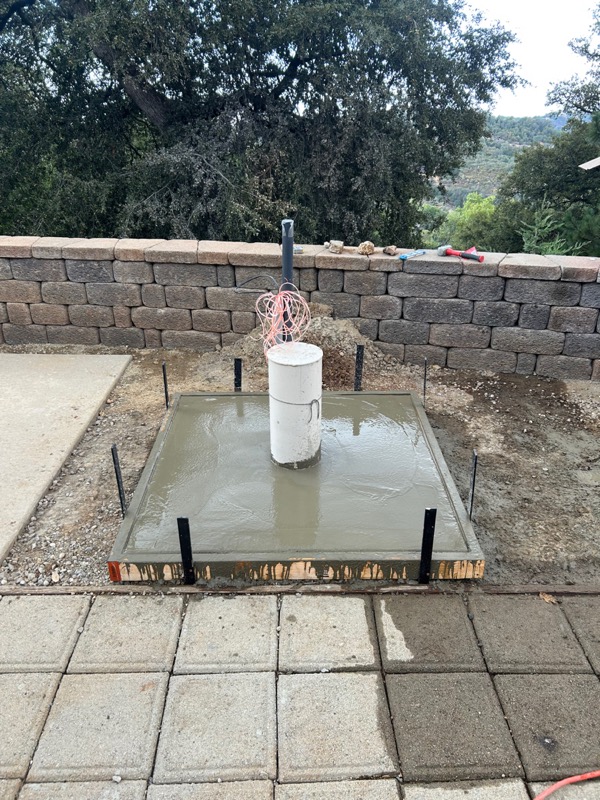
Running a ranch or farm in Pinon Hills? Your water supply is the lifeblood of your operation. Southern California Well Service provides complete well services for San Bernardino County agricultural properties.
📋 In This Guide
- Agricultural Well Applications
- High-Volume Well Drilling
- Irrigation System Integration
- Agricultural Well Maintenance
- Related Articles
Agricultural Well Applications
- Stock watering: Cattle, horses, goats, sheep
- Crop irrigation: Orchards, vineyards, row crops
- Domestic supply: Ranch house and worker housing
- Processing: Dairy, meat processing facilities
- Fire protection: Emergency water supply
High-Volume Well Drilling
Agricultural operations need serious water production. We drill and equip wells capable of:
- 50-500+ GPM production
- Large diameter casings for high-capacity pumps
- Deep wells reaching productive aquifer zones
- Multiple well systems for redundancy
Irrigation System Integration
We work with your irrigation needs:
- Variable frequency drives for efficiency
- Pressure systems for drip or sprinkler irrigation
- Storage and distribution tanks
- Booster pump systems
Agricultural Well Maintenance
Keep your agricultural well running at peak efficiency with regular maintenance:
- Annual pump inspection
- Flow rate testing
- Water quality monitoring
- Preventive repairs before failure
Need Help With Your Well in Pinon Hills?
Our expert technicians serve Pinon Hills and all of San Bernardino County with professional well services.
Related Articles
Continue learning about well maintenance and troubleshooting

Signs Your Well Pump Is Failing
Catch pump problems early before you lose water completely.
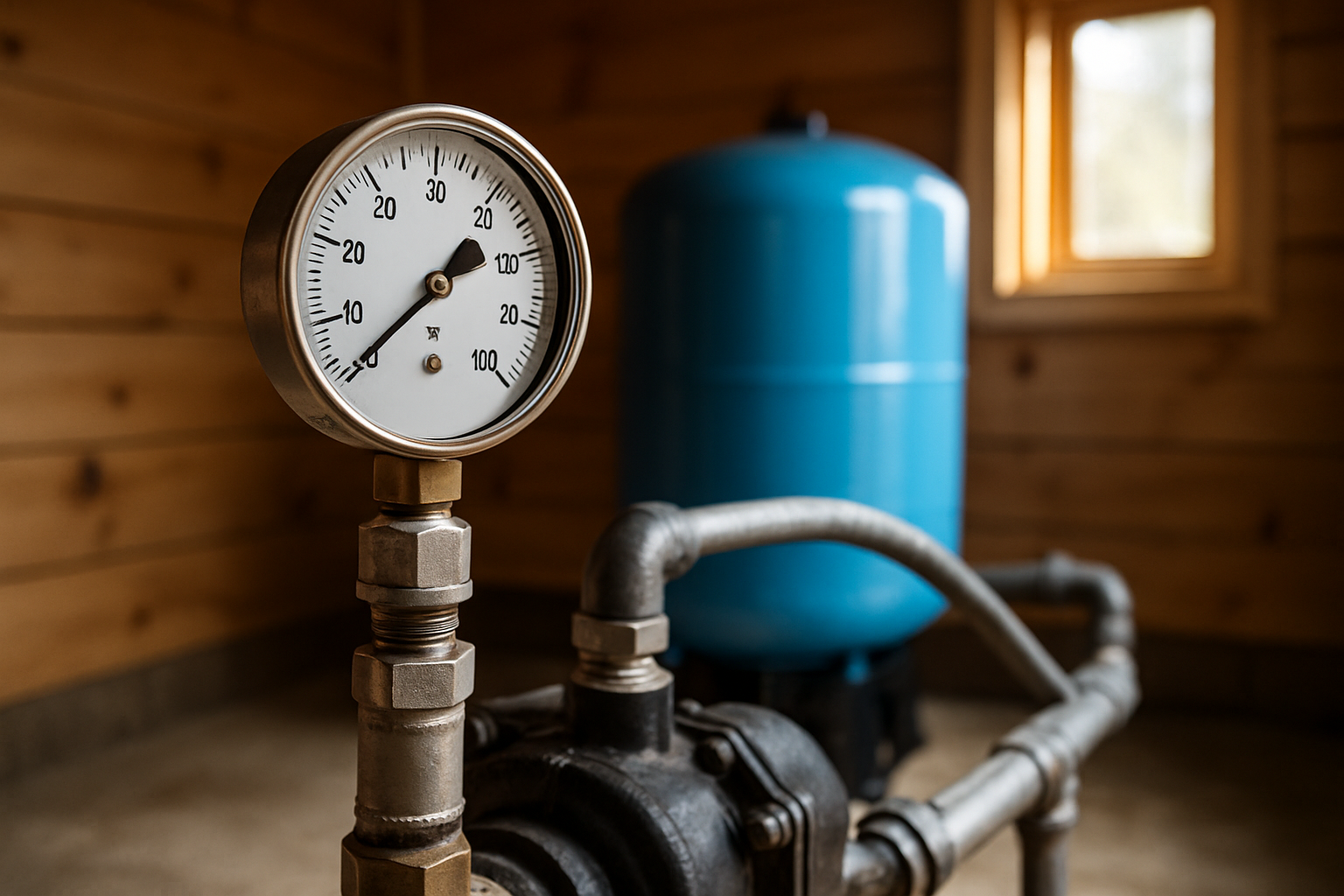
Low Water Pressure From Well
Diagnose and fix pressure problems before they get worse.
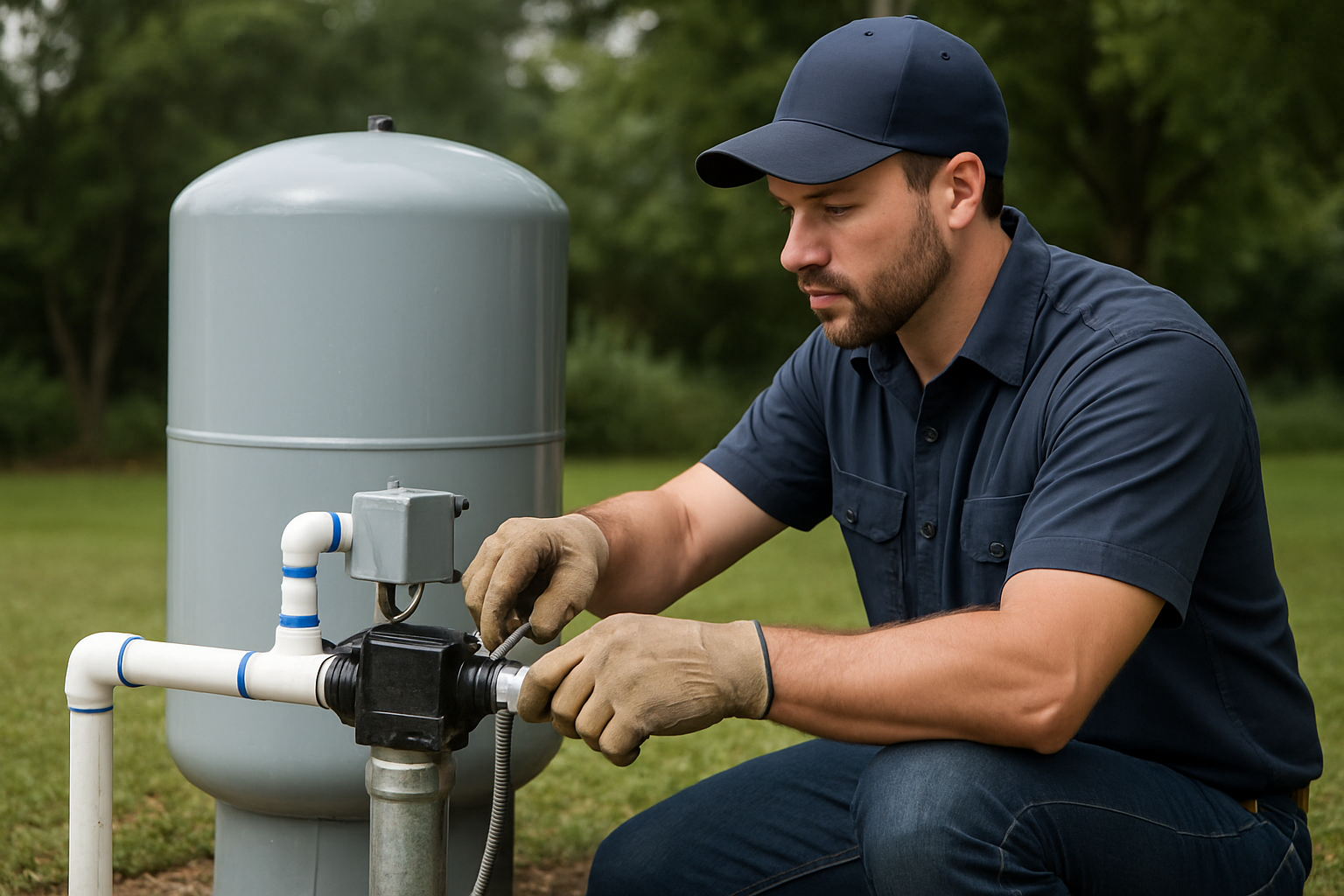
Well Maintenance Guide
Keep your well running smoothly with regular maintenance.
Our Locations
1077 Main St, Ramona, CA 92065
57174 US Highway 79, Anza, CA 92539
Out past the edge of Phelan, where Highway 138 bends toward the Cajon Pass and the granite shoulders of the San Gabriel Mountains rise above the desert floor, Piñon Hills spreads out in five-, ten-, and twenty-acre parcels of horse property, hobby orchards, and working ranchettes. At roughly 4,000 feet, this unincorporated corner of San Bernardino County's High Desert sits cooler than the Victor Valley floor below, but it is still bone-dry, wind-scoured, and high-evaporation country. The juniper-studded alluvial fans here were built by drainages like Sheep Creek washing crystalline rock and gravel down out of the mountains over millennia, and that same geology is what your water comes from. For a great many properties out here, there is no municipal main at the road. The well in your yard is not a backup or a convenience. It is the entire water supply.
That reality shapes everything about ranch water in Piñon Hills. A property that has to water horses, irrigate pasture or fruit trees, run a household, and keep a fire reserve on hand cannot lean on a city utility when demand spikes or a pump fails. Your well, your storage, and your pressure system have to carry the full load, every day, through summer heat and winter outages alike. Southern California Well Service has spent more than 30 years drilling, equipping, and maintaining wells across this kind of terrain throughout San Bernardino, Riverside, and San Diego counties, and the sections below lay out what it takes to build a ranch water system that holds up in the West Desert.
A Piñon Hills Ranch's Water Demands
The first step in any ranch water plan is honest arithmetic about how much water the property actually consumes on its hardest day. Livestock alone adds up quickly. A single horse drinks roughly 10 to 12 gallons a day under normal conditions, and more when temperatures climb the way they do here in July and August. Beef or dairy cattle commonly run 20 to 30 gallons per head per day. A modest string of horses and a few head of cattle can quietly become one of the largest steady draws on your system before you have watered a single tree.
Irrigation is where High Desert numbers really diverge from coastal expectations. Pasture, alfalfa, an orchard, or a kitchen garden all lose water not just to the plants but to relentless evaporation. At this elevation, with low humidity, strong wind off the mountains, and intense sun, the same patch of green grass needs considerably more applied water in Piñon Hills than it would near the coast. Any irrigation plan that ignores that high evaporation rate will come up short by midsummer.
On top of livestock and irrigation sit the household demands you would expect anywhere — bathing, laundry, dishes, drinking water — plus the things unique to remote ranch life out here. Many owners also want a dedicated fire reserve, a volume of stored water set aside for defensible space and to give a fire crew something to draw from when you are miles from the nearest hydrant. We do not invent a single gallon-per-day total for your property, because real sizing depends on your animal count, acreage, crops, and goals. But adding these categories together honestly almost always reveals a peak demand far larger than first-time owners expect.
Designing a High Desert Ranch Water System
Out here a well rarely stands alone. The right design for a Piñon Hills ranch is a coordinated system of four parts: the well itself, bulk storage, a pressurizing system, and a fire reserve.
Wells in this area are typically deep, drawing from the alluvium and fractured crystalline rock beneath the fans, and many produce a steady but modest yield rather than a gushing flow. The way you reconcile a modest-yield well with a large peak demand is storage. A sizable tank — commonly anywhere from 2,500 to 10,000 gallons or more on a working ranch — lets the well pump fill the tank slowly around the clock while the ranch draws from the tank quickly when irrigation and stock tanks all run at once. Storage buffers the well, protects the pump from short-cycling, and means a brief power blip or a heavy irrigation hour does not leave you dry.
From storage, a booster pump delivers usable pressure to the house, barns, and irrigation zones. A constant-pressure system built on a variable-frequency drive (VFD) is a strong fit for ranches, because it holds steady pressure whether you are filling one trough or running several sprinkler lines, and it is gentler on the equipment than older on/off setups. Finally, given the wildfire exposure along these mountain foothills, we strongly recommend designing in a fire reserve — a protected volume in your storage that does not get drawn down by daily use — and outfitting tanks with fittings compatible with fire-department hose connections so crews can put your water to work if it ever comes to that.
Water Quality for Livestock & Irrigation
Quantity is only half the picture. High Desert groundwater tends to be hard, with elevated minerals, and ranch water has to be fit for animals, soil, and equipment alike. Several quality issues show up across the Mojave region and should be on every Piñon Hills owner's radar.
- Hardness and TDS/salinity: High total dissolved solids and high salinity stress crops, can reduce yields, and slowly damage soil structure when used for irrigation. Salt-sensitive plants are especially vulnerable.
- Arsenic and fluoride: Naturally occurring arsenic and fluoride are documented in parts of the western Mojave's groundwater. These are not visible or tasteable, which is exactly why testing matters for any water people drink.
- Iron and manganese: These cause staining, clog emitters and screens, foul plumbing, and can affect taste for both people and livestock.
The only way to know what is actually in your well is a laboratory test, and we recommend testing before you build a treatment plan rather than guessing. Depending on results, solutions range from sediment filtration and iron/manganese removal to water softening or targeted treatment for arsenic or other constituents. Livestock can tolerate somewhat higher mineral levels than people, but there are real limits, and high-salinity water that animals will still drink can quietly harm a salt-sensitive orchard or pasture. Matching water quality to each use — drinking, stock, and irrigation — protects your animals, your crops, and your investment in the system.
Drought Resilience & Groundwater Reliability
Piñon Hills draws from the adjudicated Mojave Basin, and like much of California's High Desert, the region has wrestled with drought and long-term groundwater overdraft, where more water is pumped over time than nature recharges. The practical effect for ranch owners is that water tables can decline, and a well that performed well years ago may need attention as conditions change.
Resilience comes from design, not luck. Generous storage is itself a drought tool, smoothing out the gap between a modest well and a thirsty ranch. Redundancy matters too: where it makes sense, owners build in backup so a single failure does not shut everything down. Because grid power out here can go down in storms, heat events, or fire-related shutoffs, a generator or other backup power for the well and booster pump is one of the smartest investments a remote ranch can make — water you cannot pump is water you do not have. We also encourage owners to monitor their wells over time, watching water levels and pump performance so a slow decline gets caught early instead of becoming an emergency in August.
Maintenance & Common Ranch Well Issues in Piñon Hills
Ranch wells in this terrain face a predictable set of problems, and most are far cheaper to address early than to ignore.
- Mineral scaling: Hard High Desert water leaves scale inside pipes, pressure tanks, and on pump components, gradually choking flow and shortening equipment life.
- Sand and sediment: Wells set in alluvial fan deposits can pull fine sand and grit, which wears out pumps, clogs screens and irrigation emitters, and muddies storage.
- Deep-set pump wear: Deep wells mean pumps work hard against significant lift. Over years that takes a toll, and a failing pump in a deep well is a job for properly equipped crews.
- Declining yield: A drop in output can signal a falling water table, a worn pump, a fouled screen, or scaling. Diagnosing the true cause is what separates a lasting fix from a repeat repair.
Periodic inspection of the pump, pressure system, storage, and water quality keeps small issues from cascading into a dry ranch. On a property where the well is the sole supply, proactive maintenance is not optional upkeep — it is how you keep animals watered and the household running.
When to Call Southern California Well Service
Reach out when you are planning a new ranch or agricultural well, when you are expanding livestock or irrigation and need to know whether your current system can keep up, or when you are designing storage, pressure, and fire-reserve capacity from scratch. Call us, too, at the first sign of trouble — dropping pressure, sputtering or sandy water, a pump that runs constantly or not at all, or a noticeable decline in how much water your well delivers. A diagnostic visit runs $125 and is credited toward the work if you move forward. As a guide to budgeting, a turnkey new ranch or ag well commonly runs from about $25,000 to $60,000 or more depending on depth and equipment; storage with a booster system typically falls between $3,000 and $8,000; and pump work generally ranges from $2,500 to $8,000. We are licensed C-57 well contractors, hold a 4.9-star reputation, and offer same-day emergency service when your only water source goes down.
Serving Piñon Hills & the West Desert
Southern California Well Service works throughout Piñon Hills and the surrounding High Desert, including Phelan, Wrightwood, Oak Hills, Hesperia, and Adelanto, as well as the wider San Diego, Riverside, and San Bernardino county region. We operate two offices to keep response times short: one at 1077 Main St, Ramona, CA 92065, and one at 57174 US Hwy 79, Anza, CA 92539. Whether you are up near the mountain foothills or out toward the open desert flats, we bring the same drilling, pump, storage, and water-quality expertise to every ranch we serve.
Frequently Asked Questions
Do I need a permit to drill a well in Piñon Hills?
Yes. Wells in unincorporated Piñon Hills are permitted through San Bernardino County Environmental Health, and the well must be constructed to county and state standards. As licensed C-57 contractors, we handle the permitting and code requirements as part of the project so the work is done correctly and on the record.
How deep are wells in this part of the High Desert?
Piñon Hills wells vary widely with terrain and geology — some are a few hundred feet, others run substantially deeper, drawing from alluvial deposits and the fractured crystalline rock of the Transverse Ranges. Depth on your parcel depends on local conditions, which is why we evaluate the site rather than quote a one-size-fits-all number.
What does a ranch well system cost?
It depends on depth, yield, and how much storage, pressure, and fire-reserve capacity the ranch needs. As general ranges, a turnkey new ranch or ag well often runs $25,000 to $60,000 or more, storage with a booster system typically $3,000 to $8,000, and pump work $2,500 to $8,000. A $125 diagnostic, credited toward the job, lets us give you a real figure for your property.
There is no city water at my property — is a well really my only option?
For many parcels outside the local district's certificated service area, yes — a private well is the sole water supply. That is exactly why proper sizing, ample storage, backup power, and regular maintenance matter so much out here. There is no municipal main to fall back on, so the system has to be built to stand on its own.
Should I test my well water?
Absolutely, especially for anything people drink. High Desert groundwater can carry hardness, elevated TDS and salinity, and in the Mojave region naturally occurring constituents like arsenic or fluoride, plus iron and manganese. A laboratory test tells you exactly what you have so treatment can be matched to drinking, livestock, and irrigation uses.
How fast can you respond in an emergency?
We offer same-day emergency service. When a ranch loses its only water source, animals and household both feel it immediately, so a sudden pump failure, pressure loss, or dry well gets priority. Call or text us and we will get a crew moving.
Protect Your Ranch's Water — Call Today
Your well is the heartbeat of your Piñon Hills property, keeping livestock watered, pasture green, the household running, and a fire reserve ready. Let Southern California Well Service design, drill, equip, or repair a water system built for the demands of High Desert ranch life. Call (760) 440-8520 or text (619) 259-0410 to schedule your diagnostic and put more than 30 years of well expertise to work for your ranch.