
Ranch & Agricultural Well Services in Twin Oaks Valley
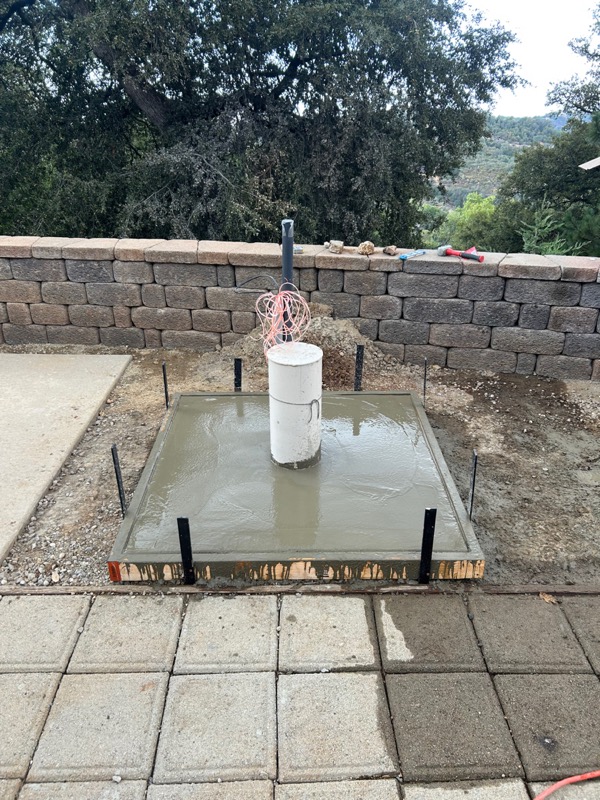
Running a ranch or farm in Twin Oaks Valley? Your water supply is the lifeblood of your operation. Southern California Well Service provides complete well services for San Diego County agricultural properties.
📋 In This Guide
- Agricultural Well Applications
- High-Volume Well Drilling
- Irrigation System Integration
- Agricultural Well Maintenance
- Related Articles
Agricultural Well Applications
- Stock watering: Cattle, horses, goats, sheep
- Crop irrigation: Orchards, vineyards, row crops
- Domestic supply: Ranch house and worker housing
- Processing: Dairy, meat processing facilities
- Fire protection: Emergency water supply
High-Volume Well Drilling
Agricultural operations need serious water production. We drill and equip wells capable of:
- 50-500+ GPM production
- Large diameter casings for high-capacity pumps
- Deep wells reaching productive aquifer zones
- Multiple well systems for redundancy
Irrigation System Integration
We work with your irrigation needs:
- Variable frequency drives for efficiency
- Pressure systems for drip or sprinkler irrigation
- Storage and distribution tanks
- Booster pump systems
Agricultural Well Maintenance
Keep your agricultural well running at peak efficiency with regular maintenance:
- Annual pump inspection
- Flow rate testing
- Water quality monitoring
- Preventive repairs before failure
Need Help With Your Well in Twin Oaks Valley?
Our expert technicians serve Twin Oaks Valley and all of San Diego County with professional well services.
Related Articles
Continue learning about well maintenance and troubleshooting

Signs Your Well Pump Is Failing
Catch pump problems early before you lose water completely.
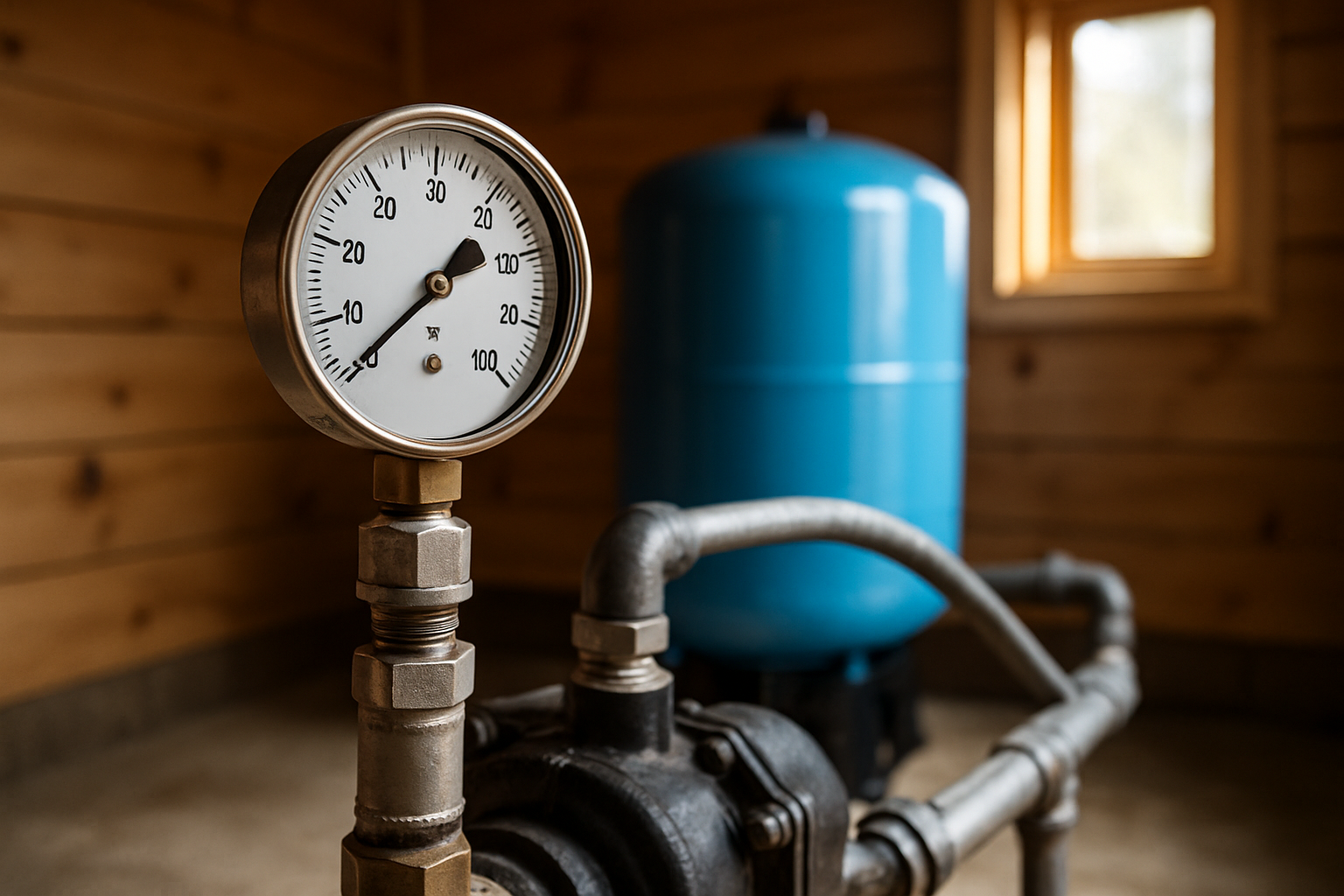
Low Water Pressure From Well
Diagnose and fix pressure problems before they get worse.
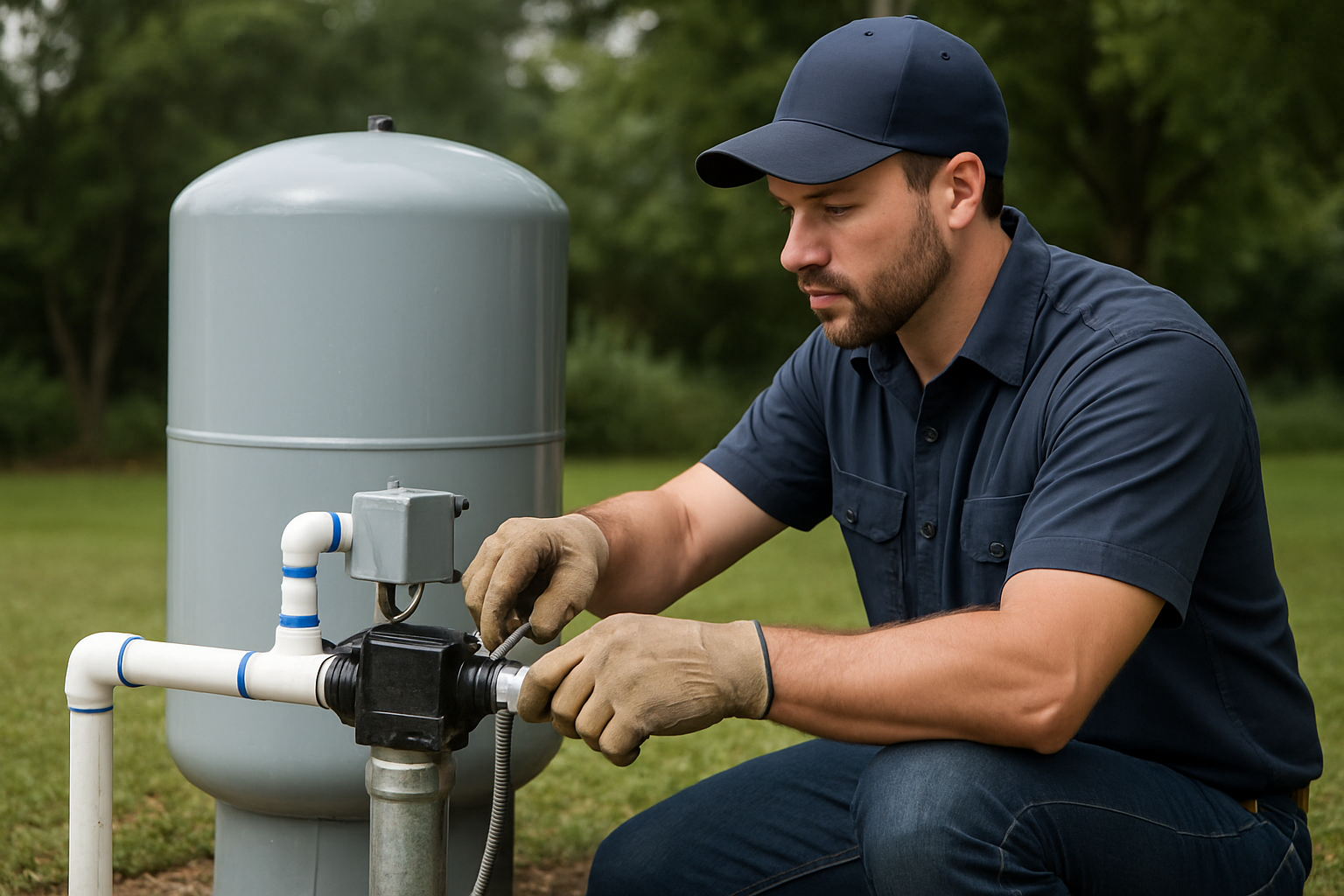
Well Maintenance Guide
Keep your well running smoothly with regular maintenance.
Our Locations
1077 Main St, Ramona, CA 92065
57174 US Highway 79, Anza, CA 92539
Wells for Twin Oaks Valley Ranches, Groves and Horse Properties
Tucked into the granite hills west of Interstate 15, between San Marcos and Escondido, Twin Oaks Valley is one of North County San Diego's last working rural valleys. The land here has been farmed since the 1800s, and the character still shows it: terraced avocado and citrus groves climbing the slopes, small estate vineyards, fenced pasture and horse arenas, and large lots scattered up the side canyons toward Hidden Meadows and Deer Springs. It is the kind of place where a single parcel might carry a household, a barn full of horses, and several irrigated acres of trees all at once. That combination of demands is exactly why a well is so valuable here, and why it has to be designed with care.
The other half of the equation is cost. Imported, metered water in this part of San Diego County is expensive, and for anyone irrigating groves or pasture the bill compounds fast through the long dry summer. A reliable private well changes that math, turning an open-ended monthly expense into a fixed asset on the property. But Twin Oaks Valley sits on fractured granitic bedrock, the same hard-rock aquifer that runs through much of inland North County, and these wells behave differently from the deep alluvial wells of a farm valley. Understanding that geology is the difference between a well that carries a ranch through August and one that runs short when the trees need water most. At Southern California Well Service, a licensed C-57 contractor with more than 30 years working these hills, that is the work we do every day.
A Twin Oaks Valley Ranch's Water Demands
Before anyone drills or sizes a pump, it pays to map out everything the water has to do. On a Twin Oaks Valley property the demands are unusually varied, and they peak at different times, which is the whole challenge.
Livestock. Horses are the most common animal in the valley, and a single horse typically drinks on the order of 10 to 15 gallons a day depending on weather, work and whether it is on dry feed. Cattle drink more, often in the range of 20 to 30 gallons a head per day, and both climb sharply during the heat. Wash racks, arena dust control and trough top-offs add to that. The exact total depends on your herd, but the planning lesson is simple: livestock demand is daily, non-negotiable and rises right when supply is most stressed.
Grove, vineyard and pasture irrigation. This is usually the largest draw on a Twin Oaks Valley ranch. Mature avocado and citrus trees need steady water through the dry season, and irrigation is measured in acre-inches and acre-feet, not gallons at the tap. Even a few irrigated acres can call for thousands of gallons on a hot summer day. Avocados in particular are shallow-rooted and unforgiving of water stress, so the demand is not just large, it must be dependable and well-distributed. Vineyards use less per acre but still want measured, scheduled irrigation, and any pasture you keep green is effectively a thirsty crop.
Household and fire reserve. The home itself, landscaping and any guest quarters or barns add a steady baseline. On rural lots, smart owners also plan a fire and defensible-space reserve, stored water that a fire crew can draw on if a wildfire moves through these brushy canyons. We will not invent a total for your property, because real sizing comes from adding your actual animals, irrigated acreage and structures together. The point is that peak demand on a working ranch can be many times the household average.
Designing a Ranch Water System
A ranch water system is more than a well and a pump. On fractured-granite ground especially, the design is really about pairing a modest, steady well with enough storage and the right delivery equipment so the property never feels the well's limits.
The well. Wells in Twin Oaks Valley's granitic bedrock produce water from fractures in the rock rather than from a thick saturated sand. They are often drilled several hundred feet deep, and yields tend to land in a low-to-moderate range. A well that produces only a handful of gallons per minute can still run a substantial ranch, provided it produces around the clock into storage.
Storage. Storage is the heart of a low-yield-well design. A tank lets the well fill it slowly over 24 hours while the ranch draws on the tank in big bursts, for morning irrigation or a round of waterings. Ranch storage commonly runs from about 2,500 gallons on a smaller property up to 10,000 gallons or more where groves and livestock are involved. A larger tank also buffers the well against short-term draw-down and gives you a cushion if the pump ever goes down.
Booster and constant pressure. Because storage tanks sit at low pressure, a booster pump pushes water from the tank out to the house, troughs and irrigation lines. A constant-pressure (VFD) booster holds steady pressure no matter how many zones are running, which matters when drip irrigation, a hose and a livestock trough all open at once. Storage-and-booster packages of this kind generally run in the $3,000 to $8,000 range, and pumps themselves typically fall between $2,500 and $8,000 depending on depth and horsepower.
Fire reserve and fittings. Where storage is generous, we can plumb a dedicated fire reserve and add standard fire-department fittings so crews can connect during an emergency. In these wildland-interface canyons, that reserve is real protection, not a luxury.
Water Quality for Avocados, Citrus and Livestock
In Twin Oaks Valley, water quality is not just a household comfort issue, it is an agronomic one. Avocados and citrus are notably sensitive to salinity, and that shapes everything.
Salinity, chloride and sodium. Avocado and citrus trees show classic leaf-tip and leaf-margin burn when chloride and sodium build up in the root zone. Granitic groundwater can carry enough of these salts to stress sensitive trees over time, especially as it concentrates through a dry summer of irrigation. Testing for chloride, sodium and overall total dissolved solids (TDS) before you commit a well to grove irrigation is one of the most important steps an owner can take.
Hardness, iron and manganese. Hard water and dissolved iron or manganese are common in this bedrock. They scale up drip emitters, plug filters and stain everything, which is a maintenance headache on an irrigation system built around small orifices. Iron bacteria can also foul a well over time.
Nitrates. On properties near current or former agricultural land, nitrate is worth testing for, particularly because it matters for drinking water and livestock. The right treatment, whether filtration, softening, blending or a tailored system, depends entirely on what your specific test results show, which is why we test first and prescribe second.
Drought Resilience, Reliability and Backup
Fractured-rock aquifers respond quickly to rain and just as quickly to drought. Because the granite holds relatively little water in storage, levels can rise after a wet winter and decline noticeably through a dry stretch of years. A well that was strong a decade ago can tighten during an extended drought, which is why resilience has to be engineered in rather than assumed.
Generous on-site storage is the first line of defense, smoothing out short-term draw-down and seasonal swings. Redundancy is the second: a second source, a deeper or backup well, or simply enough tank capacity to ride out a pump failure during the worst week of summer. Backup power matters too, since a power outage on a hot day can leave troughs dry and trees stressed within hours, so a generator or automatic transfer setup keeps water moving when the grid does not. Modern monitoring, level sensors and flow tracking, lets you watch the well's behavior and catch a declining trend before it becomes an emergency. Through all of it, the well remains a powerful hedge against the rising cost of metered water, which is precisely why so many valley owners invest in keeping it dependable.
Maintenance and Common Ranch Well Issues in Twin Oaks Valley
Ranch wells work hard, and the granitic setting brings a recognizable set of issues we see across the valley.
- Declining yield in fractured rock. Over years, fractures can tighten or the static level can drop, and a well that once kept up with the groves starts falling behind. Sometimes the fix is a deeper pump setting, sometimes rehabilitation, sometimes added storage.
- Scaling and mineral buildup. Hard water lays down scale in pipes, pressure tanks and drip lines, slowly choking flow and emitters.
- Sediment and sand. Decomposed granite can send fine sediment into the system, wearing pump components and clogging filters and irrigation heads.
- Pump wear and aging equipment. Pumps that cycle hard to feed irrigation eventually fatigue, and older pressure tanks, controls and wiring fail, often at the worst possible time in midsummer.
Regular inspection, water testing and proactive component replacement keep small problems from turning into a dry ranch during peak season.
When to Call Southern California Well Service
Call us when you are planning a new ranch or grove well, when your existing well is no longer keeping up with the trees or the herd, when pressure has dropped or the water has changed color or taste, or when you simply want a system designed to carry your property through the dry months. We handle new wells, pumps, storage and booster systems, water testing and treatment, and emergency repairs. A full diagnostic visit is $125, credited toward the work if you move forward, and we offer same-day emergency service when a ranch is out of water. Reach us at (760) 440-8520 or text (619) 259-0410.
Serving Twin Oaks Valley and North County Ranches
Southern California Well Service is a licensed C-57 contractor with more than 30 years of experience and a 4.9-star reputation across the region. We serve Twin Oaks Valley and the surrounding North County communities of San Marcos, Escondido, Hidden Meadows, Deer Springs and Valley Center, along with ranches throughout San Diego, Riverside and San Bernardino counties. Our Ramona office at 1077 Main Street is close to Twin Oaks Valley, which means fast response when a ranch needs help, and we also operate from Anza at 57174 US Highway 79. That local footprint lets us get to your property quickly and back it up with crews who know this granitic ground.
Frequently Asked Questions
Do I need a permit to drill a well in Twin Oaks Valley?
Yes. New wells in this area are permitted and inspected through the San Diego County Department of Environmental Health (DEH), which sets standards for well construction, setbacks and sealing. As a licensed contractor we handle the permitting process and make sure the work meets county requirements.
How deep are wells in Twin Oaks Valley's granite?
Wells in fractured granitic bedrock are commonly drilled several hundred feet deep to intersect enough water-bearing fractures. Depth varies a great deal from one parcel to the next, even between neighbors, because it depends on where the productive fractures lie. We use local experience and any available area data to guide each location.
What does a ranch or ag well cost?
A turnkey new ranch or agricultural well generally runs from about $25,000 to $60,000 or more, depending on depth, geology and the storage and pumping equipment involved. Storage-and-booster packages typically fall in the $3,000 to $8,000 range and pumps in the $2,500 to $8,000 range. We provide a clear estimate after evaluating your property and water needs.
My well is low-yield. Can it still irrigate my grove?
Often, yes. A low-yield fractured-rock well can support a substantial grove or pasture when it is paired with adequate storage. The tank fills slowly around the clock while you draw heavily during irrigation, so the system delivers far more during a watering than the well produces minute to minute. Right-sizing that storage is the key.
Should I test my water before irrigating avocados or citrus?
Absolutely. Avocados and citrus are sensitive to chloride and sodium, and water that is fine for the house can still burn sensitive trees over time. We recommend testing for chloride, sodium, TDS, hardness and, near agricultural land, nitrates before committing a well to grove irrigation, then matching treatment to the results.
How fast can you respond if my ranch is out of water?
We offer same-day emergency service, and our Ramona office is close to Twin Oaks Valley, so we can typically reach North County ranches quickly. When livestock and groves are at risk, fast response matters, and that proximity is one of our biggest advantages.
Protect Your Ranch's Water Supply Today
Whether you are planning a new grove well, upgrading storage to carry your horses and trees through summer, or facing a well that is no longer keeping up, Southern California Well Service is ready to help your Twin Oaks Valley property. Call us at (760) 440-8520 or text (619) 259-0410 to schedule your diagnostic and put 30 years of North County well experience to work for your ranch.