
Rusty Water from Your 4s Ranch Well?
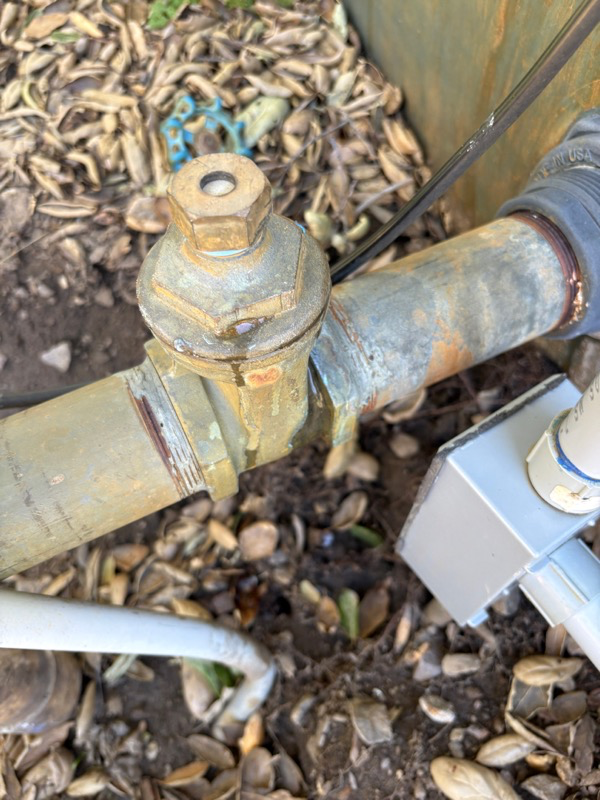
Seeing rusty, orange, or red-tinted water from your 4s Ranch well? This common issue is usually caused by iron in your groundwater or corroding well components. The good news: it's fixable.
📋 In This Guide
- What Causes Rusty Well Water?
- Is Rusty Water Safe to Drink?
- Solutions for Rusty Well Water
- Get Your Water Tested
- Related Articles
Southern California Well Service diagnoses and solves rusty water problems for San Diego County homeowners with targeted solutions that address the root cause.
What Causes Rusty Well Water?
- Dissolved Iron: Naturally occurring iron in San Diego County groundwater
- Iron Bacteria: Bacteria that feed on iron, creating rusty slime
- Corroding Casing: Old steel well casing breaking down
- Corroding Pipes: Galvanized or iron plumbing in your home
- Failing Water Heater: Rusting anode rod or tank
Is Rusty Water Safe to Drink?
Iron itself isn't a health hazard at typical well water concentrations. However, rusty water:
- Tastes metallic and unpleasant
- Stains sinks, toilets, and laundry
- Can clog pipes and fixtures over time
- May indicate other water quality issues
We recommend water testing to identify the specific cause and concentration of iron in your 4s Ranch well.
Solutions for Rusty Well Water
Iron Removal Systems
Water treatment systems designed specifically for iron removal, including oxidizing filters, water softeners, and chemical injection systems.
Well Rehabilitation
If iron bacteria is the culprit, shock chlorination and well cleaning can eliminate the bacteria colony.
Casing Replacement
Severely corroded steel casing may need to be lined or replaced to stop rust contamination.
Plumbing Updates
Replacing old galvanized pipes with PEX or copper eliminates household sources of rust.
Get Your Water Tested
The first step to solving rusty water is understanding what's causing it. We offer comprehensive water testing for 4s Ranch well owners to identify iron levels and recommend the most effective treatment.
Need Help With Your Well in 4s Ranch?
Our expert technicians serve 4s Ranch and all of San Diego County with professional well services.
Related Articles
Continue learning about well maintenance and troubleshooting

Signs Your Well Pump Is Failing
Catch pump problems early before you lose water completely.
Low Water Pressure From Well
Diagnose and fix pressure problems before they get worse.
Well Maintenance Guide
Keep your well running smoothly with regular maintenance.
Our Locations
1077 Main St, Ramona, CA 92065
57174 US Highway 79, Anza, CA 92539
Fixing Rusty and Discolored Well Water in 4S Ranch
4S Ranch is a master-planned community of roughly 4,700 homes in unincorporated North County San Diego, sitting between Rancho Bernardo, Black Mountain Ranch, and Rancho Penasquitos about 25 miles north of downtown. Most of the community runs on district water today, but the land has deep agricultural roots: before the homes arrived, this was grazing, tomato fields, and citrus orchards irrigated partly by ground wells. On the rural parcels around and beyond 4S Ranch, private wells are still in service, and one of the most common complaints we hear from those owners is rusty, orange, or brown-tinted water. The reassuring news is that discolored well water is almost always a solvable problem once you identify the source.
Southern California Well Service is a licensed C-57 contractor with more than 30 years working San Diego County's decomposed-granite and fractured-rock wells. We approach rusty water as a diagnostic question first, because the right fix depends entirely on what is actually causing the color.
What Makes Well Water Turn Rusty
Rust color in well water comes from iron, but iron reaches your tap by several different routes, and each calls for a different remedy:
- Dissolved (ferrous) iron: Iron naturally leached from the granitic rock, invisible in the aquifer but turning orange once it hits air and oxidizes.
- Iron bacteria: Harmless-to-health but nuisance organisms that feed on iron and leave a rusty, slimy sludge in tanks, toilets, and fixtures.
- Corroding steel casing: An older well's steel casing rusting from the inside and shedding particles into the water column.
- Corroding plumbing: Galvanized or iron pipe inside the home breaking down, often the culprit when only certain fixtures run rusty.
- A failing water heater: A spent anode rod or a rusting tank, which usually shows up only in the hot water.
Telling these apart is the heart of the job. Rusty water at every tap, hot and cold, points toward the well or the main; rusty water at one fixture points to local plumbing; rust only in hot water points to the heater.
Is Rusty Water Dangerous?
At the iron concentrations typical of San Diego County groundwater, iron itself is not considered a health hazard, the EPA classes it as a secondary, aesthetic contaminant. That said, rusty water is far from harmless to your household. It tastes metallic, stains sinks, tubs, toilets, and laundry a stubborn orange, builds deposits that clog aerators and narrow pipes, and can foul appliances and irrigation emitters. Iron bacteria add slime and odor and can accelerate corrosion. And because a sudden color change sometimes signals a deeper issue, such as failing casing or a dropping water table pulling in sediment, it is worth testing rather than ignoring.
How We Solve It
Once testing reveals the cause and concentration, we match the solution to the problem:
- Oxidizing or catalytic iron filters for dissolved iron, converting it to a filterable form and flushing it away.
- Water softeners where iron rides along with hardness, common in this region's mineral-rich water.
- Chemical injection and contact tanks for higher iron loads or stubborn cases.
- Shock chlorination and well rehabilitation to wipe out an iron-bacteria colony and clean the well.
- Casing repair, lining, or replacement when corroded steel is the source.
- Plumbing upgrades, swapping galvanized pipe for PEX or copper to remove household rust sources.
It also helps to know that not every rusty-water problem lives in the well. We are often called out to a "well problem" that turns out to be a corroded water heater or a single galvanized branch line, which is good news because those are quick, inexpensive fixes. We always check the simplest household sources before recommending any work on the well itself, so you are not paying to treat the aquifer when the real issue is a fifteen-year-old water heater.
What You Can Check Yourself
- Test hot versus cold. Rust only in hot water usually means the water heater, not the well.
- Check every tap. Rust at one fixture suggests local plumbing; rust everywhere suggests the source.
- Let a glass stand. Color that settles out is oxidized iron or sediment; clear water that browns as it sits is dissolved iron.
- Look for slime. Reddish, slimy buildup in the toilet tank is the signature of iron bacteria.
- Note the timing. Rust after heavy use or after the pump runs hard can mean the well is drawing down and pulling sediment.
When to Call a Professional
Call us when the discoloration is constant rather than occasional, when you see rusty slime, when the water also carries grit or a metallic smell, or when color appears suddenly along with any change in pressure. These point toward the well, the casing, or a treatment need that a homeowner cannot safely diagnose. A professional water test is the fastest way to stop guessing and target the real cause.
What Treatment Costs
Pricing depends on iron levels, water use, and the underlying cause. In San Diego County, sediment filtration generally runs $300 to $900, and an iron or manganese filter or a softener runs $1,500 to $3,500. If the well itself needs work, a pressure switch is $150 to $350, a pressure tank $600 to $1,500, and a submersible pump replacement $2,500 to $5,500. Casing problems can require lining or, in severe cases, a new turnkey well at $18,000 to $42,000, while decommissioning an old well runs $1,500 to $5,000. Our diagnostic and water-testing visit is $125, credited toward any work you authorize.
Serving 4S Ranch and North County San Diego
From our Ramona and Anza offices we serve 4S Ranch and the surrounding North County communities of Rancho Bernardo, Rancho Penasquitos, Poway, and the rural parcels reaching east toward Ramona. Our crews know the area's granitic groundwater and the iron and hardness patterns that come with it.
Why North County Wells Develop Iron Problems
The granitic and decomposed-granite formations beneath North County San Diego carry naturally occurring iron and manganese, and the chemistry of any individual well depends on the exact fractures it taps. Two wells on adjacent parcels can have very different iron levels. On top of that natural iron, the region's many older wells were built with steel casing that corrodes over decades, and a fair number of mid-century homes still have galvanized supply plumbing. When you combine natural iron, aging casing, and old pipe, rusty water becomes one of the most common water-quality calls we get. Knowing which of those factors is driving the color, often a combination, is exactly what separates a lasting fix from a temporary patch.
Seasonal patterns play a role too. During dry stretches the water table drops, a pump may draw harder and pull in more sediment and iron-laden water from the lower fractures, and color can worsen. A well that runs clear in a wet winter can turn rusty by late summer for purely hydrologic reasons, which is one more argument for testing before assuming the worst about your casing.
Frequently Asked Questions
Why did my 4S Ranch well water suddenly turn rusty?
A sudden change often means corroding casing, a water table drop pulling in sediment, or a flare-up of iron bacteria. A water test and a well inspection identify which one and guide the fix.
Will a softener alone fix rusty water?
Sometimes. A softener handles modest dissolved iron that comes with hardness, but heavier iron loads or iron bacteria need a dedicated iron filter or shock chlorination. Testing determines the right tool.
Is the orange staining permanent?
Existing iron stains can usually be removed with the right cleaners, and once the source is treated, new staining stops. The key is fixing the cause, not just scrubbing the symptom.
Can rusty water damage my appliances?
Yes. Iron and the deposits it forms shorten the life of water heaters, dishwashers, washing machines, and irrigation emitters, so treatment often pays for itself in protected equipment.
Do you offer same-day service?
Yes. We provide same-day response for urgent well problems in the 4S Ranch area and across North County, reachable by phone or text.
How do I know if it is iron bacteria?
Iron bacteria leave a slimy, reddish-brown buildup in toilet tanks and on fixtures and often add a musty odor. We confirm it with testing and treat it with shock chlorination and well cleaning.
Get Clear Water Back in 4S Ranch
You do not have to live with orange water and stained laundry. Call Southern California Well Service at (760) 440-8520 or text (619) 259-0410 to schedule water testing, request a free estimate, or get same-day help with rusty water at your 4S Ranch property.