
Rusty Water from Your Aguanga Valley Well?
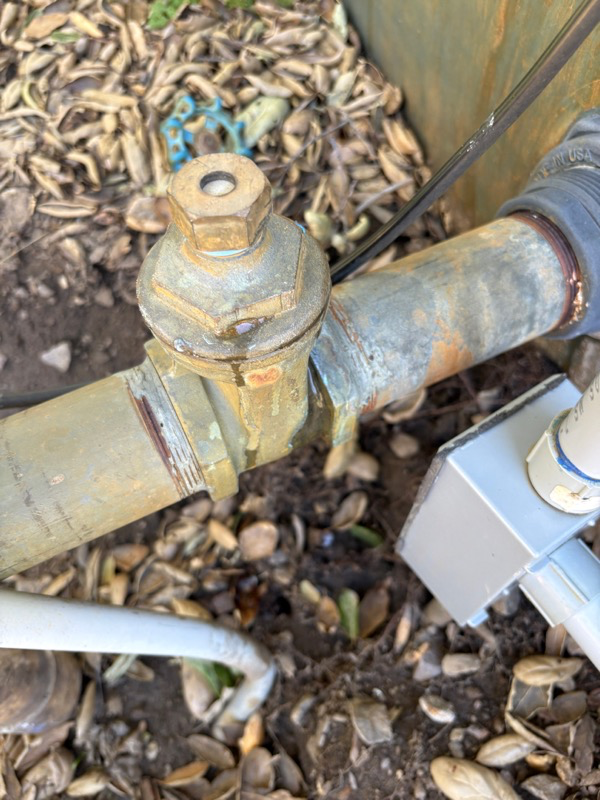
Seeing rusty, orange, or red-tinted water from your Aguanga Valley well? This common issue is usually caused by iron in your groundwater or corroding well components. The good news: it's fixable.
📋 In This Guide
- What Causes Rusty Well Water?
- Is Rusty Water Safe to Drink?
- Solutions for Rusty Well Water
- Get Your Water Tested
- Related Articles
Southern California Well Service diagnoses and solves rusty water problems for Riverside County homeowners with targeted solutions that address the root cause.
What Causes Rusty Well Water?
- Dissolved Iron: Naturally occurring iron in Riverside County groundwater
- Iron Bacteria: Bacteria that feed on iron, creating rusty slime
- Corroding Casing: Old steel well casing breaking down
- Corroding Pipes: Galvanized or iron plumbing in your home
- Failing Water Heater: Rusting anode rod or tank
Is Rusty Water Safe to Drink?
Iron itself isn't a health hazard at typical well water concentrations. However, rusty water:
- Tastes metallic and unpleasant
- Stains sinks, toilets, and laundry
- Can clog pipes and fixtures over time
- May indicate other water quality issues
We recommend water testing to identify the specific cause and concentration of iron in your Aguanga Valley well.
Solutions for Rusty Well Water
Iron Removal Systems
Water treatment systems designed specifically for iron removal, including oxidizing filters, water softeners, and chemical injection systems.
Well Rehabilitation
If iron bacteria is the culprit, shock chlorination and well cleaning can eliminate the bacteria colony.
Casing Replacement
Severely corroded steel casing may need to be lined or replaced to stop rust contamination.
Plumbing Updates
Replacing old galvanized pipes with PEX or copper eliminates household sources of rust.
Get Your Water Tested
The first step to solving rusty water is understanding what's causing it. We offer comprehensive water testing for Aguanga Valley well owners to identify iron levels and recommend the most effective treatment.
Need Help With Your Well in Aguanga Valley?
Our expert technicians serve Aguanga Valley and all of Riverside County with professional well services.
Related Articles
Continue learning about well maintenance and troubleshooting

Signs Your Well Pump Is Failing
Catch pump problems early before you lose water completely.
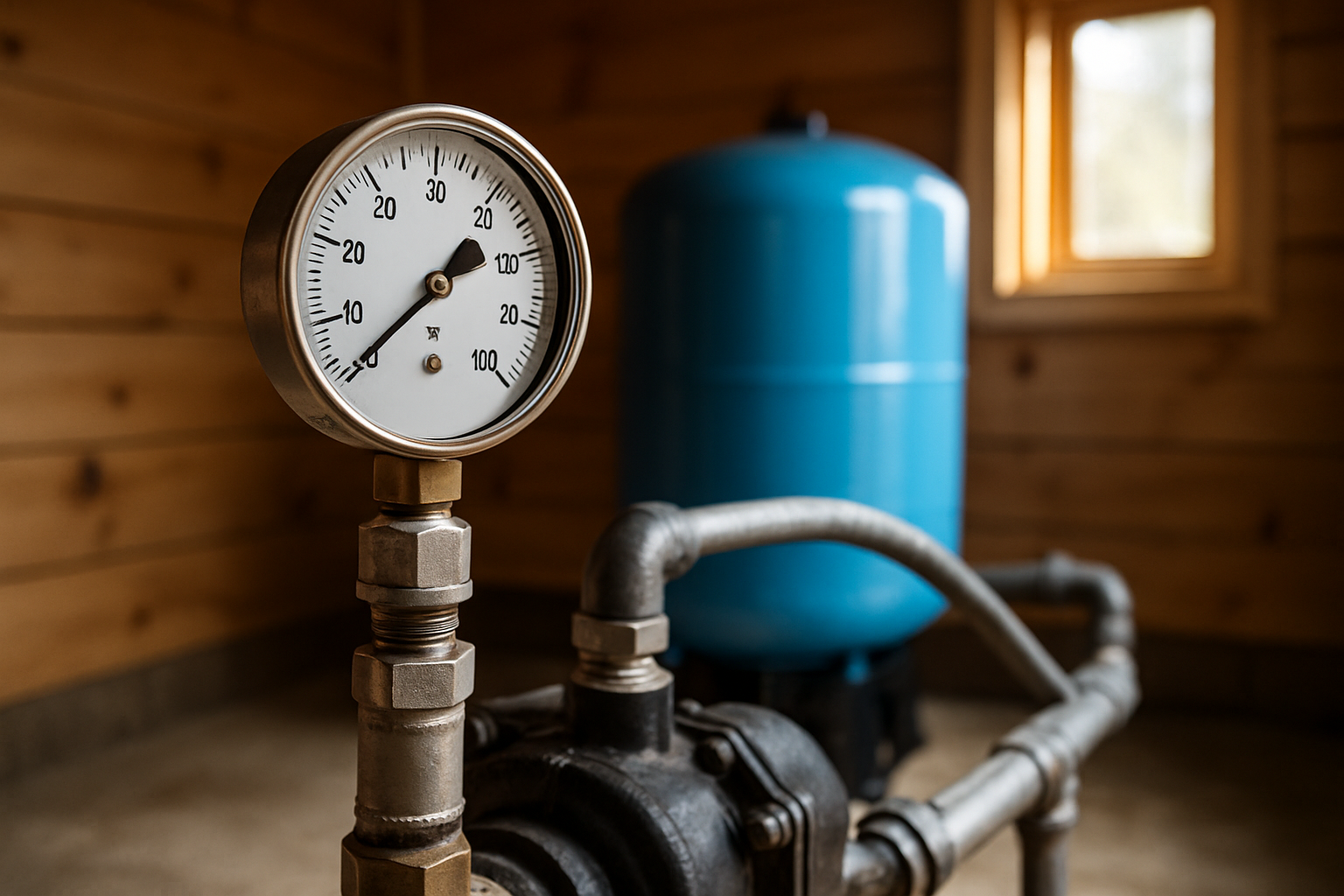
Low Water Pressure From Well
Diagnose and fix pressure problems before they get worse.
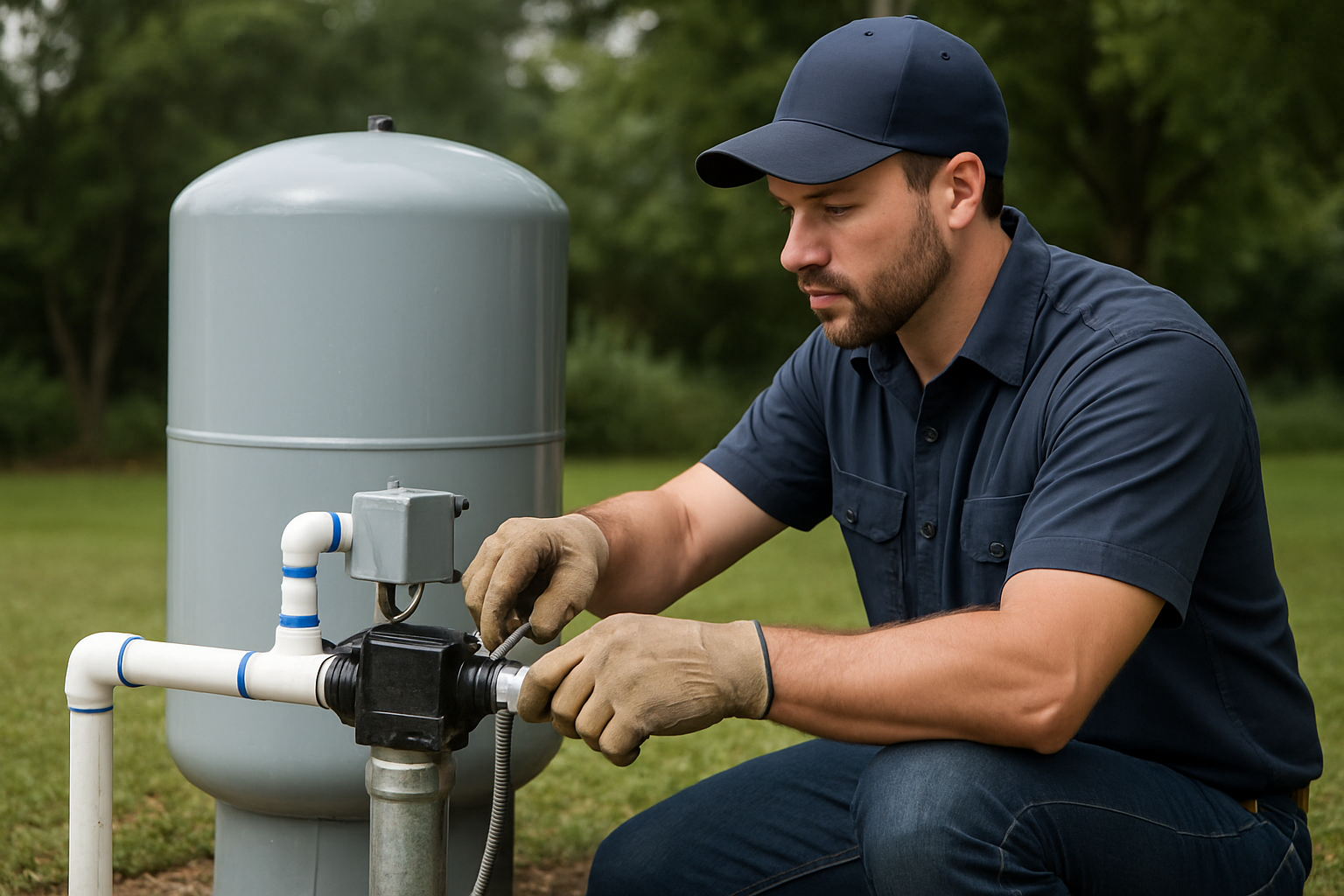
Well Maintenance Guide
Keep your well running smoothly with regular maintenance.
Our Locations
1077 Main St, Ramona, CA 92065
57174 US Highway 79, Anza, CA 92539
Rusty Water from Your Aguanga Well? Here's What's Happening
Aguanga sits where Highways 79 and 371 meet, a rural stretch of southwestern Riverside County between the Temecula wine country to the west and the Anza plateau to the east. Out here, public water mains end and private wells begin, drawing from the alluvial ground along Temecula Creek and the fractured granite that rises into the surrounding hills. When that water shows up rusty, orange, or red-brown in the sink, it is almost always telling you something about the iron in the local geology — or about the condition of the well and plumbing that delivers it. Rust is one of the most frequent calls we get from Aguanga ranches, vineyards, and avocado parcels, and it is a problem with a clear path to a fix.
The Geology Behind Aguanga's Iron
Aguanga's wells fall into two broad groups, and they tend to behave differently. Properties on the valley floor near Temecula Creek and Wilson Valley pull from sandy and gravelly alluvium, where water moves more freely but still picks up iron and manganese as it filters through decomposed granite. Properties up on the hillsides tap fractured granite bedrock, where yield is lower and the water has spent a long time in contact with iron-bearing minerals. Either way, the dissolved iron stays invisible while it is under pressure underground, then turns rusty the moment it meets air at your faucet.
Two patterns dominate what we see in Aguanga:
- Clear-then-rusty water — dissolved iron oxidizing after it leaves the tap. Stains build up gradually on porcelain, laundry, and stucco wherever the irrigation hits.
- Already-rusty water with grit — oxidized iron and sediment coming loose from an aging casing, a worn pump, or a pressure tank that has been collecting rust for years.
Aguanga's water also runs hard, and during the long dry season the water table can drop enough that pumps pull in more fine sediment. Hardness, sediment, and iron compound one another, which is why a stain problem here often has more than one root.
When Iron Bacteria Move In
If you are finding a rust-colored, slimy buildup in the toilet tank or catching a faint marshy odor, iron bacteria are likely at work. These organisms are not a health threat, but they multiply inside the cool, low-oxygen water of many Aguanga wells and leave behind sticky deposits that foul screens, pumps, and filters. They cannot be filtered away — they have to be treated inside the well.
Is It Safe to Use?
Iron and manganese are aesthetic contaminants, so rusty Aguanga water is generally safe to wash and bathe with even though it tastes metallic and stains everything it touches. The bigger concerns are practical: iron buildup clogs drip irrigation and emitters — a real headache on a vineyard or grove — shortens the life of pumps and water heaters, and can mask other changes in your water. Because backcountry Riverside County wells occasionally carry elevated nitrate or other minerals, a noticeable change in color or smell is a sensible reason to run a complete water test.
Simple Checks to Narrow It Down
- Compare hot and cold. Rust only in the hot line usually means the water heater, not the well.
- Sample at the wellhead or a pre-treatment hose bib. Clean there but rusty inside means the issue is in your plumbing or treatment gear.
- Note when it appears. After the pump cycles, after sitting overnight, or only when irrigation runs — each timing points somewhere different.
- Inspect filters and the pressure tank. An orange-caked cartridge or sludgy tank confirms iron is reaching your system.
- Look at outdoor staining. Orange streaks on stucco, fences, and concrete map exactly where iron-laden irrigation lands.
How We Fix Rusty Water in Aguanga
Sediment and Iron Filtration
Most Aguanga homes start with whole-house sediment filtration (about $300–$900) to capture granitic grit, followed by an oxidizing iron filter sized to the iron level in your water test. That combination clears the orange tint at every tap and protects your irrigation system.
Water Softening
Given how hard Aguanga water tends to be, a softener ($1,500–$3,500 installed) is often part of the answer, handling scale and low iron levels while extending the life of appliances.
Well Cleaning and Rehabilitation
When iron bacteria, encrustation, or a fouled screen are to blame, shock chlorination and mechanical rehabilitation clear the source so downstream treatment can keep up.
Pump, Tank, and Casing Repairs
A corroding steel casing or a failing pressure tank will keep shedding rust regardless of filtration. Repairing or replacing those components stops the iron at its origin. Our diagnostic visit is $125 and credited toward the repair, so the assessment pays for itself.
Drought, Demand, and Rust on Aguanga Properties
Aguanga's water quality is tied to the seasons more closely than most homeowners realize. After a string of dry years, the water table beneath the valley drops, and a pump that used to sit comfortably above the iron-rich, sediment-heavy zone near the bottom of the well starts drawing from it instead. That is why so many rusty-water calls here cluster in late summer and early fall, and why a well that ran clear for years can suddenly start staining laundry. On agricultural parcels — the vineyards, hay fields, and avocado and citrus groves that fill the Highway 79 corridor — the problem compounds: heavy irrigation demand pulls the level down faster and keeps sediment in suspension longer. If your rusty water tracks the calendar, the fix may involve more than a filter. Lowering or repositioning the pump, adding a properly sized storage tank to even out demand, or addressing a well that is simply being asked for more than it can deliver can all be part of the solution. We look at how your well is being used, not just what comes out of the tap, so the treatment we recommend actually holds up through an Aguanga dry season.
When to Bring in a Pro
If the rust shows at both hot and cold taps, keeps coming back after filter changes, arrives with slime or odor, or appears alongside a drop in water pressure, the cause is most likely in the well or pressure system. That is the point to call a licensed C-57 contractor rather than swapping cartridges. Southern California Well Service can test, inspect, and recommend a fix built around Aguanga's specific water chemistry.
Serving Aguanga and the Highway 79 Corridor
Our Anza office is just up Highway 371, which makes Aguanga one of our closest service areas. We cover the valley floor, Wilson Valley, the Temecula Creek corridor, and the ranch and agricultural properties stretching toward Radec, Sage, and the edge of Temecula wine country. Three decades of work on these exact wells, a 4.9-star track record, and same-day emergency service mean help is genuinely nearby when your water turns rusty.
Frequently Asked Questions About Rusty Water in Aguanga
Why does my Aguanga well water turn orange after sitting in a glass?
That is dissolved iron, which is common in both the creek-side alluvium and the fractured granite around Aguanga. It is clear under pressure underground and oxidizes into rust once exposed to air. An oxidizing iron filter sized to your water test is the usual remedy.
Will rusty water hurt my vineyard or avocado irrigation?
It can. Iron precipitates inside drip lines and emitters, slowly clogging them and creating uneven watering. Whole-house or dedicated agricultural iron filtration keeps your irrigation flowing and prevents the orange staining iron leaves on equipment and structures.
Is rusty well water safe to bathe in and wash with?
Generally yes — iron is an aesthetic issue, not a health hazard at typical Aguanga levels. It stains laundry and fixtures and tastes metallic, but it is safe for washing. A water test is still wise when the color changes suddenly.
What causes the slimy buildup in my toilet tank?
Iron bacteria. They feed on the iron in your water and leave a rust-colored slime. They are harmless but persistent, and they need to be treated inside the well with shock chlorination rather than with a filter alone.
How much should I expect to spend?
Sediment filtration runs about $300–$900, softeners $1,500–$3,500, and iron filtration depends on your water chemistry. We begin with a $125 diagnostic credited toward any work so you are paying for the right fix.
How fast can you get to Aguanga?
Very quickly — our Anza office is minutes away by Highway 371, and we offer same-day emergency response for no-water and water-quality calls in the Aguanga area.
Get Your Aguanga Water Back to Clear
Don't let rusty water stain your home or clog your irrigation. Call Southern California Well Service at (760) 440-8520 or text (619) 259-0410 for prompt, local service. Licensed C-57, 30-plus years in the Aguanga and Anza backcountry, and same-day emergency help when you need it.