Selling a Home with a Well: California Disclosure Requirements
What sellers must disclose about wells. Legal requirements and documentation needed.
📋 In This Guide
See our seller inspection services.
(760) 440-8520California Seller Disclosure Obligations
California Civil Code sections 1102-1102.17 establish comprehensive disclosure requirements for residential property sales. The Transfer Disclosure Statement (TDS) requires sellers to disclose known conditions affecting property value or desirability. For well properties, this includes known production issues, water quality problems, needed repairs, shared well arrangements, and any regulatory violations. The Natural Hazard Disclosure Statement may also apply if the property is in areas with known groundwater contamination. Importantly, you're disclosing what you know—not conducting investigations. However, deliberately concealing known defects exposes you to significant legal liability that can extend well beyond closing.
Preparing Well Documentation for Sale
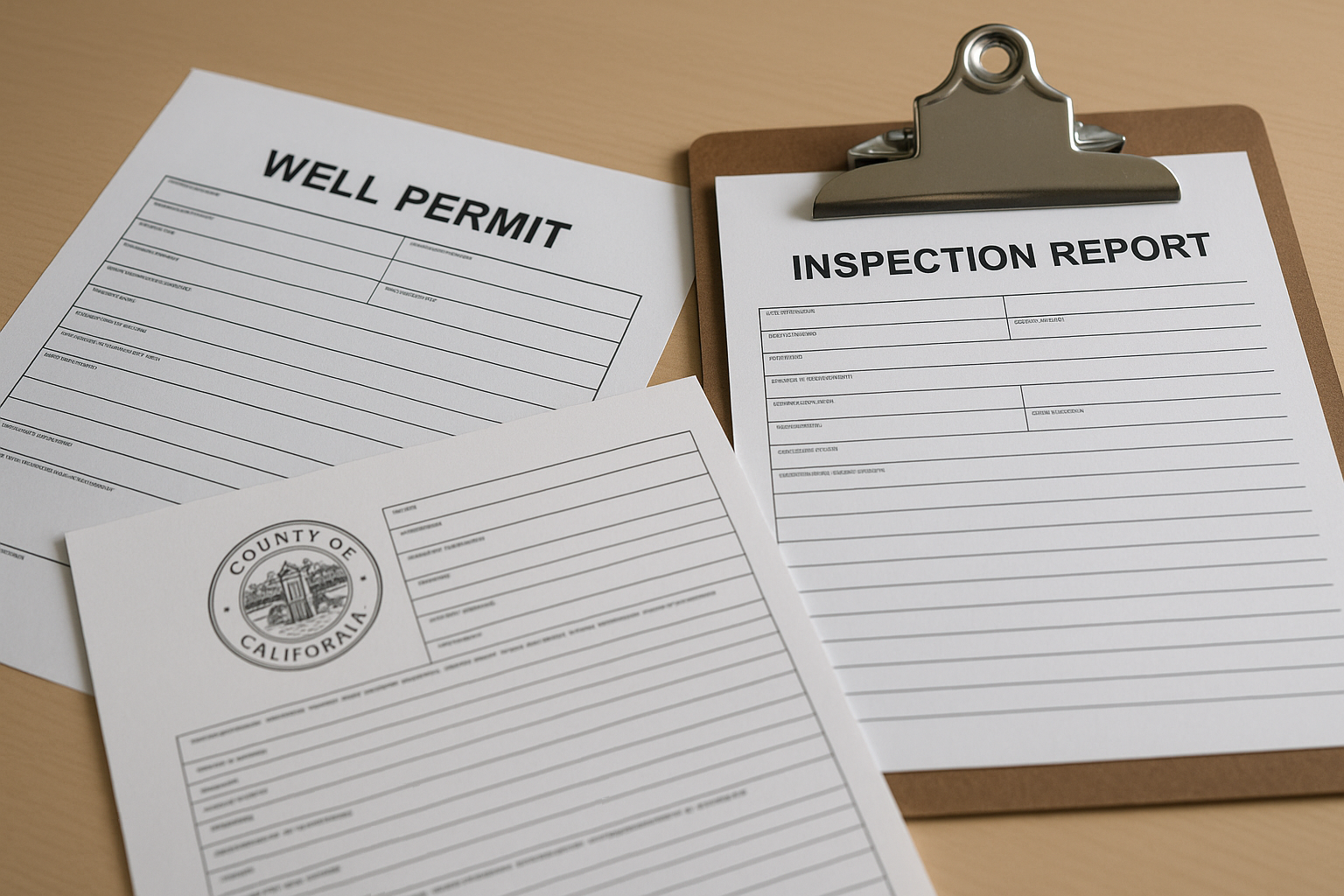
Comprehensive documentation streamlines sales and builds buyer confidence. Start with the well completion report—California requires drillers to file these with the Department of Water Resources, and copies are available online through DWR's well completion report database. Gather permits for any well work, pump installation records, and maintenance history. Recent water quality tests (within 1-2 years) are valuable, especially if they show the well meets drinking water standards. If your well serves multiple properties, have the sharing agreement ready. Missing documentation doesn't prevent sale but may raise buyer concerns. SCWS can assist sellers by conducting inspections that create current documentation of well condition and performance.
Benefits of Pre-Listing Well Inspection
Savvy sellers invest in pre-listing inspections to control the transaction narrative. Discovering issues early provides time for cost-effective repairs rather than emergency fixes during escrow. A clean inspection report becomes a marketing asset demonstrating property quality. Even if issues are found, knowing about them allows accurate pricing and prevents buyer inspection surprises that often kill deals or trigger aggressive renegotiation. Pre-listing inspection costs are minimal compared to price reductions demanded when buyers discover problems. SCWS seller inspection packages include flow testing, water quality analysis, and equipment evaluation with detailed reports suitable for sharing with potential buyers.
Common Issues That Affect Sales
Certain well issues frequently impact property sales in California. Low flow rates below 3 gallons per minute concern lenders and buyers, potentially requiring well rehabilitation or replacement. Bacterial contamination is often correctable through shock chlorination and source identification, but positive tests alarm buyers unfamiliar with wells. Elevated nitrates near agricultural areas may require treatment systems. Aging pumps or equipment nearing end of life trigger buyer concerns about imminent replacement costs. Unpermitted wells or modifications create title and regulatory complications. Address these issues before listing when possible, or price the property to reflect needed improvements and be prepared to provide repair credits.
Working with Buyers and Their Inspectors
Expect informed buyers to request thorough well inspections as part of their due diligence. Cooperate fully with inspector access and provide all available documentation promptly. If your pre-listing inspection identified and resolved issues, share the documentation to demonstrate the system's current condition. Be prepared to negotiate if buyer inspections reveal concerns—repair credits or price adjustments are common resolutions. Having SCWS evaluate buyer inspection findings helps you understand the actual scope and cost of any identified issues, ensuring you don't agree to excessive concessions based on inflated repair estimates. Transparency and cooperation throughout the process build buyer confidence and facilitate successful closings.
We service all major pump brands including Franklin Electric, Grundfos, Goulds (Xylem), and Sta-Rite (Pentair). Our trucks carry common parts and components for same-day repairs.
Frequently Asked Questions
What must I legally disclose about my well when selling in California?
California's Transfer Disclosure Statement requires you to disclose known material facts affecting property value, including well problems. You must disclose known issues like low production, water quality concerns, needed repairs, or shared well arrangements. You're not required to test the well, but you cannot conceal known defects. Failure to disclose known issues can result in legal liability even after closing. When uncertain, disclose—courts generally favor buyers in non-disclosure disputes.
Should I get a well inspection before listing my property?
Pre-listing inspections offer significant advantages. Discovering issues early allows time for repairs before listing, avoiding deal-killing surprises during buyer inspections. Documentation of a functioning well system can be a selling point, particularly for buyers unfamiliar with wells. Inspection reports demonstrate transparency and can accelerate the closing process. SCWS provides seller inspection packages that identify issues and estimate repair costs, allowing you to address problems or price accordingly.
What documents should I provide to potential buyers?
Gather the original well completion report filed with California DWR, any permits for well work, recent water quality test results, pump and equipment installation records, maintenance history, and for shared wells, the written agreement. Organized documentation builds buyer confidence and reduces transaction friction. If documents are missing, SCWS can help reconstruct well history through DWR records searches and on-site evaluation to create current documentation.
Can well problems kill a sale?
Well issues frequently cause transaction delays or failures. Low production, contamination, or equipment failures discovered during buyer inspection often trigger renegotiations or cancellations. Proactive sellers address potential issues before listing. Common deal-breakers include flow rates below lender requirements (typically 3-5 GPM), bacterial contamination, or unpermitted well modifications. Even when issues can be resolved, discovery during escrow creates stress and may cost more than pre-listing repairs.
Do I need to disclose a shared well agreement?
Absolutely. Shared well arrangements are material facts that must be disclosed. Provide copies of written sharing agreements, explain cost-sharing arrangements, and disclose any known disputes or issues with other parties. Buyers need to understand their rights and obligations before purchasing. Unrecorded or informal sharing arrangements should be formalized before sale if possible. Missing or unclear agreements can significantly complicate transactions and may require legal assistance to resolve.
Get Expert Help
Contact Southern California Well Service for professional assistance.
Call (760) 440-8520Serving San Diego, Riverside & San Bernardino Counties
Related Articles
Continue learning about well maintenance and troubleshooting